Taco Bell's Cyclospora Scare: Timeline and Implications for Consumers
A recent cyclospora outbreak linked to Taco Bell raises concerns about food safety protocols and corporate responsiveness. This article explores the timeline of events, health implications, and what consumers should know.
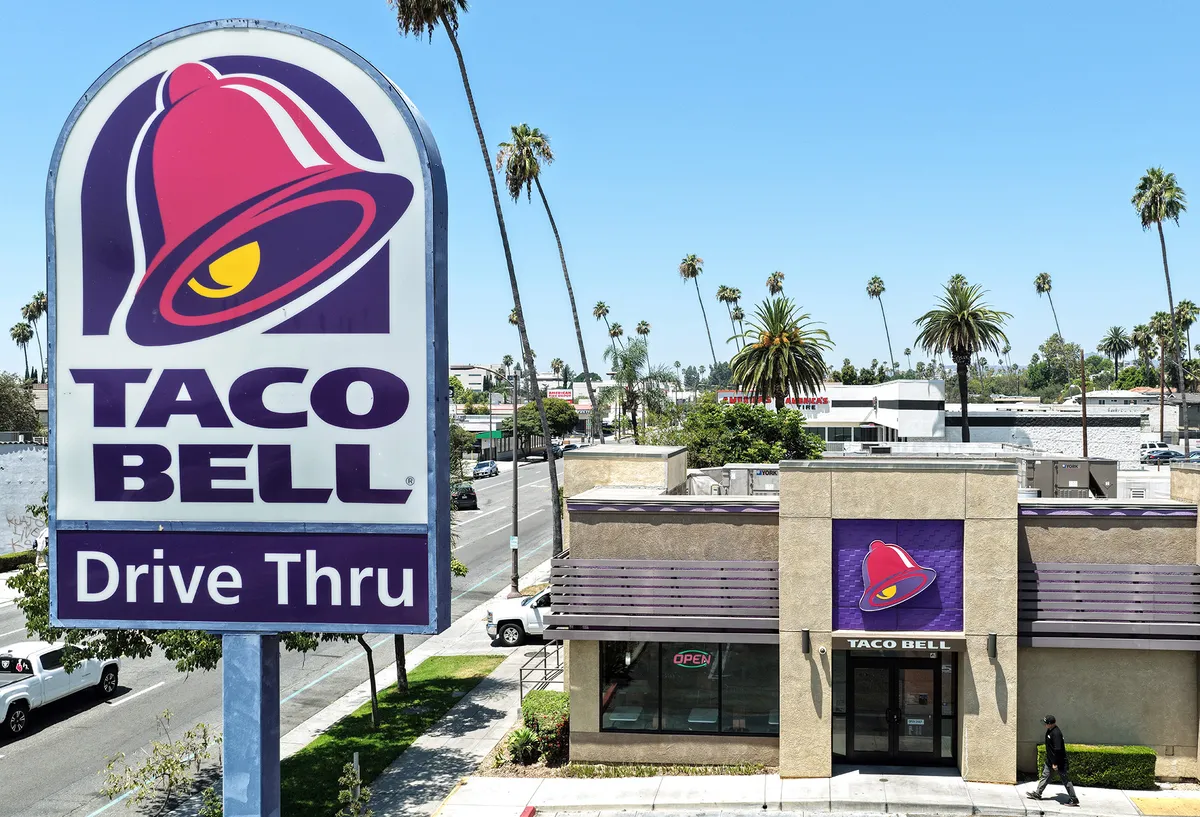
The recent cyclospora outbreak associated with Taco Bell has sent ripples through the fast-food industry and raised significant concerns among consumers regarding food safety. This unsettling incident, which has already led to two reported deaths in Michigan, underscores the critical importance of foodborne illness preparedness and corporate transparency. The details surrounding the outbreak, including the timeline of Taco Bell's communication with health officials, reveal a complex scenario that has implications for public health and consumer trust.
In July 2026, the Michigan Department of Health and Human Services initiated contact with Yum! Brands, Taco Bell's parent company, regarding a troubling spike in cyclospora infections that had begun to surface. Despite this early warning, Taco Bell did not publicly alert consumers until weeks later, prompting questions about their crisis management protocols and the speed of their response to potential health threats.
Understanding Cyclospora: A Hidden Threat
Cyclospora is a microscopic parasite that can cause gastrointestinal illness in humans. The infection, known as cyclosporiasis, is typically contracted through consuming contaminated fruits and vegetables, particularly leafy greens like lettuce and herbs. Symptoms of the infection include:
- Nausea
- Diarrhea (often severe and watery)
- Fatigue
- Abdominal cramps
These symptoms can last for weeks and, in severe cases, may require hospitalization. The CDC reports that while the overall incidence of cyclospora infections is low, cases tend to spike during the summer months when fresh produce is more prevalent. This year's outbreak has affected more than 6,700 individuals across 45 states, with Michigan emerging as the epicenter.
A Timeline of Events
Early Warnings and Delayed Actions
The timeline of the Taco Bell cyclospora outbreak is crucial to understanding the sequence of events that led to the public health advisory. On July 2, Michigan health officials held a conference call with Yum! Brands to discuss the emerging outbreak. During this meeting, they expressed concerns about potential contamination and urged the company to take precautionary measures.
Just days later, on July 4, Michigan health authorities recommended that businesses handling raw produce, including fast-food chains, implement extra precautions, particularly with lettuce and leafy greens. However, Taco Bell did not publicly acknowledge the situation until July 14, after news reports indicated that certain locations had begun removing ingredients associated with the outbreak.
Public Awareness and Corporate Communication
Despite receiving warnings and having discussions with health officials, Taco Bell's initial lack of transparency has raised eyebrows. The company's statement indicated that they acted “out of an abundance of caution” but did not confirm a direct link to contaminated ingredients until much later. The Food and Drug Administration (FDA) eventually traced the source of the outbreak to iceberg lettuce supplied by Taylor Farms, which subsequently issued a recall affecting 27 states.
Health Implications and Consumer Risks
The implications of the cyclospora outbreak are significant for public health. The two deaths reported in Michigan involved individuals with serious underlying health conditions, highlighting the vulnerability of certain populations to foodborne illnesses. Furthermore, the outbreak serves as a reminder of the importance of food safety practices. Consumers are urged to be cautious when consuming raw produce, especially during periods of elevated cyclospora risk.
Health experts recommend the following precautions:
- Wash all fruits and vegetables thoroughly before consumption.
- Avoid eating raw produce from sources that have been implicated in outbreaks.
- Stay informed about food recalls and health advisories from the CDC and FDA.
As the investigation continues, public health officials are conducting interviews and collecting data to understand the full scope of the outbreak. Epidemiologists rely on patient interviews to trace the source of contamination, which can be challenging due to the nature of the parasite.
Impact on the Fast-Food Industry
The fallout from the Taco Bell outbreak has extended beyond health concerns, affecting the company’s sales and stock performance. Following the outbreak's announcement, Yum! Brands saw a drop in share prices, reflecting investor anxiety over potential long-term repercussions on customer trust and brand reputation.
Fast-food chains, particularly those that rely heavily on fresh produce, have experienced similar stock declines, including companies like Chipotle, Sweetgreen, and Cava Group, despite not being linked to the outbreak. The incident serves as a stark reminder for the industry regarding the importance of rapid and transparent communication in crisis situations.
Regulatory and Legal Considerations
The aftermath of the outbreak raises questions about regulatory oversight and corporate responsibility. Food safety regulations in the United States require strict adherence to guidelines designed to prevent contamination. In light of recent events, experts are calling for a reevaluation of food safety protocols, particularly in fast-food restaurants.
Legal ramifications are also a concern. If consumers are affected by the outbreak, they may seek damages through lawsuits against Taco Bell or its suppliers. The company must navigate potential legal challenges while managing its public relations strategy to restore consumer confidence.

Key Takeaways
- The cyclospora outbreak linked to Taco Bell has infected over 6,700 people across 45 states.
- Taco Bell received early warnings from Michigan health officials but delayed public communication about the outbreak.
- Health experts recommend thorough washing of produce and staying informed about food safety advisories.
- The incident has impacted Taco Bell's sales and share prices, affecting the broader fast-food industry.
- Regulatory and legal implications may arise as the investigation continues.
Frequently Asked Questions
What should I do if I suspect I have cyclosporiasis?
If you suspect you have cyclosporiasis, it is important to seek medical attention promptly. Symptoms often manifest as severe diarrhea, nausea, and fatigue. A healthcare provider can perform tests to confirm the diagnosis and recommend appropriate treatment, which typically includes antibiotics and supportive care.
How can I protect myself from foodborne illnesses?
To minimize the risk of foodborne illnesses, always wash fruits and vegetables thoroughly before consumption. Be aware of food safety recalls and advisories, especially during outbreaks. Consider cooking certain vegetables, as cooking can kill harmful pathogens. Proper hygiene, including washing hands before handling food, is also crucial in preventing contamination.
What actions can regulatory bodies take in response to foodborne outbreaks?
Regulatory bodies like the CDC and FDA can issue food recalls, conduct investigations, and enforce food safety regulations. They may also provide guidance to businesses on best practices for handling produce to prevent future outbreaks. Public health advisories may be issued to inform consumers of potential risks.
How does Taco Bell's response compare to industry standards?
Taco Bell's response to the cyclospora outbreak has raised questions regarding its alignment with industry standards for crisis management and transparency. Quick communication with consumers and proactive measures are essential during outbreaks. The fast-food industry is under increasing scrutiny to prioritize food safety and consumer trust, making it imperative for companies to adopt best practices in risk management.
Comments
Insurer's Right to Void Policies: A Case Study on Misrepresentation
A recent New York appeals court ruling highlights the consequences of misrepresentation on insurance applications. Union Mutual Fire Insurance Company successfully voided policies after discovering a discrepancy in apartment counts, illustrating the importance of accurate disclosures.

Related articles





Popular in Business Insurance
- Surging War-Risk Insurance Rates in the Strait of Hormuz: What It Means for Shipping
- Ross & Yerger Insurance Faces Class Action Over Data Breach Allegations
- Sompo Expands U.S. Workers' Compensation Portfolio with Service Insurance Acquisition
- Legal Battle Unfolds Over $1 Million Truck Crash Insurance Payout
- Howden Group's Ambitious Journey Toward IPO and Expansion