Rising Wildfire Risks Drive Surge in Catastrophe Bond Sales
Amid increasing wildfire threats, insurance companies are increasingly turning to catastrophe bonds to manage risk. This year alone, sales have reached over $5 billion, driven by a global need for innovative financial solutions to address escalating natural disasters.

As wildfires become an ever-present threat, insurers are seeking innovative financial mechanisms to manage the associated risks. The surge in wildfire events has led to a record increase in the issuance of catastrophe bonds, a financial instrument designed to help insurers offload unmanageable risks to the capital markets. In 2026 alone, the issuance of catastrophe bonds tied to wildfires has already surpassed $5 billion, closing in on the previous year’s total of approximately $5.6 billion. This dramatic uptick highlights not only the growing frequency and severity of wildfires but also a shift in how insurers are approaching risk management in a changing climate.
The escalating wildfire threat is not just an American issue; it is a global phenomenon. As climate change continues to intensify, regions around the world, including parts of Europe, are grappling with the potential for wildfires becoming a significant risk to property and life. For many insurers, catastrophe bonds are emerging as a viable solution to mitigate this risk while providing investors an opportunity for attractive returns.
Understanding Catastrophe Bonds
Catastrophe bonds, or cat bonds, are a type of insurance-linked security that allows insurance companies to transfer certain risks to investors. When a catastrophe—such as a wildfire—occurs, the bond’s proceeds can be used by the insurer to cover claims. If the catastrophe does not occur within a specified timeframe, investors receive their principal back along with interest payments. This arrangement effectively helps insurers manage their exposure to large-scale disasters while offering investors the potential for high returns.
The rise of cat bonds can be attributed to several factors:
- Increased Frequency of Catastrophes: Natural disasters, particularly wildfires, are becoming more common, leading to higher insured losses.
- Robust Risk Models: Advances in modeling techniques have improved investors’ understanding of the risks associated with wildfires.
- Investor Appetite: A growing pool of investors is willing to take on these risks in exchange for attractive yields.
The Wildfire Risk Landscape
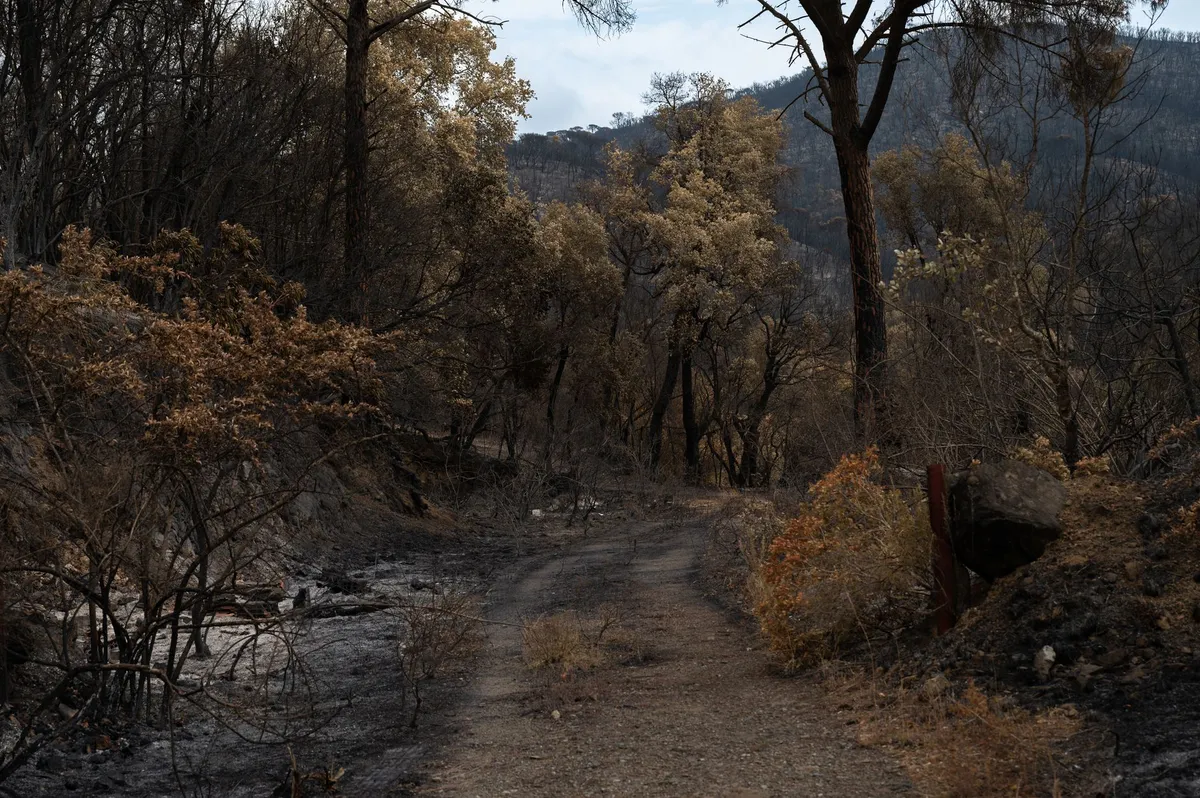
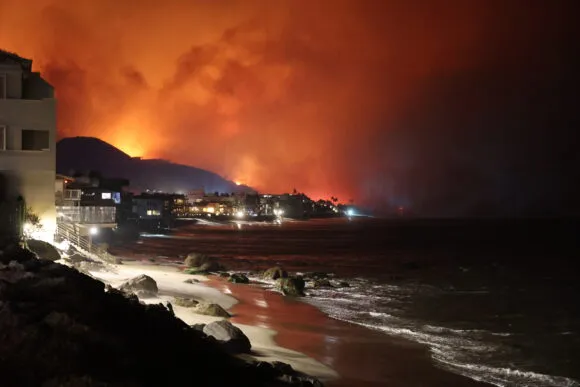
According to KatRisk, a risk modeling firm, insured losses from wildfires are increasing at an annual rate of approximately 12%. This rapid escalation necessitates innovative financial solutions, particularly in regions like California, where the threat of wildfires is pronounced. The greater Los Angeles area bears testimony to this escalating risk, having experienced devastating fires that destroyed over 16,000 structures and resulted in $40 billion in insured losses as recently as January 2025.
This historical context underscores the urgency for insurers to bolster their financial reserves through instruments like catastrophe bonds. With over a million wildfire policies not being renewed in recent years, reliance on state-backed programs like California's FAIR Plan has surged, further emphasizing the need for backstopping mechanisms in the insurance market.
The European Market and Future Prospects
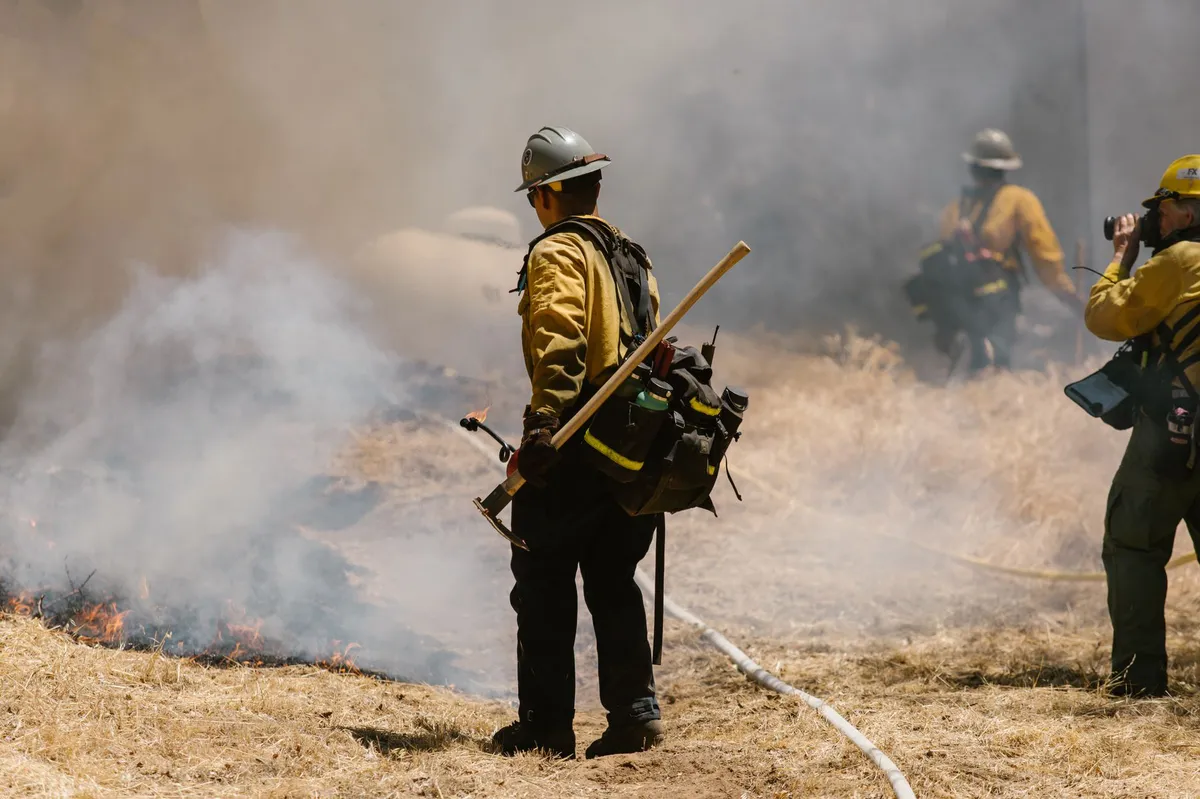
While the U.S. catastrophe bond market has matured significantly, European insurers are beginning to explore similar routes for managing wildfire risks. Although the European market is not as developed as its U.S. counterpart, the growing frequency of wildfires in countries like Spain and Portugal signals a shift toward more proactive risk management strategies. Experts believe that for Europe to create a robust cat bond market, several factors must align, including:
- Increased Demand: As the threat of wildfires grows, so will the demand for insurance coverage.
- Investor Confidence: Investors need assurance in the models and data supporting these financial products.
- Advancements in Risk Modeling: Continued improvements in the accuracy of wildfire risk assessments will bolster investor interest.
Challenges in Modeling Wildfire Risks
Modeling wildfire risks presents unique challenges compared to other natural disasters. Predicting the path and timing of wildfires involves complex variables such as temperature fluctuations, vegetation growth, local topography, and wind speeds. Moreover, human intervention, such as vegetation management, can significantly alter the risk profile of a region.
Despite these challenges, improvements in risk modeling are paving the way for more reliable assessments. Firms like Verisk and Moody’s are introducing advanced models that incorporate updated climate data and fire trends, enhancing investor confidence in wildfire-linked cat bonds.

The Road Ahead: Investor Perspectives
From an investor's standpoint, the evolving landscape of wildfire risks and the associated financial instruments present both opportunities and challenges. As noted by Dirk Schmelzer, a senior fund manager, wildfires have reached a level of risk that justifies standalone catastrophe bonds, rather than being bundled with other perils.
Investors are increasingly discerning when assessing potential cat bonds. Those backed by strong data and prudent structures are finding receptive markets, while poorly understood risks may face higher costs of capital. This trend speaks to the importance of transparency and robust modeling in attracting investment.
Key Takeaways
- Catastrophe bonds tied to wildfires have seen record sales, exceeding $5 billion in 2026.
- The risk of wildfires is increasing globally, necessitating innovative financial solutions.
- Improved risk modeling is crucial for investor confidence in wildfire-linked financial products.
- European markets are beginning to explore catastrophe bonds as a means to manage wildfire risks.
- Standalone wildfire cat bonds are becoming more prevalent, reflecting a shift in investor attitudes.
Frequently Asked Questions
What is a catastrophe bond?
A catastrophe bond is a financial instrument that allows insurers to transfer the risk of catastrophic events, such as natural disasters, to investors. If a specified catastrophe occurs, the bond’s proceeds are used to cover claims. If not, investors receive their principal and interest payments. This mechanism helps insurers manage risk while offering investors the potential for returns.
How do wildfires impact the insurance market?
Wildfires pose a significant threat to the insurance market by increasing the frequency and severity of claims. As insured losses rise—estimated at 12% annually—insurers are compelled to seek innovative financial solutions like catastrophe bonds to mitigate their exposure and maintain financial stability.
Why are investors interested in wildfire-linked catastrophe bonds?
Investors are drawn to wildfire-linked catastrophe bonds due to the potential for high returns. As insurers seek to manage increasing risks associated with wildfires, the demand for these financial products is growing, creating opportunities for investors willing to accept the associated risks.
How does climate change affect wildfire risks?
Climate change is a key driver of rising wildfire risks, as higher temperatures and changing precipitation patterns create conditions conducive to wildfires. This growing threat necessitates innovative risk management strategies, such as catastrophe bonds, to help insurers address the financial impacts of increasingly frequent and severe wildfires.
Comments
Insurer's Right to Void Policies: A Case Study on Misrepresentation
A recent New York appeals court ruling highlights the consequences of misrepresentation on insurance applications. Union Mutual Fire Insurance Company successfully voided policies after discovering a discrepancy in apartment counts, illustrating the importance of accurate disclosures.

Related articles





Popular in Business Insurance
- Surging War-Risk Insurance Rates in the Strait of Hormuz: What It Means for Shipping
- Ross & Yerger Insurance Faces Class Action Over Data Breach Allegations
- Sompo Expands U.S. Workers' Compensation Portfolio with Service Insurance Acquisition
- Legal Battle Unfolds Over $1 Million Truck Crash Insurance Payout
- Howden Group's Ambitious Journey Toward IPO and Expansion