Court Ruling Reinforces Limits of D&O Insurance Coverage
A recent court decision clarifies what constitutes a valid claim under Directors and Officers (D&O) insurance policies. The ruling emphasizes the importance of proper demand procedures and highlights the pitfalls of miscommunication in claims processes.
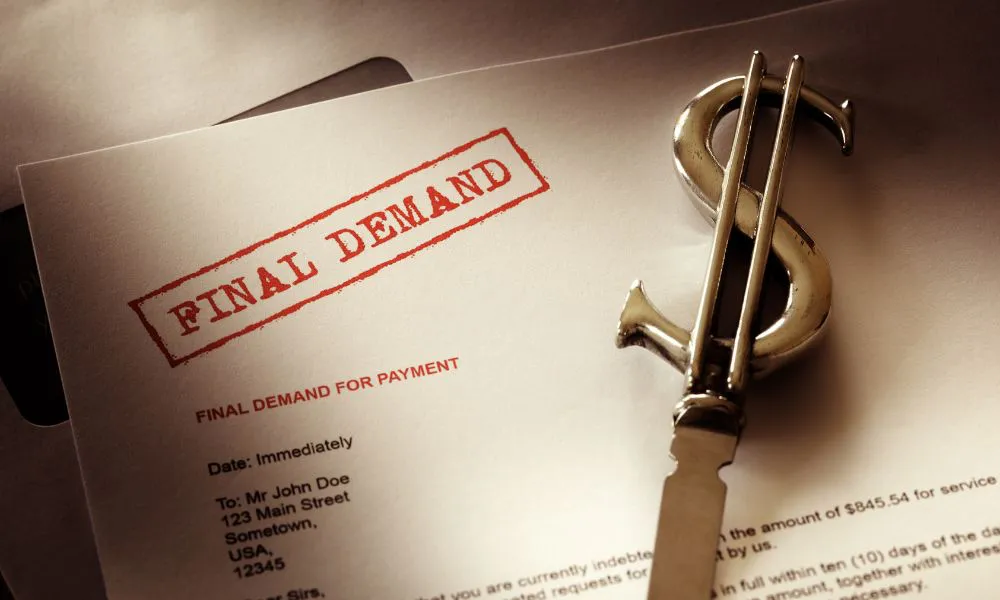
The realm of corporate governance is a complex landscape, particularly when it comes to protecting the interests of directors and officers under insurance policies. A recent ruling by the US Court of Appeals for the Eighth Circuit has brought to light critical nuances in the interpretation of Directors and Officers (D&O) insurance coverage. This case underscores the importance of understanding the conditions that trigger coverage and the potential consequences of failing to adhere to those stipulations.
The case arose from the collapse of Empirical Prime, LLC, a company that faced significant financial difficulties after defaulting on loans from Enterprise Bank and Trust, LLC. The fallout led to a series of legal actions, including the appointment of a receiver to manage the company’s affairs. The receiver, representing the interests of Empirical, sought to compel Texas Insurance Company (TIC) to honor the D&O policy covering the company's officers. However, the court's recent decision clarified that the receiver's demand letters, sent directly to TIC, did not constitute valid claims under the policy.
Understanding D&O Insurance Policies
Directors and Officers insurance is designed to protect the personal assets of corporate directors and officers in the event they are sued for alleged wrongful acts while managing a company. This coverage typically extends to legal fees, settlements, and other costs associated with defending against such claims. However, the policy's effectiveness hinges on the precise definitions of key terms within the contract.
Key Definitions Impacting Coverage
In the case at hand, two critical definitions played a pivotal role in the court's decision:
- Claim: Defined in the policy as a “Written demand against the Insured.”
- Loss: Defined as the “amount that an Insured is legally obligated to pay resulting from a Claim.”
The court found that the letters issued by the receiver were directed at the insurer, TIC, rather than at Empirical, the insured entity. Thus, they did not meet the policy's requirement for a valid claim. This distinction is crucial; without a legitimate claim made against the insured, the insurer is not obligated to provide coverage.

The Case of Empirical Prime
Empirical Prime's troubles began when its officers allegedly breached loan covenants by taking on additional loans from other banks while their debt to Enterprise Bank remained outstanding. Allegations of submitting false financial statements and misusing company funds further complicated the situation. As Empirical defaulted on its obligations, Enterprise Bank initiated legal proceedings, which ultimately led to the appointment of a receiver to protect the bank's interests and manage the company’s liquidation.
When the receiver approached TIC for coverage under Empirical's D&O policy, the insurer’s refusal to pay sparked a breach of contract lawsuit. The receiver claimed TIC was liable for not honoring the policy, as they interpreted the letters sent as valid claims against the insured. However, the court's analysis revealed a fundamental misunderstanding of the policy's requirements.

Legal Implications of the Ruling
The court ruled that there was no “Loss” because, at the time of the demand letters, the officers of Empirical had not been legally obligated to pay any claims. This outcome reinforces the principle that for D&O coverage to be triggered, there must be a clear legal obligation resulting from an actual claim against the insured, not merely theoretical or potential losses.
This decision serves as a crucial reminder for directors and officers and their legal teams to ensure that any claims made against them are properly documented and communicated according to the specifications of their D&O policies.
Vexatious Refusal Claims
The receiver also attempted to pursue a vexatious refusal claim against TIC, which is a legal action used to challenge an insurer’s unreasonable denial of a legitimate claim. However, because the initial breach of contract claim was unsuccessful, the vexatious refusal claim fell flat as well. The court affirmed that without a valid claim, the insurer could not be said to have acted unreasonably.
Lessons for Policyholders
For those holding D&O insurance, this case highlights several important lessons:
- Understand Policy Definitions: Familiarize yourself with the specific terms within your D&O policy. Knowing what constitutes a “Claim” and a “Loss” can significantly influence how you approach potential legal issues.
- Proper Demand Procedures: Ensure that any requests for coverage are directed to the correct parties and adhere to the policy's requirements. A misstep in this process can lead to denied claims.
- Legal Obligations Must Be Established: There must be a clear legal obligation or claim for coverage to be triggered. Just expressing a potential loss is insufficient.
By understanding these nuances, directors and officers can better navigate the complexities of D&O insurance and safeguard their interests.

Key Takeaways
- The Eighth Circuit ruling clarifies the requirements for D&O insurance claims.
- Claims must be directed at the insured, not the insurer, to be valid.
- Legal obligations must be established for a claim to trigger coverage.
- Misunderstanding policy definitions can lead to denied claims.
Frequently Asked Questions
What is D&O insurance and who needs it?
Directors and Officers insurance is crucial for individuals in leadership positions within a company. It protects them from personal liability in the event they are sued for decisions made while performing their corporate duties. This coverage is essential for any organization, regardless of size, as it provides a safety net for those making strategic decisions that could be subject to legal scrutiny.
How can policyholders ensure they have adequate D&O coverage?
To ensure adequate D&O coverage, policyholders should closely examine their insurance policy's terms, including coverage limits, exclusions, and conditions. It's advisable to consult with an insurance broker or legal advisor experienced in corporate governance to tailor the policy to the organization’s specific needs and risks.
What steps should be taken if a D&O claim is denied?
If a D&O claim is denied, the first step is to carefully review the denial letter and the policy's terms to understand the reasoning behind the decision. Policyholders may seek clarification from the insurer and consider engaging a legal professional to explore avenues for appeal or to pursue a vexatious refusal claim if warranted by the circumstances.
Can a receiver make claims on behalf of a company?
A receiver can make claims on behalf of a company, but the claims must adhere to the definitions and requirements set forth in the insurance policy. In this case, the court ruled that the receiver's demand letters did not constitute valid claims because they were not directed at the insured entity. Therefore, it is critical for receivers to follow proper procedures to ensure claims are recognized by insurers.
Comments
25 States Challenge Trump's New Tariffs in Major Legal Battle
A coalition of 25 states has filed a lawsuit against President Trump's new tariffs, claiming they are illegal and unjust. This article examines the implications for businesses, consumers, and trade policy.

Related articles



Popular in Business Insurance
- Surging War-Risk Insurance Rates in the Strait of Hormuz: What It Means for Shipping
- Ross & Yerger Insurance Faces Class Action Over Data Breach Allegations
- Sompo Expands U.S. Workers' Compensation Portfolio with Service Insurance Acquisition
- Legal Battle Unfolds Over $1 Million Truck Crash Insurance Payout
- Howden Group's Ambitious Journey Toward IPO and Expansion