Third Wave Insurance Expands Gulf Coast Operations: A Strategic Move into Plan Administration
Third Wave Insurance's recent acquisition of five agencies across the Gulf Coast marks a significant shift in the insurance landscape, particularly with its focus on owning plan administration. This strategic move positions Third Wave to enhance its service offerings and compete more effectively in the self-funded health plan market.
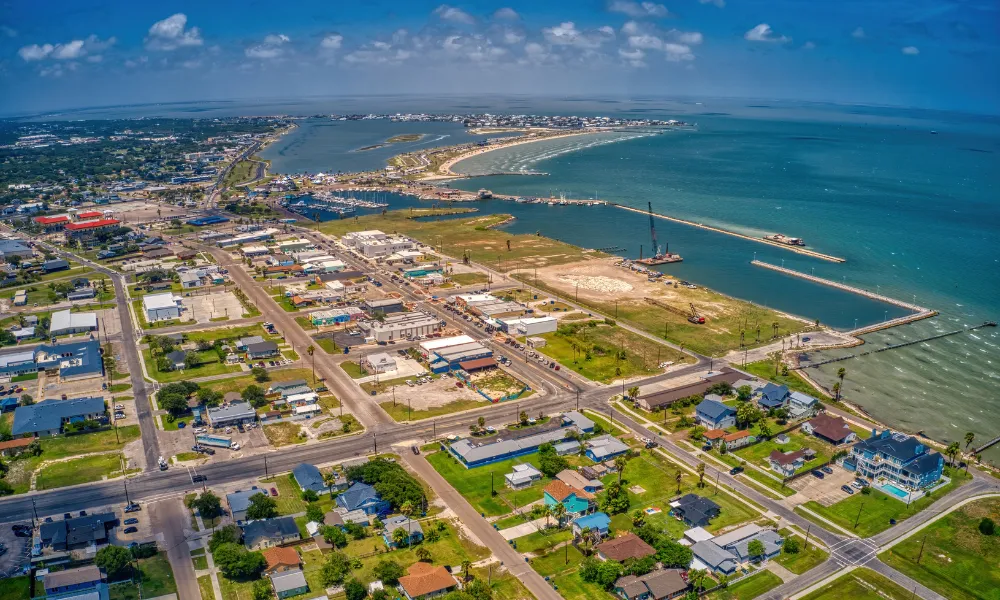
The Gulf Coast insurance market is witnessing a transformative shift as Third Wave Insurance announces its acquisition of five insurance and advisory agencies across Louisiana, Mississippi, and Florida. This expansion not only enhances the company's geographic footprint but also signifies a pivotal move into the realm of plan administration, a capability that many brokers currently outsource. This strategic decision places Third Wave in a unique position to offer comprehensive services to clients, especially those seeking self-funded health plans.
Founded just six months ago by TPG Growth as part of a broader strategy to enhance its retail brokerage operations through Palmer & Cay, Third Wave is now on a fast track to reshape the landscape of insurance offerings in the region. The financial details of the acquisitions remain undisclosed, but the implications of this move are profound, particularly in an environment where insurance distribution deals are slowing down across North America.
Understanding the Significance of the Acquisition
Third Wave's acquisition includes notable firms such as Massad Olinde, Acuity Group, AWS, Spielmann & Associates, and Alexander Financial Group. Each of these agencies brings specialized expertise in various areas, including employee benefits, commercial property and casualty insurance, and wealth management. The inclusion of Acuity Group is particularly noteworthy, as it operates a third-party administrator (TPA) for self-funded health plans, a sector that is becoming increasingly relevant in today’s employer-sponsored insurance landscape.
This move into plan administration allows Third Wave to manage the entire health benefits process in-house, offering clients a streamlined service that could lead to better outcomes. Self-funded plans are gaining traction among employers, with research indicating that as of 2025, **67% of workers with employer-sponsored coverage were enrolled in self-funded plans**. This percentage rises significantly among larger firms, where **80% of employees at companies with over 200 workers** are in self-funded arrangements. By owning the TPA capability, Third Wave stands to differentiate itself from competitors who solely provide brokerage services.

Market Context: A Shift in Insurance Dynamics
The timing of Third Wave's expansion aligns with a broader trend in the insurance market, where the number of agency transactions has seen a notable decline. According to data from OPTIS Partners, there were **292 insurance agency transactions in the first half of 2026**, marking a **15% decrease** from the previous year and the lowest first-half total since 2016. The property and casualty sector, which accounted for **68% of these transactions**, is experiencing a shift as brokers navigate changing market dynamics.
As average premiums across all account sizes decreased by **1.2%** in early 2026 — the first decline reported since 2017 — brokers face increased competition. The average premium drop was **2.7% for large accounts**, while small accounts saw an increase of **1.1%**. This environment presents both challenges and opportunities for insurance brokers as they seek to attract and retain clients in a shifting pricing landscape.
Self-Funded Plans: The Growing Appeal
Self-funded health plans are becoming increasingly popular among employers due to their flexibility and potential cost savings. These arrangements allow companies to assume the financial risk of providing health benefits to their employees, which can be particularly advantageous for larger organizations. For smaller companies, level-funded plans offer a middle ground, combining aspects of self-funding with some level of insurance protection.
The ability to manage plan administration in-house can provide Third Wave with a competitive edge, especially when engaging with larger self-funded clients. In these cases, having a single point of accountability for both advice and administration can simplify the management process for clients, potentially leading to lower costs and improved service.
- 67% of workers with employer-sponsored coverage are in self-funded plans.
- **80%** of employees at large companies are enrolled in self-funded arrangements.
- The average premium for large accounts declined by **2.7%** in early 2026.

The Strategic Advantages of Vertical Integration
Vertical integration, particularly in the insurance space, can yield significant benefits for companies like Third Wave. By bringing plan administration in-house, Third Wave can control more aspects of the service delivery process, which can lead to enhanced client satisfaction and retention. This strategic advantage is crucial, especially as the competition intensifies in the self-funded market.
For brokers who do not own a TPA capability, the challenge becomes clear: will they continue to refer clients to external TPAs, or will they consider building their own administrative capabilities? The answer may depend on the size and complexity of the client’s needs. For larger clients, having an integrated approach can be a compelling selling point, while smaller clients may find that existing TPA platforms sufficiently meet their needs without the added complexity of direct management.

Looking Ahead: Implications for the Industry
The implications of Third Wave's acquisition strategy extend beyond the immediate benefits to the company itself. As the insurance industry continues to evolve, brokers will need to assess the necessity of in-house TPA capabilities as a means of differentiation. This trend could signal a shift in how insurance services are delivered, with a growing emphasis on comprehensive, client-centric solutions.
Moreover, as Third Wave strengthens its Gulf Coast presence, the potential for further acquisitions may loom on the horizon. The company plans to leverage technology and invest in talented individuals to enhance their service offerings, which could reshape the competitive landscape for both established players and newcomers in the industry.
Key Takeaways
- Third Wave Insurance's acquisition of five agencies represents a significant expansion into plan administration.
- Self-funded health plans are becoming increasingly prevalent among employers, particularly larger organizations.
- Vertical integration in insurance may offer a competitive advantage in client retention and service delivery.
- The insurance market is experiencing a decline in agency transactions, presenting challenges for brokers.
Frequently Asked Questions
What are self-funded health plans, and why are they gaining popularity?
Self-funded health plans allow employers to assume the financial risk for providing health benefits to their employees. This model can be particularly appealing to larger organizations that can absorb the costs of unexpected claims. The growing popularity of self-funded plans is driven by the desire for flexibility in plan design, cost savings, and the ability to tailor benefits to employee needs.
How does Third Wave's acquisition impact the competitive landscape for insurance brokers?
Third Wave's move to integrate plan administration into its offerings creates a potential competitive advantage in attracting and retaining large self-funded accounts. Other brokers may feel pressure to either develop similar capabilities in-house or find innovative ways to compete. This shift could change how brokers structure their services and engage with clients moving forward.
What challenges do brokers face in the current insurance market?
The insurance market is currently experiencing a slowdown in agency transactions, coupled with declining premiums in certain sectors. Brokers must navigate these challenges while finding ways to differentiate their services and add value for clients. The rise of self-funded plans also requires brokers to stay informed about regulatory changes and market dynamics to effectively advise their clients.
What does the future hold for Third Wave and the Gulf Coast insurance market?
As Third Wave continues to expand its presence along the Gulf Coast, the company is likely to pursue further acquisitions and investments in technology to enhance service delivery. This could lead to a more competitive market where brokers prioritize comprehensive, integrated solutions for their clients, ultimately reshaping the insurance landscape in the region.
Comments
25 States Challenge Trump's New Tariffs in Major Legal Battle
A coalition of 25 states has filed a lawsuit against President Trump's new tariffs, claiming they are illegal and unjust. This article examines the implications for businesses, consumers, and trade policy.

Related articles



Popular in Business Insurance
- Surging War-Risk Insurance Rates in the Strait of Hormuz: What It Means for Shipping
- Ross & Yerger Insurance Faces Class Action Over Data Breach Allegations
- Sompo Expands U.S. Workers' Compensation Portfolio with Service Insurance Acquisition
- Legal Battle Unfolds Over $1 Million Truck Crash Insurance Payout
- Howden Group's Ambitious Journey Toward IPO and Expansion