EEOC Faces Lawsuit Over Suspension of Federal-Sector Class Complaints
A recent lawsuit claims the EEOC has unlawfully halted all federal-sector class complaints, impacting numerous harassment cases. Two prison workers join a union in challenging this controversial directive.
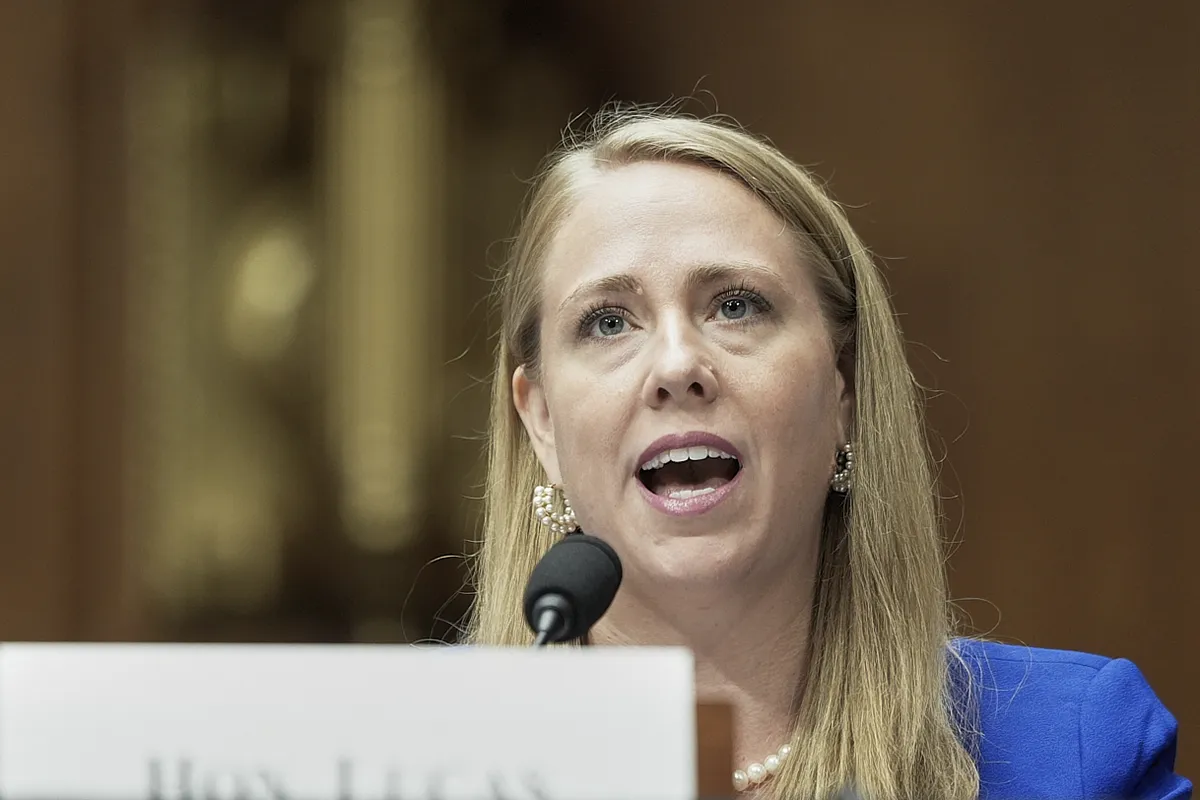
In a significant legal development, a labor union and two female correctional officers have filed a lawsuit against the U.S. Equal Employment Opportunity Commission (EEOC), claiming that the agency has unlawfully suspended all federal-sector class complaints. This suspension not only affects their pending sexual harassment case but also raises serious questions about the EEOC's commitment to protecting the rights of federal employees. The lawsuit, filed by Deanna Chelette and Alexzandria Boyd, both of whom work at a federal prison in Louisiana, has sparked widespread concern about the implications for workplace discrimination cases across the federal sector.
The lawsuit alleges that the EEOC's directive to halt federal-sector class complaints is part of a broader trend within the agency to undermine civil rights protections. This action comes at a time when the EEOC has already faced criticism for shifting its civil rights enforcement priorities under the administration of President Donald Trump. As the agency's policies evolve, the ramifications for federal workers facing discrimination become increasingly complex.
Unpacking the Lawsuit Against the EEOC
The plaintiffs, with the backing of the American Federation of Government Employees (AFGE)—the largest union representing federal workers—argue that the EEOC's indefinite suspension of their class complaint is not only arbitrary but also harmful. The class complaint, certified in March 2025, stems from allegations that the management of the Federal Correctional Complex at Pollock failed to protect female employees from persistent and severe sexual harassment by inmates. This includes chilling accounts of rape threats, unwanted touching, and exposure to nudity, creating an unsafe work environment for the women involved.
The ongoing nature of harassment faced by Chelette, Boyd, and their colleagues adds urgency to the lawsuit. According to the complaint, the women have experienced escalating harassment during the seven months since the EEOC paused their case, with no clear timeline for when or if the proceedings will resume. This situation raises critical questions about the responsibility of federal agencies to ensure a safe and equitable workplace for all employees.

Impact of Suspension on Federal Employees
The suspension of federal-sector class complaints does not only affect the two plaintiffs; it potentially jeopardizes numerous other cases currently pending before the EEOC. The plaintiffs’ legal team has noted that they are representing federal workers in at least five other class complaints that have also been stalled, including cases involving the FBI and the Department of Defense. This widespread suspension could have significant implications for how federal employees address discrimination and harassment in their workplaces.
The EEOC’s Regulatory Framework
Under the EEOC's own regulations, federal employees are entitled to prompt and fair processing of discrimination complaints. However, the lawsuit argues that the EEOC's blanket suspension violates these regulations, which mandate timely resolution of complaints. The absence of a transparent rationale for the suspension has led to speculation that this may reflect a broader strategy to limit avenues for redress under civil rights laws.
The Broader Context: Changes in EEOC Leadership and Priorities
In recent years, the EEOC has undergone significant changes under the leadership of Chair Andrea Lucas, who has pursued an agenda characterized as “even-handed” and “colorblind.” Critics, however, argue that this approach has effectively curtailed protections for marginalized groups, including women facing sexual harassment in the workplace. The agency’s decision to halt class complaints aligns with other shifts in policy, such as deprioritizing cases related to diversity and inclusion initiatives and abandoning protections for transgender employees.
These developments have triggered multiple lawsuits against the EEOC, highlighting the tension between civil rights protections and the agency's evolving priorities. As the lawsuit against the EEOC unfolds, it may serve as a pivotal moment in the ongoing struggle to uphold workplace rights for federal employees.

The Legal and Social Ramifications
The ramifications of this lawsuit extend beyond the immediate parties involved. If the court rules in favor of the plaintiffs, it could reinstate the halted class complaints, providing a pathway for federal employees to seek justice for workplace discrimination. Conversely, if the court sides with the EEOC, it may set a precedent that further emboldens agencies to limit the avenues for legal recourse available to employees facing discrimination.
Moreover, the lawsuit underscores the urgent need for comprehensive reforms within the EEOC to ensure that federal employees are afforded the protections they deserve. As the landscape of workplace rights continues to evolve, it is crucial for advocacy groups, lawmakers, and the public to remain vigilant and advocate for policies that protect the rights of all workers.
Key Takeaways
- The EEOC has suspended all federal-sector class complaints, raising concerns about workers' rights.
- The lawsuit from two female prison employees highlights ongoing issues with sexual harassment in federal workplaces.
- This suspension could affect numerous cases across various federal agencies, not just the plaintiffs’.
- The legal outcome may set a significant precedent for how federal employee discrimination complaints are handled.
- Advocacy for reforms within the EEOC is essential to protect the rights of federal workers.
Frequently Asked Questions
What led to the lawsuit against the EEOC?
The lawsuit stemmed from the EEOC's decision to indefinitely suspend all federal-sector class complaints, which the plaintiffs claim unlawfully halts their ongoing sexual harassment case. This suspension has raised significant concerns about the agency's commitment to protecting the rights of federal employees, particularly women in male-dominated fields like corrections.
How does the EEOC's process differ for federal employees compared to private sector workers?
Federal employees file complaints through the EEOC's administrative judges, a process distinct from that for private sector workers, who typically navigate state and federal courts. The regulations governing federal complaints require that they be handled promptly, which the plaintiffs argue is being violated by the current suspension.
What are the potential outcomes of the lawsuit?
If the court rules in favor of the plaintiffs, the suspension could be lifted, allowing their class complaint and others to proceed. On the other hand, if the EEOC prevails, it may reinforce the agency’s authority to pause cases without clear justification, potentially limiting accountability for workplace discrimination.
What should federal employees do if they face discrimination or harassment?
Federal employees facing discrimination or harassment should document their experiences and report incidents to their supervisors or human resources. They can also file complaints with the EEOC. While the suspended process complicates matters, employees retain the right to pursue claims in federal court, though this would involve starting the legal process anew.
Comments
25 States Challenge Trump's New Tariffs in Major Legal Battle
A coalition of 25 states has filed a lawsuit against President Trump's new tariffs, claiming they are illegal and unjust. This article examines the implications for businesses, consumers, and trade policy.

Related articles





Popular in Business Insurance
- Surging War-Risk Insurance Rates in the Strait of Hormuz: What It Means for Shipping
- Ross & Yerger Insurance Faces Class Action Over Data Breach Allegations
- Sompo Expands U.S. Workers' Compensation Portfolio with Service Insurance Acquisition
- Legal Battle Unfolds Over $1 Million Truck Crash Insurance Payout
- Howden Group's Ambitious Journey Toward IPO and Expansion