Eaton Fire: The Implications of Edison Equipment's Role in Wildfire Tragedy
The tragic Eaton Fire in Los Angeles, caused by equipment from Southern California Edison, has raised significant questions about liability and safety regulations. With extensive damage and loss of life, understanding the implications for affected residents and the utility industry is crucial.
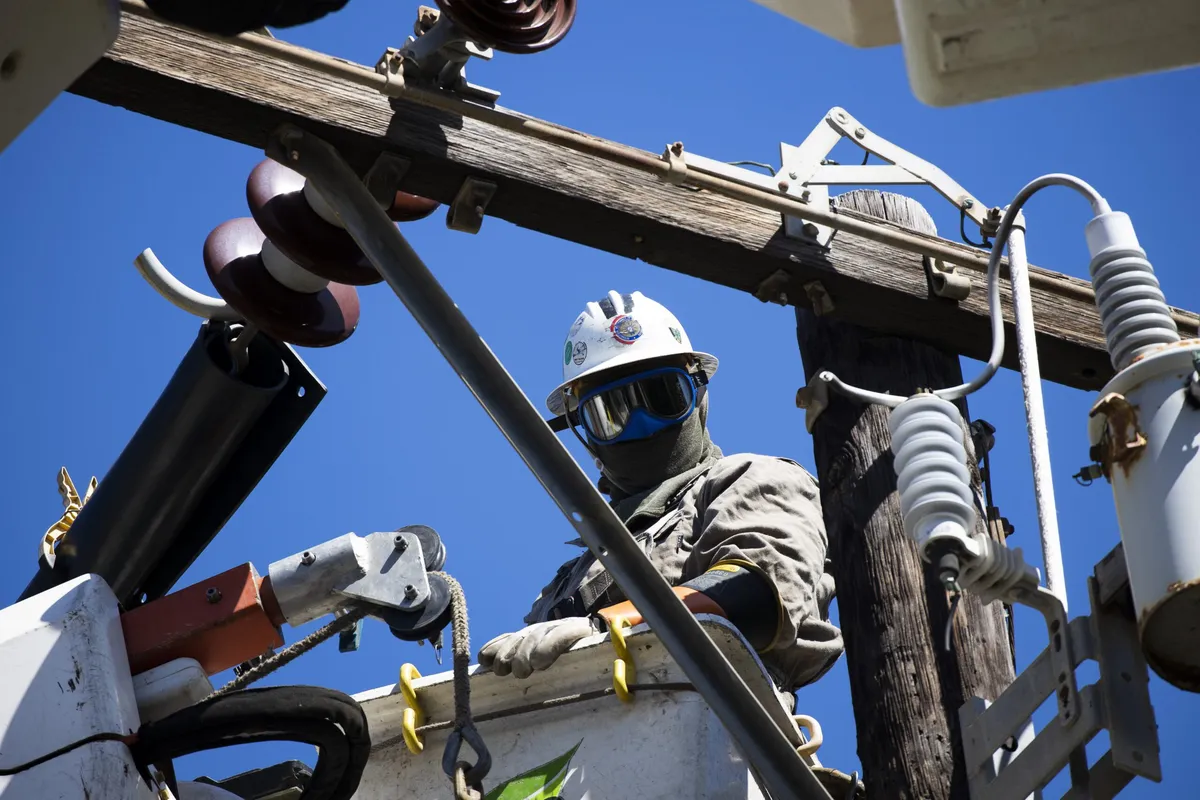
In January 2025, the Eaton Fire in Los Angeles erupted into one of the deadliest wildfires in recent memory, claiming the lives of 19 individuals and devastating the local community. The aftermath of this catastrophic event has brought to light serious concerns regarding the responsibilities of utility companies, the safety of their equipment, and the repercussions for those affected. A recent report from the Los Angeles County Fire Department has confirmed that the fire was sparked by electrical arcing from Southern California Edison (SCE) equipment, igniting dry vegetation on a hillside and leading to widespread destruction.
As California continues to grapple with the increasing frequency and intensity of wildfires, the implications of the Eaton Fire extend beyond immediate legal repercussions for SCE. The financial, emotional, and environmental toll of this disaster raises important questions about fire prevention measures, utility regulations, and the broader implications for homeowners and businesses in wildfire-prone areas.
Understanding the Cause of the Eaton Fire
According to the Los Angeles County Fire Department's report, the Eaton Fire was ignited by electrical arcing events associated with an out-of-service tower. Arcing occurs when electricity jumps across a gap between two conductors, which in this case resulted in hot metal particles being ejected and falling onto dry vegetation. This scenario highlights the critical need for diligent maintenance and monitoring of electrical equipment, especially in areas susceptible to wildfire conditions.
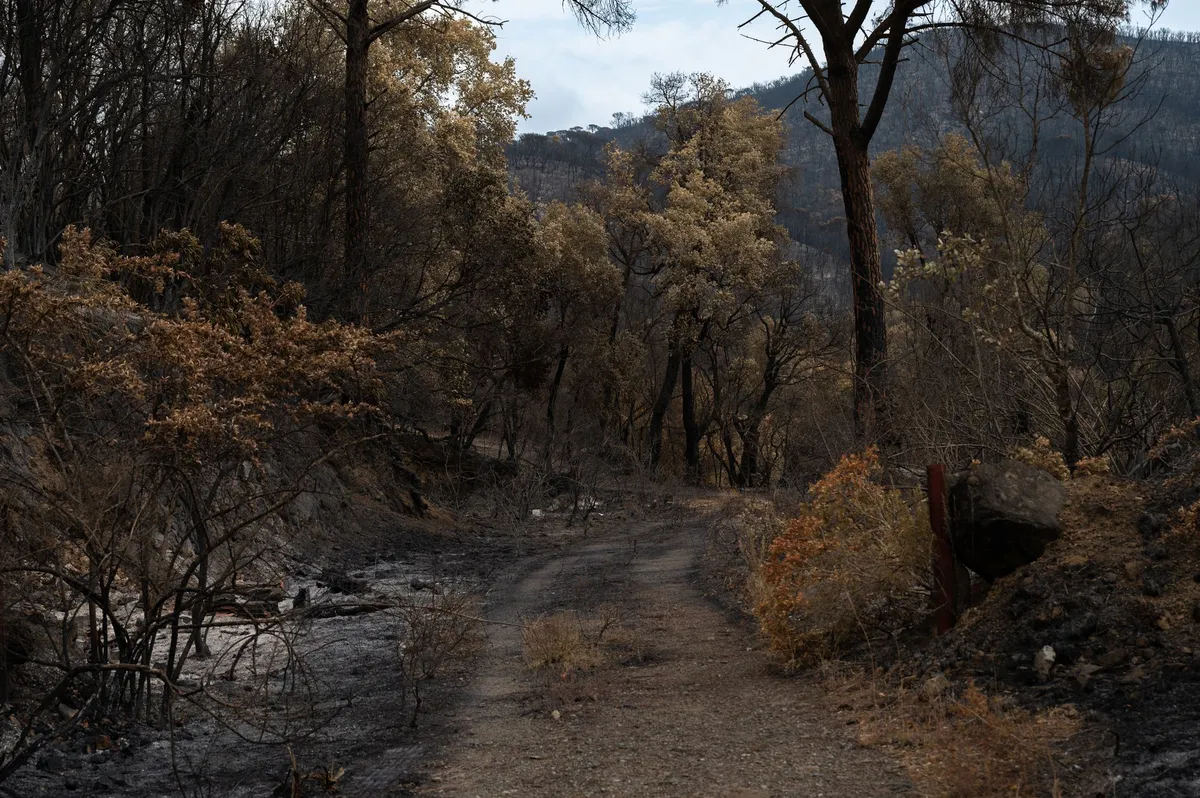
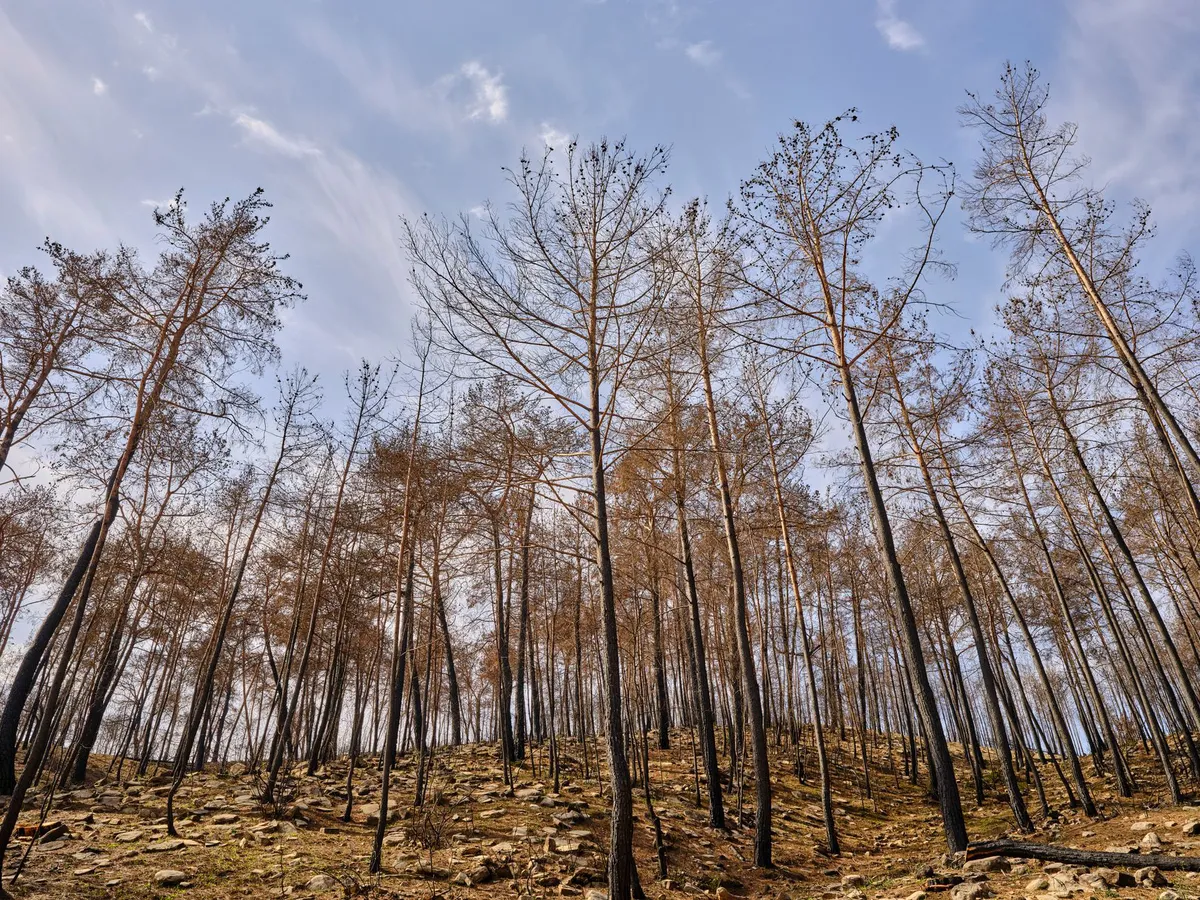
In the aftermath of the fire, it was revealed that more than 9,000 homes and businesses were either damaged or destroyed, and approximately 14,000 acres of land were burned. The devastation has led to over 32,000 lawsuits filed against SCE by affected residents, seeking compensation for their losses. As legal proceedings unfold, the focus remains on whether SCE can be held liable for the damage caused by its equipment.
The Legal Landscape: Who is Liable?
The issue of liability in wildfire cases is complex and often hinges on the ability to prove that a utility company's equipment directly caused the fire. In California, utilities can be held liable for damages resulting from wildfires if it can be established that their equipment was a significant factor in the ignition. Following the Eaton Fire, SCE acknowledged that its equipment was likely associated with the blaze, a significant concession that could impact the outcome of ongoing lawsuits.
Moreover, the legal framework surrounding utility liability in California has evolved in recent years. The state has implemented stricter regulations aimed at ensuring that utility companies take proactive measures to prevent wildfires. This includes mandated inspections, maintenance protocols, and investment in advanced technologies to detect faults before they can lead to fires. As such, SCE's failure to adhere to these regulations could further complicate its legal standing.
The Human Impact: A Community in Crisis
The aftermath of the Eaton Fire has left profound scars on the community of Altadena and surrounding areas. With thousands of residents displaced and numerous businesses shuttered, the emotional and economic toll is staggering. Families have lost loved ones, homes, and livelihoods, creating a ripple effect that will be felt for years to come.
Victims of the fire face numerous challenges that extend beyond immediate shelter and financial support. The process of rebuilding and recovering from such a disaster is often fraught with complications, including navigating insurance claims, securing temporary housing, and accessing mental health resources. Many residents are now questioning the adequacy of their insurance policies in the wake of this disaster, prompting a broader discussion about the role of insurance in wildfire recovery.
- Insurance Claims: Many victims are facing difficulties with their insurance claims, as policies may not cover all damages or losses.
- Mental Health Support: The psychological impact of losing a home or loved one can be profound, necessitating access to mental health resources for recovery.
- Community Resilience: Local organizations are mobilizing to provide support to those affected, but long-term recovery will require significant resources and planning.
Regulatory Changes and Future Implications
In response to the increasing threat of wildfires, California has made significant strides in reforming utility regulations, particularly concerning wildfire safety. Following previous catastrophic wildfires, legislation has been enacted to hold utilities accountable for their role in fire management and prevention. The recent events surrounding the Eaton Fire may prompt further regulatory scrutiny and reforms aimed at enhancing safety protocols and reducing the risk of future disasters.
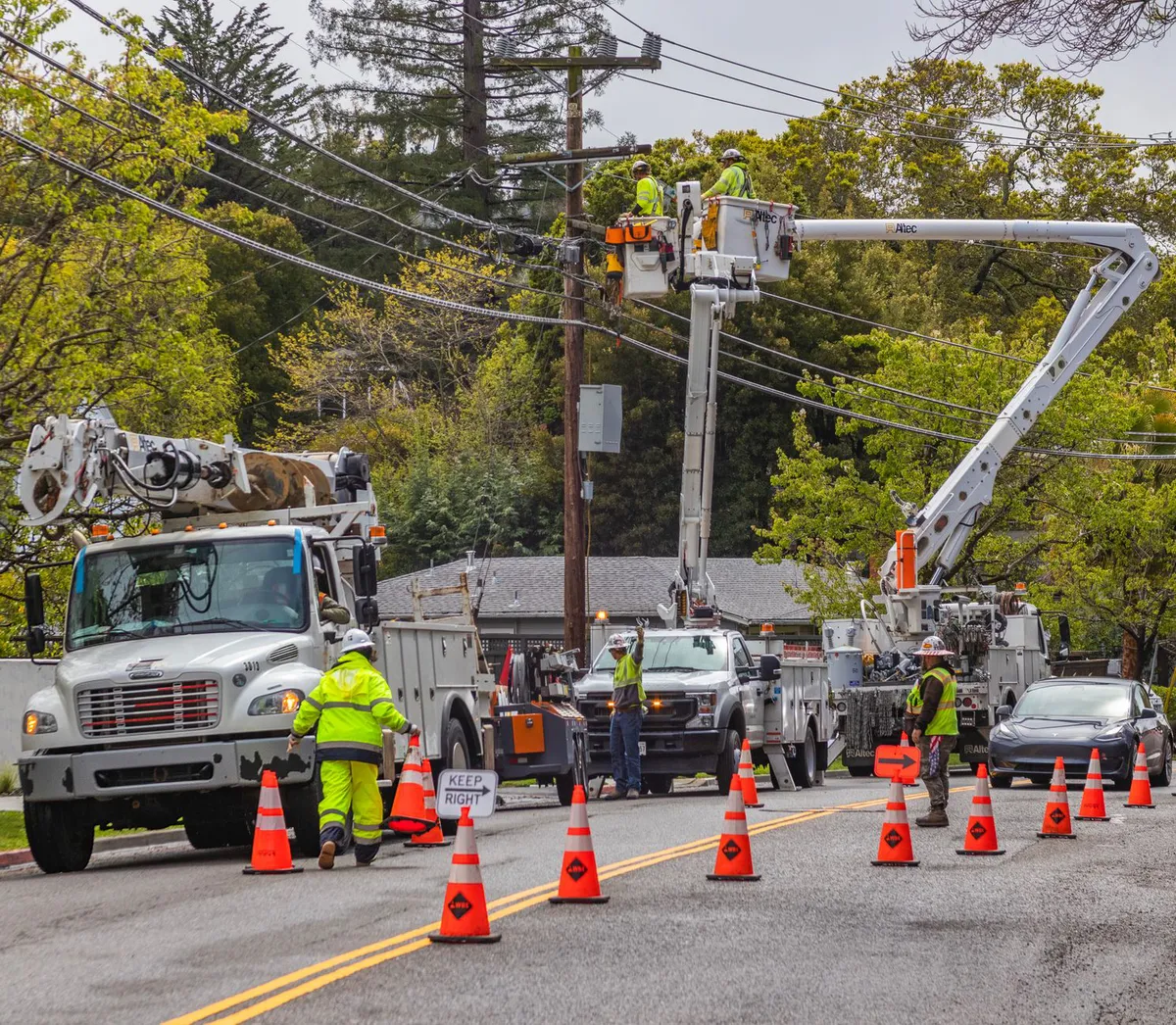
Utilities are now required to develop comprehensive wildfire mitigation plans, which include strategies for vegetation management, equipment inspection, and public awareness campaigns. These measures are essential for minimizing risk and ensuring that communities are better prepared to respond to wildfires. As the landscape of wildfire prevention continues to evolve, it is critical for both utility companies and residents to stay informed about the potential implications of these changes.
Key Takeaways
- SCE's equipment is implicated in the Eaton Fire, leading to extensive lawsuits.
- The legal landscape surrounding utility liability is complex and evolving in California.
- The human toll of the fire extends beyond physical damage, affecting mental health and community stability.
- Regulatory reforms are in motion to enhance wildfire prevention and utility accountability.
Frequently Asked Questions
What caused the Eaton Fire?
The Eaton Fire was primarily caused by electrical arcing events associated with Southern California Edison equipment. This electrical failure occurred on an out-of-service tower situated on a dry hillside, where the arcing ejected hot metal particles that ignited the surrounding vegetation.
How many people were affected by the Eaton Fire?
The Eaton Fire resulted in the tragic loss of 19 lives and left more than 9,000 homes and businesses either destroyed or damaged. The fire burned approximately 14,000 acres, significantly impacting the community of Altadena and surrounding areas.
What constitutes liability in utility wildfire cases?
In California, utility companies can be held liable for wildfire-related damages if it is proven that their equipment was a significant factor in igniting the fire. Acknowledging their equipment's role can significantly influence the outcome of lawsuits filed against them.
What are the implications for insurance coverage after a wildfire?
For victims of wildfires like the Eaton Fire, navigating insurance claims can be challenging. Many homeowners may find that their policies do not cover all damages or losses incurred, leading to financial strain during recovery. Understanding policy details and seeking additional support is crucial for affected individuals.
Comments
The Hartford's Strategic Acquisition of Equitable's Employee Benefits Business
The Hartford is set to acquire Equitable's Employee Benefits division, enhancing its offerings for small and midsized businesses. This strategic move aims to integrate advanced technology and expand their market share in a growing sector.

Related articles




Popular in Business Insurance
- Surging War-Risk Insurance Rates in the Strait of Hormuz: What It Means for Shipping
- Ross & Yerger Insurance Faces Class Action Over Data Breach Allegations
- Sompo Expands U.S. Workers' Compensation Portfolio with Service Insurance Acquisition
- Legal Battle Unfolds Over $1 Million Truck Crash Insurance Payout
- Howden Group's Ambitious Journey Toward IPO and Expansion