Florida Court Upholds $103M Verdict Against Ford for Product Defect
A Florida appeals court has upheld a significant $103 million jury award against Ford Motor Co. related to a 2017 incident involving an exploding Mustang. The ruling highlights the complexities of product liability laws and the implications for manufacturers and consumers alike.
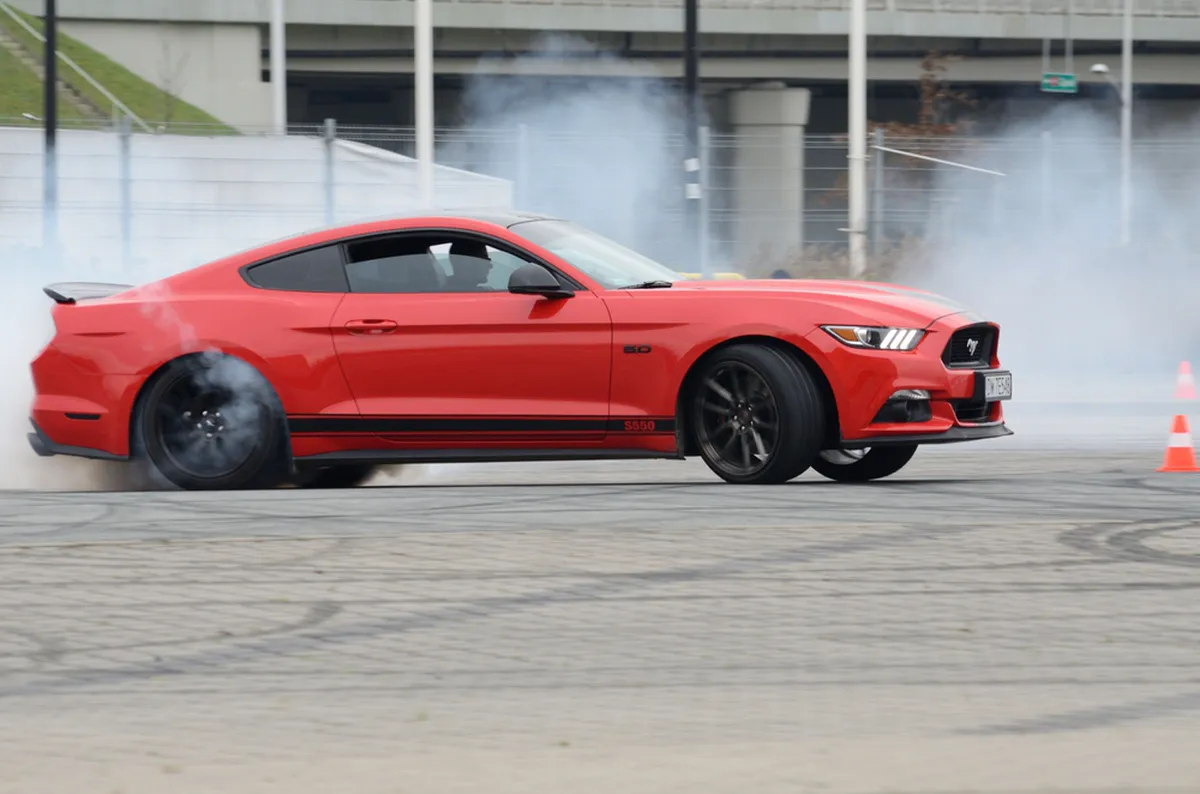
In a landmark decision, a Florida appeals court has upheld a staggering $103 million jury award against Ford Motor Co. This ruling stems from a 2017 incident where a modified Ford Mustang exploded, severely injuring its owner, Robert Hetsler. The case not only underscores the dangers associated with vehicle modifications but also highlights the broader implications of product liability laws, particularly the legal doctrine known as the Cassisi inference.
The court's recent ruling has profound implications for both consumers and manufacturers, as it reinforces the legal framework that governs product defects and liability in Florida. As the automotive industry continues to evolve with advanced technology and customization options, understanding these legal principles becomes increasingly important for all stakeholders involved.
Understanding the Cassisi Inference
The Cassisi inference, established by a 1981 court ruling (Cassisi vs. Maytag), allows a jury to presume a product is defective if it malfunctions during normal use and causes injury. This legal doctrine has been a focal point in numerous product liability cases, particularly in Florida, where it has been cited in various vehicle-related lawsuits.
How the Doctrine Works
Under the Cassisi inference, if a consumer is injured by a product that fails during typical use, the burden of proof shifts to the manufacturer to demonstrate that the product was not defective at the time of sale. This presumption is crucial for plaintiffs, as it can simplify the process of establishing liability in complex cases where the cause of the malfunction is not immediately clear.
Implications for Manufacturers
Manufacturers, including automotive companies like Ford, often challenge the application of the Cassisi inference, arguing it can lead to unjust outcomes. Ford's attorneys contended that the jury should not have been allowed to apply this standard in Hetsler's case, claiming that there was insufficient evidence linking a defect to the explosion. However, the appeals court found their arguments lacking and upheld the jury's decision.

The Incident and Its Aftermath
The incident that triggered this legal battle occurred on a night in 2017, when Hetsler, a lawyer and entrepreneur, purchased a modified 2016 Mustang equipped with enhancements from Roush Performance Co. While parked with the engine idling, the car suddenly exploded, resulting in severe burns that left Hetsler incapacitated for an extended period.
Legal Proceedings
The legal proceedings surrounding this case were extensive, involving over 40,000 pages of documentation. Hetsler's case against Ford was bolstered by expert testimony that examined potential causes of the explosion, although no definitive cause was established. Various theories were proposed, including the possibility of leaking brake fluid igniting a fire.
Ford's Defense Strategies
Ford's legal team attempted to argue that the modifications made by Roush Performance could have contributed to the explosion, suggesting that components were improperly installed, which may have led to a flammable fluid leak. However, the appellate judges dismissed this claim, citing inconsistencies in the defense's narrative and a lack of supporting evidence.
Broader Impacts on Product Liability and Insurance
The ruling in Hetsler's case not only has implications for Ford but also for the entire automotive industry and its insurance landscape. As manufacturers face heightened scrutiny over product safety, the insurance industry must adapt to these evolving legal standards.
Insurance Considerations for Manufacturers
Ford is partially self-insured, covering a certain level of liability before relying on excess and umbrella liability coverage from a variety of insurers. The challenges presented by cases like Hetsler’s could lead to increased premiums and stricter underwriting criteria as insurers seek to mitigate risks associated with product liability claims.
Consumer Protection and Safety
For consumers, this ruling serves as a reminder of the importance of understanding the products they use, particularly when modifications are involved. Awareness of potential risks and the legal protections available under doctrines like Cassisi can empower consumers when making purchasing decisions.
- Understanding Modifications: Vehicle modifications can void warranties and complicate liability claims.
- Legal Protections: The Cassisi inference offers important protections for consumers injured by defective products.
- Insurance Implications: Manufacturers may face increased scrutiny and higher insurance costs as a result of product liability claims.

Key Takeaways
- The Florida appeals court upheld a $103 million verdict against Ford, emphasizing the Cassisi inference.
- The case highlights the complexities of product liability laws and their impact on manufacturers and consumers.
- Insurance considerations will become increasingly important as manufacturers navigate liability risks.

Frequently Asked Questions
What is the Cassisi inference, and how does it work?
The Cassisi inference is a legal doctrine that allows a jury to presume a product is defective if it malfunctions under normal use and causes injury. This shifts the burden of proof to the manufacturer, requiring them to demonstrate that the product was not defective at the time of sale. This doctrine is particularly significant in Florida, where it has been cited in numerous product liability cases.
How does this ruling affect consumers?
The ruling in Hetsler's case reinforces the protections available to consumers under product liability laws. It highlights the importance of understanding the potential risks associated with product modifications and the legal recourse available to those injured by defective products. This case serves as a reminder for consumers to stay informed about their rights and the safety of the products they use.
What are the insurance implications for manufacturers?
Manufacturers like Ford may face increased liability risks as a result of product liability claims. This can lead to higher insurance premiums and stricter underwriting criteria. Insurers will likely focus on the safety records of manufacturers and their products, influencing coverage options and costs in the industry.
Will Ford appeal this decision further?
Following the ruling by the Florida appeals court, Ford has indicated that it may seek further review from the Florida Supreme Court. The company aims to challenge what it perceives as an overly broad interpretation of the Cassisi inference, which could have significant implications for how product liability cases are handled in the state moving forward.
Comments
The Hartford's Strategic Acquisition of Equitable's Employee Benefits Business
The Hartford is set to acquire Equitable's Employee Benefits division, enhancing its offerings for small and midsized businesses. This strategic move aims to integrate advanced technology and expand their market share in a growing sector.

Related articles





Popular in Business Insurance
- Surging War-Risk Insurance Rates in the Strait of Hormuz: What It Means for Shipping
- Ross & Yerger Insurance Faces Class Action Over Data Breach Allegations
- Sompo Expands U.S. Workers' Compensation Portfolio with Service Insurance Acquisition
- Legal Battle Unfolds Over $1 Million Truck Crash Insurance Payout
- Howden Group's Ambitious Journey Toward IPO and Expansion