Spokane Fires: The Growing Wildfire Risk Beyond Traditional Zones
The recent Spokane Complex fires highlight an alarming shift in wildfire risk, affecting areas previously deemed safe. Brokers need to reassess coverage and risk management strategies in light of these changes.
The recent Spokane Complex fires have sent shockwaves through the insurance landscape, marking a pivotal moment for brokers and insurers alike. With over 700 structures destroyed, this devastating event has become Spokane’s most destructive wildfire on record and underscores a troubling trend: the traditional boundaries of wildfire risk are expanding beyond the well-known fire-prone regions like California and Colorado. As urban areas increasingly become engulfed in wildfires, the implications for property insurance and risk management are profound and far-reaching.
In the wake of these fires, it is crucial for brokers working in the Pacific Northwest and other areas not typically associated with high wildfire risk to take heed. The Spokane fires signal that urban firestorms—wildfires that spread rapidly through densely populated areas—are becoming a significant concern. This shift complicates underwriting processes and necessitates a reevaluation of risk assessments in regions that were previously considered safe.
The Spokane Complex Fires: A Case Study
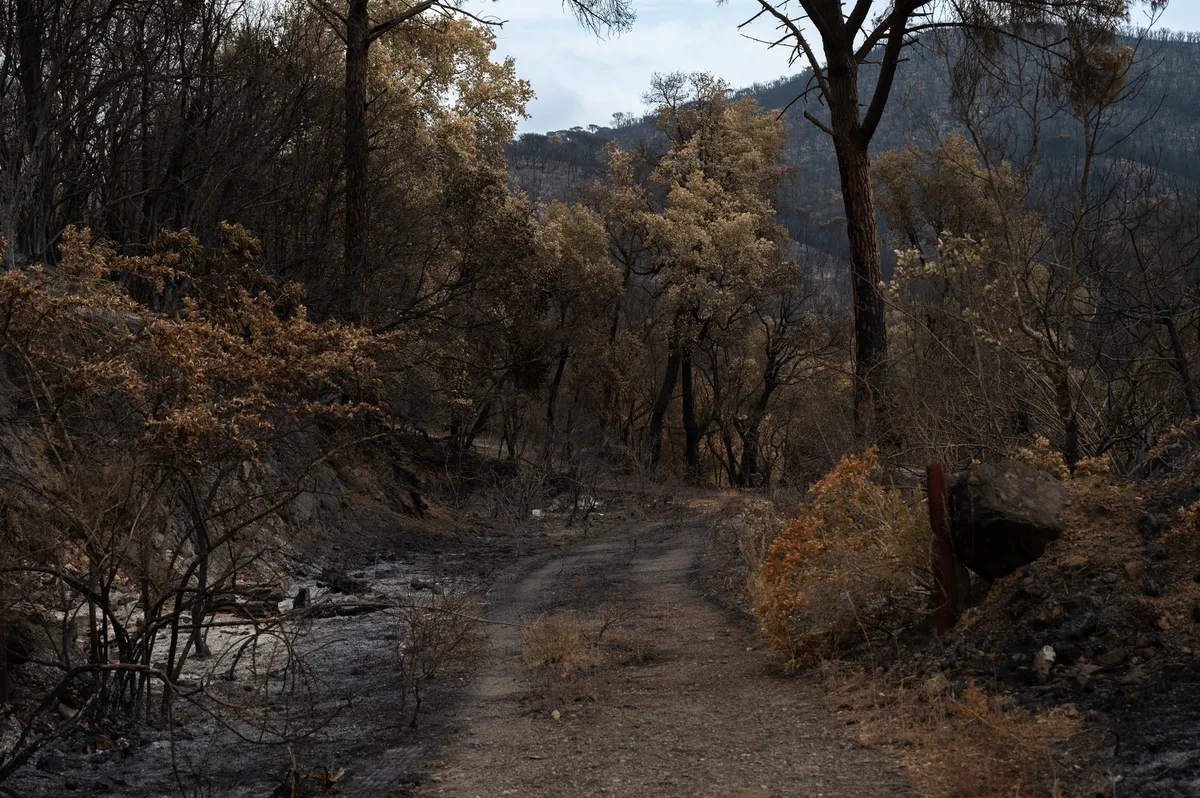
As of early August 2026, the Spokane Complex fires had already burned nearly 10,000 acres, forcing approximately 65,000 residents to evacuate their homes. The scale of destruction surpassed previous records, eclipsing the 1991 fire that destroyed 114 structures and the 2023 Gray Fire that claimed around 240. The Old Trails Fire, part of the complex, was particularly devastating, destroying around 640 structures alone. Furthermore, the involvement of arson in one of the fires adds another layer of complexity to this disaster.
Emerging Patterns in Urban Firestorms
The Spokane fires represent the third significant instance of wildland fire transitioning into an urban firestorm since 2020, following similar catastrophes in Colorado and California. Unlike typical wildland fires that primarily affect forested areas, urban firestorms leverage densely populated neighborhoods as their fuel source. This shift in fire dynamics means that urban areas, especially those adjacent to wildlands, are now at risk of catastrophic fire events.
These developments have far-reaching implications for the insurance market. Brokers must rethink their approach to underwriting and risk assessment, recognizing that wildfire exposure now extends to regions that were once considered low-risk. The reality is that the risk landscape is changing, and insurers must adapt accordingly.
The Rising Cost of Wildfires and Insurance Implications
Following the January 2025 Southern California fires, which resulted in a staggering $40 billion in insured losses, insurers across the country began to tighten their underwriting criteria. The share of total insured catastrophe losses attributed to wildfires has surged from approximately 1% before 2015 to around 7% today, as reported by Swiss Re. In just the first half of 2026, over 35,000 fires burned more than three million acres across the United States, far exceeding the 10-year averages.
In light of these statistics, brokers operating in the Pacific Northwest should brace for increased scrutiny from carriers regarding property risks in urban-adjacent wildland areas. This could manifest in several ways:
- Tighter underwriting standards: Insurers may require more detailed assessments of wildfire risk in previously low-risk areas.
- New wildfire-specific deductibles: Policies may introduce unique deductibles for wildfire-related claims, impacting overall costs for homeowners.
- Coverage restrictions: Areas that have not faced wildfire-specific limitations may soon find their coverage options restricted.

Addressing Underinsurance: A Critical Step
One of the most pressing issues following major wildfire events is the gap between insurance payouts and the actual costs of rebuilding. Homeowners often find that their insurance coverage does not align with current construction costs, leaving them underinsured in the wake of a disaster. This pattern was notably seen after both the 2025 California fires and the 2021 Colorado fires, where many displaced homeowners struggled with insufficient funds to rebuild.
Brokers with clients in wildfire-affected areas have a unique opportunity to proactively address this issue. By reviewing dwelling coverage limits, additional living expenses (ALE) sublimits, and ensuring that coverage reflects current construction costs, brokers can help clients avoid the devastating effects of underinsurance. Waiting until a claim arises can leave homeowners in a precarious position, struggling to piece together the financial resources needed to recover.
Auto Insurance: A Related Blind Spot
In addition to property risks, brokers must also consider the implications for automobile insurance. Comprehensive coverage—an optional part of a standard auto policy that protects against fire and other hazards—is only carried by about 75% of U.S. drivers, according to Triple-I. This statistic highlights a significant gap, particularly for vehicle owners affected by the Spokane fires, many of whom may find themselves without coverage for fire-related damages to their vehicles.
For brokers, it is essential to initiate conversations with clients about their auto coverage and ensure they understand the importance of comprehensive protection. As wildfire risk continues to expand, vehicle owners must not overlook the potential financial implications of inadequate coverage.

Rethinking Wildfire Risk Assessment
Even for brokers without direct exposure in Washington or the Pacific Northwest, the Spokane fires serve as a critical case study. They illustrate that wildfire risk cannot be confined to a select few high-risk states; it is a national issue that requires attention. As carriers recalibrate their approach to assessing wildfire risk, brokers who take the initiative to review coverage limits and communicate the evolving risk landscape to their clients will be better positioned to serve them effectively.
In summary, the Spokane Complex fires are a wake-up call for brokers and the insurance industry at large. With the risk of wildfires encroaching into urban environments, there is an urgent need to reassess coverage options, underwriting practices, and client communication strategies. The future of effective risk management lies in proactive engagement and adaptability in the face of a changing climate.
Key Takeaways
- The Spokane fires highlight a troubling trend: wildfire risk is expanding into urban areas.
- Brokers must reassess coverage and underwriting practices in light of these developments.
- Underinsurance is a critical issue that needs proactive attention from brokers.
- Comprehensive auto coverage is essential for vehicle owners in wildfire-prone areas.
- The evolving wildfire risk landscape necessitates ongoing client communication and education.
Frequently Asked Questions
What are urban firestorms, and why are they a growing concern?
Urban firestorms occur when wildfires spread rapidly through densely populated areas, using residential structures as fuel. They are a growing concern due to the increasing prevalence of wildfires encroaching upon urban environments, as seen in the Spokane fires. This trend shifts risk assessments, necessitating brokers to reconsider underwriting strategies and coverage options in regions that were previously deemed low-risk.
How can homeowners ensure they are not underinsured after a wildfire?
To avoid underinsurance, homeowners should proactively review their dwelling coverage limits and additional living expenses (ALE) sublimits. It is crucial to ensure that their policies reflect current construction costs. Brokers can assist by conducting thorough assessments and helping clients adjust their coverage as needed to prevent financial shortfalls following a disaster.
What steps should brokers take to address the rising wildfire risk?
Brokers should begin by reassessing their clients’ coverage options in light of the changing wildfire risk landscape. This includes reviewing property and auto insurance policies, discussing the importance of comprehensive coverage, and educating clients about the implications of underinsurance. Proactive communication and risk management strategies are essential to navigating this evolving environment.
Why is comprehensive auto coverage important for drivers in wildfire-prone areas?
Comprehensive auto coverage protects vehicle owners from damages caused by fire, among other hazards. Given that many drivers in wildfire-prone areas lack this coverage, they may face significant financial losses if their vehicles are damaged in a wildfire. Brokers should emphasize the importance of comprehensive coverage to their clients, particularly as wildfire risks continue to rise.
Comments
The Hartford's Strategic Acquisition of Equitable's Employee Benefits Business
The Hartford is set to acquire Equitable's Employee Benefits division, enhancing its offerings for small and midsized businesses. This strategic move aims to integrate advanced technology and expand their market share in a growing sector.

Related articles


Popular in Business Insurance
- Surging War-Risk Insurance Rates in the Strait of Hormuz: What It Means for Shipping
- Ross & Yerger Insurance Faces Class Action Over Data Breach Allegations
- Sompo Expands U.S. Workers' Compensation Portfolio with Service Insurance Acquisition
- Legal Battle Unfolds Over $1 Million Truck Crash Insurance Payout
- Howden Group's Ambitious Journey Toward IPO and Expansion