Cybersecurity Crisis: Hedge Funds Under Siege from Sophisticated Attacks
Recent cyberattacks targeting major hedge funds reveal a growing threat landscape where hackers increasingly utilize advanced technologies. This wave of attacks underscores the urgent need for enhanced cybersecurity measures in the financial sector.
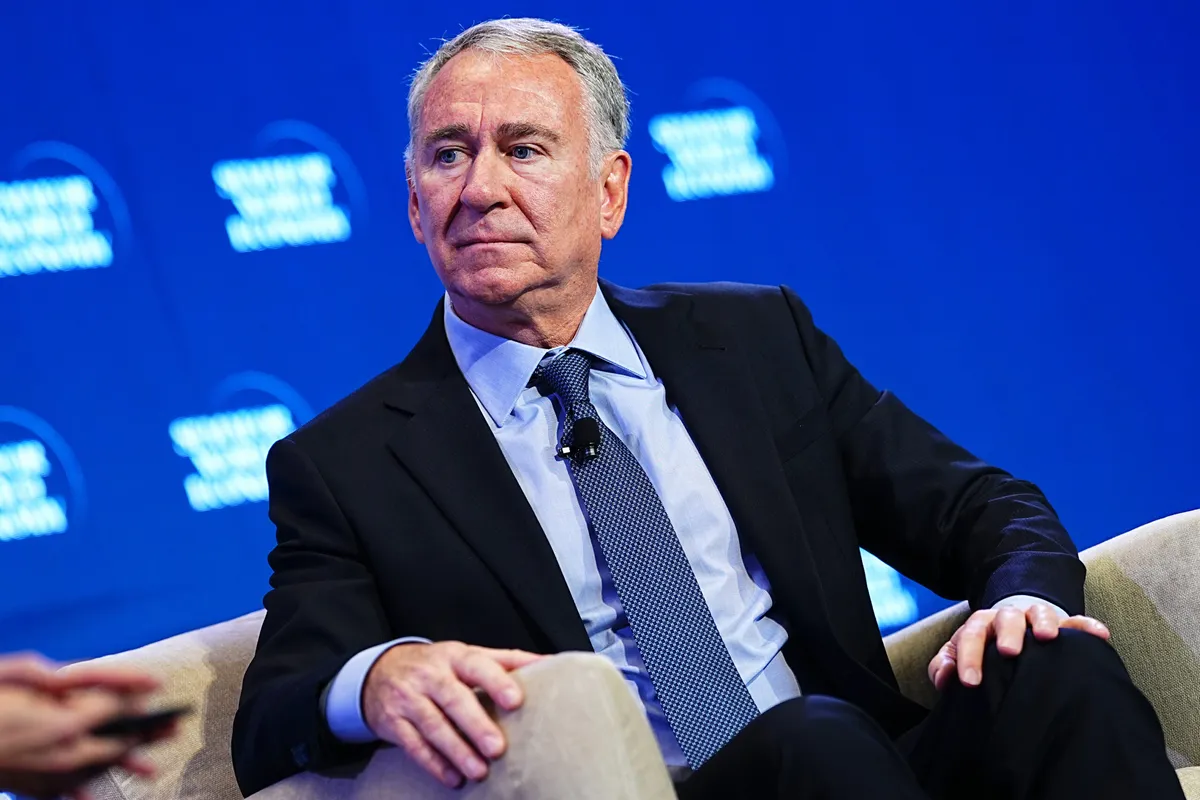
In an alarming trend that underscores the vulnerabilities within the financial sector, major hedge funds have recently been subjected to a series of sophisticated cyberattacks. These breaches are not only a wake-up call for Wall Street firms but also highlight the evolving tactics employed by cybercriminals, particularly the use of voice phishing, or vishing. The implications of these attacks reach far beyond the immediate financial losses, threatening the integrity of the entire financial system.
The wave of attacks began with Point72 Asset Management, a prominent hedge fund, notifying its investors of a cyber incident that, while initially appearing to leave client information intact, revealed the precarious state of cybersecurity in the financial industry. This incident was part of a broader campaign that also targeted other major firms such as Millennium Management, Two Sigma Investments, and Citadel. Each of these firms faced attempts to infiltrate their information systems, showcasing the extensive reach and ambition of the attackers.
Understanding the Threat: Vishing and Its Dangers
Vishing has emerged as a particularly insidious threat in the cybersecurity landscape, leveraging technology to replicate voices in order to deceive employees into divulging sensitive information. By mimicking familiar voices, attackers exploit the inherent trust that exists in workplace communications. For instance, a hacker could use AI to create a convincing imitation of a CEO's voice, thereby gaining access to confidential data or systems simply by making a phone call.
The Mechanics of Vishing
The mechanics of vishing involve several steps:
- Voice Mimicking: Using AI-driven technology to replicate a person's voice, tone, and mannerisms.
- Target Identification: Cybercriminals often research their targets to enhance credibility.
- Information Extraction: The ultimate goal is to trick employees into providing access codes, sensitive data, or financial information.
As demonstrated by the incidents at Point72 and Two Sigma, even firms with robust cybersecurity measures are not immune to these techniques. Two Sigma, which manages approximately $75 billion in assets, reported that their security team effectively thwarted the attempted vishing attack without any breach of data or systems. This incident illustrates how crucial rapid response and sophisticated security protocols are in the face of evolving threats.
The Broader Cybersecurity Landscape
Cybersecurity breaches in the financial sector have surged dramatically over the past year. Industry experts attribute this increase to advancements in artificial intelligence that enable attackers to execute more sophisticated and widespread campaigns at a fraction of the cost previously required. Vinod Paul, president of Align Managed Services, noted that the capabilities of modern AI allow hackers to target hundreds, if not thousands, of entities simultaneously, significantly amplifying the scale and impact of their operations.
The Role of Regulatory Bodies
The Financial Industry Regulatory Authority (FINRA) has been proactive in addressing these threats by enhancing communication and coordination among its member firms. The establishment of the Financial Intelligence Fusion Center in March is a direct response to the growing sophistication of cyber threats. This secure platform allows for the sharing of intelligence about fraud threats, enabling firms to better prepare for potential breaches.
Implications for Financial Services
The ramifications of these cyberattacks extend beyond individual firms; they pose a risk to the stability of financial markets that handle trillions of dollars in transactions daily. A successful breach could potentially compromise sensitive client information, disrupt trading operations, and erode trust in financial institutions.
Preparing for the Inevitable: Enhanced Cybersecurity Measures
In light of these threats, hedge funds and other financial institutions must prioritize cybersecurity. This includes not only investing in advanced security technologies but also fostering a culture of cybersecurity awareness among employees. Training programs that educate staff on identifying phishing attempts and other social engineering tactics are critical components of a comprehensive security strategy.
Key Strategies for Hedge Funds
To safeguard against potential cyber threats, hedge funds should consider implementing the following strategies:
- Regular Security Audits: Conduct frequent assessments of security protocols to identify vulnerabilities.
- Employee Training: Provide ongoing training to help employees recognize and respond to phishing attempts.
- Incident Response Plans: Develop and regularly update incident response plans to ensure a swift reaction to breaches.
- Invest in Technology: Use advanced technologies like AI-based detection systems to identify and mitigate threats proactively.
As Will Wilson, CEO of Antithesis, pointed out, the financial sector must “level up” its cybersecurity defenses, or risk falling victim to increasingly sophisticated attacks. The commoditization of hacking tools has lowered the barrier to entry for cybercriminals, making it essential for financial institutions to stay ahead of the curve.

Key Takeaways
- Major hedge funds have faced a recent wave of cyberattacks, primarily utilizing vishing tactics.
- The rise of AI has enabled cybercriminals to launch attacks at a larger scale than ever before.
- Regulatory bodies like FINRA are increasing efforts to facilitate communication and intelligence sharing among firms.
- Hedge funds must invest in cybersecurity training and technologies to protect sensitive information.
Frequently Asked Questions
What is vishing and how does it work?
Vishing, or voice phishing, is a technique used by cybercriminals to deceive individuals into providing sensitive information over the phone. Attackers use technology to mimic the voice of someone the target knows, such as a supervisor or colleague, increasing the likelihood that the target will trust the call and divulge confidential information. This method exploits the social trust inherent in personal communications, making it particularly dangerous.
How are hedge funds responding to these cyber threats?
In response to the increasing number of cyber threats, hedge funds are ramping up their cybersecurity measures. This includes investing in advanced technology to detect and prevent breaches, conducting regular security audits, and training employees to recognize phishing attempts. Firms are also collaborating more closely with regulatory bodies to stay informed about emerging threats and best practices for safeguarding their operations.
What can individuals do to protect themselves from vishing attacks?
Individuals can protect themselves from vishing attacks by being vigilant about unsolicited phone calls, especially those requesting sensitive information. It's essential to verify the identity of the caller by using known contact numbers rather than returning calls to numbers provided by the caller. Additionally, being aware of common vishing tactics can help individuals recognize potential threats.
Comments
Navigating the Sale of Your Insurance Agency: Key Questions to Consider
Selling an insurance agency can be a complex decision. Here are crucial questions to ask before making the leap, ensuring you maintain authority and client relationships post-sale.

Related articles







Popular in Business Insurance
- Surging War-Risk Insurance Rates in the Strait of Hormuz: What It Means for Shipping
- Ross & Yerger Insurance Faces Class Action Over Data Breach Allegations
- Sompo Expands U.S. Workers' Compensation Portfolio with Service Insurance Acquisition
- Legal Battle Unfolds Over $1 Million Truck Crash Insurance Payout
- Howden Group's Ambitious Journey Toward IPO and Expansion