The Rising Tide of Foodborne Illness Outbreaks: Impact on Restaurant Chains
Foodborne illness outbreaks are wreaking havoc on U.S. restaurant chains, leading to recalls, lawsuits, and increased regulatory scrutiny. This article examines recent incidents, their implications, and the importance of food safety practices.

In recent years, foodborne illness outbreaks have emerged as a formidable threat to the U.S. restaurant industry, ensnaring several well-known chains in a web of recalls, lawsuits, and increased scrutiny from regulatory bodies. As public health authorities investigate these outbreaks, the ramifications extend beyond immediate health concerns, affecting customer traffic, sales, and, ultimately, a restaurant's reputation. This article delves into the complexities of these outbreaks, their business impact, and the lessons that both consumers and restaurateurs can learn about food safety.
On August 4, 2026, Chipotle Mexican Grill announced the removal of jalapeños from its menu across Minnesota and other locations after these peppers were implicated in a salmonella outbreak that has sickened 345 individuals across 27 states. This incident is one in a series of foodborne illness issues that has plagued Chipotle, raising alarms about the chain's food safety protocols and customer trust. At the same time, Taco Bell is grappling with a cyclosporiasis outbreak linked to iceberg lettuce, with significant health implications, including two reported deaths in Michigan. Such outbreaks not only pose a risk to public health but also threaten the financial stability of these restaurant chains.
Understanding Foodborne Illness Outbreaks
Foodborne illnesses are caused by consuming contaminated food or beverages, often resulting from bacteria, viruses, or parasites. The Centers for Disease Control and Prevention (CDC) estimates that each year, 48 million Americans, or about 1 in 6, become ill from foodborne diseases. These outbreaks can stem from various sources, including improper food handling, inadequate cooking, cross-contamination, and contaminated ingredients.
The Role of Regulatory Agencies
The Food and Drug Administration (FDA) and the CDC play crucial roles in investigating foodborne outbreaks. When cases arise, these agencies collaborate with state and local health departments to trace the source of the contamination, often leading to product recalls and public advisories. For restaurant chains, this means immediate action is necessary to safeguard public health and minimize operational disruptions.
Recent Outbreaks: A Closer Look
Recent outbreaks have highlighted the vulnerabilities of various restaurant chains in the U.S. Here’s a summary of notable incidents:
- August 2026 - Chipotle Mexican Grill: A salmonella outbreak linked to jalapeño peppers led to a recall affecting multiple states.
- July 2026 - Taco Bell: An outbreak of cyclosporiasis tied to iceberg lettuce resulted in the largest recorded outbreak in the U.S., with over 12,000 reported cases.
- February 2025 - Listeria Outbreak: Linked to Lyons ReadyCare and Sysco Imperial products, this outbreak caused a significant recall of frozen supplemental shakes.
- October 2024 - McDonald’s: An E. coli outbreak prompted McDonald’s to cease serving slivered onions, impacting customer trust and sales.
- August 2022 - Wendy’s: An E. coli outbreak was traced back to the chain, causing a temporary withdrawal of romaine lettuce from menus in affected areas.

The Business Impacts of Outbreaks
The business ramifications of foodborne illness outbreaks can be severe and long-lasting. Financial analysts have observed that the impact of these incidents can vary significantly across different restaurant chains. For instance, while TD Cowen reported that McDonald's food safety issues in late 2024 had a muted impact on sales, Chipotle has faced more severe repercussions from past outbreaks, often resulting in a steep decline in customer traffic and brand loyalty.
Case Studies: Financial Fallout
1. **Chipotle Mexican Grill:** After a series of E. coli outbreaks in 2015, Chipotle experienced a sharp decline in sales, with revenue falling by 30% in the following quarters. The chain has since implemented stricter food safety protocols, yet lingering concerns continue to affect its brand.
2. **Jack in the Box:** The infamous E. coli outbreak in 1993 resulted in the deaths of four children and sickened more than 700 people. The backlash was swift, leading to a major overhaul of food safety regulations in the fast food industry and a significant drop in sales for Jack in the Box.
Enhancing Food Safety Protocols
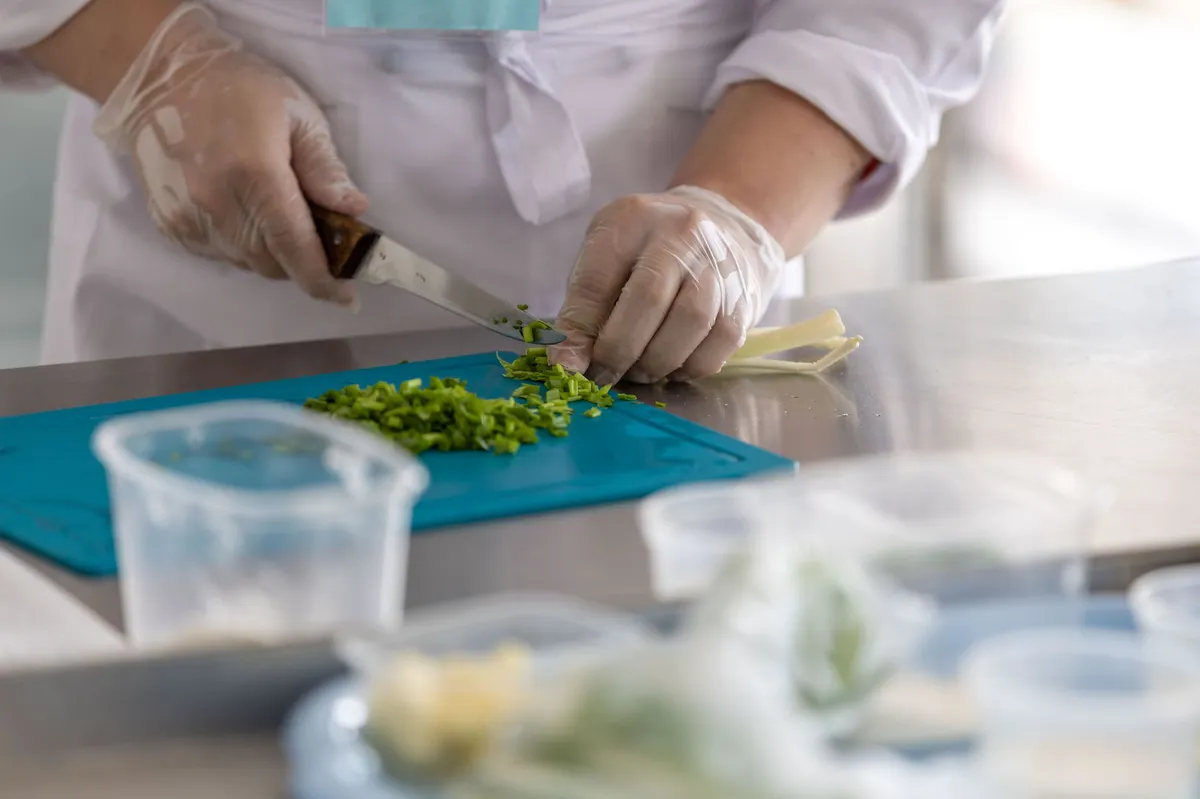
The recurring nature of these outbreaks underscores the urgency for restaurant chains to enhance their food safety protocols. Comprehensive training for staff, regular inspections, supplier audits, and robust food handling procedures are essential steps in preventing contamination.
Best Practices for Restaurants
- Employee Training: Implement regular training sessions on food safety practices, emphasizing the importance of hygiene and proper food handling.
- Supplier Audits: Conduct thorough vetting of suppliers to ensure they comply with safety standards and regulations.
- Regular Inspections: Schedule frequent internal inspections to identify and rectify potential food safety hazards.
- Consumer Transparency: Communicate openly with customers about food sourcing and safety practices to build trust.
Key Takeaways
- Foodborne illness outbreaks have significant health and economic implications for restaurant chains.
- Timely and transparent communication with the public is crucial during an outbreak.
- Implementing stringent food safety protocols can help mitigate risks and protect the brand.
- Regulatory agencies play a vital role in investigating and managing foodborne outbreaks.
- Consumer awareness of food safety can influence dining choices and brand loyalty.
Frequently Asked Questions
What are the most common causes of foodborne illnesses?
Foodborne illnesses can be caused by a variety of pathogens, including bacteria like Salmonella, E. coli, and Listeria, as well as viruses like Norovirus and parasites such as Cyclospora. Contamination can occur during any stage of food processing, from farm to table, and is often linked to poor hygiene practices, cross-contamination, or improper cooking temperatures.
How can consumers protect themselves from foodborne illnesses when dining out?
Consumers can minimize their risk of foodborne illnesses by choosing reputable restaurants known for their cleanliness and food safety practices. It's advisable to look for establishments that visibly maintain high hygiene standards, such as clean dining areas and well-organized kitchens. Additionally, diners should be cautious when consuming raw or undercooked foods and should ask about ingredient sourcing when in doubt.
What should a restaurant do if a foodborne illness outbreak occurs?
In the event of a foodborne illness outbreak, a restaurant should act swiftly by cooperating with health authorities to identify the source of the contamination. This includes recalling affected menu items, communicating transparently with customers, and implementing corrective measures to prevent future occurrences. It’s also imperative to document all actions taken during the outbreak for legal and regulatory compliance.
What are the long-term effects of foodborne illness outbreaks on restaurant chains?
Long-term effects can include a decline in customer trust and loyalty, which may take years to rebuild. Financial impacts can lead to decreased sales, potential lawsuits, and increased insurance costs. Furthermore, repeated outbreaks can result in heightened scrutiny from regulators, leading to more rigorous inspections and potential fines, which can threaten the sustainability of a restaurant chain.
Comments
Explosive Drone Found at German Airport Sparks Aviation Security Concerns
A drone rigged with explosives was discovered near Leipzig/Halle Airport, raising alarms about aviation security in Europe. This incident reveals evolving threats and challenges for insurers and airport authorities.
Related articles






Popular in Business Insurance
- Surging War-Risk Insurance Rates in the Strait of Hormuz: What It Means for Shipping
- Ross & Yerger Insurance Faces Class Action Over Data Breach Allegations
- Sompo Expands U.S. Workers' Compensation Portfolio with Service Insurance Acquisition
- Legal Battle Unfolds Over $1 Million Truck Crash Insurance Payout
- Howden Group's Ambitious Journey Toward IPO and Expansion