DuPont's Asset Shuffle: A Legal Battle Over PFAS Liability
California challenges DuPont over alleged asset transfers to evade PFAS claims. The implications for insurers and corporate liability structures are profound.
The legal landscape surrounding per- and polyfluoroalkyl substances (PFAS)—often referred to as "forever chemicals" due to their persistence in the environment—has shifted dramatically in recent years. Recently, California's Attorney General Rob Bonta intensified scrutiny on DuPont, alleging the corporation orchestrated a series of asset transfers designed specifically to shield its finances from claims related to decades of PFAS contamination. This situation not only highlights the ongoing environmental health crisis linked to these chemicals but also raises pivotal questions regarding corporate responsibility, insurance liabilities, and the mechanisms available for accountability in the face of mass tort claims.
In an amended complaint filed in the multidistrict litigation concerning aqueous film-forming foam (AFFF), Bonta aims to freeze proceeds from asset sales associated with DuPont's operations prior to its merger with Dow in 2017. This legal action seeks to protect the interests of creditors and claimants pursuing compensation for the environmental damage caused by PFAS, which have been linked to serious health issues, including kidney and liver damage, immune system effects, and reproductive problems. The stakes are high, as the outcome of this case could reshape the corporate landscape regarding liability for environmental contaminants.

Understanding the Allegations Against DuPont
The allegations put forth by Bonta's office are both serious and complex. The complaint accuses DuPont of engaging in fraudulent conveyance, a legal term that refers to the transfer of assets with the intent to hinder, delay, or defraud creditors. Specifically, the complaint claims that DuPont and its subsidiaries, including Corteva and Chemours, conspired to transfer rights to PFAS-related insurance proceeds from Chemours—an entity spun off in 2015—back to DuPont and Corteva for a price significantly below their estimated value.
Bonta's assertion that these transactions were executed to evade financial obligations raises critical concerns about the integrity of corporate asset management practices. If proven, these actions could have far-reaching implications not just for DuPont, but also for other companies facing similar environmental liability claims.
The Broader Implications of Corporate Structure
The case against DuPont is part of a broader trend in which corporations are increasingly utilizing complex legal structures to mitigate financial risks associated with liability claims. This phenomenon has been observed across various industries, particularly in the context of mass torts. For instance, 3M's Aearo Technologies attempted a similar maneuver known as the "Texas Two-Step," where liabilities were transferred to a new entity that subsequently filed for bankruptcy. However, this strategy was met with legal challenges, highlighting the precarious nature of such corporate restructuring tactics.
As companies like DuPont and 3M navigate these legal waters, insurers and risk managers are left to grapple with the implications for liability coverage. The question remains: Which entity will ultimately be held accountable for the massive financial obligations arising from PFAS contamination?
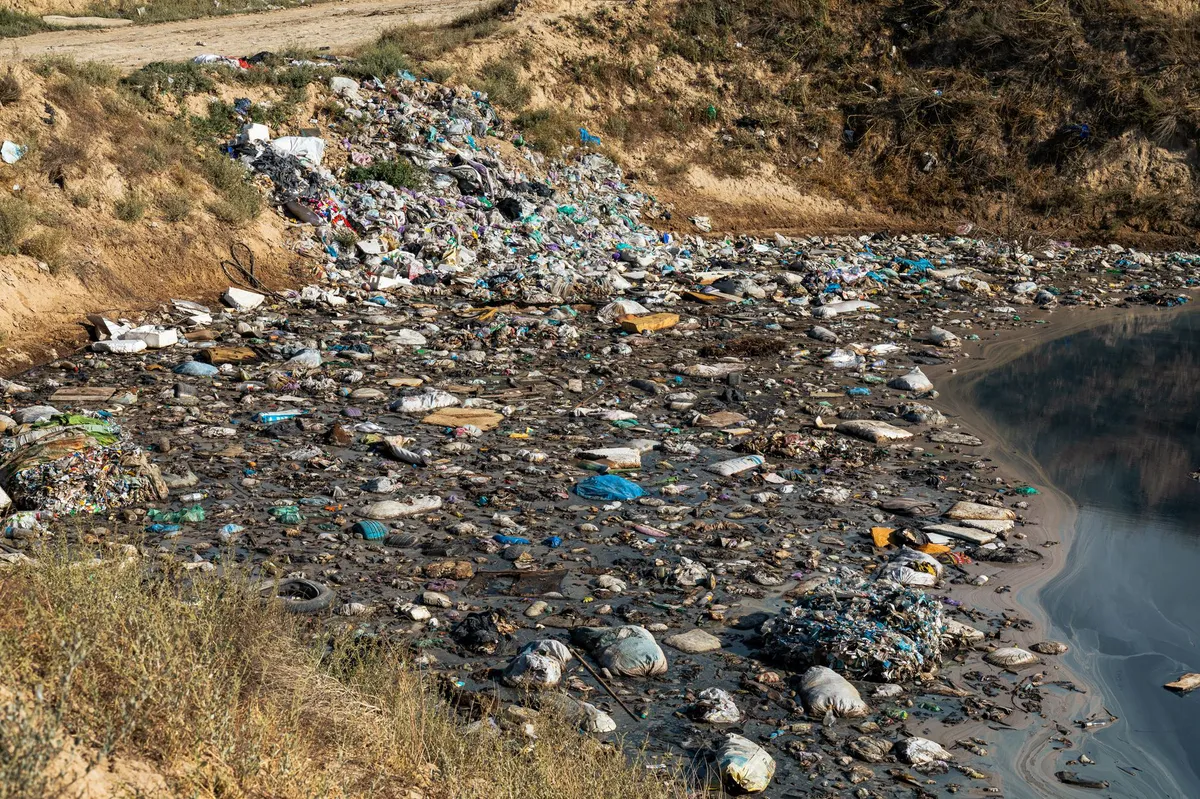
The Health Risks Associated with PFAS
PFAS chemicals have become notorious for their adverse health effects, which have led to widespread public concern and regulatory scrutiny. Research has linked these substances to various health issues, prompting the Environmental Protection Agency (EPA) to take action against manufacturers of PFAS-containing products. The health risks are particularly alarming given the widespread use of PFAS in everyday products such as firefighting foam, non-stick cookware, and stain-resistant fabrics.
Some of the most significant health impacts associated with PFAS exposure include:
- Kidney and liver damage: Long-term exposure to PFAS can lead to liver dysfunction and kidney disease.
- Immune system effects: PFAS exposure has been linked to reduced immune response, which may increase susceptibility to infections.
- Reproductive issues: Studies have indicated that PFAS can affect fertility and fetal development, raising concerns for pregnant individuals.
Given these health risks, the push for accountability from corporations like DuPont becomes increasingly important. The legal ramifications of PFAS contamination extend beyond financial settlements; they also encompass the ethical responsibility of companies to protect public health.

The Path to Accountability: What’s Next for DuPont?
The litigation against DuPont represents a significant development in the ongoing battle over PFAS liability. As the case unfolds, several key factors will likely influence its trajectory:
- Legal Precedents: The outcomes of similar cases may establish important legal precedents regarding the responsibility of corporations for environmental damage.
- Insurance Coverage Scrutiny: The litigation will prompt insurers to reevaluate their coverage policies in light of potential liabilities related to PFAS contamination.
- Regulatory Changes: Increased public awareness and legal action may drive regulatory changes that further restrict the use of PFAS and enhance corporate accountability.
Should Bonta succeed in freezing DuPont's asset-sale proceeds, it could set a powerful precedent for future PFAS litigation. The implications for indemnification chains across the corporate landscape may lead to renewed pressure on insurance carriers to clarify their exposure within these complex corporate structures.
Key Takeaways
- California's lawsuit against DuPont highlights allegations of asset transfers to evade PFAS liability.
- The health risks associated with PFAS exposure are significant, prompting regulatory scrutiny.
- Corporate restructuring tactics are increasingly under scrutiny for their impact on liability claims.
- The outcomes of this litigation could influence future corporate practices and insurance coverage policies.
Frequently Asked Questions
What are PFAS, and why are they a concern?
PFAS, or per- and polyfluoroalkyl substances, are a group of man-made chemicals used in various industrial applications and consumer products. They are concerning because they do not break down in the environment, leading to accumulation in water supplies and human bodies. Long-term exposure to PFAS has been linked to several serious health issues, including cancer, liver damage, and reproductive problems.
What does fraudulent conveyance mean in this context?
Fraudulent conveyance refers to a legal claim that an asset transfer was made with the intent to hinder, delay, or defraud creditors. In the case against DuPont, California's Attorney General argues that the company structured asset transfers to protect its financial interests at the expense of those seeking compensation for PFAS-related damages.
How might this case impact insurance companies?
This case may prompt insurance companies to reassess their coverage strategies in light of potential liabilities associated with PFAS contamination. If DuPont is found liable, it could lead insurers to revisit their underwriting processes and adjust premiums or coverage limits for similar risks, potentially reshaping the landscape of liability insurance for environmental contaminants.
What are the potential outcomes of this litigation?
The litigation could result in a variety of outcomes, including a freeze on DuPont's asset sales, financial penalties, or mandated changes to corporate practices regarding PFAS. Additionally, it may set important legal precedents for future PFAS litigation, influencing how corporations manage environmental liabilities and how insurers approach coverage for such risks.
Comments
Explosive Drone Found at German Airport Sparks Aviation Security Concerns
A drone rigged with explosives was discovered near Leipzig/Halle Airport, raising alarms about aviation security in Europe. This incident reveals evolving threats and challenges for insurers and airport authorities.

Related articles







Popular in Business Insurance
- Surging War-Risk Insurance Rates in the Strait of Hormuz: What It Means for Shipping
- Ross & Yerger Insurance Faces Class Action Over Data Breach Allegations
- Sompo Expands U.S. Workers' Compensation Portfolio with Service Insurance Acquisition
- Legal Battle Unfolds Over $1 Million Truck Crash Insurance Payout
- Howden Group's Ambitious Journey Toward IPO and Expansion