Explosive Drone Found at German Airport Sparks Aviation Security Concerns
A drone rigged with explosives was discovered near Leipzig/Halle Airport, raising alarms about aviation security in Europe. This incident reveals evolving threats and challenges for insurers and airport authorities.
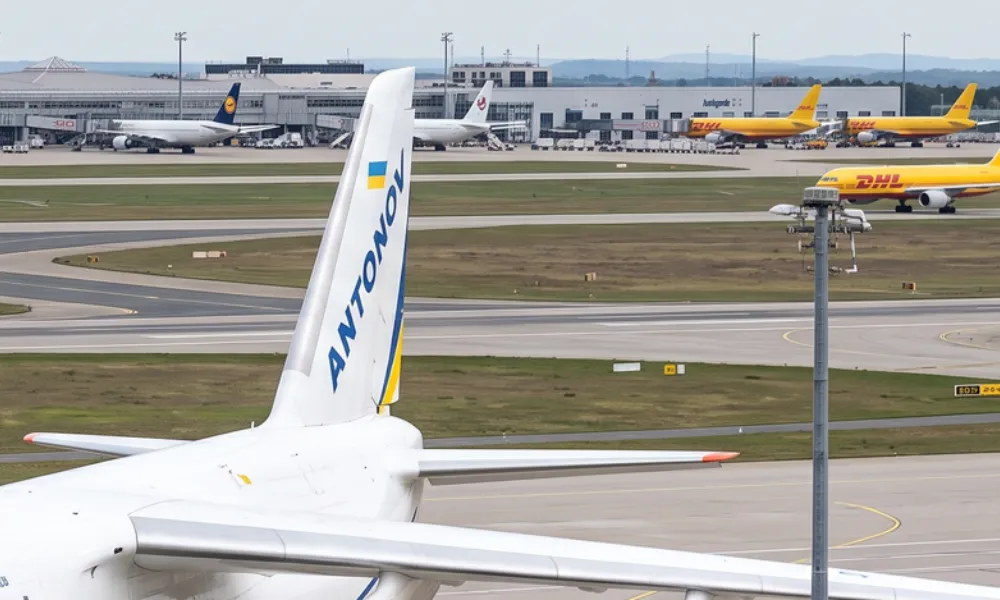
The recent discovery of an explosive drone at Leipzig/Halle Airport in Germany has ignited serious concerns about the safety and security of aviation across Europe. This shocking incident, which involved a drone armed with Semtex and PETN explosives, underscores a troubling trend of increasing threats to air travel. German Interior Minister Alexander Dobrindt described the situation as representing "a new quality of danger" for European aviation, prompting a swift response from authorities and raising questions about the implications for aviation security and insurance.
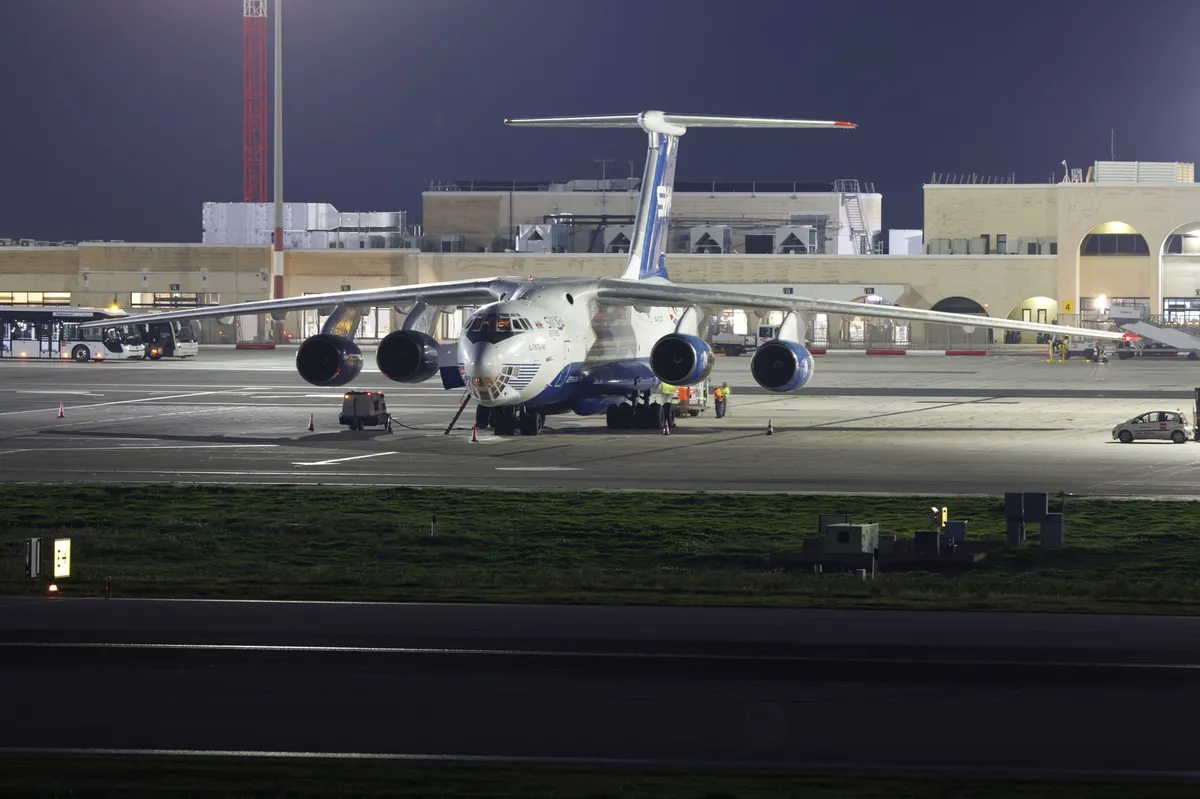
The drone was found parked beside a Ukrainian Antonov cargo aircraft late Tuesday night, leading to immediate investigations and heightened security measures at the airport. In a separate incident, an unidentified object struck another cargo plane that had to abort its landing, resulting in minor damage. Thankfully, the aircraft managed to divert safely to Hannover, approximately 125 miles away, but the sequence of events has left many questioning the security protocols in place at airports.

The Implications of Drone Threats on Aviation Security
This event is not an isolated incident; rather, it is part of a growing pattern of drone-related threats in Europe. Recent reports have linked various drone incursions and sabotage attempts to Russia, particularly in light of geopolitical tensions stemming from the ongoing conflict in Ukraine. Ukraine's ambassador to Germany, Oleksii Makeiev, suggested that Russia might be behind the drone incident, although German officials have not officially attributed blame.
As aviation authorities scramble to understand the motives and potential links behind these incidents, a crucial question looms: what can be done to enhance the security of airports and aircraft against such threats? The German authorities have acknowledged that the airport was temporarily closed while they assessed the situation. However, the mere presence of armed drones at airports signifies a significant shift in the types of risks that the aviation sector must contend with.
Understanding the Drone's Explosive Threat
The drone discovered at Leipzig/Halle Airport was reportedly rigged with Semtex and PETN, two powerful explosives often associated with military and high-stakes sabotage operations. Semtex is a plastic explosive that is highly effective and difficult to detect, making it a preferred choice for covert operations. PETN, on the other hand, is known for its high detonation velocity, rendering it extremely lethal.
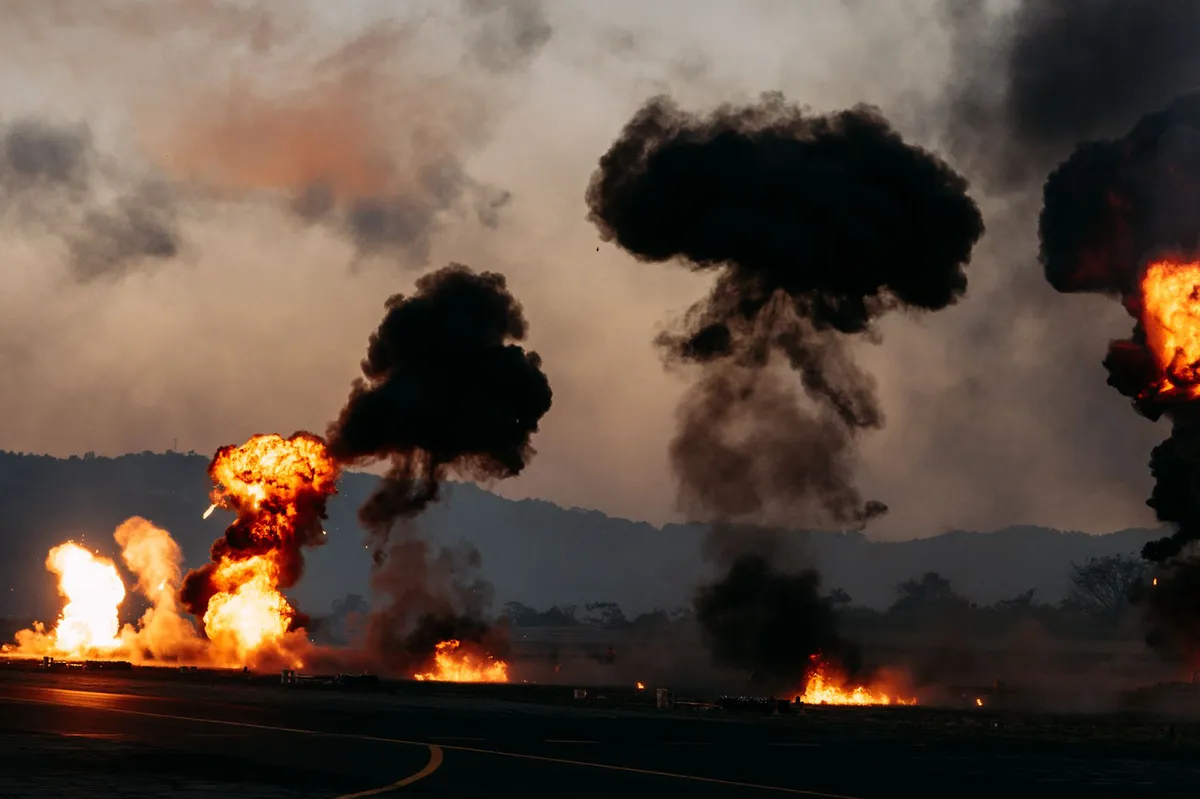
The use of such explosives raises the stakes considerably. Investigators have confirmed that the drone was defused without incident, but the implications of this threat extend far beyond a single airport. The presence of such devices in civilian airspace could have catastrophic consequences, not only for passengers and crew but also for the aviation industry at large.
Legal and Insurance Ramifications
The drone incident at Leipzig poses complex challenges for insurance providers and the aviation industry. The classification of the event—whether it is considered a war risk, terrorism, or ordinary property damage—will have profound implications for coverage and liability. Insurers are already grappling with how to appropriately price and word coverage for incidents that fall within the evolving hybrid threat landscape.
Charles Röbin, a partner at Clyde & Co, noted that such incidents highlight significant gaps in liability attribution, which in turn raises questions regarding business interruption coverage. For instance, if an airline experiences operational downtime due to a drone incident, the claim process could hinge on whether the event is classified as an act of terrorism or a more mundane security lapse.
- Business Interruption Coverage: Often requires physical damage to trigger a claim.
- War Risk vs. Terrorism: The classification of an incident can significantly alter coverage outcomes.
- Ongoing Legal Disputes: Similar incidents have led to litigation over war-risk claims related to aircraft stranded in Russia.
The Evolving Landscape of Drone Insurance
The Leipzig incident occurs amidst a broader trend in the insurance industry, where drone exposure is increasingly migrating from specialized aviation desks to mainstream commercial portfolios. As drone technology continues to advance, the insurance landscape must adapt to meet these new challenges. Insurers are beginning to recognize the unique risks associated with drone operations, yet many clients remain unaware of the need for dedicated coverage.
Capacity constraints and underwriting shifts related to drone risks are already reshaping U.S. aviation insurance programs as we look ahead to 2025 and beyond. The evolving threat landscape necessitates a reevaluation of existing policies to ensure adequate protection for businesses and operators who may be affected by drone-related incidents.
Conclusion: The Path Forward
As investigations continue into the Leipzig drone incident, the aviation sector must confront the harsh reality of a changing threat environment. With the potential for future drone incursions and sabotage attempts, both aviation authorities and insurance providers must work collaboratively to devise effective strategies for mitigating risks and safeguarding air travel.
Implementing advanced detection technologies, enhancing security protocols, and ensuring comprehensive insurance coverage will be critical steps in addressing these challenges. The outcome of this investigation may set important precedents for how similar incidents are handled in the future, emphasizing the need for vigilance and preparedness in the face of evolving threats.
Key Takeaways
- The discovery of an explosive drone at Leipzig/Halle Airport raises serious aviation security concerns.
- Classification of incidents impacts insurance coverage and liability claims significantly.
- Drone threats are increasingly commonplace in Europe, necessitating enhanced security measures.
- The insurance industry must adapt to new risks associated with drone operations.
- Collaboration between authorities and insurers is crucial for effective risk management.
Frequently Asked Questions
What type of explosives were found on the drone at Leipzig Airport?
The drone discovered at Leipzig/Halle Airport was reportedly rigged with Semtex and PETN explosives. These substances are known for their effectiveness in sabotage operations, posing significant threats to aviation security.
How does the classification of an incident affect insurance claims?
The classification of an incident, whether as war risk, terrorism, or ordinary property damage, can drastically affect the outcome of insurance claims. For example, business interruption coverage often requires physical damage to trigger a claim, and the classification determines the type of coverage applicable.
What steps are being taken to improve aviation security in light of these incidents?
In response to incidents like the drone threat at Leipzig, aviation authorities are likely to implement enhanced security measures, including advanced detection technologies and stricter protocols for monitoring drone activity around airports. Collaboration with insurance providers will also be critical in developing effective risk management strategies.
How are insurers adjusting to the rising threat of drone incidents?
Insurers are beginning to recognize the need for specialized coverage related to drone operations, as risks associated with drones are increasingly migrating from specialized aviation desks to mainstream commercial portfolios. This shift requires insurers to reevaluate existing policies and ensure they adequately address emerging threats.
Comments
DuPont's Asset Shuffle: A Legal Battle Over PFAS Liability
California challenges DuPont over alleged asset transfers to evade PFAS claims. The implications for insurers and corporate liability structures are profound.

Related articles







Popular in Business Insurance
- Surging War-Risk Insurance Rates in the Strait of Hormuz: What It Means for Shipping
- Ross & Yerger Insurance Faces Class Action Over Data Breach Allegations
- Sompo Expands U.S. Workers' Compensation Portfolio with Service Insurance Acquisition
- Legal Battle Unfolds Over $1 Million Truck Crash Insurance Payout
- Howden Group's Ambitious Journey Toward IPO and Expansion