HDI Global Takes Legal Action Over Lost Generator Shipment
HDI Global Insurance is suing two carriers for over $600,000, claiming an industrial generator never made it to Alabama from Texas. This case underscores the complexities of freight liability and insurance.
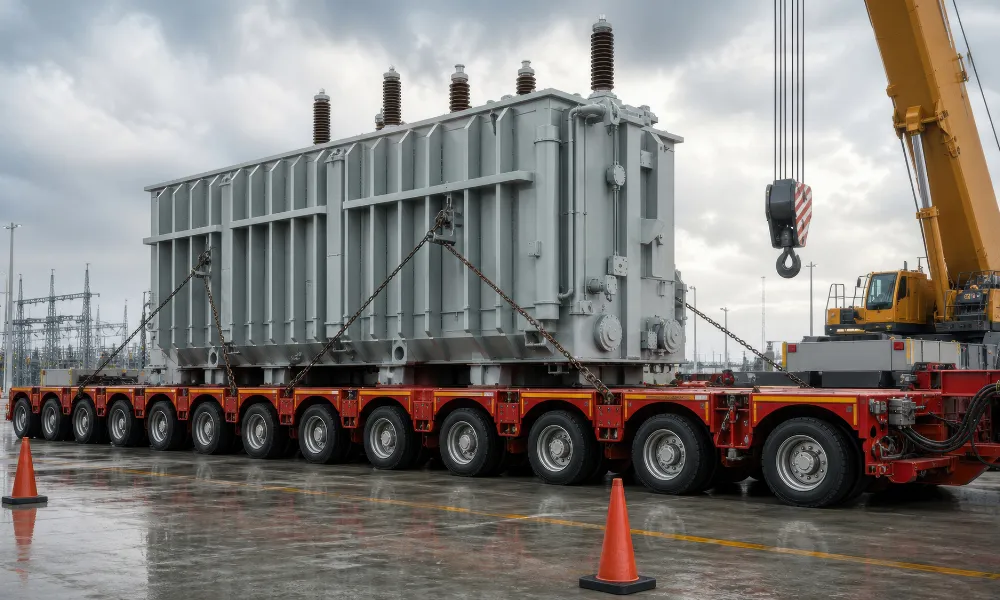
In a significant legal move that highlights the complexities of shipping and insurance, HDI Global Insurance Company has filed a lawsuit against two carriers in Houston federal court. The case revolves around an industrial shaft generator, valued at over $600,000, which was allegedly mishandled during its transport from Texas to Alabama. The insurer claims that the shipment, which had traveled from Italy to the U.S., was discharged in Texas but never reached its intended destination in Muscle Shoals, Alabama. This situation not only raises questions about freight liability but also emphasizes the critical role of insurance in safeguarding against losses in the shipping industry.
The Shipment Journey: From Italy to Alabama
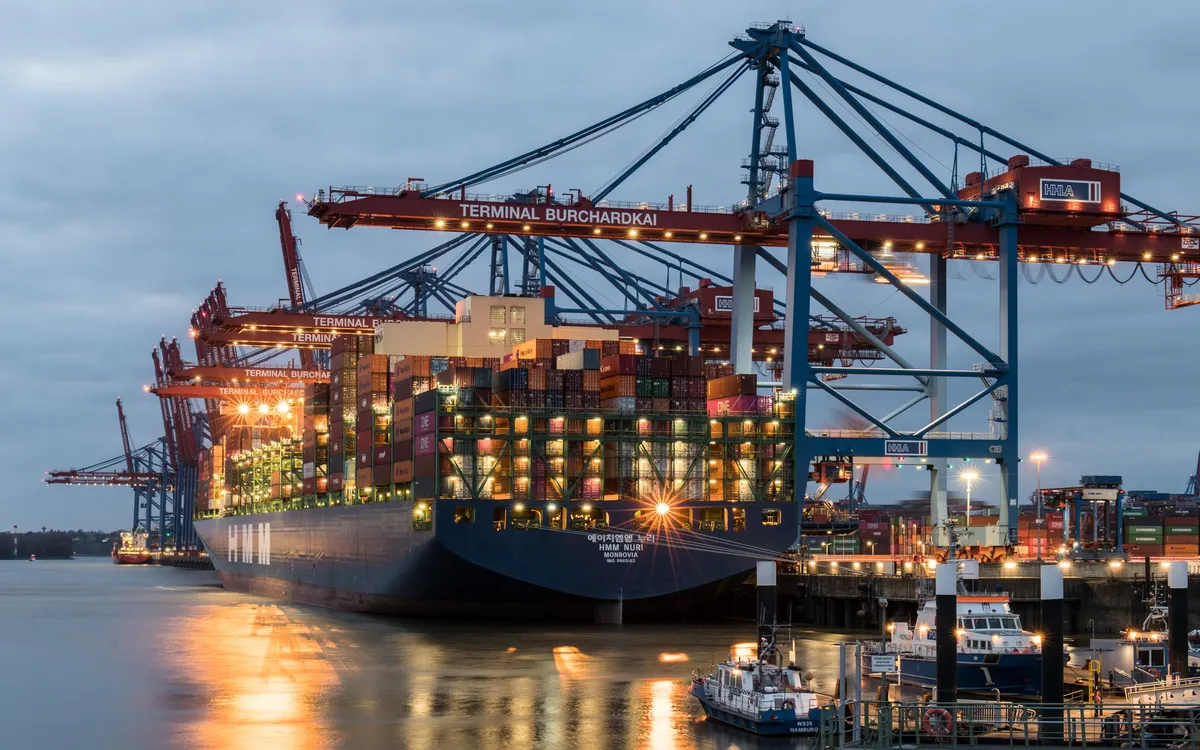
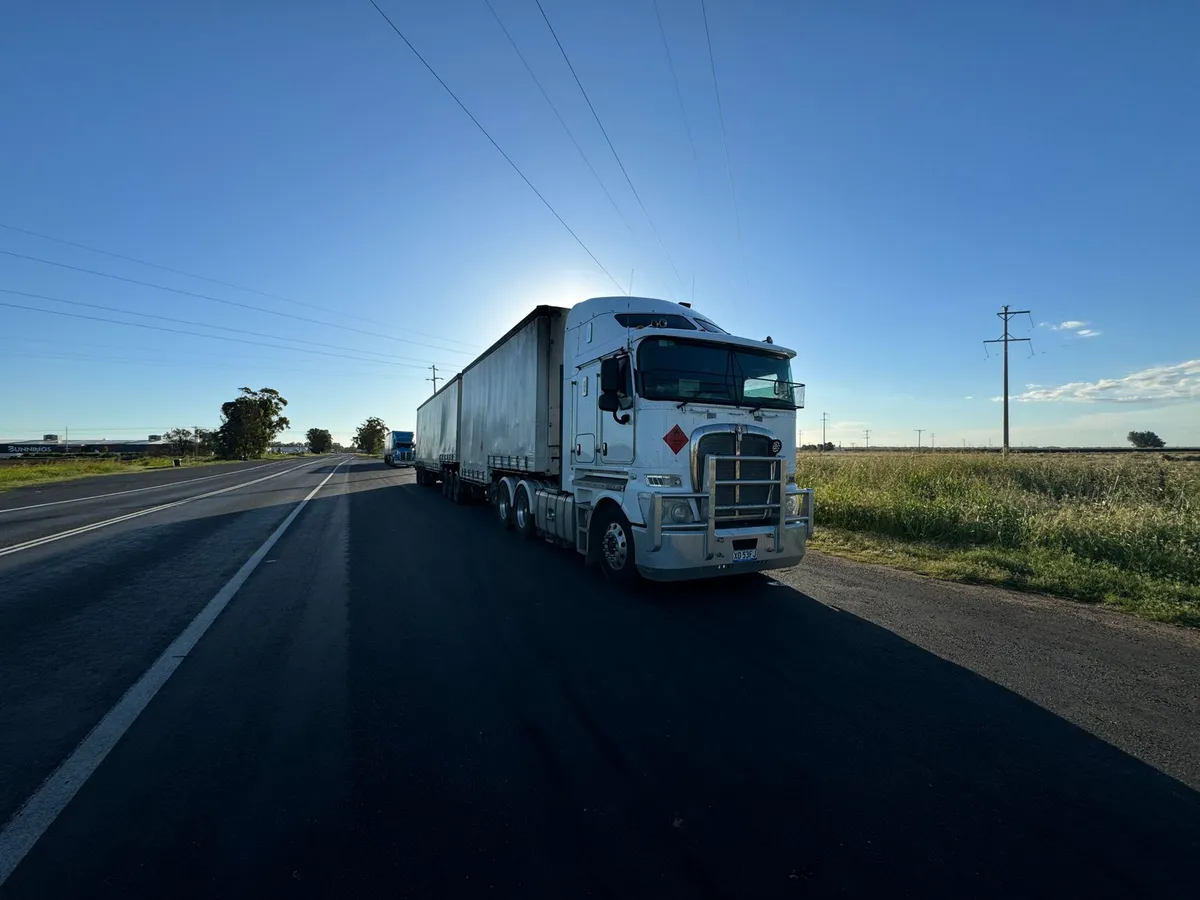
The saga of the lost shaft generator began in September 2025 when it was shipped from Italy with the expectation of reaching its final destination in Muscle Shoals, Alabama. According to HDI's complaint, the cargo was in 'good order and condition' upon its departure. The insurer alleges that the generator was handed over to Hansa Meyer Global Transport GmbH & Co. KG, a German international carrier and freight forwarder, which was responsible for transporting the cargo from Italy to the U.S. Upon arrival, the generator was transferred to Zimone Trucking LLC, a Kansas-based interstate motor carrier, for the final leg of its journey from Freeport, Texas to Alabama.
However, the complaint states that after being discharged in Freeport, the generator was never delivered to its intended destination. This failure has prompted HDI to file a lawsuit seeking to recover the costs associated with the loss, totaling $603,870.72, along with additional costs and legal fees.
Understanding Subrogation in Insurance Claims
At the heart of HDI's lawsuit is the principle of subrogation. When an insurance company pays a claim to its insured—for example, Voith Hydro Inc. in this case—it gains the right to pursue recovery from the party responsible for the loss. This means that HDI is effectively stepping into the shoes of Voith Hydro to recover the amount paid out for the generator. This legal strategy is common in the insurance industry and allows insurers to mitigate their losses by holding third parties accountable for their negligence or mishandling.
Subrogation is particularly relevant in cases involving freight and transportation, where the chain of custody and responsibility can be complex. The Carmack Amendment, a federal law governing interstate shipping, plays a crucial role in such cases by establishing clear guidelines regarding the liability of carriers for lost or damaged goods.
The Carmack Amendment: A Framework for Liability
The Carmack Amendment to the Interstate Commerce Act provides a comprehensive framework for determining the liability of motor carriers in cases of lost or damaged cargo during interstate transport. Under this law, carriers are strictly liable for the loss of goods, and the burden of proof typically lies with the shipper to demonstrate that the carrier failed to meet the standards set forth by the Amendment.
In HDI's case, the complaint alleges that both Hansa Meyer and Zimone Trucking failed to deliver the generator in the same good order and condition as it was received. Specifically, the lawsuit claims that Hansa Meyer did not fulfill its obligation to ensure the cargo reached its destination, while Zimone Trucking is accused of negligence in handling the generator during transit. Such claims under the Carmack Amendment are serious, as they can lead to substantial financial repercussions for carriers if proven.
Implications for the Shipping Industry
This lawsuit is not just a matter of one company seeking reimbursement; it reflects broader implications for the shipping industry and the insurance landscape. The case highlights how critical it is for businesses involved in shipping goods to understand the responsibilities and potential liabilities associated with freight transport. Companies must be diligent in selecting reliable carriers and ensuring that they have adequate insurance coverage to protect against losses.
- Carrier Selection: Businesses should thoroughly vet carriers, checking their reliability and history of handling similar shipments.
- Insurance Coverage: It’s essential to have comprehensive insurance that includes coverage for loss or damage during transit.
- Documentation: Keeping detailed records of shipments, including condition reports and tracking information, can be invaluable in the event of disputes.
Next Steps for Stakeholders
As the case unfolds, stakeholders in the shipping and insurance sectors will be closely monitoring its developments. For insurance companies, the outcome may influence how they approach underwriting and claims related to freight transport. Additionally, carriers may need to reassess their risk management strategies and policies to minimize exposure to similar lawsuits.
For businesses that rely on shipping goods, this situation serves as a reminder of the importance of understanding the intricacies of freight liability and insurance. Ensuring that proper protocols are in place can mitigate risks and prevent costly losses in the future.
Key Takeaways
- HDI Global is suing for over $600,000 due to a generator that was mishandled during transport.
- The case invokes the Carmack Amendment, which governs carrier liability for lost goods.
- Subrogation allows insurers to recover costs from third parties after paying claims.
- Businesses must prioritize carrier reliability and adequate insurance coverage to protect against losses.
Frequently Asked Questions
What is subrogation in insurance?
Subrogation is a legal principle that allows an insurance company to pursue a third party for damages after paying a claim to its insured. Essentially, it enables the insurer to recover costs from the party responsible for the loss, thereby protecting its financial interests and ensuring accountability.
How does the Carmack Amendment affect freight carriers?
The Carmack Amendment establishes a federal framework for liability, making carriers strictly liable for the loss of goods during interstate transport. This means that if cargo is lost or damaged, the carrier may be held financially responsible, unless they can prove otherwise. Understanding this law is crucial for both carriers and shippers in navigating potential disputes.
What should businesses consider when selecting a freight carrier?
When selecting a freight carrier, businesses should evaluate the carrier's track record, reliability, and experience in handling similar shipments. Additionally, it is important to ensure that carriers have appropriate insurance coverage and liability protections in place to safeguard against potential losses that may occur during transit.
What steps can businesses take to protect against shipping losses?
To protect against shipping losses, businesses should implement robust risk management strategies, including thorough documentation of shipments, regular assessments of carrier performance, and maintaining comprehensive insurance coverage. Additionally, setting clear expectations and communication with carriers can help minimize misunderstandings and potential liabilities.
Comments
Navigating the Shift: AGI's Strategic Entry into Insurance Brokerage
American Growth Insurance's acquisition of Heller-Kowitz Insurance Advisors marks a pivotal moment in the evolving insurance brokerage landscape. As industry consolidation continues amidst a shrinking buyer pool, agency owners must navigate new challenges and opportunities.
Related articles



Popular in Business Insurance
- Surging War-Risk Insurance Rates in the Strait of Hormuz: What It Means for Shipping
- Ross & Yerger Insurance Faces Class Action Over Data Breach Allegations
- Sompo Expands U.S. Workers' Compensation Portfolio with Service Insurance Acquisition
- Legal Battle Unfolds Over $1 Million Truck Crash Insurance Payout
- Howden Group's Ambitious Journey Toward IPO and Expansion