Trump's $10 Billion Defamation Lawsuit Against BBC: Key Developments
In a significant legal ruling, President Donald Trump has been granted permission to revise his $10 billion defamation lawsuit against the BBC, focusing on reputation instead of brand damage. This decision could reshape the scope of financial disclosures required from his organization.
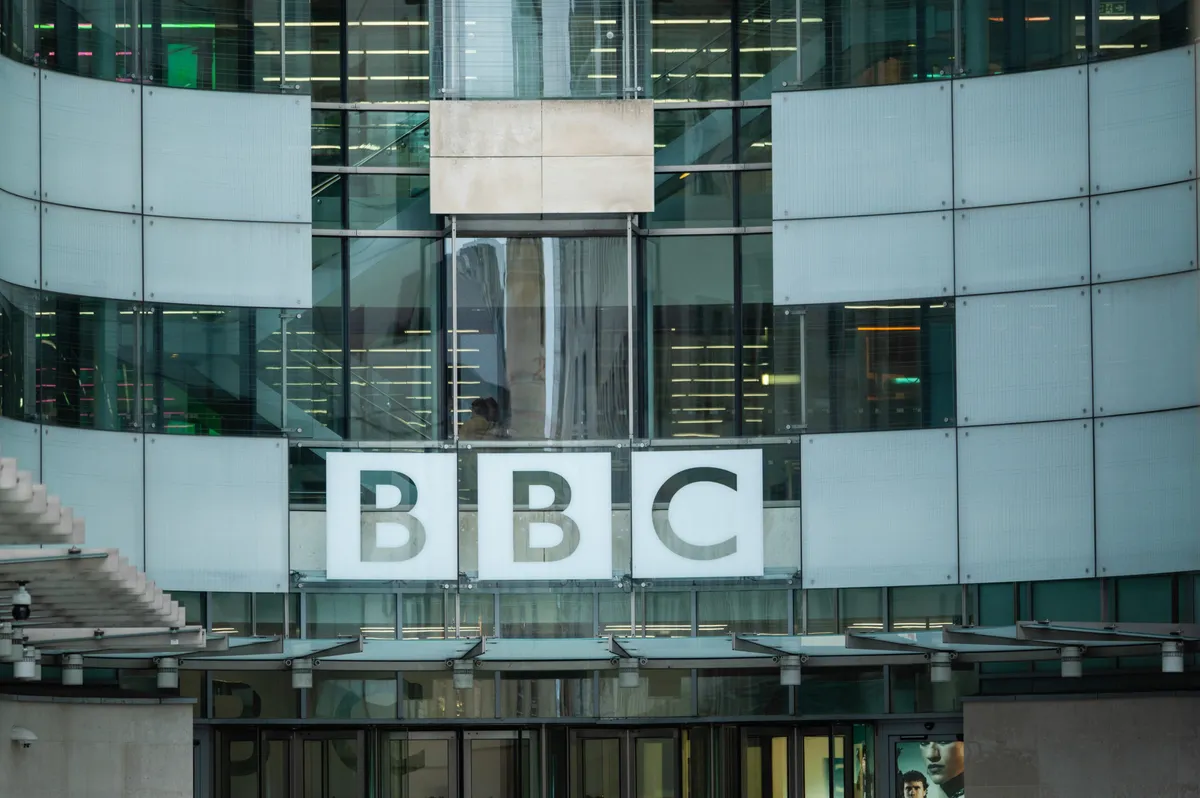
In a notable advancement in the ongoing legal tussle between President Donald Trump and the British Broadcasting Corporation (BBC), a U.S. District Court has allowed Trump to revise his staggering $10 billion defamation lawsuit. This development comes as Trump seeks to narrow the focus of his claims, shifting from allegations of significant financial damage to his brand toward concerns regarding his reputation. The ruling by U.S. District Judge Roy K. Altman, delivered on August 11, 2026, could have far-reaching implications for both parties involved, particularly in terms of the legal strategies employed and the potential financial disclosures that may be required from Trump's extensive business operations.
Trump's legal battle with the BBC stems from the network's broadcast of a controversial documentary that included a 12-second clip of a speech he delivered prior to the January 6 Capitol riots. The clip, which Trump claims was misleadingly edited, allegedly made it seem as though he was directly inciting violence. Despite the BBC's prior apology, the network has firmly denied any wrongdoing or defamation.
Understanding the Legal Context of Defamation
Defamation lawsuits generally hinge on proving that false statements were made about an individual or entity, leading to reputational or financial harm. In cases involving public figures like Trump, the burden of proof is notably higher due to the precedent set by the landmark Supreme Court case New York Times Co. v. Sullivan. Here, public figures must demonstrate actual malice—meaning the statements were made with knowledge of their falsity or with reckless disregard for the truth.
Trump's original claim asserted that the BBC's editorial decisions caused serious economic repercussions for his brand. However, by removing this aspect in the revision, he may streamline the legal process, as the BBC's legal team has already indicated that they intend to scrutinize Trump's financial records to assess the veracity of his claims. This development raises questions about how the court will balance the right to free speech against the need for accountability, especially when it involves media coverage of public figures.
The Implications of the Court's Ruling
Judge Altman's ruling not only allows Trump to amend his lawsuit but also suggests that a more focused claim could potentially diminish the damages he seeks to recover. This narrowing of the lawsuit may provide the BBC with the opportunity to challenge Trump's assertions more effectively, particularly regarding the scale of alleged damages.
The BBC had previously issued subpoenas demanding extensive financial records from the Trump Organization, seeking documentation that could substantiate or refute Trump's claims of economic harm. Altman noted that despite the revised lawsuit, Trump might still be compelled to provide certain financial records, indicating the ongoing complexities of the case. The judge's decision implies a delicate balancing act: while Trump is attempting to limit the scope of the lawsuit, the BBC's need to defend itself against serious allegations of defamation remains paramount.
Potential Outcomes and Their Effects on Trump's Brand
Should Trump ultimately prevail in his lawsuit, the ramifications could be substantial. The potential $10 billion in damages could serve as a significant financial windfall, but the process itself could expose sensitive information about his business dealings.
In contrast, if the BBC successfully defends against the claims, it might not only vindicate its editorial practices but could also deter similar lawsuits in the future from other public figures. This case illustrates the broader question of how media organizations navigate the fine line between robust journalism and the risk of legal repercussions when covering powerful individuals.
Public Reactions and Media Responsibilities
The public's response to Trump's legal maneuvers has been mixed. Supporters view the lawsuit as a legitimate defense of his reputation, while critics argue that it represents an attempt to silence media scrutiny. This reflects a growing concern about the implications of powerful figures using legal action to intimidate journalists and media organizations.
As the media landscape continues to evolve, the responsibilities of journalistic integrity and the necessity for accurate reporting remain vital. The outcome of this lawsuit could set important precedents regarding how media entities report on public figures, especially those in positions of power.

Key Takeaways
- Trump's revised lawsuit focuses on reputation, not brand damage.
- The ruling could limit the financial disclosures required from Trump's organization.
- If successful, the lawsuit could result in substantial damages for Trump.
- The case highlights the challenges media organizations face in reporting on public figures.
- Public opinion remains divided on the implications of the lawsuit.
Frequently Asked Questions
What is the basis of Trump's defamation lawsuit against the BBC?
Trump's defamation lawsuit against the BBC is based on allegations that a misleadingly edited clip from a documentary portrayed him as inciting violence during the January 6 Capitol riots. He claims this portrayal has caused significant damage to his reputation and potential economic harm, initially citing massive financial losses to his brand.
How could the court's ruling affect the BBC's defense?
The court's ruling allowing Trump to amend his lawsuit could lead to a more focused case, which may strengthen the BBC's defense. By centering on reputation rather than financial damages, the BBC might find it easier to argue that their reporting was not defamatory, thus reducing the potential damages Trump could claim.
What are the implications of this case for media organizations?
This case serves as a critical reminder of the challenges faced by media organizations in covering powerful figures. A successful lawsuit from Trump could set a precedent for other public figures to pursue similar legal actions against media outlets, potentially chilling free speech and leading to self-censorship among journalists and news organizations.
What happens next in the lawsuit?
The next steps in the lawsuit will involve further legal proceedings where the scope of evidence, including financial documents demanded by the BBC, will be evaluated. A magistrate judge will ultimately decide whether Trump must comply with the BBC's subpoenas, determining the nature of financial disclosures required as the case progresses.
Comments
Chronic Heat Risk in Europe: A Deep Dive into the Impacts and Responses
As Europe faces unprecedented heat waves, the Swiss Re Institute warns of severe consequences. This article explores the implications of rising temperatures on health, economy, and insurance.
Related articles





Popular in Business Insurance
- Surging War-Risk Insurance Rates in the Strait of Hormuz: What It Means for Shipping
- Ross & Yerger Insurance Faces Class Action Over Data Breach Allegations
- Sompo Expands U.S. Workers' Compensation Portfolio with Service Insurance Acquisition
- Legal Battle Unfolds Over $1 Million Truck Crash Insurance Payout
- Howden Group's Ambitious Journey Toward IPO and Expansion