Chronic Heat Risk in Europe: A Deep Dive into the Impacts and Responses
As Europe faces unprecedented heat waves, the Swiss Re Institute warns of severe consequences. This article explores the implications of rising temperatures on health, economy, and insurance.
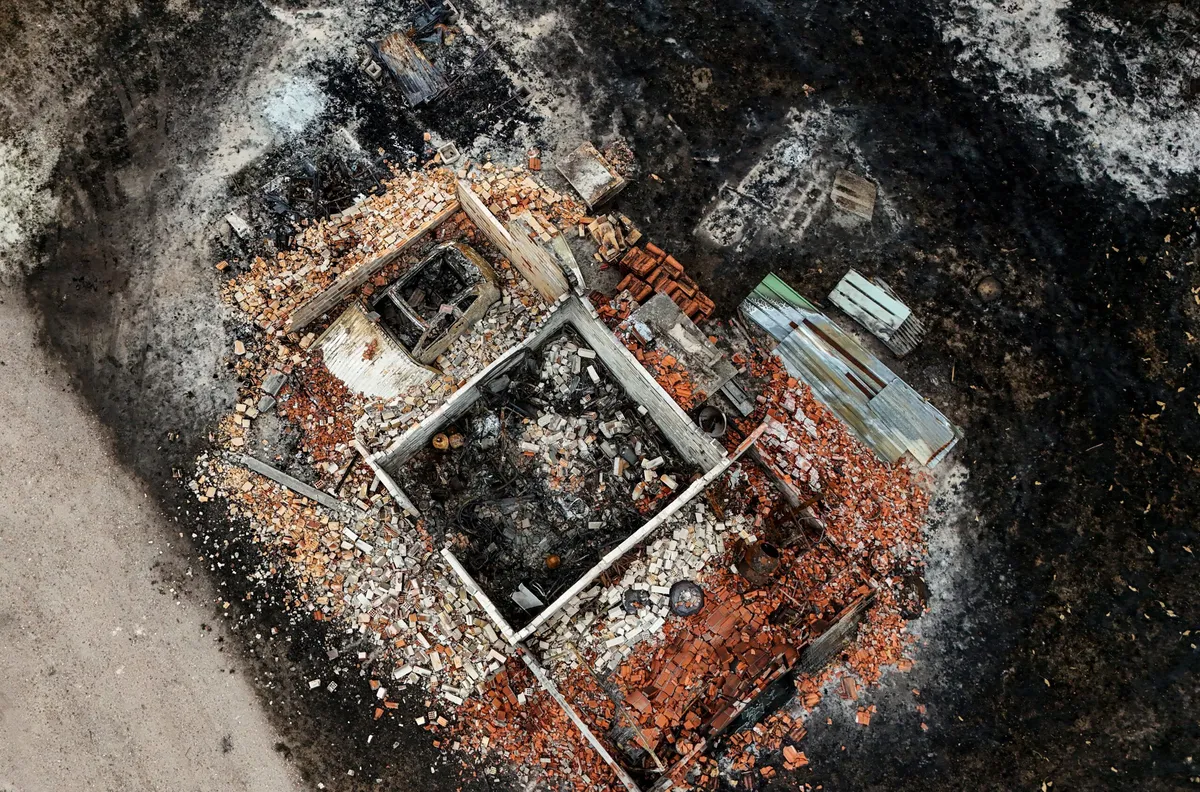
The summer of 2026 has brought devastating heat waves to Europe, marking the continent's fifth occurrence of extreme temperatures this year alone. As recorded temperatures soar to unprecedented levels, the Swiss Re Institute has issued a stark warning about the chronic heat risks that Europe faces. With only around 20% of European households equipped with air conditioning—compared to 76% in North America—many Europeans are ill-prepared for the intense heat. The implications of this climatic crisis extend beyond mere discomfort; they touch upon human health, economic stability, and the insurance landscape.
In a recent report, Swiss Re underscored that Europe is heating up at nearly twice the rate of the global average. This alarming trend not only threatens the physical well-being of millions but also jeopardizes agricultural productivity, water and energy systems, and the economic fabric of the continent. As the effects of climate change become increasingly pronounced, insurers are confronted with a new era of risk that requires urgent adaptation and proactive strategies.
Understanding the Heat Wave Crisis
As Europe grapples with relentless heat waves, the broader context of climate change and its implications becomes clearer. According to Swiss Re's analysis, the continent's struggle includes:
- Reduced Agricultural Output: Extreme temperatures adversely affect crop yields and food security.
- Pressure on Water Resources: Hotter weather exacerbates drought conditions and depletes vital water supplies.
- Economic Disruption: The heat affects labor productivity and strains energy systems, leading to potential inflation.
Recent reports have indicated that the Rhine River, critical for transporting goods, is facing dangerously low water levels, disrupting industries such as chemicals, metals, and construction. This has economic ramifications that extend beyond immediate operational issues, potentially leading to increased prices for consumers as supply chains are affected.

The Role of Wildfires in the Heat Crisis
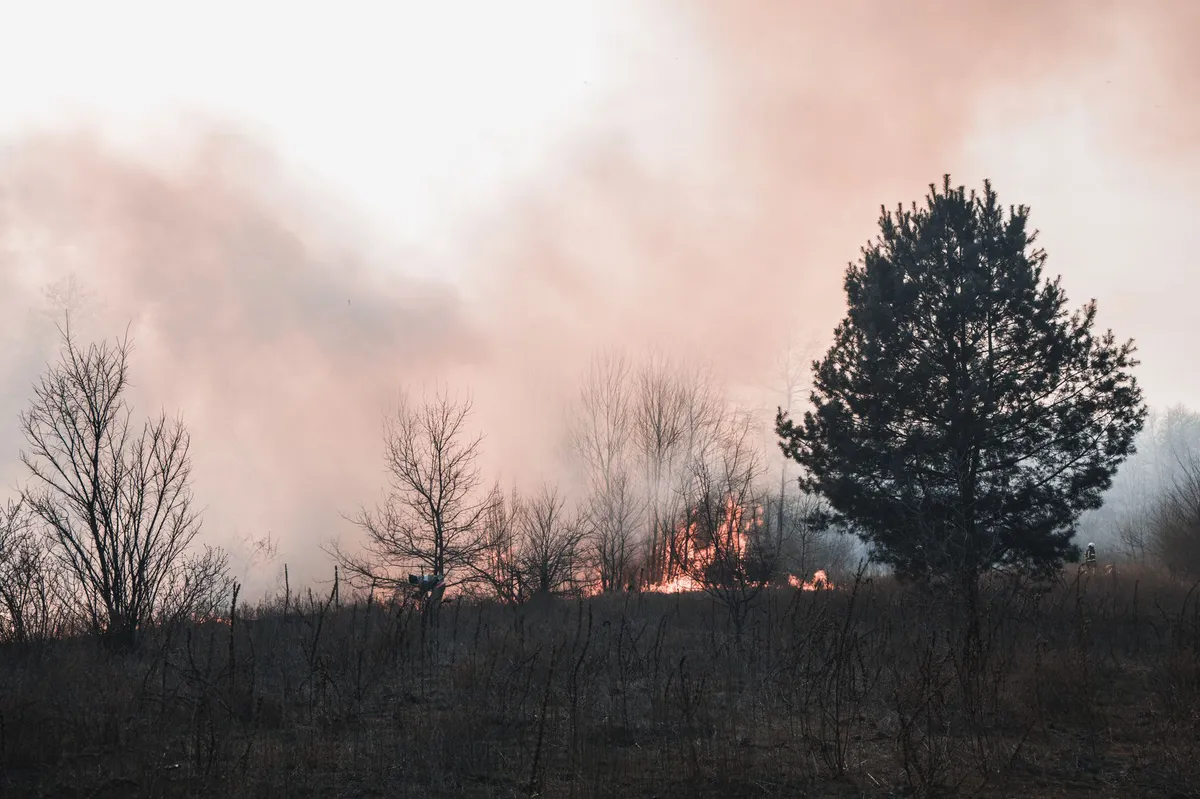
In addition to the immediate impacts of heat, the risk of wildfires has become a significant concern across Europe. While currently classified as moderate, the potential for wildfire activity is rising sharply as conditions become more conducive to fires. Regions in France, Spain, and Greece have already faced devastating wildfires this summer, causing estimated damages of €19.1 billion (approximately $22 billion).
Wildfire Risk Factors
Wildfires are not just an environmental issue; they present substantial economic threats, particularly in densely populated areas where homes and infrastructure are at risk. Key factors contributing to increased wildfire risk include:
- Hotter Temperatures: High temperatures create ideal conditions for wildfires.
- Dry Conditions: Droughts lead to dry vegetation, which serves as fuel for fires.
- Urban Expansion: As urban areas expand into wildland zones, the potential for catastrophic losses increases.
These factors underscore the need for greater awareness and preparedness among residents and local governments to mitigate the impact of wildfires.
The Economic Ramifications of Rising Temperatures
The economic consequences of chronic heat are multifaceted. As Swiss Re points out, the heat poses a dual threat: it not only disrupts industries but also leads to increased inflation. For example, the energy sector is particularly vulnerable, as hot rivers affect the production capabilities of nuclear and hydroelectric power plants, leading to a reliance on natural gas for electricity generation.
Inflation and Supply Chain Disruptions
As industries struggle with supply chain disruptions due to low water levels and increased demand for cooling, consumers may face rising costs for essential goods and services. This scenario illustrates how interconnected our global economy is, with extreme weather events in one region having ripple effects worldwide. In this context, insurers must adapt to the changing landscape by reassessing how they evaluate risks associated with temperature extremes and their economic implications.
Insurance Industry Response and Future Outlook
Despite a reported decline in insured losses tied to natural catastrophes in the first half of 2026, the overall trend indicates that the insurance industry must remain vigilant. Swiss Re noted that while losses totaled $42 billion, this figure was below the long-term trend, suggesting a temporary lull rather than a permanent shift.
Preparing for the New Normal
Insurance companies are urged to focus on adapting to the increasing risks associated with climate change. Key considerations include:
- Risk Assessment: Updating models to better predict the impacts of heat and wildfires.
- Policy Development: Creating products that cover emerging risks related to climate change.
- Public Awareness: Educating policyholders on preventive measures and the importance of disaster preparedness.
As the frequency and intensity of heat waves continue to rise, understanding and addressing these risks becomes critical for both insurers and the broader community.
Key Takeaways
- Europe is experiencing unprecedented heatwaves, increasing health and economic risks.
- Wildfire risks are rising, especially in urban areas, leading to potential catastrophic losses.
- Insurers must adapt to the changing landscape by reassessing risk models and developing new policies.
- Public awareness and preparedness are crucial in mitigating the impacts of extreme heat and related disasters.
Frequently Asked Questions
What are the primary health risks associated with extreme heat in Europe?
Extreme heat poses significant health risks, particularly to vulnerable populations such as the elderly and those with pre-existing conditions. Heat-related illnesses, including heat exhaustion and heat stroke, can occur when temperatures rise significantly. Additionally, prolonged exposure to high temperatures can exacerbate chronic health conditions and increase mortality rates. Public health initiatives must focus on educating communities about staying hydrated, recognizing symptoms of heat-related illnesses, and ensuring that vulnerable individuals have access to cooling facilities.
How do heat waves impact agricultural productivity in Europe?
Heat waves can severely impact agricultural productivity through drought conditions, which affect crop yields and livestock health. High temperatures can lead to reduced soil moisture, making it difficult for crops to thrive. In addition, heat stress can affect livestock, leading to decreased milk production and higher mortality rates. As agricultural sectors face these pressures, food security becomes a pressing concern, with potential implications for food prices and availability in markets across Europe.
What role does the insurance industry play in addressing these climate-related risks?
The insurance industry plays a critical role in managing and mitigating climate-related risks. Insurers must adapt their risk assessment models to account for the increasing frequency of extreme weather events. By developing innovative insurance products that cater to emerging risks, the industry can help businesses and individuals protect themselves against potential losses. Furthermore, insurers can partner with governments and communities to promote disaster preparedness and risk reduction strategies, ultimately contributing to a more resilient society.
Comments
Leadership Changes at AIG and Canopius: Impacts on Cyber and Professional Liability Insurance
Recent appointments at AIG and Canopius signal significant shifts in the insurance industry, particularly in cyber and professional liability sectors. Christopher O’Connor steps into a pivotal role at AIG, while Greg Kuchinski takes the reins at Canopius. Here's how these changes could shape the future of insurance.

Related articles




Popular in Business Insurance
- Surging War-Risk Insurance Rates in the Strait of Hormuz: What It Means for Shipping
- Ross & Yerger Insurance Faces Class Action Over Data Breach Allegations
- Sompo Expands U.S. Workers' Compensation Portfolio with Service Insurance Acquisition
- Legal Battle Unfolds Over $1 Million Truck Crash Insurance Payout
- Howden Group's Ambitious Journey Toward IPO and Expansion