Colombia Earthquake: Impacts on Property and Insurance Claims
A magnitude 7.4 earthquake in Colombia has caused extensive damage, raising concerns about potential insurance claims across various sectors. This article explores the implications for property, business interruption, and aviation insurance.
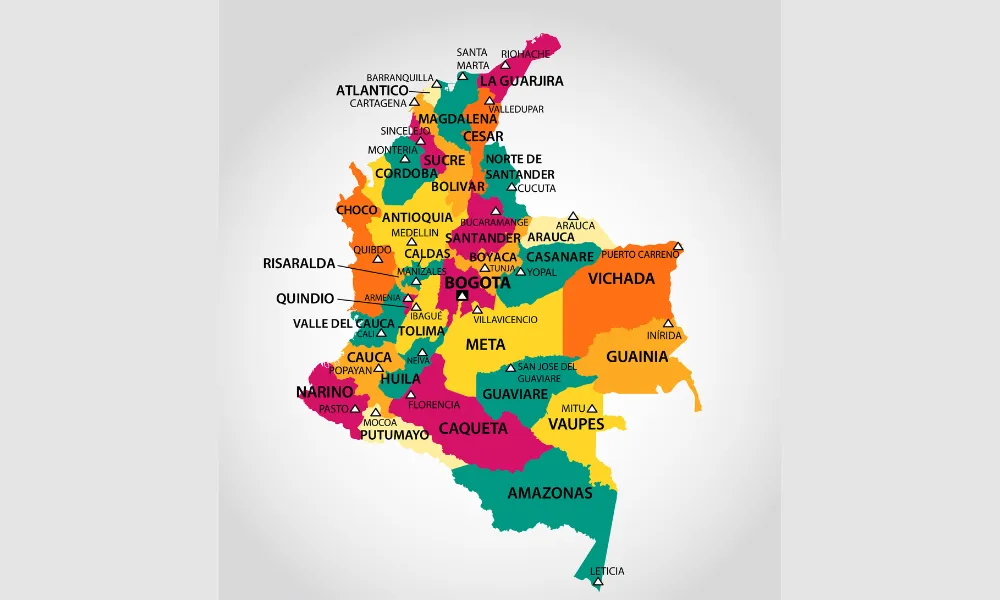
On August 10th, a devastating magnitude 7.4 earthquake struck near San José del Palmar in Chocó, Colombia, sending shockwaves through the region and beyond. As emergency crews continue to search through the rubble, the tragic loss of life has been accompanied by a shocking degree of structural damage that is likely to result in widespread insurance claims. This disaster not only has immediate humanitarian implications but also raises significant questions about the long-term economic fallout, particularly in terms of property, business interruption, aviation, and life insurance portfolios.
At 7:34 a.m. local time, the earthquake jolted the western region of Colombia at a depth of approximately 103 kilometers, wreaking havoc across several cities. Pereira, a key city in the country's coffee-producing region, reported the highest toll with at least 18 fatalities. Other cities, including Manizales and Buenaventura, also suffered significant damage, with reports of collapsed buildings and trapped individuals. The tremors were felt as far away as Bogotá, Colombia’s capital, leading to evacuations and further inspections of infrastructure.
The Immediate Impact: Humanitarian Concerns and Structural Damage
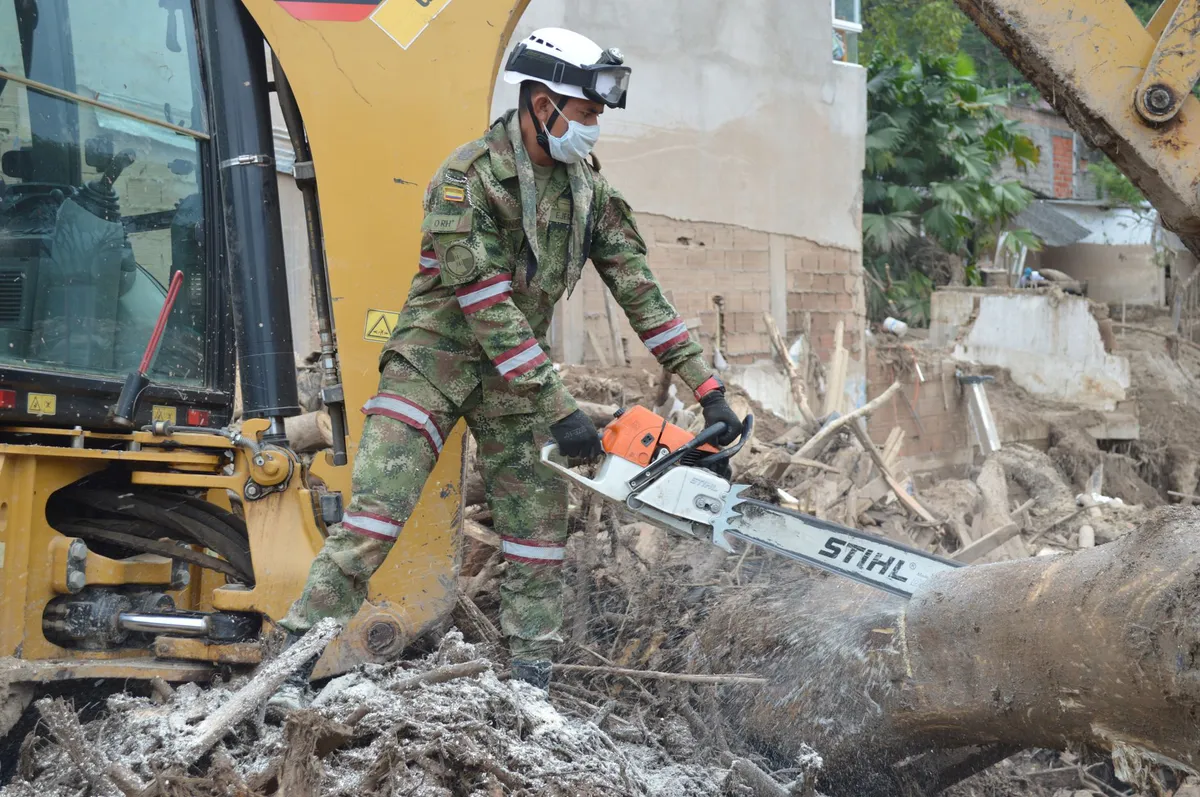
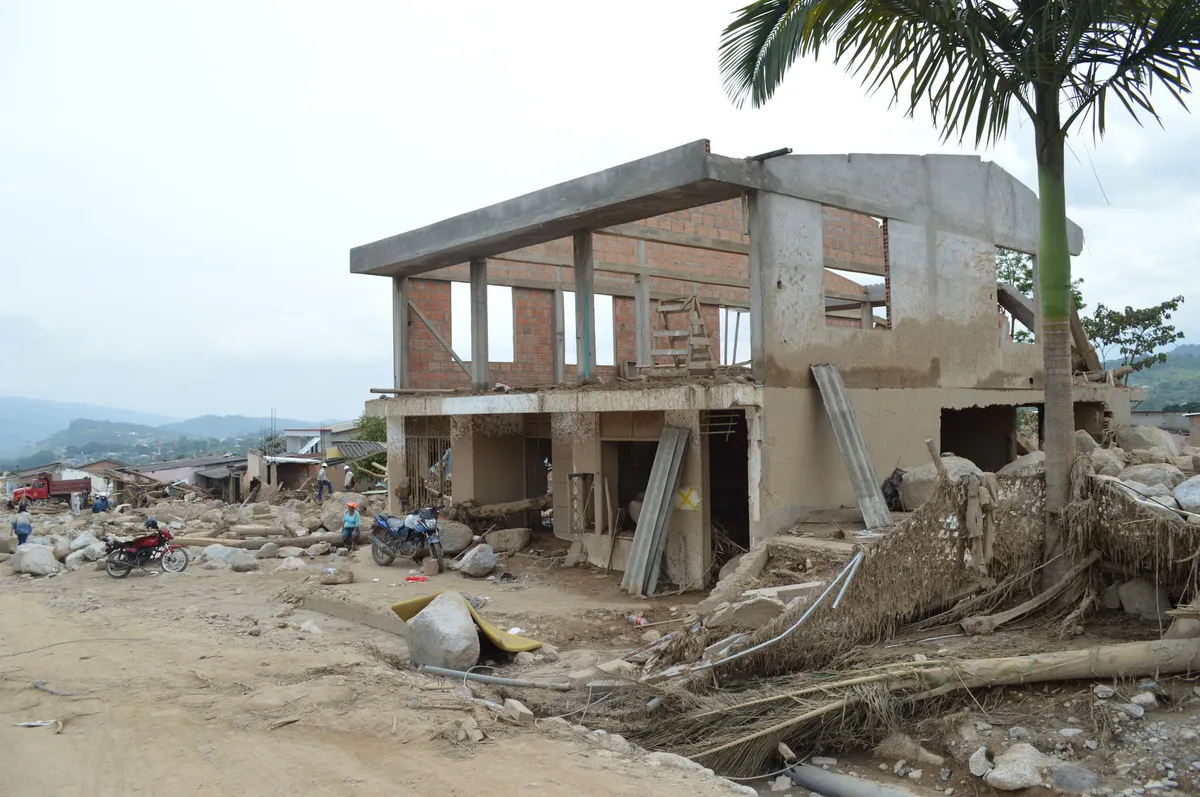
As rescue operations unfold, the focus remains on the humanitarian crisis that has emerged in the wake of the earthquake. Several buildings have collapsed, with local authorities estimating that around 25 structures have been completely destroyed. In Manizales, footage revealed the tragic sight of a church spire that had caved in and deep fissures along the façades of nearby buildings.
While the death toll remains preliminary, the urgency of the situation is underscored by the ongoing search for survivors and the need for immediate shelter and assistance for displaced individuals. The national response involves not only local emergency services but also the deployment of rescue teams from other areas, illustrating the widespread nature of the crisis.
Insurance Implications: A Complex Landscape
As the dust settles, the insurance industry faces a multifaceted challenge in assessing the damage and determining claims. The combination of structural collapses and transport disruptions is likely to lead to claims across several insurance lines, including:
- Property Insurance: Residential, commercial, and public-sector buildings are at risk of substantial loss, raising questions about coverage adequacy and the potential for significant payouts.
- Business Interruption Insurance: Companies may face interruptions due to physical damage, requiring a careful examination of policies to assess coverage for lost income during the recovery period.
- Aviation Insurance: Damage to regional airports and transport infrastructure could create additional liabilities for aviation operators and logistics companies.
The specifics of each claim will depend heavily on the policy language, including coverage for earthquakes, waiting periods, deductibles, and exclusions. For instance, claims arising from access restrictions or utility failures may be treated differently than those resulting from direct damage to insured properties.
Challenges in Damage Assessment and Claims Processing
One of the critical challenges following the earthquake will be the assessment of the damage and the categorization of claims. Loss adjusters will need to differentiate between cosmetic damage and issues that affect the structural integrity of buildings. This task is complicated by ongoing rescue operations and the risk of aftershocks, which could hinder access to affected areas.
Local authorities have indicated that access limitations in Chocó and other heavily affected regions will slow inspections and the collection of vital claims information. As municipalities work to complete building inspections, reliable estimates of total economic or insured losses are still forthcoming. The uncertainty surrounding the extent of the damage could lead to delays in processing claims, adding further strain on the affected communities.
Economic Consequences Beyond Immediate Damage
The economic repercussions of the earthquake are likely to extend beyond immediate property damage. The affected coffee-growing region is vital to Colombia's economy, and agricultural, processing, and export operations may face delays, even if their facilities remained structurally intact. The disruption of supply chains can lead to cascading effects on local businesses and the broader economy, highlighting the interconnectedness of various sectors.
Furthermore, the recent history of seismic events in the region, including the twin earthquakes in Venezuela just weeks prior, raises questions about the preparedness of local infrastructure and emergency response systems. The psychological and economic toll of such disasters can linger long after physical repairs are made, affecting community resilience and growth.

Key Takeaways
- The earthquake in Colombia has caused significant structural damage, leading to potential insurance claims across multiple sectors.
- Loss adjusters will face challenges in assessing damage, with a need to differentiate between cosmetic and structural issues.
- The economic impact may extend beyond property losses, affecting agricultural and export operations crucial to the regional economy.
- Policy response will vary based on individual coverage terms, waiting periods, and deductibles.
- Access limitations in affected areas may delay inspections and claims processing.
Frequently Asked Questions
What types of insurance are likely to be affected by the Colombia earthquake?
The earthquake is expected to impact various types of insurance, particularly property insurance for residential and commercial buildings, business interruption insurance for companies affected by physical damage, and aviation insurance due to disruptions at regional airports. Each type of insurance may respond differently based on the specific terms of the policies in place.
How can businesses prepare for potential business interruption claims?
Businesses should ensure they have adequate business interruption coverage, which typically compensates for lost income during periods when operations are suspended due to physical damage. It’s essential for businesses to review their insurance policies, understand the specific terms related to coverage, and maintain thorough records of operations to facilitate claims processing in the event of a disaster.
What should property owners do after the earthquake?
Property owners should prioritize safety by avoiding entry into damaged buildings until they have been inspected by qualified professionals. Documenting the damage with photographs and notes will be crucial for filing insurance claims. Engaging with local authorities and insurance adjusters to expedite the assessment process can also help facilitate timely claim submissions.
Are there any resources available for those affected by the earthquake?
Yes, various governmental and non-governmental organizations are likely to provide resources for those affected by the earthquake. These may include emergency relief programs, temporary shelter, and financial assistance. It’s advisable for affected individuals to reach out to local emergency services and community organizations for the most up-to-date information on available support and recovery efforts.
Comments
Chronic Heat Risk in Europe: A Deep Dive into the Impacts and Responses
As Europe faces unprecedented heat waves, the Swiss Re Institute warns of severe consequences. This article explores the implications of rising temperatures on health, economy, and insurance.
Related articles





Popular in Business Insurance
- Surging War-Risk Insurance Rates in the Strait of Hormuz: What It Means for Shipping
- Ross & Yerger Insurance Faces Class Action Over Data Breach Allegations
- Sompo Expands U.S. Workers' Compensation Portfolio with Service Insurance Acquisition
- Legal Battle Unfolds Over $1 Million Truck Crash Insurance Payout
- Howden Group's Ambitious Journey Toward IPO and Expansion