Taylor Farms Recalls Salsa and Guacamole Amid Salmonella Fears
Taylor Farms has announced a significant recall of salsa and guacamole products due to potential salmonella contamination. This comes on the heels of another outbreak linked to their iceberg lettuce, raising serious food safety concerns for consumers.

The food industry is once again under scrutiny following a major recall by Taylor Farms, a leading supplier of fresh produce, which includes salsa and guacamole containing jalapeños. This recall, prompted by concerns over potential salmonella contamination, intensifies existing fears surrounding food safety, particularly as the company has already faced a separate outbreak linked to its iceberg lettuce. With over 300 reported illnesses across multiple states, consumers are left questioning the safety of their food choices.
As the recall unfolds, major retailers, including Walmart, Whole Foods, Target, and Trader Joe's, are taking immediate action to remove affected products from their shelves. The implications of this event extend beyond individual health concerns, impacting consumer behavior and raising questions about the integrity of food supply chains.
The Recall: What’s at Stake?
On August 10, 2026, Taylor Farms announced a voluntary recall of its salsa and guacamole products due to potential salmonella contamination linked to jalapeños sourced from Coast Citrus Distributors. The company has stated that it has ceased sourcing from a specific farm in Sinaloa, Mexico, identified as a potential source of the contamination. Notably, this recall follows a previous incident involving a cyclospora outbreak that has already affected numerous consumers nationwide.
Products affected by the recall included those distributed not only to Walmart and Whole Foods but also to other retailers such as Kroger and Chipotle. Given that Taylor Farms is one of North America's largest producers in this sector, the scale of the recall exacerbates concerns about food safety across the board. The Centers for Disease Control and Prevention (CDC) and the U.S. Food and Drug Administration (FDA) are currently investigating the salmonella outbreak, which has led to 345 reported cases and 36 hospitalizations.
Consumer Impact and Behavior
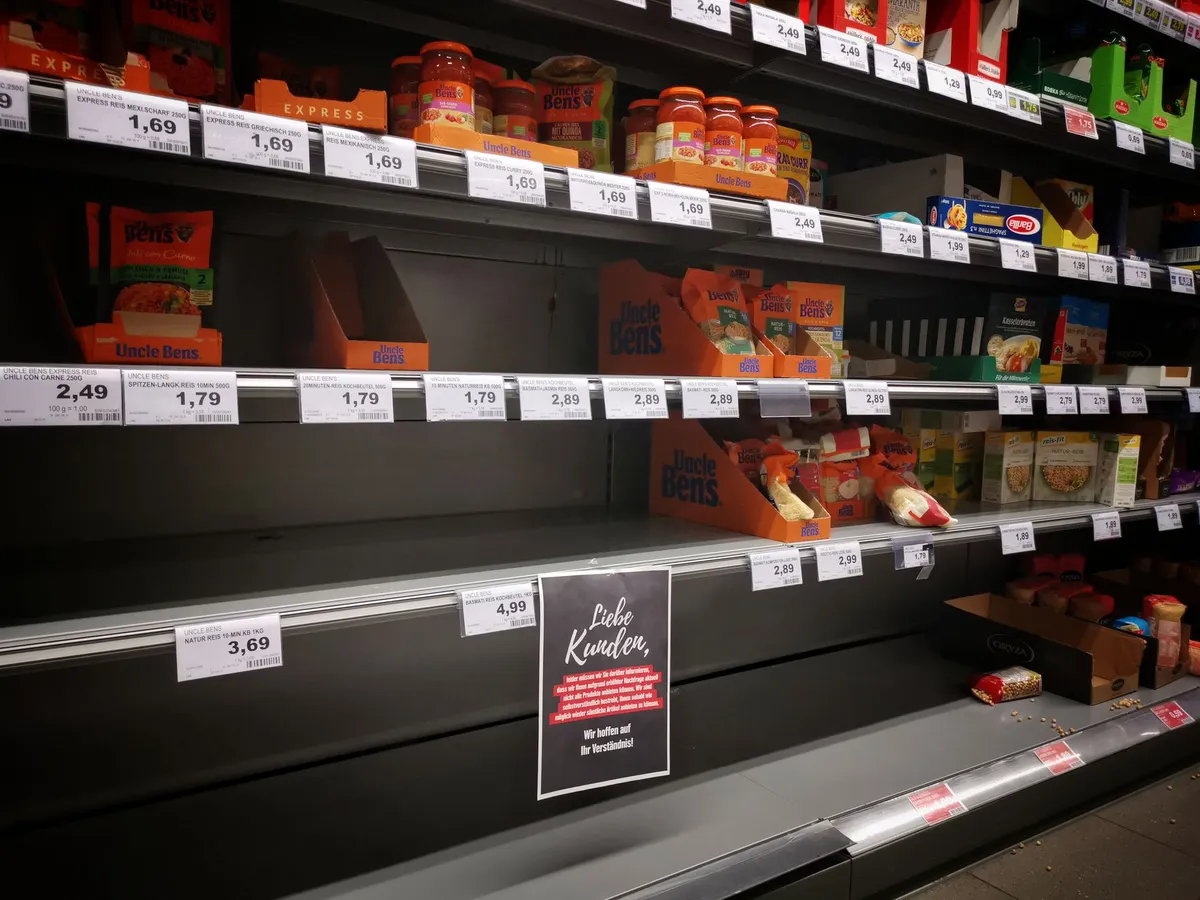
The ramifications of these repeated food safety incidents are profound. Consumers are likely to exercise extreme caution, potentially avoiding all products from Taylor Farms as they associate the brand with illness. Joe Feldman, a senior managing director at Telsey Advisory Group, emphasized the uphill battle the company faces in restoring consumer trust. “It could take some time,” he stated, highlighting the difficulty for consumers to avoid unbranded wholesale produce.
The fear surrounding foodborne illnesses has led to a notable decline in fresh produce sales. Data from NielsenIQ indicates that fresh iceberg lettuce unit sales dropped 15.3% in the four weeks ending July 25 compared to the previous year. This decline follows an 11.1% decrease in the preceding weeks, suggesting that consumer apprehension is significantly affecting purchasing habits.
Understanding Salmonella and Its Risks
Salmonella is a type of bacteria that can cause severe gastrointestinal illness, leading to symptoms such as diarrhea, fever, and stomach cramps. While it can affect anyone, certain populations, including young children, older adults, and those with weakened immune systems, are particularly vulnerable to severe complications.
The CDC and FDA are actively working to trace the source of the current outbreak, analyzing products and distribution channels to prevent further illness. Restaurants like Chipotle and Qdoba, which received the questionable jalapeños, have already removed the products from their menus and alerted their customers, highlighting the swift response necessary to mitigate risks in the foodservice industry.
Regulatory Oversight and Industry Accountability
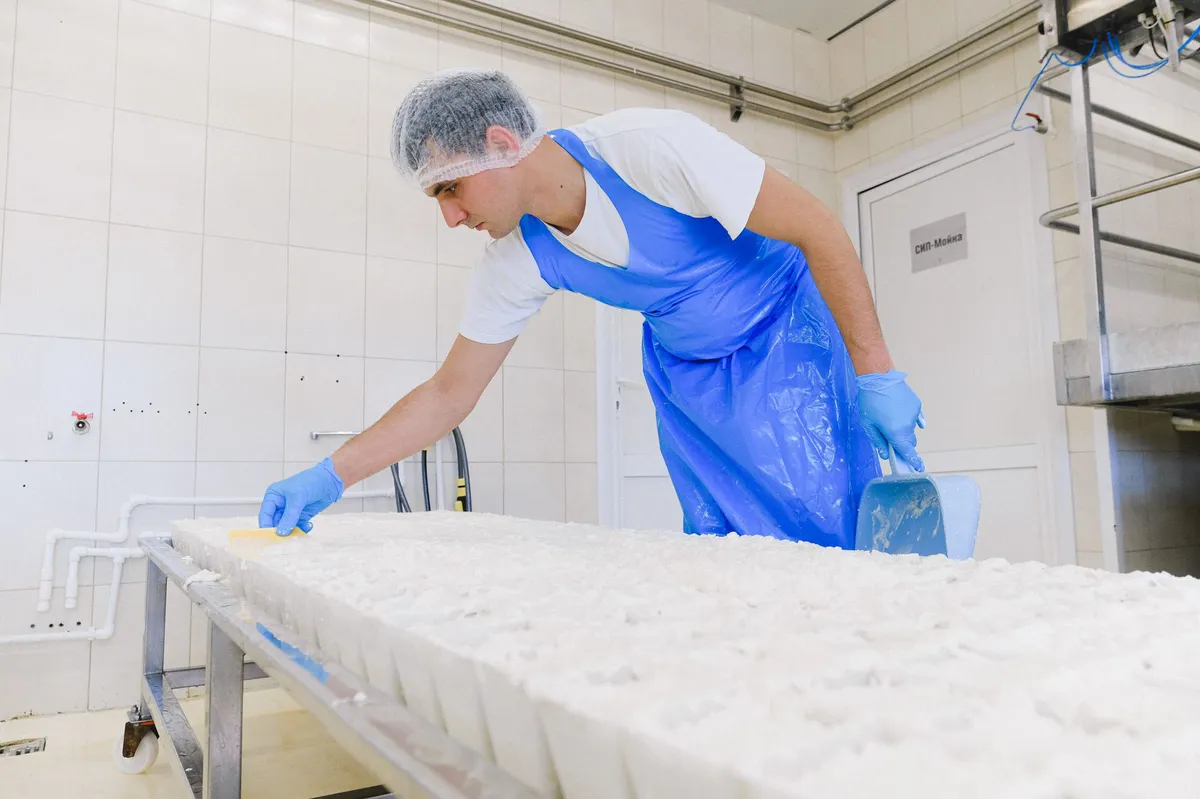
The increasing frequency of foodborne illness outbreaks has prompted calls for stricter regulatory oversight in the food industry. In the wake of these incidents, both the CDC and FDA are under pressure to enhance their monitoring systems and response strategies. The current investigation into Taylor Farms and its suppliers serves as a case study in the need for improved safety protocols at every level of food production and distribution.
In addition to regulatory bodies, industry stakeholders must also take accountability for ensuring food safety. This includes implementing rigorous testing protocols, transparent sourcing practices, and prompt communication with consumers during recalls. The recent events surrounding Taylor Farms emphasize the necessity of maintaining high standards, as lapses in safety can lead to widespread public health issues and significant financial repercussions for companies involved.
Future Implications for Food Safety
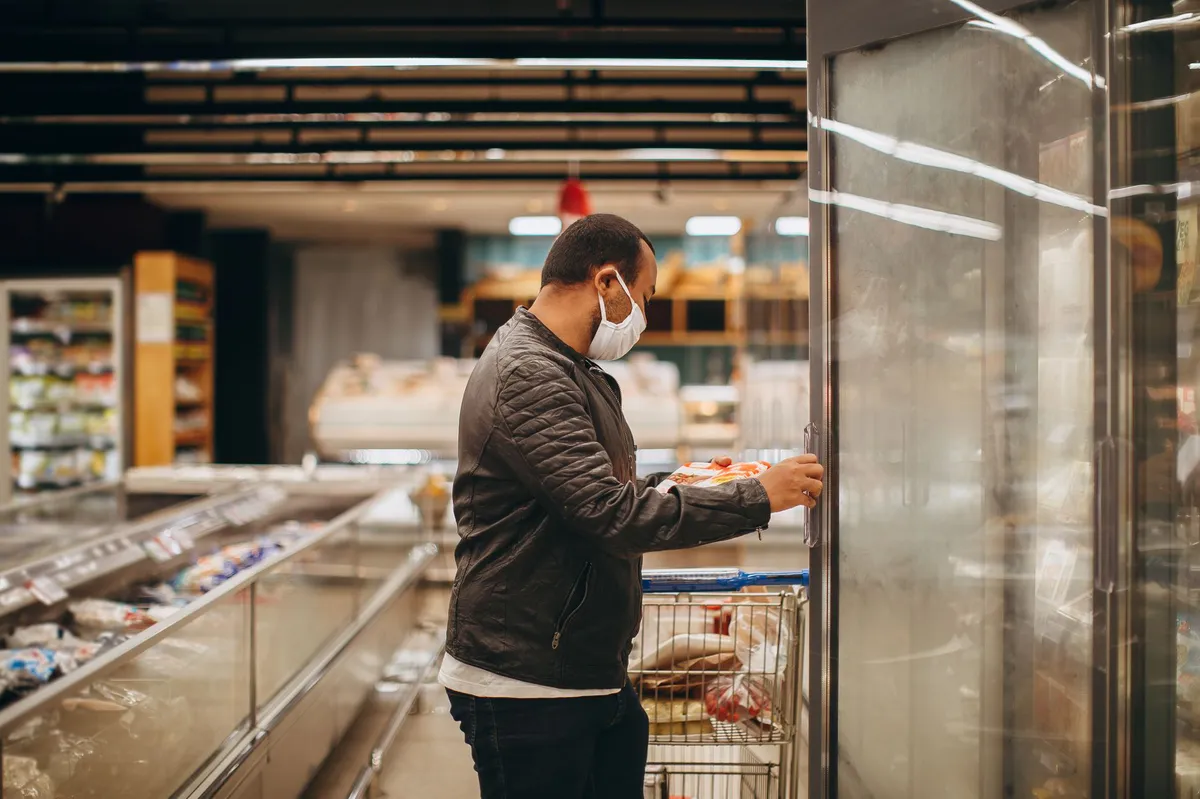
The ongoing issues at Taylor Farms reflect broader challenges in the food supply chain, where contamination can occur at multiple points, from farm to table. As consumers increasingly prioritize food safety, companies must adapt their practices to meet rising expectations.
In the future, we may see consumers gravitating towards local farms or brands that emphasize transparency in their sourcing and production methods. The advent of technology in food tracking and safety monitoring could also enhance consumer confidence, with innovations such as blockchain providing traceability from producers to retailers.
Key Takeaways
- Taylor Farms recalled salsa and guacamole due to potential salmonella contamination.
- The recall affects multiple retailers, including Walmart and Whole Foods.
- Over 345 reported illnesses linked to the outbreak, prompting investigations by CDC and FDA.
- Sales of fresh produce, particularly iceberg lettuce, have significantly declined.
- Industry accountability and enhanced regulatory oversight are critical for improving food safety.
Frequently Asked Questions
What should consumers do if they have purchased recalled products?
If you have purchased any products from Taylor Farms that are part of the recall, it is essential to stop using them immediately. Dispose of the products in a safe manner and monitor for any symptoms of foodborne illness. It is advisable to consult a healthcare professional if you experience severe symptoms such as prolonged diarrhea, fever, or dehydration.
How can I stay informed about food recalls?
Consumers can stay informed about food recalls by subscribing to alerts from the FDA and CDC, which regularly publish updates on food safety issues. Additionally, many grocery stores and food brands provide notifications via email or social media regarding recalls. Checking the USDA’s Food Safety and Inspection Service (FSIS) website can also provide timely information on recalls involving meat and poultry products.
What are the symptoms of salmonella infection?
Symptoms of salmonella infection typically appear six hours to six days after exposure and may include diarrhea, abdominal cramps, fever, nausea, and vomiting. Most individuals recover without treatment, but some may require medical attention, especially those in vulnerable populations such as infants, the elderly, and those with compromised immune systems.
What can the food industry do to prevent future outbreaks?
The food industry can take several proactive steps to prevent future outbreaks, including implementing rigorous testing and monitoring processes throughout the supply chain, enhancing transparency in sourcing practices, and investing in technology for better tracking and traceability. Training for employees on food safety protocols is also crucial, as human error can often lead to contamination. Building a culture of safety within organizations can significantly mitigate risks associated with foodborne illnesses.
Comments
Chronic Heat Risk in Europe: A Deep Dive into the Impacts and Responses
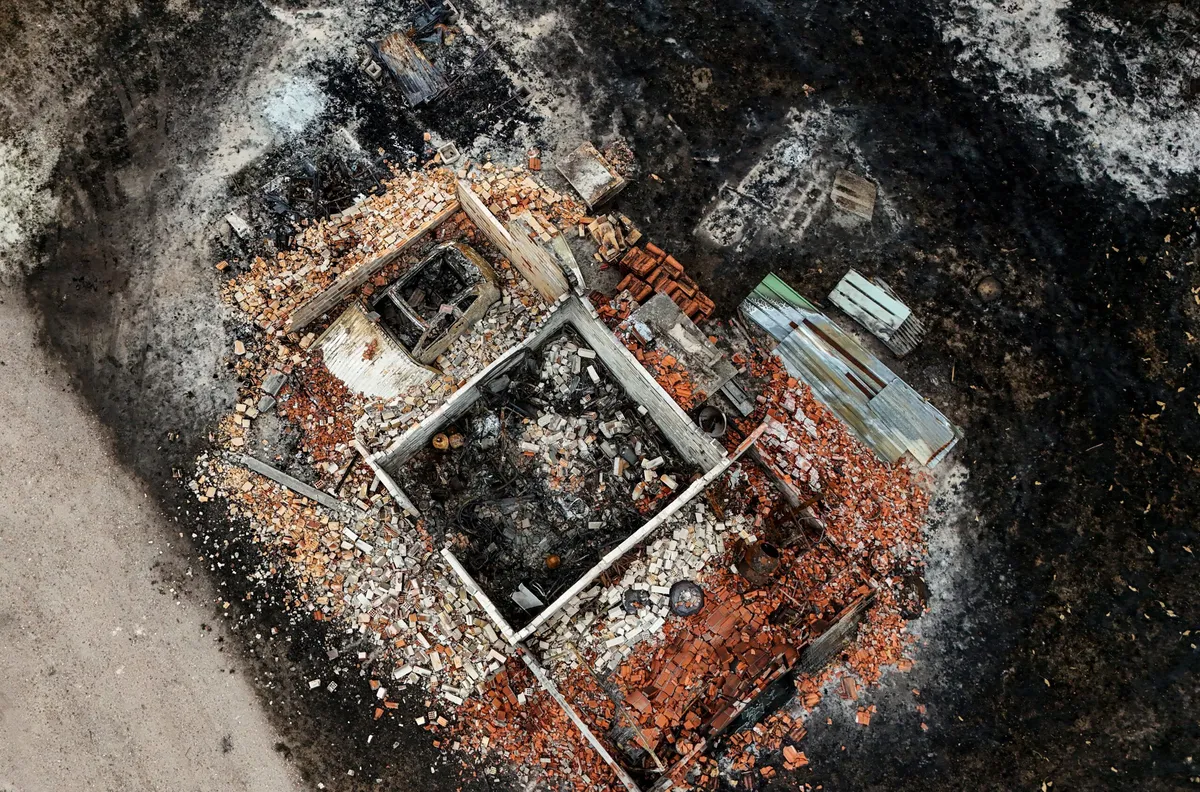
As Europe faces unprecedented heat waves, the Swiss Re Institute warns of severe consequences. This article explores the implications of rising temperatures on health, economy, and insurance.
Related articles





Popular in Business Insurance
- Surging War-Risk Insurance Rates in the Strait of Hormuz: What It Means for Shipping
- Ross & Yerger Insurance Faces Class Action Over Data Breach Allegations
- Sompo Expands U.S. Workers' Compensation Portfolio with Service Insurance Acquisition
- Legal Battle Unfolds Over $1 Million Truck Crash Insurance Payout
- Howden Group's Ambitious Journey Toward IPO and Expansion