Understanding Coverage: Kinsale Insurance's Defense in Townhome Defect Case
Kinsale Insurance seeks a court ruling to avoid defense in a construction-defect case involving water damage claims for a townhome project. This article explores the implications of their legal strategy.
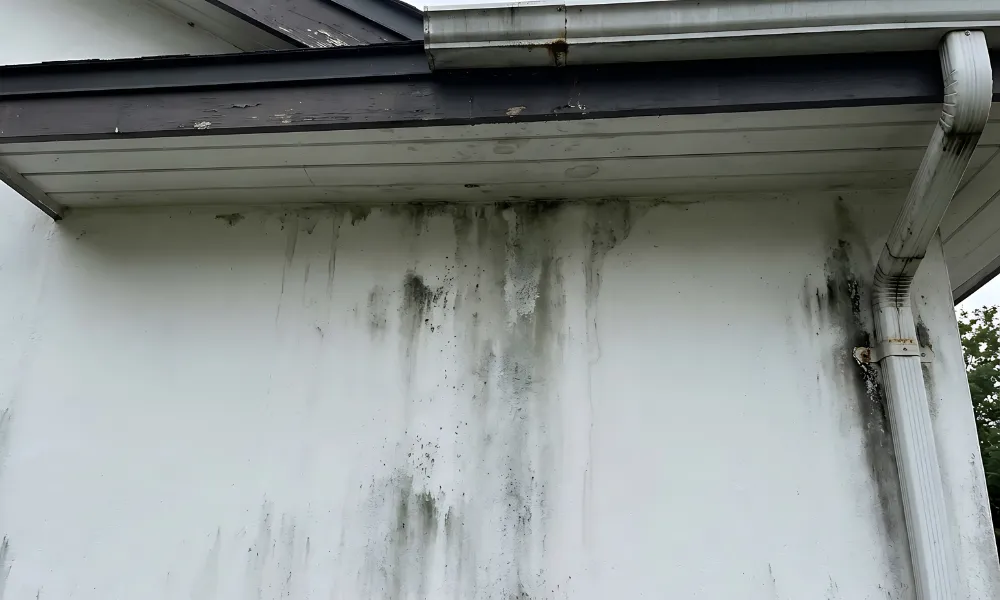
In the complex world of construction insurance, few issues are as contentious as the obligations of insurers to defend their policyholders in lawsuits. A recent case brewing in Portland, Oregon, underscores this critical aspect of coverage law. Kinsale Insurance Company has filed a lawsuit seeking a declaration that it owes no defense or indemnity to Timbers Siding Contractors amidst allegations of significant water damage in a townhome project. As construction defect claims become increasingly prevalent, understanding the nuances of insurance coverage for contractors is essential for both industry professionals and homeowners alike.
The dispute dates back to a lawsuit initiated by the Ironcrest Estates Homeowners' Association against West Coast Home Solutions, the developer responsible for a 31-unit townhome project completed in 2020. Homeowners allege that their properties have suffered from substantial water intrusion, leading to serious structural integrity concerns. This case not only highlights the potential pitfalls of construction projects but also raises significant questions about the responsibilities of insurers to defend their insureds when such claims arise.

Background of the Dispute: A Timeline of Events
The saga began in December 2024, when the homeowners' association filed its lawsuit against West Coast Home Solutions, alleging that the buildings were plagued with water intrusion issues. The association's claims were substantiated by findings from a building envelope specialist, who noted severe and recurrent instances of water intrusion that allegedly compromised the townhomes' structural integrity.
In response to these claims, West Coast Home Solutions brought in its subcontractors, including Timbers Siding Contractors, through a third-party complaint filed in October 2025. The developer asserted that the subcontractors should bear responsibility for the alleged defects, invoking an indemnity clause from their subcontracts, which mandated that subcontractors defend and indemnify West Coast against claims arising from their work.
This step laid the groundwork for Kinsale's legal maneuvering. The insurer, which had provided Timbers with a Commercial General Liability (CGL) policy covering the period from August 5, 2019, to August 5, 2020, sought to extricate itself from the obligation to defend its insured. This is a critical moment because the duty to defend is broader than the duty to indemnify, meaning insurers may have to provide a defense even if they believe they will not ultimately be liable for any damages.

Examining the Policy: Key Exclusions at Play
Kinsale's lawsuit hinges on several key policy exclusions that could potentially absolve the insurer from providing a defense or indemnity in this case. The insurer's complaint outlines the following significant exclusions:
- Residential Exclusion: The policy specifically excludes coverage for claims arising from work on residential condominium or townhome projects, which Kinsale contends applies to the 31-unit development in question.
- Prior Work Exclusion: Any work completed before the policy's inception date of August 5, 2019, is excluded from coverage.
- Your Work and Your Product Exclusions: These exclusions deny coverage for damage resulting from the contractor's own faulty work.
- Fungi or Bacteria Exclusion: Any claims related to mold or moisture damage may fall under this exclusion.
- Property Damage Requirement: Kinsale argues that the underlying claims may not constitute property damage caused by an occurrence as defined in the policy.
These exclusions, if upheld, could significantly limit the scope of Kinsale's liability, potentially freeing the insurer from having to cover Timbers in the ongoing litigation.

The Importance of Declaratory Judgment in Insurance Cases
Kinsale's decision to seek a declaratory judgment from the court is not uncommon in the insurance industry, particularly in complex construction defect cases. A declaratory judgment is a court's ruling that determines the rights and obligations of parties under a contract—in this case, the insurance policy. By seeking this ruling, Kinsale aims to clarify its position and potentially preemptively limit its exposure to liability.
This legal strategy also serves as a reminder of how crucial it is for contractors and subcontractors to understand their insurance coverage, including the limitations and exclusions that may apply. In many instances, contractors may be under the impression that their CGL policies provide broad protection against claims arising from their work. However, as evidenced by this case, the reality can be far more complex.
Implications for Contractors and the Construction Industry
The Kinsale case serves as an important lesson for contractors and subcontractors regarding the intricacies of liability coverage in the construction realm. As claims related to construction defects, particularly those involving water damage, continue to rise, it is imperative for industry stakeholders to:
- Review Insurance Policies: Regularly assess and understand the terms and exclusions of their insurance policies to ensure they are adequately protected.
- Engage in Risk Management: Implement robust risk management strategies to mitigate potential claims arising from construction defects.
- Communicate with Insurers: Maintain open communication with insurance providers to clarify coverage details and seek advice on best practices for risk mitigation.
Moreover, this case exemplifies the potential pitfalls of relying solely on indemnity clauses in subcontracts. While these clauses can provide a layer of protection, they do not substitute for comprehensive insurance coverage.
Key Takeaways
- Kinsale Insurance is seeking a court ruling to avoid defense obligations in a water-damage lawsuit involving Timbers Siding Contractors.
- The case underscores the importance of understanding policy exclusions that can affect coverage for contractors.
- Declaratory judgments are a common strategy used by insurers to clarify their obligations under insurance policies.
- Contractors must actively manage their risks and understand their insurance policies to ensure proper coverage.
Frequently Asked Questions
What is a Commercial General Liability (CGL) policy?
A Commercial General Liability (CGL) policy is a type of insurance that protects businesses from claims of bodily injury, property damage, and personal injury that occur as a result of their business operations. These policies typically cover legal defense costs, settlements, and judgments related to covered claims. However, CGL policies often contain specific exclusions that can limit coverage in certain situations, making it essential for contractors to understand the terms of their policy.
Why are indemnity clauses important in construction contracts?
Indemnity clauses are critical in construction contracts as they outline the responsibilities of each party regarding liability for damages or claims that may arise during a project. These clauses are designed to allocate risk and protect parties from financial loss caused by the actions or negligence of others. However, relying solely on indemnity clauses without adequate insurance coverage can leave contractors vulnerable to significant financial exposure in the event of a claim.
How can contractors mitigate risks associated with construction defects?
Contractors can mitigate risks associated with construction defects by implementing thorough quality control measures, conducting regular inspections, and ensuring compliance with building codes. Additionally, maintaining open lines of communication with clients and subcontractors can help identify and address potential issues before they escalate. Finally, securing comprehensive insurance coverage tailored to the specific risks of a project can provide an essential safety net against claims arising from defects.
What should contractors do if their insurer denies coverage?
If a contractor's insurer denies coverage for a claim, the contractor should first review the policy to understand the basis for the denial. It may be beneficial to consult with an insurance attorney to evaluate the situation and explore options for appealing the denial or pursuing coverage through legal means. Additionally, contractors should maintain documentation of all communications with the insurer and any relevant project documentation to support their case.
Comments
Chronic Heat Risk in Europe: A Deep Dive into the Impacts and Responses
As Europe faces unprecedented heat waves, the Swiss Re Institute warns of severe consequences. This article explores the implications of rising temperatures on health, economy, and insurance.
Related articles





Popular in Business Insurance
- Surging War-Risk Insurance Rates in the Strait of Hormuz: What It Means for Shipping
- Ross & Yerger Insurance Faces Class Action Over Data Breach Allegations
- Sompo Expands U.S. Workers' Compensation Portfolio with Service Insurance Acquisition
- Legal Battle Unfolds Over $1 Million Truck Crash Insurance Payout
- Howden Group's Ambitious Journey Toward IPO and Expansion