FM Insurance's Strategic Acquisition of FortressFire: A Game Changer in Wildfire Risk Management
FM Insurance expands its capabilities in wildfire risk management with the acquisition of FortressFire, a company specializing in advanced wildfire intelligence. This move signifies a shift toward data-driven, structure-level analytics to better mitigate wildfire risks for commercial properties.

In a significant strategic move that underscores the growing importance of advanced analytics in wildfire risk management, FM Insurance has acquired FortressFire, a company at the forefront of wildfire intelligence. This acquisition aims to integrate cutting-edge machine learning with physics-based fire modeling, enhancing FM's efforts to mitigate risks associated with wildfires, particularly for their extensive portfolio of commercial and industrial properties. As wildfires continue to wreak havoc globally, leading to substantial insured losses, this acquisition positions FM to better serve its clients by providing precise, data-driven insights into wildfire risks.
Founded nearly 200 years ago, FM Insurance is a stalwart in the commercial property insurance landscape, insuring many of the world's largest companies, including one in four Fortune 500 firms. The company employs around 2,000 engineers across 14 countries and has built its reputation on engineering-led loss prevention strategies rather than relying solely on risk transfer. The addition of FortressFire aligns perfectly with this philosophy, as it offers a platform that not only estimates fire probability but also evaluates whether specific structures are at risk of ignition and identifies proactive measures to prevent such occurrences.
Understanding FortressFire's Role in Wildfire Risk Management
FortressFire specializes in providing comprehensive wildfire intelligence that caters to a wide array of stakeholders, including insurers, reinsurers, brokers, lenders, and property owners. The company's offerings encompass a range of services, including:
- Aerial wildfire reports that provide real-time insights into fire activity.
- Ground inspections that assess the specific vulnerabilities of structures.
- Monitoring services that track wildfire threats over time.
- Analytics tools that leverage machine learning for predictive modeling.
- Mitigation assessments that recommend actionable steps property owners can take to reduce fire risk.
By operating as an independent division under its own brand, FortressFire will maintain its unique identity while benefiting from FM's extensive resources and expertise. This strategic alignment allows FM to enhance its existing offerings and provide clients with tailored solutions that address the complexities of wildfire risks.
The Growing Threat of Wildfires
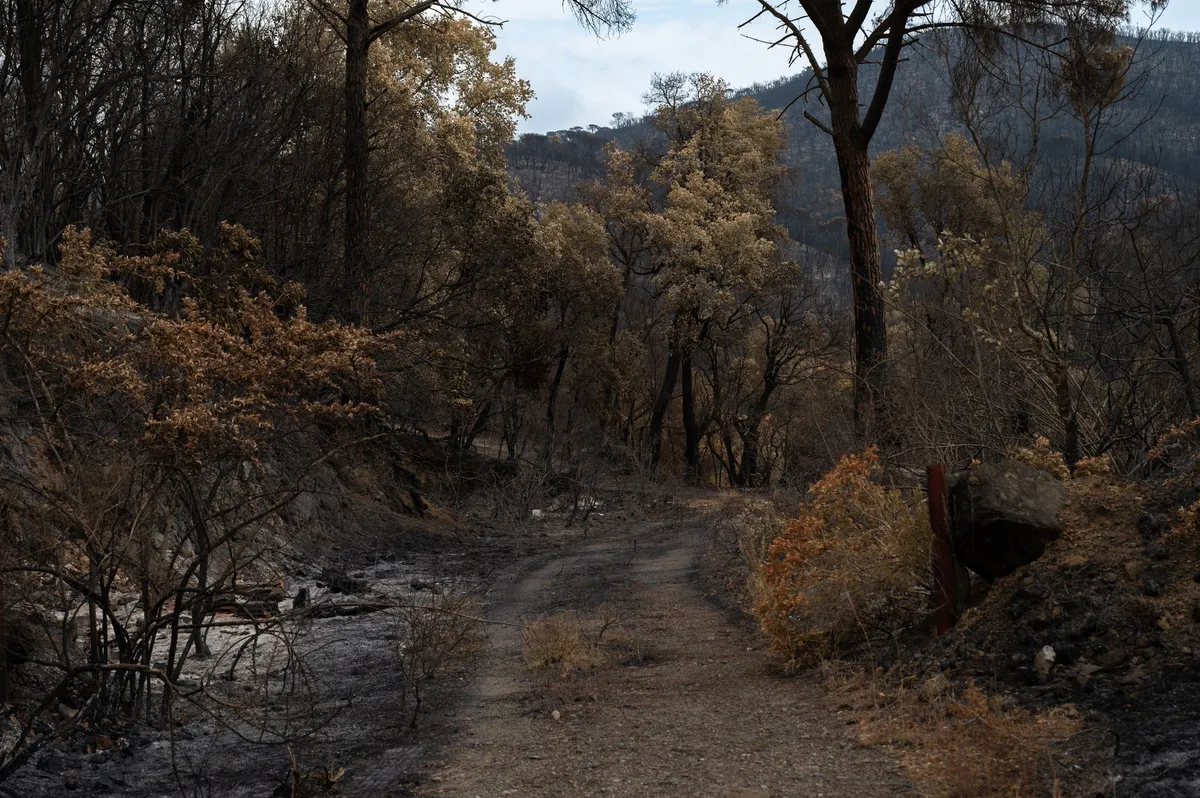
The acquisition comes at a critical time as global wildfire losses continue to escalate. According to data from the Swiss Re Institute, global insured catastrophe losses reached an astounding $107 billion in 2025, with wildfires and severe storms accounting for a staggering 83% of that total. This alarming trend has prompted insurers and other stakeholders to seek innovative solutions that go beyond traditional risk assessment methods.
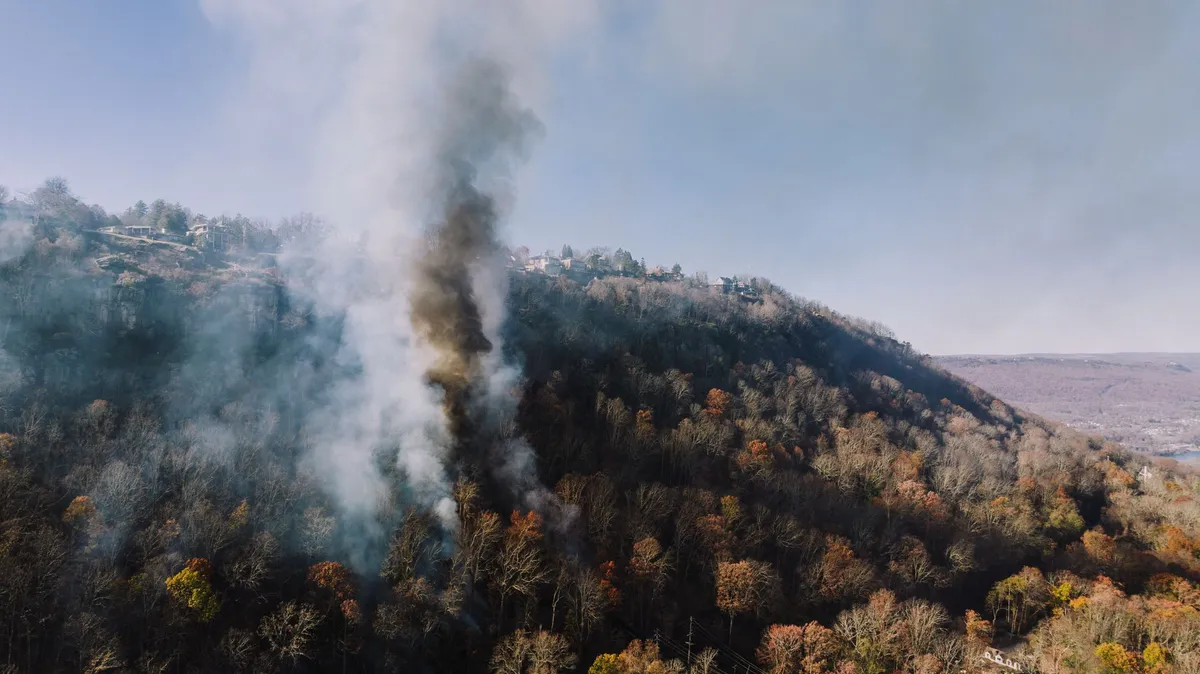
As wildfires become more frequent and intense due to climate change, the demand for sophisticated, data-driven analytics is accelerating. More than 20 US states have already begun incorporating AI-driven wildfire models into their rate filings, a trend supported by data from the Insurance Institute for Business & Home Safety (IBHS) and the American Property Casualty Insurance Association (APCIA). This shift indicates a growing recognition within the insurance industry that effective wildfire risk management requires granular, property-level insights rather than broad geographic segmentation.
The Importance of Data-Driven Risk Mitigation
FM Insurance's CEO, Malcolm Roberts, emphasized the company's belief in the power of data-driven, location-based strategies for risk mitigation. This acquisition highlights a crucial shift in the insurance landscape, where understanding and managing wildfire exposure is paramount. As Ashker, the founder of FortressFire, pointed out, effective wildfire risk management hinges on ignition prevention, which is rooted in scientific analysis and modeling.
In a market where the gap between carriers employing coarse geographic risk segmentation and those utilizing structure-level modeling is widening, FM's acquisition of FortressFire positions it to lead the charge in pricing fire-exposed commercial properties with unparalleled precision. Insurers relying on broader risk models face a compounding problem: they attract a disproportionate share of higher-risk accounts while carriers using granular pricing strategies can offer competitive rates to lower-risk properties. This dynamic is reshaping the profitability landscape for insurers operating in fire-prone areas.
Implications for Brokers and Clients
For insurance brokers, the FM-FortressFire deal represents more than just the addition of a new technology partner; it signals a broader trend toward enhanced wildfire risk analytics across the industry. As clients increasingly document their mitigation efforts—such as creating cleared vegetation zones, hardening structures, and scheduling regular inspections—they become better positioned to secure competitive terms from insurers. This trend underscores the importance of proactive risk management in the insurance marketplace.
As the market evolves, brokers will need to stay informed about the capabilities of advanced analytics platforms like FortressFire. Understanding how these tools can be leveraged to provide clients with tailored solutions will be essential for brokers looking to maintain their competitive edge. The consolidation of wildfire risk analytics, as seen in FM's acquisition and similar moves by companies like FutureProof Technologies, illustrates a market that recognizes the need for robust data infrastructure alongside capacity.

Key Takeaways
- FM Insurance has acquired FortressFire, enhancing its wildfire risk management capabilities.
- FortressFire's platform utilizes advanced analytics to assess property-level wildfire risks.
- The growing threat of wildfires is prompting insurers to adopt AI-driven models for better risk assessment.
- Clients demonstrating proactive mitigation efforts are more likely to secure competitive insurance terms.
- The consolidation trend in wildfire risk analytics points to a shift towards data-driven decision-making in the insurance industry.
Frequently Asked Questions
What are the main benefits of FM's acquisition of FortressFire?
The acquisition allows FM Insurance to enhance its wildfire risk management capabilities by integrating FortressFire's advanced analytics platform. This platform not only estimates fire probability but also assesses specific structural vulnerabilities and offers actionable mitigation strategies. As a result, FM can deliver more precise pricing and tailored solutions to clients facing wildfire risks.
How does this acquisition impact insurance premiums for commercial properties?
The integration of FortressFire's analytics is likely to lead to more accurate assessments of wildfire risks, which could impact insurance premiums for commercial properties. Carriers using advanced modeling techniques can price policies more competitively for lower-risk properties while charging higher premiums for those deemed at greater risk. This shift towards granular pricing could ultimately benefit clients who take proactive measures to mitigate fire risks.
What steps can property owners take to reduce their wildfire risk?
Property owners can implement a variety of strategies to reduce their wildfire risk, such as creating defensible space by clearing vegetation around their structures, using fire-resistant building materials, and maintaining regular inspections to identify vulnerabilities. Additionally, documenting these mitigation efforts can enhance their standing with insurers, potentially leading to more favorable policy terms and premium rates.
How is the insurance industry adapting to the increasing threat of wildfires?
The insurance industry is increasingly recognizing the need for sophisticated, data-driven analytics to address the growing threat of wildfires. With more states accepting AI-driven models in rate filings, insurers are moving towards property-level analytics that provide granular insights into wildfire risks. This shift allows for better risk management, pricing precision, and ultimately, improved outcomes for clients in fire-prone areas.
Comments
How AI is Revolutionizing the Insurance Industry: Insights from the SITE Conference
The introduction of artificial intelligence (AI) in insurance is reshaping roles and processes, emphasizing the need for upskilling professionals. The SITE Conference aims to address these changes through targeted training and education.

Related articles






Popular in Business Insurance
- Surging War-Risk Insurance Rates in the Strait of Hormuz: What It Means for Shipping
- Ross & Yerger Insurance Faces Class Action Over Data Breach Allegations
- Sompo Expands U.S. Workers' Compensation Portfolio with Service Insurance Acquisition
- Legal Battle Unfolds Over $1 Million Truck Crash Insurance Payout
- Howden Group's Ambitious Journey Toward IPO and Expansion