AIG Appoints Christopher O'Connor as Head of Cyber and Professional Liability
Christopher O'Connor has been appointed to lead cyber and professional liability at AIG, amidst growing complexities in these sectors due to AI-driven threats. This strategic move reflects the evolving insurance landscape, where brokers must adapt to intersecting risks.
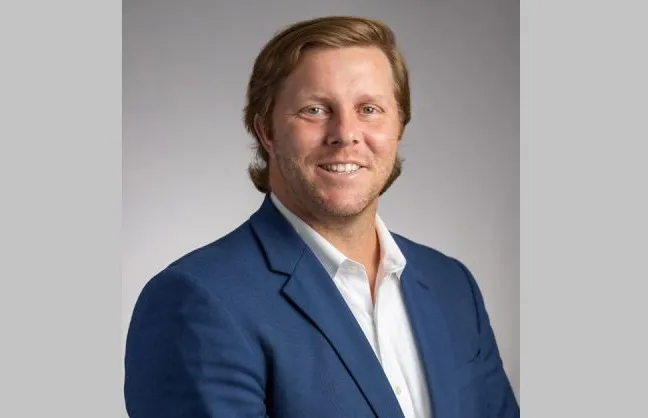
In a significant move within the insurance industry, American International Group (AIG) has named Christopher O'Connor as the new head of cyber and professional liability for North America. This strategic appointment comes at a time when both sectors are grappling with evolving risks and complexities, particularly those driven by advancements in artificial intelligence (AI). With over 15 years of experience at AIG, O'Connor's promotion is not just a reflection of his individual capabilities but also signals a broader trend in the insurance landscape where traditional lines of coverage are increasingly interlinked.
O'Connor, who previously led corporate accounts for AIG's professional liability and cyber insurance, brings a wealth of expertise in handling complex risk programs. His background includes overseeing the company's financial institution cyber business, where he collaborated with some of AIG’s largest clients. Justin Gilmore, head of financial lines at AIG, emphasized O'Connor's deep understanding of the professional liability and cyber sectors, stating that his leadership is crucial as the market navigates these challenging waters.

The Growing Complexity of Cyber and Professional Liability Insurance
As technology continues to evolve, so too do the risks associated with it. The rise of AI has dramatically altered the landscape of cyber threats and professional liabilities. According to Gallagher's 2026 Cyber Insurance Market Outlook, while overall cyber insurance pricing has retreated to levels seen in early 2021, the complexity of claims has significantly increased. The average cost of a data breach in the United States is projected to reach a staggering $10 million by the year 2025, underscoring the financial stakes involved.
For brokers and insurers alike, this evolving risk landscape means that traditional methods of underwriting and claims assessment may no longer suffice. The integration of AI into both everyday business operations and cyber incidents has created new challenges that require innovative solutions. O'Connor's appointment signifies AIG's commitment to addressing these challenges through consolidated leadership and a unified strategy.

Market Dynamics: Premiums and Claims
The professional liability insurance sector, particularly the directors and officers (D&O) market, is facing its own set of challenges. Data from AM Best reveals that direct premiums in this sector have declined significantly, plummeting from nearly $15 billion in 2021 to just over $10 billion in 2025. This decline indicates a softening market, which presents unique challenges for underwriters tasked with balancing competitive pricing against rising claims complexity.
As O'Connor steps into his new role, he will need to navigate these turbulent waters. The softening prices and increasing claims complexity could lead to what AM Best describes as structural cracks in underwriting margins. The implications of these trends extend beyond AIG, as many carriers are likely facing similar pressures. Brokers should consider this new appointment as a signal to reassess how they structure their own underwriting oversight in light of the growing intersection between cyber and professional liability exposures.

A Shift in Underwriting Strategy
O'Connor's promotion is noteworthy not just for his personal achievements, but for the organizational strategy it represents. By consolidating leadership over two lines that are experiencing overlapping challenges, AIG is signaling a proactive approach to the increasingly complex nature of risks in the insurance market. As professional services become more reliant on technology, the potential for cyber incidents rises correspondingly, creating a need for insurers to reevaluate how they manage both cyber and professional liability risks.
This holistic approach could serve as a blueprint for other insurers dealing with similar pressures. Brokers are encouraged to engage with their carriers about how they are handling the intertwined nature of these lines of coverage. A lack of clarity in this regard may indicate a carrier that is ill-prepared for the complexities posed by modern claims.
O'Connor's Background and Expertise
Christopher O'Connor has been a part of AIG since November 2010, joining as an underwriting analyst. His academic credentials include a Master of Professional Studies in Insurance Management and a Bachelor of Science in Economics, both from Columbia University. Furthermore, O'Connor has contributed to the academic community as a guest lecturer in cyber insurance at Columbia, demonstrating his commitment to advancing knowledge in this crucial field.
His extensive experience, particularly with corporate accounts and financial institutions, positions him well to lead AIG's efforts in an increasingly complex insurance environment. As the lines between cyber and professional liability continue to blur, O'Connor's leadership will be pivotal in shaping AIG's response to emerging threats.
Key Takeaways
- Christopher O'Connor has been appointed head of cyber and professional liability at AIG.
- AI is reshaping the landscape of cyber threats and professional liabilities.
- The D&O insurance market is experiencing a significant decline in premiums.
- AIG's consolidation of leadership reflects a proactive approach to intersecting risks.
- Brokers should engage with carriers about their strategies for managing these complexities.
Frequently Asked Questions
What is the significance of Christopher O'Connor's appointment?
Christopher O'Connor's appointment as head of cyber and professional liability at AIG is significant because it demonstrates a strategic shift in how insurers are addressing the complexities of modern risks. By consolidating leadership over these two critical lines, AIG aims to better manage the intersections between them, particularly as both sectors face challenges from AI-driven threats and increasing claims complexity. This move could serve as a model for other insurance companies grappling with similar issues.
How are AI technologies impacting insurance claims?
AI technologies are significantly impacting insurance claims by introducing new levels of complexity. As businesses increasingly rely on AI for operations, the risk of cyber incidents has heightened, leading to more intricate claims processes. Insurers must adapt their underwriting practices and policy wordings to account for these evolving threats. Consequently, the traditional methods of assessing and managing risks may need to be reevaluated to effectively address the challenges posed by AI.
What trends are affecting the cyber insurance market?
The cyber insurance market is currently influenced by several trends, including a decrease in overall pricing and a rise in claims complexity. While competition among carriers has led to lower premiums, the nature of claims has become more complicated, often involving higher costs and longer resolution times. Additionally, the increasing prevalence of AI technologies in business operations presents new risks that insurers must account for in their coverage offerings.
Why should brokers care about these developments?
Brokers should pay close attention to these developments because they directly affect how they place risks and negotiate terms for their clients. AIG's consolidation of leadership in cyber and professional liability insurance serves as a market-wide signal that brokers should evaluate how their carriers are managing the intersection of these two lines. Engaging in discussions about underwriting strategies and risk management approaches will be crucial for brokers to ensure that they are aligned with carriers that are prepared for the complexities of the evolving insurance landscape.
Comments
How AI is Revolutionizing the Insurance Industry: Insights from the SITE Conference
The introduction of artificial intelligence (AI) in insurance is reshaping roles and processes, emphasizing the need for upskilling professionals. The SITE Conference aims to address these changes through targeted training and education.

Related articles







Popular in Business Insurance
- Surging War-Risk Insurance Rates in the Strait of Hormuz: What It Means for Shipping
- Ross & Yerger Insurance Faces Class Action Over Data Breach Allegations
- Sompo Expands U.S. Workers' Compensation Portfolio with Service Insurance Acquisition
- Legal Battle Unfolds Over $1 Million Truck Crash Insurance Payout
- Howden Group's Ambitious Journey Toward IPO and Expansion