Why a Quiet First Half Doesn't Mean Insurance Risks Have Diminished
Despite a significant drop in insured natural catastrophe losses in the first half of 2026, experts warn that risks remain high. Understanding the underlying trends is crucial for consumers and businesses alike.

The insurance landscape is often marked by volatility, and while the first half of 2026 has seen a notable decrease in insured natural catastrophe losses, experts caution against interpreting this period of relative calm as a sign of diminishing risk. According to the Swiss Re Institute, insured losses amounted to approximately $42 billion during this time, a figure that is **16% below the 10-year average** and the lowest first-half total since 2020. This statistic may seem reassuring, but it masks deeper, persistent vulnerabilities that could lead to significant claims if major disasters strike later in the year.
Balz Grollimund, Head of Catastrophe Perils at Swiss Re, emphasized that just because the first half of the year was less costly doesn’t imply that the risks have evaporated. “A less costly first half of the year does not mean the risk has gone away,” he remarked, highlighting the fragility of the situation. The reality is that a single catastrophic event, be it a hurricane, earthquake, or wildfire, could drastically alter the insurance landscape, leading to severe repercussions for policyholders and the industry.
Understanding the Numbers: A Deeper Dive
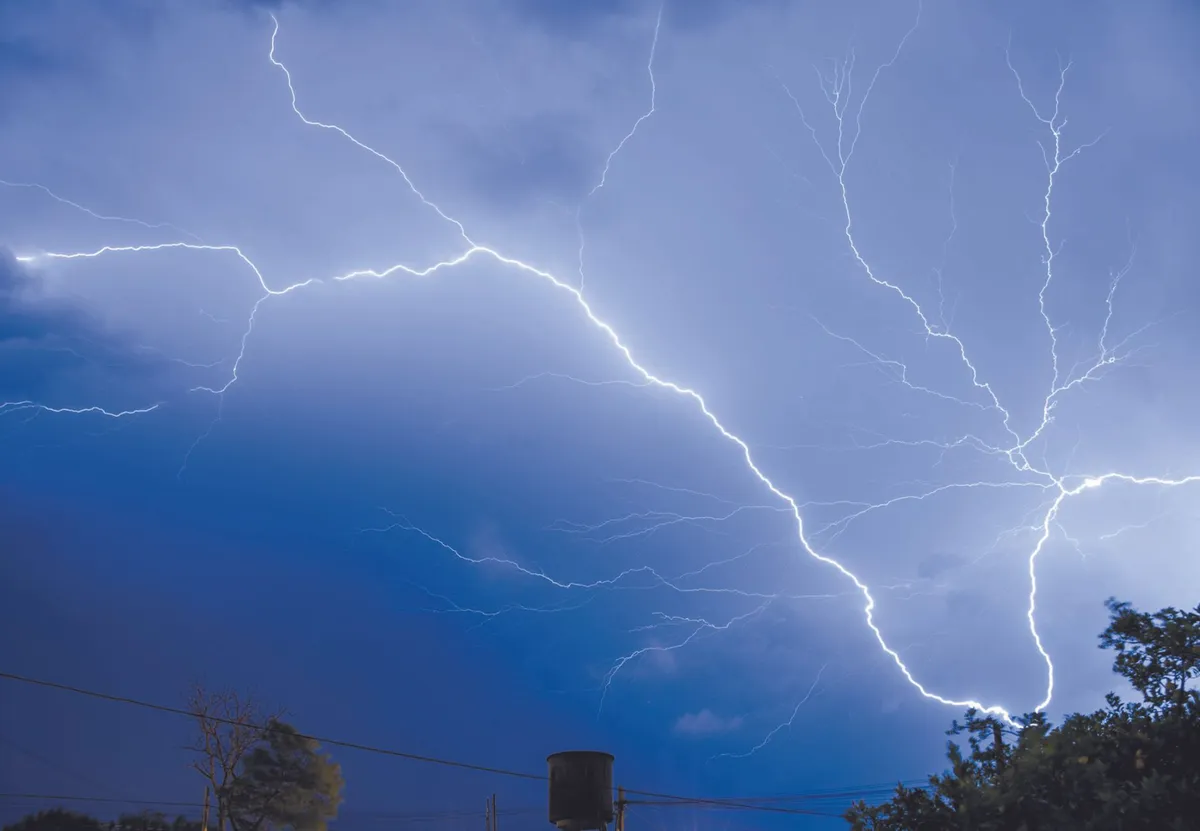
In analyzing the numbers, it’s essential to recognize that while losses were lower than average, the underlying factors contributing to these figures are complex. Severe convective storms accounted for the bulk of the insured losses in the first half of 2026, estimated at **$28 billion**. This type of storm is characterized by thunderstorms that can produce severe weather such as heavy rain, hail, and tornadoes. Despite above-average storm activity in the United States, the absence of high-impact events in key areas like Texas and the Southeastern U.S. contributed to the lower losses.
In contrast, it is important to note that the overall insurance coverage rate was higher than usual. Insurance covered **42% of economic losses** in the first half, compared to the 30-year average of **33%**. This increase in coverage can be attributed to the concentration of damages in regions with high insured assets, rather than an actual improvement in global insurance penetration.

The Protection Gap: A Global Perspective
The stark contrast between insured losses in the U.S. and other regions highlights a significant protection gap. For instance, an earthquake sequence in Venezuela was estimated to have caused **$20 billion** in economic losses, but due to low insurance penetration, only a fraction of that damage is expected to be covered. This situation underscores the vulnerability of areas with inadequate insurance infrastructure and the potential for catastrophic financial repercussions for residents and businesses.
Wildfire Trends: A Growing Concern
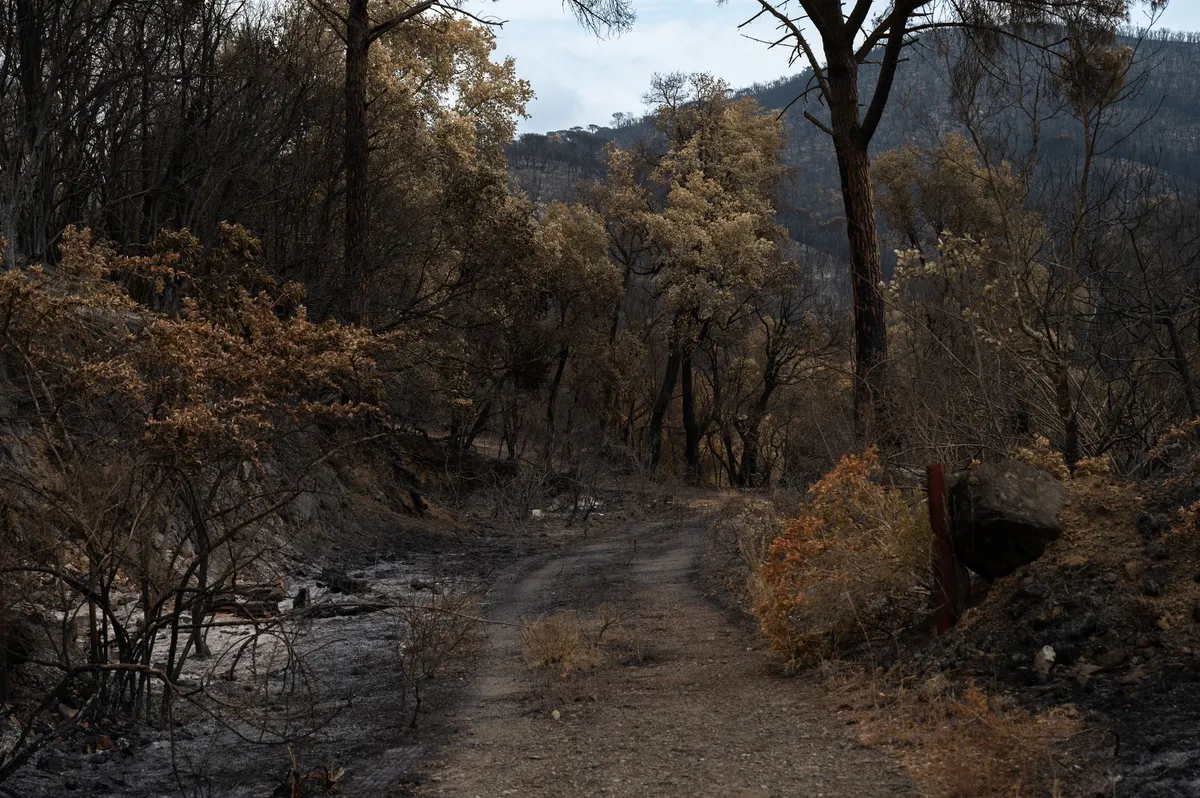
Another pressing issue is the rise of wildfires, which the Swiss Re Institute identifies as the fastest-growing weather peril globally. Insured wildfire losses in Europe have escalated by **8% to 11% annually since 1970**. The increasing frequency of hot days—64% more than in the 1950s—along with drier conditions, has set the stage for more destructive fire seasons. Notably, major fires in France and Spain during July 2026 exemplified this trend, reinforcing the need for greater awareness of wildfire risks.
Risk Redistribution: The Impact of El Niño
Looking forward, the anticipated strengthening of El Niño conditions poses a new set of challenges. Historically, the second half of the year accounts for an average of **58% of global insured natural catastrophe losses**, primarily driven by hurricanes in the North Atlantic. While El Niño tends to suppress hurricane activity, it does not eliminate the risk of landfall. Indeed, **22% of U.S. hurricane landfalls since 1950** occurred during El Niño years. Furthermore, El Niño can shift risks toward the Central and East Pacific, impacting flood and wildfire dynamics in other regions.
As El Niño is expected to persist into early 2027 with a **97% probability**, it raises concerns about drought and wildfire risks in areas previously less affected. This shift in risk distribution necessitates proactive measures from insurers and policyholders alike to prepare for the potential consequences.
Preparing for Future Risks: The Role of Insurers and Brokers
For insurance brokers and agents, the insights provided by the Swiss Re Institute are invaluable in guiding clients. The **8-11% annual increase in wildfire losses** can serve as a talking point when clients question rising premiums, reframing the dialogue from a focus on short-term stagnation to long-term structural trends. Brokers in hurricane-prone regions should be particularly cautious about mid-year rate adjustments, given the historical concentration of losses in the latter half of the year.
Moreover, for those advising clients in regions vulnerable to drought and wildfires, it is essential to highlight the implications of the strengthening El Niño pattern. This proactive approach can help clients re-evaluate their coverage needs and risk management strategies. **Strengthening resilience** and minimizing underlying risks will be critical to maintaining both the affordability and availability of insurance in the future.
Key Takeaways
- First-half insured natural catastrophe losses in 2026 were **16% below** the 10-year average.
- Severe convective storms accounted for **$28 billion** of the losses, mainly due to geographic factors.
- The coverage ratio increased to **42%**, reflecting a concentration of damage in well-insured markets.
- El Niño conditions are predicted to strengthen, redistributing risks toward drought and wildfire.
- Brokers should approach mid-year premium adjustments cautiously, considering historical loss patterns.
Frequently Asked Questions
What does the drop in insured losses imply for the insurance industry?
The decrease in insured natural catastrophe losses suggests a temporary lull in significant events, but it does not indicate a long-term reduction in risk. Insurers must remain vigilant and prepare for potential high-loss events that can occur at any time.
How can policyholders protect themselves against rising risks?
Policyholders should regularly assess their coverage needs based on their geographical risks and the changing climate landscape. Engaging with insurance brokers to understand trends and potential premium increases can help ensure adequate protection against future losses.
What is the significance of the protection gap in regions like Venezuela?
The protection gap in regions with low insurance penetration means that individuals and businesses may face severe financial hardships in the wake of disasters. This highlights the critical need for improved insurance infrastructure and awareness in vulnerable areas.
How does El Niño affect natural catastrophe risks?
El Niño can alter weather patterns, impacting the frequency and severity of natural disasters. In the context of insurance, it is essential to understand that while it may reduce hurricane risks in the Atlantic, it can simultaneously increase risks in other regions, such as drought or wildfires.
Comments
How AI is Revolutionizing the Insurance Industry: Insights from the SITE Conference
The introduction of artificial intelligence (AI) in insurance is reshaping roles and processes, emphasizing the need for upskilling professionals. The SITE Conference aims to address these changes through targeted training and education.

Related articles





Popular in Business Insurance
- Surging War-Risk Insurance Rates in the Strait of Hormuz: What It Means for Shipping
- Ross & Yerger Insurance Faces Class Action Over Data Breach Allegations
- Sompo Expands U.S. Workers' Compensation Portfolio with Service Insurance Acquisition
- Legal Battle Unfolds Over $1 Million Truck Crash Insurance Payout
- Howden Group's Ambitious Journey Toward IPO and Expansion