Implications of Trump's Renewed Jones Act Waiver for Marine Insurance
President Trump's recent extension of the Jones Act waiver raises important questions about the future of U.S. maritime trade, marine insurance underwriting, and national security. This article explores the nuances of the waiver, its impact on the insurance market, and its broader implications for U.S. shipbuilding industries.
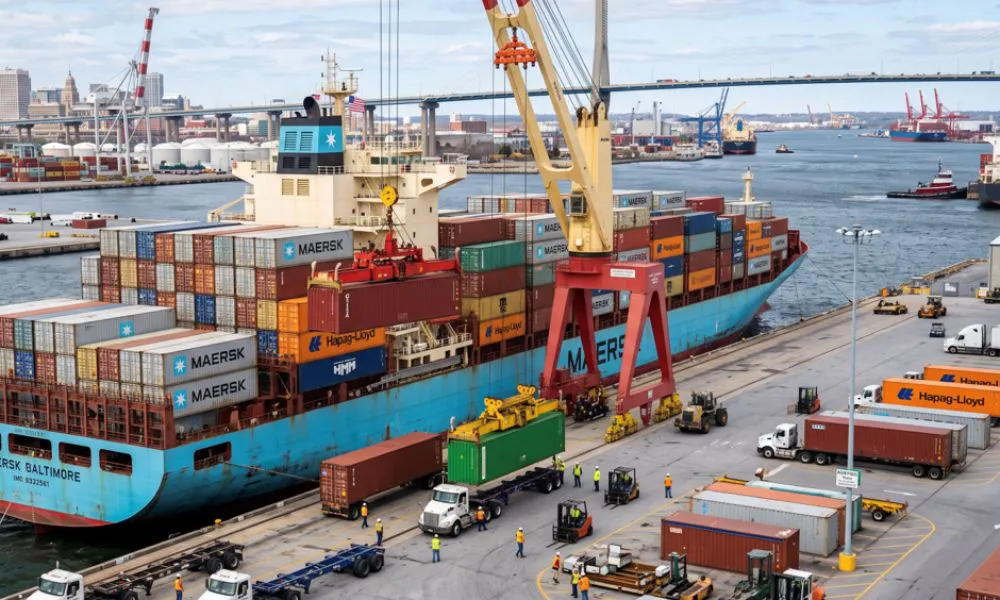
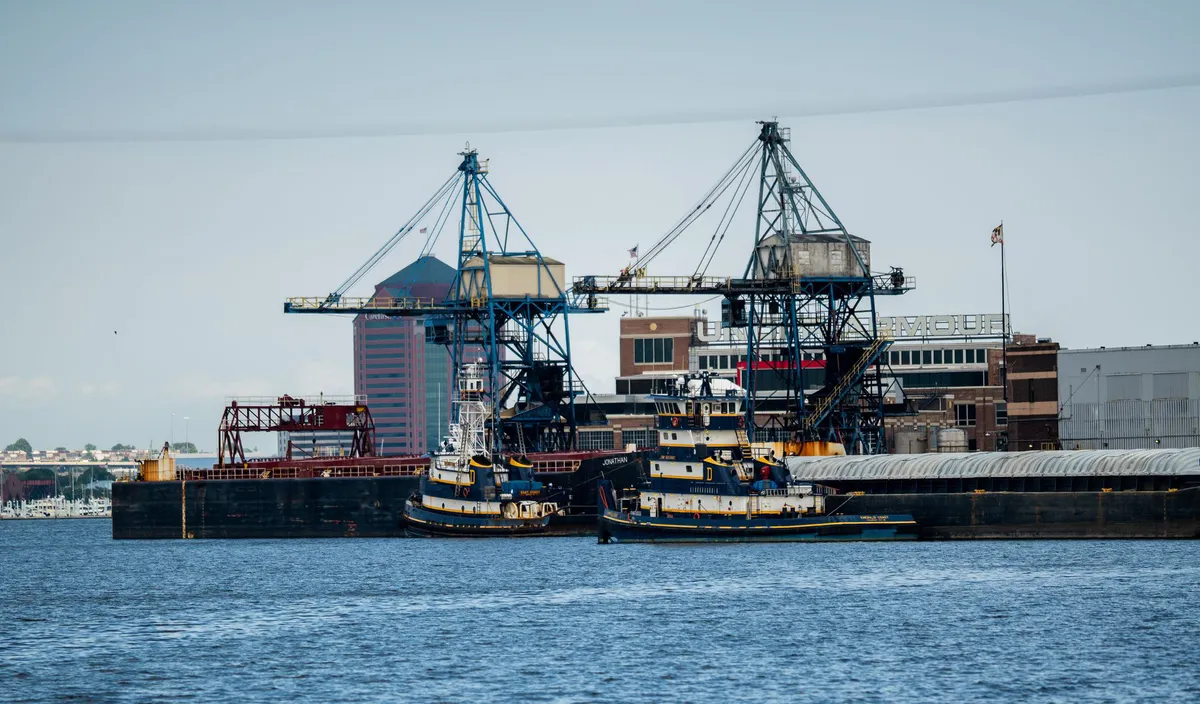
In a significant move that continues to reshape the landscape of U.S. maritime trade, President Donald Trump has once again renewed the Jones Act waiver, allowing foreign-flagged tankers to transport fuel and other essential cargo between U.S. ports. Finalized on Monday, this extension marks the second renewal and comes with tighter restrictions aimed at balancing domestic shipbuilding interests with the need for efficient energy distribution amidst ongoing geopolitical tensions. The implications of this waiver extend far beyond shipping logistics; they significantly impact marine insurance underwriting and pose questions about national security and economic stability.
The Jones Act, or the Merchant Marine Act of 1920, mandates that goods transported between U.S. ports be carried on vessels that are U.S.-flagged, built, and crewed. However, the recent waiver has allowed foreign vessels to bypass these stringent regulations, a decision initially made to mitigate the economic fallout from disruptions in the Strait of Hormuz due to escalating conflicts with Iran. The new waiver introduces more restrictions than its predecessors, demanding case-by-case evaluations for each voyage and requiring the Pentagon to consult the U.S. Maritime Administration to determine the availability of American vessels. This shift underscores a growing tension between domestic maritime interests and the urgent need for energy supply chain stability.
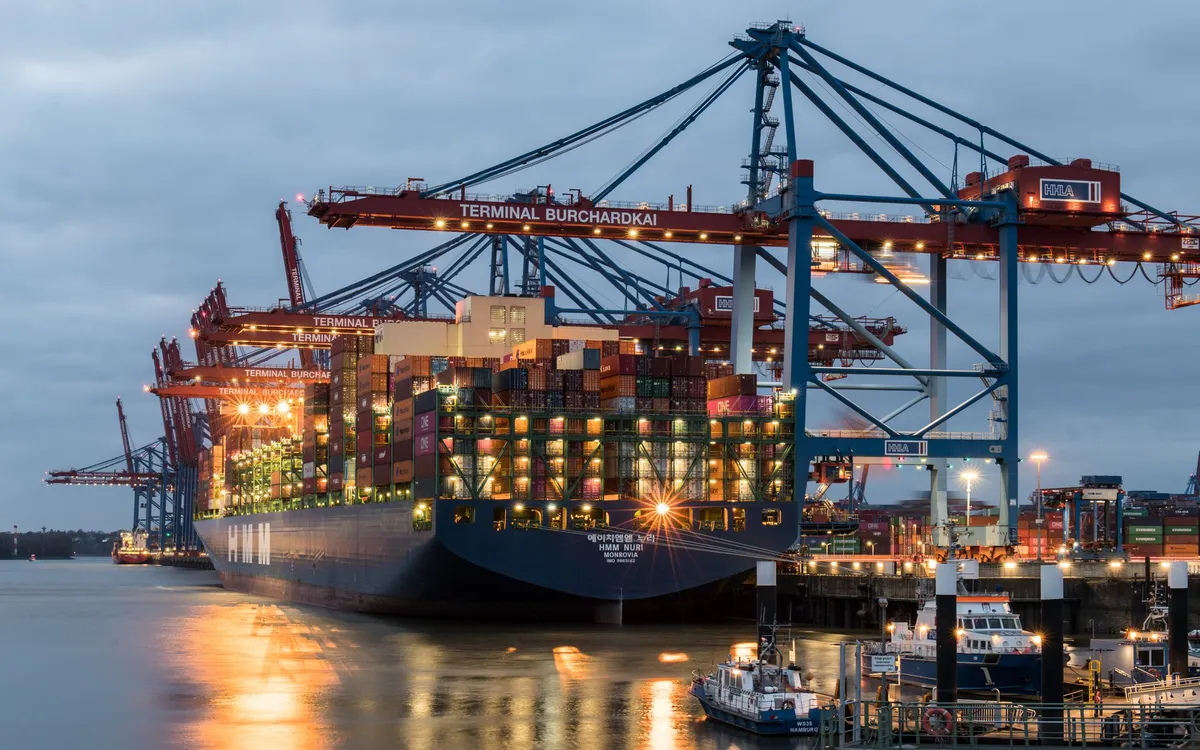
Understanding the Jones Act Waiver
The Jones Act waiver has evolved significantly since its inception. Initially enacted in mid-March, the waiver allowed a broad range of commodities to be transported by foreign-flagged vessels with minimal oversight. This leniency was intended to facilitate quick responses to domestic energy needs, especially as the geopolitical climate shifted. However, the current iteration of the waiver, which narrows eligible cargo to just seven categories—gasoline, jet fuel, crude oil, naphtha, liquefied natural gas, soybean oil, and fertilizers—reflects a shift toward more stringent oversight.
These changes come in response to lobbying from domestic shipbuilders concerned about market competition and national security implications. The Shipbuilders Council of America has raised alarms about the potential erosion of the U.S. shipbuilding industry and the risk posed by foreign vessels, particularly those linked to China. The tightening of the waiver’s parameters aims to alleviate these concerns while still providing necessary flexibility to address immediate energy distribution challenges.
Market Reactions and Insurance Implications
The ramifications of the updated Jones Act waiver are particularly pronounced in the marine insurance market. Underwriters are now faced with a revised risk landscape, necessitating a recalibration of their exposure assessments and underwriting strategies. The narrower cargo scope simplifies the underwriting process by providing a clearer basis for evaluating hull and cargo policies tied to waiver-dependent voyages.
Moreover, the requirement for case-by-case Pentagon review introduces a new timing element, which could delay the approval of foreign vessels entering domestic trade routes. For charterers and underwriters involved in time-sensitive energy shipments, this could complicate logistics and increase costs. Understanding the potential for delays will be critical for those involved in energy transport and insurance.
- Increased scrutiny on vessel eligibility: Underwriters must now conduct more rigorous assessments of foreign-flagged vessels, especially concerning their safety records and compliance with U.S. regulations.
- War-risk premiums remain volatile: The fluctuating nature of war-risk pricing, particularly for vessels transiting the Strait of Hormuz, continues to affect domestic energy sourcing strategies.
- Domestic demand for insurance remains high: As American refiners increasingly rely on domestic fuel sources amid geopolitical tensions, the demand for coastal hull and cargo coverage is expected to rise.
National Security and Economic Considerations
The Jones Act waiver serves as a critical tool for maintaining national security and ensuring the stability of U.S. energy supply chains. As foreign vessels are permitted to operate within domestic waters, the potential risks associated with these ships come to the forefront. The Pentagon’s involvement in the approval process illustrates the administration's intent to monitor national security issues closely.
In this context, underwriters must consider the implications of foreign vessels on domestic security and economic interests. The presence of vessels with ties to nations like China complicates the underwriting process, as insurers must navigate the complexities of sanctions and flag-state regulations. This heightened scrutiny can affect coverage availability and pricing, where underwriters may raise premiums or impose additional conditions to mitigate perceived risks.
The Future of the Jones Act and American Shipbuilding
The prolonged use of the Jones Act waiver has reignited debates surrounding the relevance and efficacy of the 1920 law. Critics argue that the waiver highlights how the Jones Act has become a bottleneck in U.S. maritime trade, particularly when it is convenient for the government to sidestep its restrictions. Proponents of the law, including domestic shipbuilders and lawmakers, contend that the continued extension of the waiver poses a direct threat to the U.S. maritime industry, risking over $2.6 billion in active shipyard contracts and expansion projects.
As the nation approaches the midterm elections, the future of the Jones Act remains uncertain. Should the waiver expire, the ramifications for cargo movement, pricing, and underwriting could be profound. Underwriters are left to ponder how quickly they will need to adjust their strategies to accommodate a return to traditional Jones Act regulations, should that become necessary.
Key Takeaways
- The renewed Jones Act waiver imposes stricter eligibility criteria for foreign vessels while aiming to maintain energy supply chains.
- Marine insurers must adapt their underwriting practices due to the changing risk landscape and potential delays in voyage approvals.
- The ongoing geopolitical tensions continue to influence war-risk premiums and domestic energy sourcing strategies.
- The future of the Jones Act itself is under scrutiny as the balance between national security and maritime industry health is debated.
Frequently Asked Questions
What is the Jones Act, and why is it significant?
The Jones Act, enacted in 1920, requires that goods transported between U.S. ports be carried on vessels that are U.S.-flagged, built, and crewed. It was designed to support the U.S. maritime industry and ensure national security by maintaining a robust domestic shipping fleet. Its significance lies in its impact on shipping costs, national security, and domestic job protection within the shipbuilding sector.
How does the waiver affect marine insurance underwriting?
The waiver allows foreign-flagged vessels to operate in U.S. waters, altering the risk landscape for marine underwriters. With the waiver's recent tightening, underwriters must now evaluate the eligibility and compliance of foreign vessels more thoroughly, which can impact coverage options and premiums. Additionally, the requirement for Pentagon review introduces potential delays in approvals that could further complicate underwriting and logistics.
What are the potential risks associated with foreign-flagged vessels?
Foreign-flagged vessels may pose various risks, including regulatory compliance issues, safety concerns, and geopolitical implications. Insurers must conduct due diligence on these vessels, particularly those linked to countries under sanctions or with strained relations with the U.S. This scrutiny is essential for assessing liability and ensuring that coverage aligns with national security interests.
What is the outlook for the Jones Act and U.S. maritime trade?
The outlook for the Jones Act remains uncertain as debates continue over its relevance in modern trade. If the waiver expires, maritime trade could revert to stricter regulations, impacting cargo movement and pricing. Conversely, ongoing pressures from domestic shipbuilders and lawmakers may push for a reevaluation or repeal of the Act, complicating the future landscape of U.S. maritime commerce.
Comments
How AI is Revolutionizing the Insurance Industry: Insights from the SITE Conference
The introduction of artificial intelligence (AI) in insurance is reshaping roles and processes, emphasizing the need for upskilling professionals. The SITE Conference aims to address these changes through targeted training and education.

Related articles






Popular in Business Insurance
- Surging War-Risk Insurance Rates in the Strait of Hormuz: What It Means for Shipping
- Ross & Yerger Insurance Faces Class Action Over Data Breach Allegations
- Sompo Expands U.S. Workers' Compensation Portfolio with Service Insurance Acquisition
- Legal Battle Unfolds Over $1 Million Truck Crash Insurance Payout
- Howden Group's Ambitious Journey Toward IPO and Expansion