Understanding Storm Resilience: The Importance of Inland Marine Coverage
Severe storms pose a significant risk to businesses, yet many overlook inland marine coverage in their resilience planning. This article explores how to better protect assets that move beyond the building's walls.

In an era marked by increasing severe weather events, businesses must rethink their approach to storm preparedness. While hurricanes and wildfires often steal the spotlight, severe convective storms represent a persistent and costly threat, responsible for a staggering number of billion-dollar disasters in recent years. In 2025 alone, 21 out of 23 billion-dollar disasters were attributed to severe storms, highlighting the need for robust resilience strategies. Yet, despite heightened awareness among commercial property owners, many continue to overlook a vital component of their insurance coverage: inland marine insurance.
Inland marine coverage is essential for businesses that rely on assets transported, stored temporarily, or housed off-site. This type of insurance safeguards property that moves beyond fixed structures, such as construction equipment, raw materials, and inventory in transit. As severe weather patterns evolve, understanding and integrating inland marine coverage into resilience planning becomes increasingly important for businesses aiming to protect their assets and ensure operational continuity.
The Growing Risk of Severe Storms
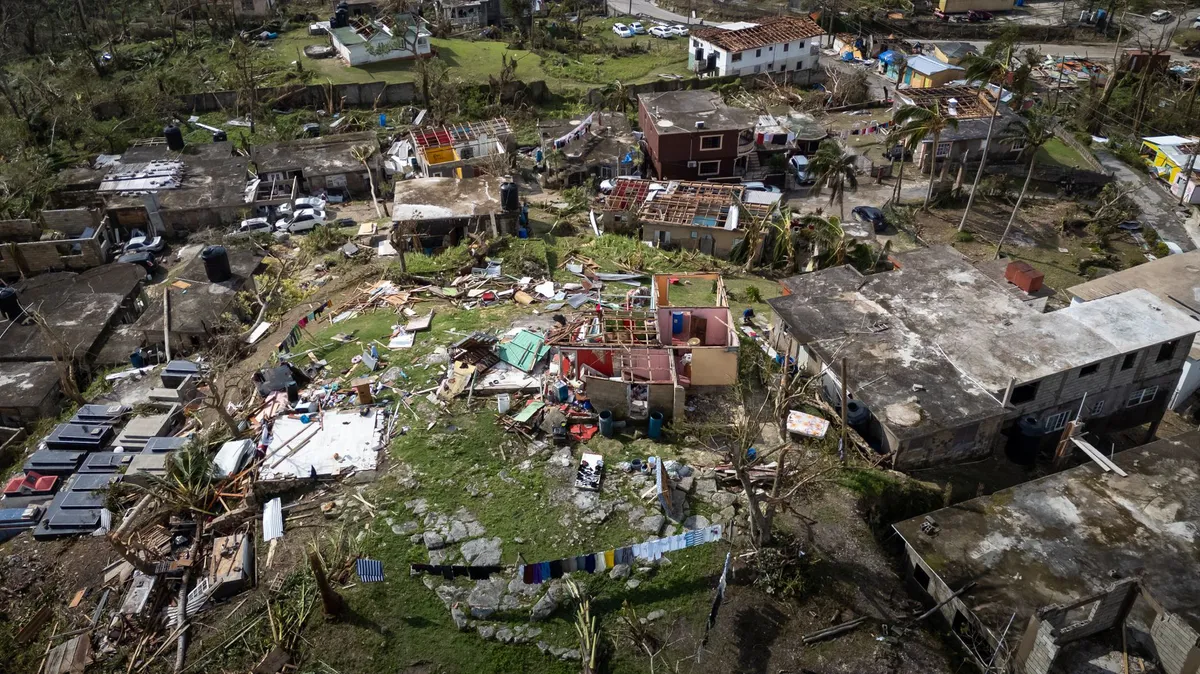
Severe storms are not merely seasonal occurrences; they are a recurring business risk that can lead to significant financial losses. Recent data reveals that since 2020, severe storms have accounted for roughly two-thirds of billion-dollar weather disasters in the U.S. This trend underscores the importance of recognizing that businesses don't need a headline-grabbing catastrophe to experience meaningful losses. Hail, straight-line winds, lightning, flooding, and tornadoes can all occur in a single storm, leading to delays in projects, operational interruptions, and increased pressure on insurance programs.
Understanding the Financial Impact
The financial implications of severe storms are profound. According to recent statistics, the average damage cost over a five-year period has surged from $22.5 billion (adjusted for inflation) a decade ago to $40.9 billion in 2025. This increase reflects not only the growing intensity and frequency of severe weather but also the rising costs of recovery and repair. With commercial property owners increasingly concerned about severe weather—two-thirds report high levels of concern—it is imperative that they take a proactive approach to risk management.
Mapping the Coverage Landscape
For insurance agents, a key opportunity exists in guiding clients to understand where traditional commercial property coverage ends and inland marine coverage begins. This involves a thorough assessment of how property moves through a business's operations—from storage yards to transportation and job sites. By mapping these processes, agents can help surface exposures that may lie outside the confines of traditional property coverage.
- Contractor's Equipment: Machinery and tools used on job sites are often at risk during severe weather.
- Materials in Transit: Raw materials and finished goods moving to various locations may be exposed to damage.
- Builders Risk Property: Structures under construction may have significant coverage gaps during severe storms.
In many cases, these assets are more vulnerable during severe weather than the completed structures themselves. Hail, wind, flooding, and flying debris pose significant threats, and theft often becomes a concern in the aftermath of a storm. By integrating inland marine considerations into the insurance strategy early on, agents can help ensure that clients are adequately prepared for storm-related losses.

Bridging the Coverage Gap
Despite their awareness of severe weather risks, many business owners do not carry adequate insurance coverage. Research indicates that 25% of commercial property owners knowingly have insufficient coverage, while 42% would consider reducing coverage to cut costs. This presents a critical opportunity for insurance agents to facilitate renewal conversations that go beyond confirming limits. Instead, agents should focus on reviewing current property values, equipment dependencies, business interruption exposures, and off-premises property risks.
Proactive Coverage Reviews
These reviews should aim to identify gaps in coverage before a storm strikes. As the threat of extreme weather intensifies and replacement costs rise, coverage for these risks must keep pace. Businesses must recognize that insurance is not merely a safety net; it is a crucial component of their operational resilience strategy.

Integrating Resilience Planning into Operations
Effective storm planning requires a deep understanding of how businesses operate on a daily basis. Insurance agents can play a pivotal role in encouraging clients to consider various aspects of their operations, such as equipment storage, material movement, and project dependencies on temporary locations. By conducting risk management discussions, agents can help businesses prepare for the worst by implementing practical measures to mitigate potential losses.
Practical Risk Management Strategies
For instance, critical building materials and equipment awaiting installation can often be staged indoors when severe weather is forecasted. Contractors can establish procedures to monitor weather conditions before transporting high-value property, relocate equipment from flood-prone areas, and secure materials against wind damage. These proactive steps not only enhance insurance protection but can significantly reduce the severity of losses when severe storms occur.
Key Takeaways
- Severe storms are a persistent risk to businesses, with rising financial implications.
- Inland marine coverage is essential for protecting movable assets that traditional property insurance may not cover.
- Regular coverage reviews can help identify gaps in protection, ensuring businesses are prepared for severe weather.
- Integrating risk management strategies into daily operations enhances resilience and reduces potential losses.
- Insurance agents can guide clients in understanding their full exposure and developing comprehensive strategies for storm preparedness.
Frequently Asked Questions
What is inland marine insurance?
Inland marine insurance is a specialized type of coverage that protects property that is transported over land, as well as certain types of movable property that are not confined to a single location. This includes construction equipment, goods in transit, and materials stored temporarily. Unlike traditional property insurance, which typically covers fixed structures, inland marine policies address the unique risks associated with property that moves or is stored off-site.
Why is inland marine coverage important for businesses?
Inland marine coverage is crucial for businesses because it fills the gaps left by traditional commercial property insurance. Many businesses rely on equipment and materials that are often transported or stored temporarily, making them vulnerable to loss during severe weather events. By securing inland marine coverage, businesses can protect their valuable assets and mitigate the financial impact of potential storms.
How can I assess my business's storm preparedness?
To assess storm preparedness, businesses should conduct a thorough review of their insurance policies, including both commercial property and inland marine coverage. Additionally, they should evaluate their operational processes, including how equipment and materials are stored and transported. Working with an insurance agent can help identify coverage gaps and develop a comprehensive risk management strategy that aligns with the business's unique operations.
What steps can businesses take to enhance their resilience to severe storms?
Businesses can enhance their resilience by implementing proactive risk management strategies, such as staging critical materials indoors during severe weather, establishing procedures to monitor weather conditions, and securing equipment against potential damage. Regularly reviewing insurance coverage and updating policies to reflect current values and risks is also essential. Collaborating with insurance agents to develop a thorough preparedness plan can significantly improve a business's ability to withstand severe weather events.
Comments
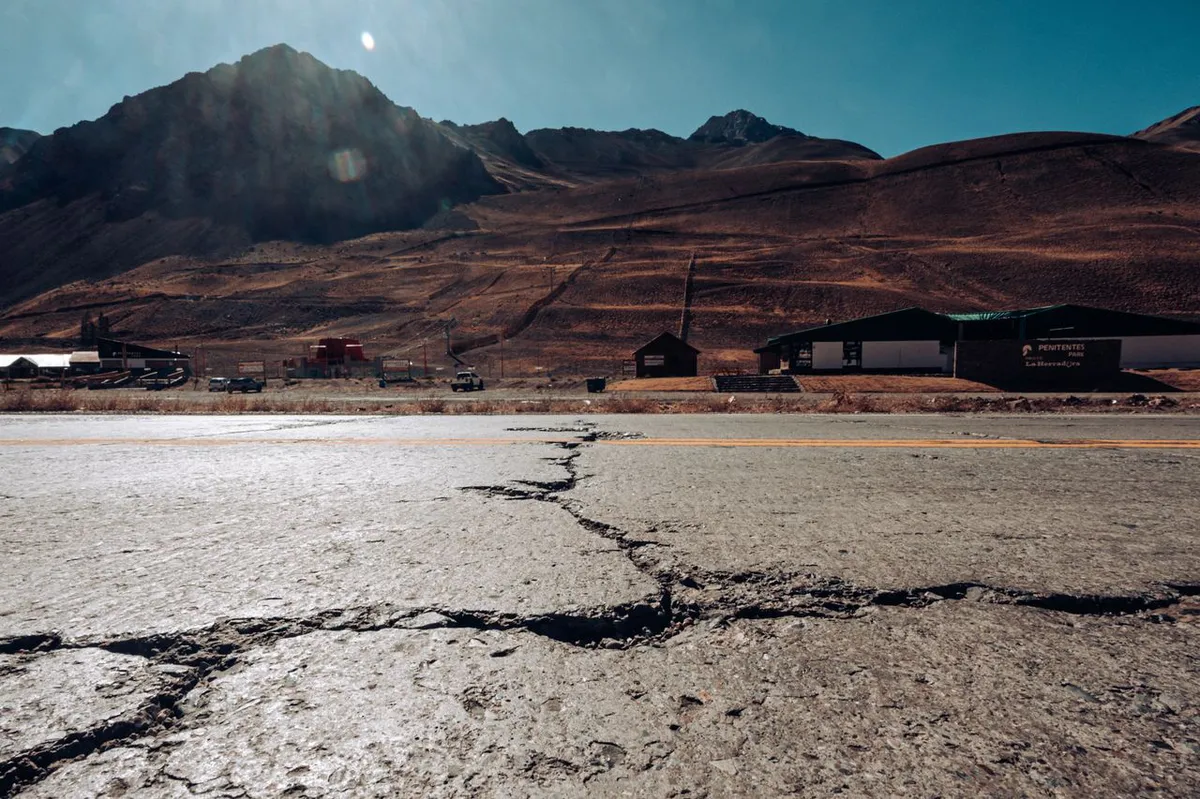
Revolutionizing Earthquake Insurance: The First Parametric Payout in Peru
Liberty Mutual Re and Safehub have made history with the first sensor-triggered earthquake parametric payout in Peru, offering a new approach to disaster recovery. This innovative insurance model promises immediate liquidity, transforming how businesses cope with seismic risks.
Related articles






Popular in Business Insurance
- Surging War-Risk Insurance Rates in the Strait of Hormuz: What It Means for Shipping
- Ross & Yerger Insurance Faces Class Action Over Data Breach Allegations
- Sompo Expands U.S. Workers' Compensation Portfolio with Service Insurance Acquisition
- Legal Battle Unfolds Over $1 Million Truck Crash Insurance Payout
- Howden Group's Ambitious Journey Toward IPO and Expansion