Revolutionizing Earthquake Insurance: The First Parametric Payout in Peru
Liberty Mutual Re and Safehub have made history with the first sensor-triggered earthquake parametric payout in Peru, offering a new approach to disaster recovery. This innovative insurance model promises immediate liquidity, transforming how businesses cope with seismic risks.

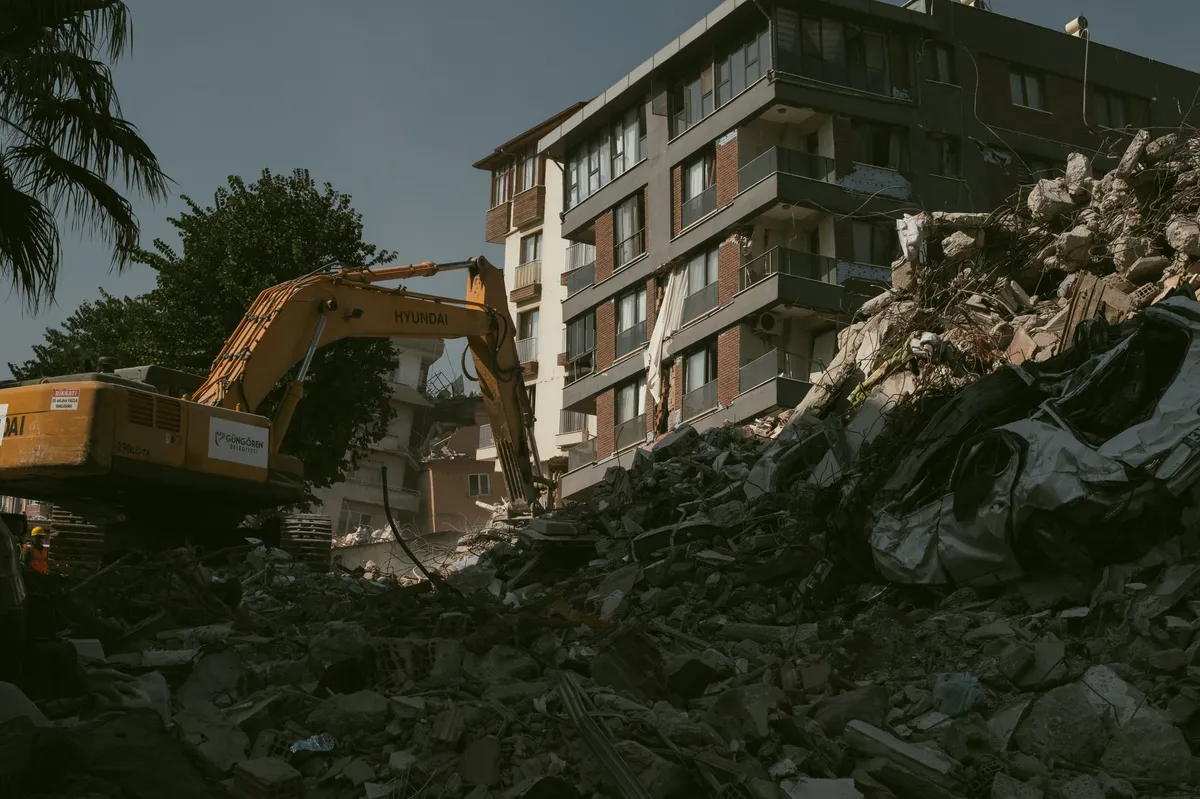
In a groundbreaking development for the insurance sector, Liberty Mutual Reinsurance (LM Re) and Safehub have successfully executed the first-ever sensor-triggered earthquake parametric payout following a significant seismic event in Ica, Peru. This milestone not only showcases the capabilities of cutting-edge technology in the insurance landscape but also underscores the urgent need for innovative solutions in regions plagued by seismic risks.
On May 19, 2026, a magnitude 5.8 earthquake struck Ica, triggering the claims payment process for a commercial client holding a ShakeNet Parametric policy. Within just 21 days of the event, the client received funds to address immediate recovery costs, marking a significant departure from traditional indemnity-based claims processes that can take months. This swift payout is a testament to the evolution of insurance mechanisms designed to provide timely financial support in times of crisis.
The Evolution of Parametric Insurance
Parametric insurance differs fundamentally from traditional indemnity insurance. While traditional policies reimburse insured parties based on actual losses incurred—often requiring comprehensive damage assessment—parametric policies offer payouts based on predefined triggers. In the case of earthquakes, this trigger is usually a specific magnitude of seismic activity measured near the insured location.
However, the advent of Safehub's ShakeNet Parametric system has introduced a more nuanced approach. Instead of relying solely on magnitude measurements from distant epicenters, this innovative model utilizes a network of sensors that generate localized shaking maps immediately following a seismic event. The data gathered is powered by the OpenQuake engine from the Global Earthquake Model Foundation, allowing for a precise assessment of ground acceleration levels at specific client locations.
Addressing Basis Risk
One of the primary challenges in the adoption of parametric insurance has been 'basis risk.' This term refers to the discrepancy between the payout and the actual loss experienced by the insured party. For instance, a policy based on magnitude could trigger a payout even when the earthquake's impact was minimal at the insured site, or conversely, fail to trigger when a smaller local quake causes significant shaking and damage.
Safehub's sensor-level data mitigates this risk by providing real-time measurements of ground movement, ensuring that payouts correlate closely with the actual impact on the insured property. This advancement not only enhances the reliability of parametric insurance but also builds trust among businesses operating in high-risk areas.
The Peru Earthquake: A Case Study
The May 19 earthquake in Peru serves as a crucial case study in the effectiveness of the parametric insurance model. The commercial client involved had purchased the ShakeNet policy in October 2025 as a complement to their existing traditional indemnity coverage. This layered approach allowed them to benefit from both immediate liquidity through the parametric layer and the comprehensive assessment provided by their indemnity policy.
Andy Thompson, CEO of Safehub, emphasized the significance of this event, stating, "A parametric insurance policy is only as good as the data driving the trigger. This first-of-its-kind payout validates the real-world impact of Safehub's Shake Network." His remarks highlight that the success of such innovative insurance products is intrinsically linked to the quality and reliability of the data they utilize.
Implications for the Insurance Market
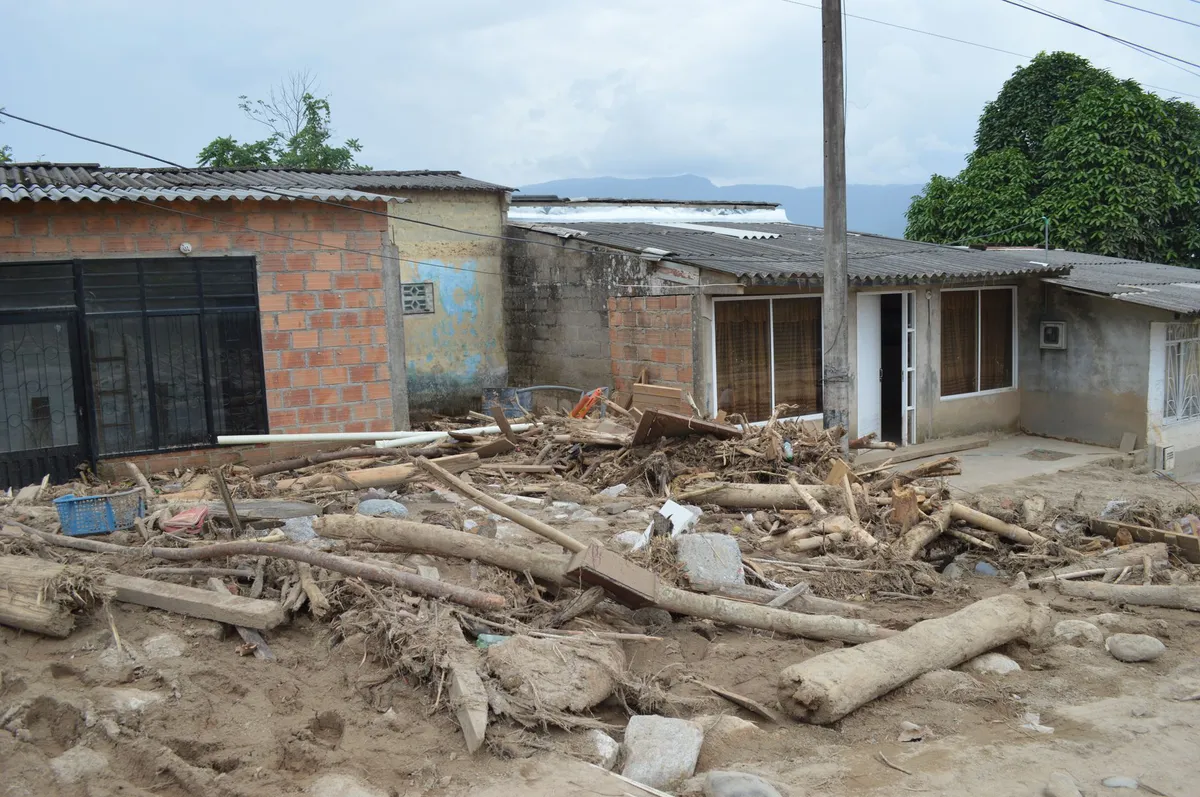
The successful payout in Peru has broader implications for the parametric insurance market, particularly in Latin America. This region is characterized by substantial seismic risk, yet it suffers from low insurance penetration. The rapid payout facilitated by the parametric model addresses a critical cash-flow gap that businesses often face after a disaster, enabling them to recover more swiftly and effectively.
Jean-Christophe Garaix, head of parametrics and agriculture at LM Re, noted, "There is a huge potential for parametric insurance right now, particularly after recent seismic events in the LatAm region. The speedy payout in Peru demonstrates how the solution can strengthen disaster resilience." This statement reflects a growing recognition among insurers and brokers of the need for innovative solutions in disaster-prone areas.
Market Potential and Future Directions
The global parametric insurance market is on the brink of significant expansion, with estimates suggesting it could reach $34.4 billion by 2033. Earthquake and tropical cyclone coverage are among the most established segments driving this growth. As more businesses recognize the value of immediate liquidity in disaster recovery, the demand for parametric products is expected to surge.
LM Re and Safehub's collaboration began with a sensor-based parametric reinsurance treaty in 2023, evolving into the launch of ShakeNet Parametric in August 2025. The successful payout in Peru is the first recorded live trigger since the product's commercial launch, serving as a verified reference point for brokers and clients alike.
For brokers working with commercial clients in seismically active markets such as Peru, Chile, Colombia, and Mexico, the Peru placement structure provides a practical model to address the unique challenges posed by natural disasters. The combination of a parametric layer alongside traditional indemnity coverage offers a comprehensive risk management strategy that can enhance resilience.

Key Takeaways
- First Sensor-Triggered Payout: The 21-day payout in Peru marks a significant milestone in parametric insurance.
- Localized Data Advantage: Safehub's sensor network reduces basis risk, ensuring payouts align with actual seismic impacts.
- Market Growth: The global parametric insurance market is projected to reach $34.4 billion by 2033, driven by growing demand for immediate disaster recovery solutions.
- Strategic Collaboration: The partnership between LM Re and Safehub exemplifies the potential of innovative insurance solutions in high-risk regions.
- Regional Relevance: The Peru case provides brokers with a real-world model for addressing seismic risks in Latin America.
Frequently Asked Questions
What is parametric insurance, and how does it work?
Parametric insurance is a type of coverage that provides payouts based on predefined triggers, such as the magnitude of an earthquake or the amount of rainfall during a storm. Unlike traditional indemnity insurance, which compensates based on actual losses, parametric insurance offers a more straightforward claims process, allowing for faster payouts. This model is particularly beneficial in disaster-prone areas where immediate financial support is essential for recovery.
What are the benefits of using sensor technology in parametric insurance?
The integration of sensor technology into parametric insurance provides a significant advantage by delivering real-time data on seismic activity. This localized information helps reduce basis risk, ensuring that payouts correspond closely to actual damage experienced by the insured. As a result, businesses can better manage their financial recovery and mitigate the uncertainties typically associated with traditional insurance claims processes.
How can businesses in Latin America benefit from parametric insurance?
Businesses operating in seismically active regions of Latin America can benefit from parametric insurance by gaining access to quick liquidity following a disaster. Given the region's high seismic risk and the slow pace of traditional indemnity claims, parametric products can fill a critical gap. By purchasing a parametric layer alongside traditional coverage, companies can ensure they have immediate funds available for recovery efforts, enhancing their overall resilience to natural disasters.
What does the future hold for parametric insurance?
The future of parametric insurance looks promising, with experts predicting substantial growth in the market over the coming years. As businesses increasingly recognize the importance of immediate financial support in disaster recovery, demand for parametric products is expected to rise. Innovations in sensor technology and data analysis will continue to enhance the effectiveness and reliability of parametric insurance, making it an essential tool for risk management in high-risk regions.
Comments
Navigating Rising Health Plan Premiums: Strategies for Employers
As health insurance premiums soar, U.S. employers grapple with rising costs and seek innovative strategies to manage their benefit offerings. This article delves into the current landscape of employer-sponsored health plans and the implications of recent regulatory changes.
Related articles





Popular in Business Insurance
- Surging War-Risk Insurance Rates in the Strait of Hormuz: What It Means for Shipping
- Ross & Yerger Insurance Faces Class Action Over Data Breach Allegations
- Sompo Expands U.S. Workers' Compensation Portfolio with Service Insurance Acquisition
- Legal Battle Unfolds Over $1 Million Truck Crash Insurance Payout
- Howden Group's Ambitious Journey Toward IPO and Expansion