Navigating Insurance Risks in the Lithium Triangle: What You Need to Know
A new report by WTW highlights significant insurance gaps in the Lithium Triangle, which could leave organizations vulnerable to financial losses from unexpected disruptions. This article dives deep into the implications for businesses reliant on lithium resources.
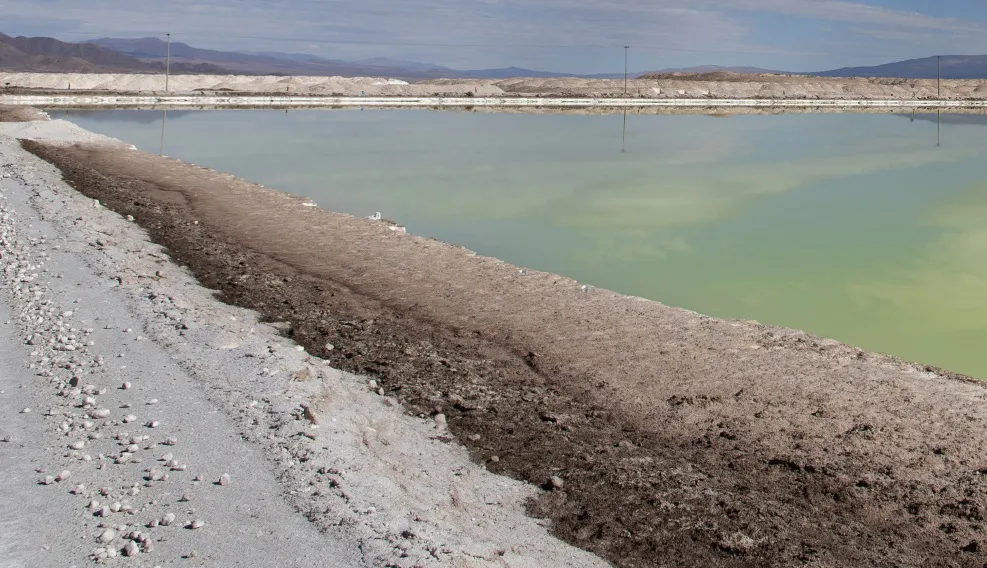
As the world increasingly shifts toward renewable energy, lithium has emerged as a cornerstone of the global economy. Concentrated primarily in the Lithium Triangle—comprising parts of Chile, Argentina, and Bolivia—this precious resource accounts for nearly half of the world’s identified lithium reserves, according to the US Geological Survey. However, a recent report from WTW raises alarms about the potential insurance gaps that could expose businesses to significant financial risks amidst geopolitical and operational disruptions in the region. In this article, we will explore the findings of the WTW report, the specific risks associated with the Lithium Triangle, and what organizations can do to safeguard their investments.
Understanding the Lithium Triangle and Its Importance
The Lithium Triangle is not just a geographical designation; it's a vital hub for the production of lithium, a key component in batteries for electric vehicles (EVs), smartphones, and renewable energy storage systems. As global demand for lithium continues to soar—projected to reach 3 million metric tons by 2025—countries in this region are racing to ramp up production. However, this increased activity heightens the risk of various disruptions that could threaten supply chains and financial stability.
According to the WTW report, disruptions in this region are not limited to physical damage; rather, they often stem from operational restrictions, government interventions, and labor actions. This means that traditional insurance programs, which typically cover physical damage to assets or straightforward business interruptions, may fall short in adequately protecting organizations from the full spectrum of risks involved.

Key Disruption Scenarios and Their Implications
WTW's analysis examines three specific scenarios that illustrate how local events can escalate into broader operational and financial crises:
1. High-Altitude Earthquake in Bolivia and Argentina
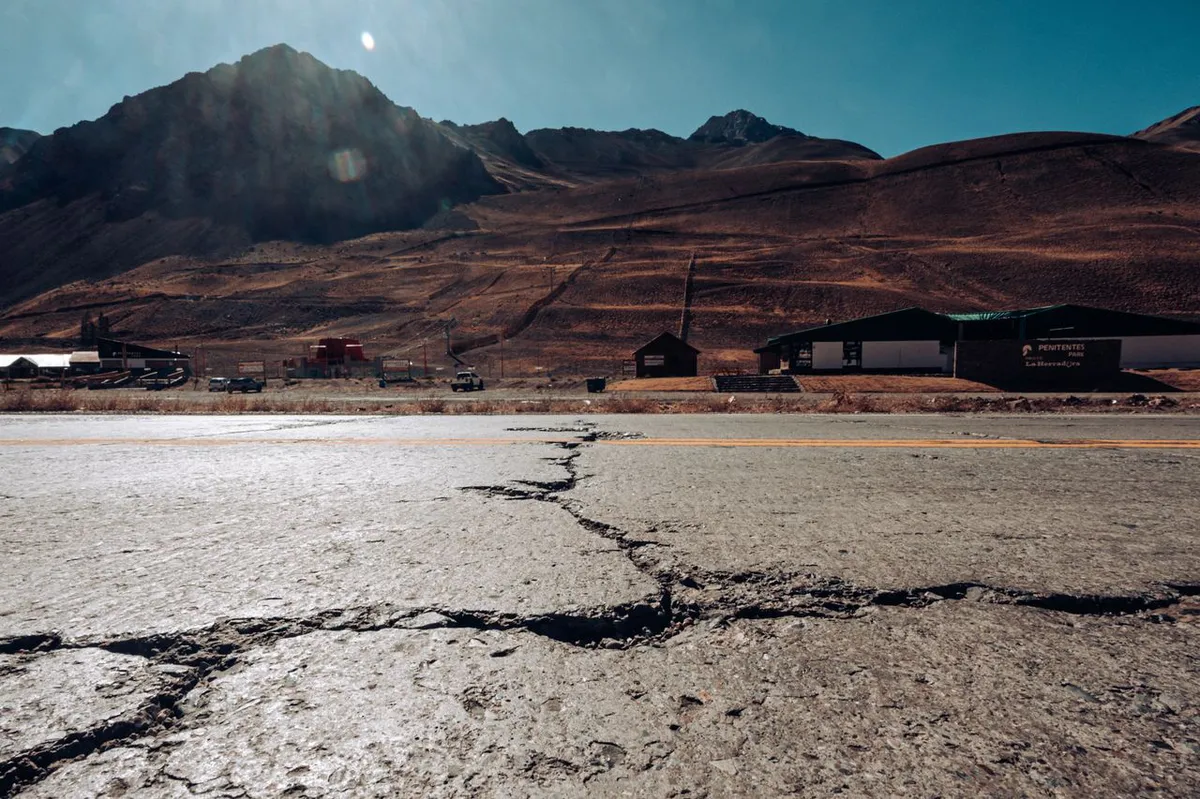
This scenario models the impact of a high-altitude earthquake, which could cause serious operational disruptions beyond just physical damage. Following such an event, companies might face:
- Water contamination issues
- Community protests against mining activities
- Government-imposed operational restrictions
These factors could lead to significant financial repercussions, including deferred revenue, contract penalties, and restricted capital movement, potentially exceeding the costs associated with repairing physical damage.
2. Extraordinary Export Levy in Argentina
In times of economic crisis, Argentina could impose an export levy that complicates trade dynamics. Such a measure might result in:
- Corridor blockades affecting transportation
- Security incidents that further hinder operations
- Foreign-exchange restrictions limiting the ability to conduct international transactions
Standard insurance policies typically do not cover these types of government actions. Recovery would depend on whether companies have secured political risk insurance or specific contract clauses that mitigate the impact of such government interventions.
3. Automation-Driven Port Strike in Chile
The automation of ports, while improving efficiency, can also lead to labor disputes. A strike at Antofagasta, Chile’s main export hub for lithium, could generate significant disruptions, including:
- Delays in shipments
- Reduced throughput at ports
- Increased logistics costs
As noted in the report, a lawful strike alone may not trigger standard business interruption coverage, leaving companies vulnerable to prolonged operational delays.
Key Insurance Coverage Considerations
The WTW report outlines five critical areas of insurance coverage that organizations must review to ensure they are adequately protected against the unique risks associated with the Lithium Triangle:
- Political Risk Structures: Coverage for government actions that affect asset use.
- Political Violence and Related Business Interruption: Protection against access restrictions due to protests or security responses.
- Contract Frustration: Coverage for fiscal or foreign-exchange measures that impact delivery obligations.
- Denial of Access and Non-Damage Disruption: Insurance for situations where assets remain intact but are inaccessible.
- Supply Chain and Contingent Business Interruption: Protection for disruptions affecting upstream operations that impact downstream activities.
Organizations should not view these areas in isolation; instead, they should consider them as part of an integrated insurance program that anticipates compound disruption events rather than single-cause losses. The WTW report emphasizes that exposure in the Lithium Triangle doesn't require direct involvement in mining or extraction.

The Broader Impact on Industries and Supply Chains
The implications of potential disruptions in the Lithium Triangle extend beyond companies directly involved in lithium production. Industries such as battery manufacturing, electric vehicle production, and electronics are all intricately linked to this region through their supply chains. These companies face material disruption risks from political instability, labor disputes, and logistical bottlenecks that can severely impact their operations and profitability.
As Rupert Mackenzie, head of natural resources at WTW, aptly noted, “Organizations are exposed not only where they operate but also through supply chains, logistics corridors, and financing structures.” This highlights the importance of understanding where exposure exists before disruptions occur and where resilience, risk retention, or insurance can mitigate those risks.
Key Takeaways
- The Lithium Triangle is critical for global lithium supply, but it faces unique disruption risks.
- Standard insurance programs may not cover the financial losses resulting from operational disruptions in this region.
- Organizations should consider integrated insurance solutions that anticipate compound disruption scenarios.
- Industries linked to lithium supply chains, including EV and battery manufacturers, must be proactive in assessing their exposure risks.
- Reviewing political risk and contract clauses is essential to ensure comprehensive protection.
Frequently Asked Questions
What are the unique risks associated with the Lithium Triangle?
The Lithium Triangle faces a variety of risks, including geological issues like earthquakes, economic policies such as export levies, and labor disputes affecting port operations. Each of these risks can lead to operational delays and financial losses that traditional insurance policies may not adequately cover.
How can organizations assess their exposure to risks in this region?
Organizations should conduct thorough assessments of their supply chains, operational dependencies, and the political landscape in the Lithium Triangle. This includes reviewing contracts for political risk clauses and ensuring that insurance policies are fit for purpose, specifically addressing potential disruptions.
Why might standard insurance policies be insufficient for businesses in the Lithium Triangle?
Standard insurance policies are typically designed to cover physical damage and straightforward business interruptions. However, many risks in the Lithium Triangle stem from operational restrictions or government actions, which may not trigger these conventional policies. Companies may need to explore specialized coverage options to protect against these unique risks.
What steps should businesses take to protect themselves against disruptions?
Businesses should review their insurance arrangements comprehensively, focusing on integrating various coverage areas to address compound risks. They should also stay informed about geopolitical developments in the region and consider securing specialized insurance that covers political risks, contract frustrations, and supply chain interruptions.
Comments
Revolutionizing Earthquake Insurance: The First Parametric Payout in Peru
Liberty Mutual Re and Safehub have made history with the first sensor-triggered earthquake parametric payout in Peru, offering a new approach to disaster recovery. This innovative insurance model promises immediate liquidity, transforming how businesses cope with seismic risks.
Related articles







Popular in Business Insurance
- Surging War-Risk Insurance Rates in the Strait of Hormuz: What It Means for Shipping
- Ross & Yerger Insurance Faces Class Action Over Data Breach Allegations
- Sompo Expands U.S. Workers' Compensation Portfolio with Service Insurance Acquisition
- Legal Battle Unfolds Over $1 Million Truck Crash Insurance Payout
- Howden Group's Ambitious Journey Toward IPO and Expansion