After a Tragic Killing: The New Era of Executive Security in Health Insurance
The fatal shooting of UnitedHealthcare CEO Brian Thompson has triggered a significant shift in how insurance companies approach executive security, with many increasing their spending and implementing new safety measures. This article explores the implications of this tragedy for the insurance industry and executive protection practices.
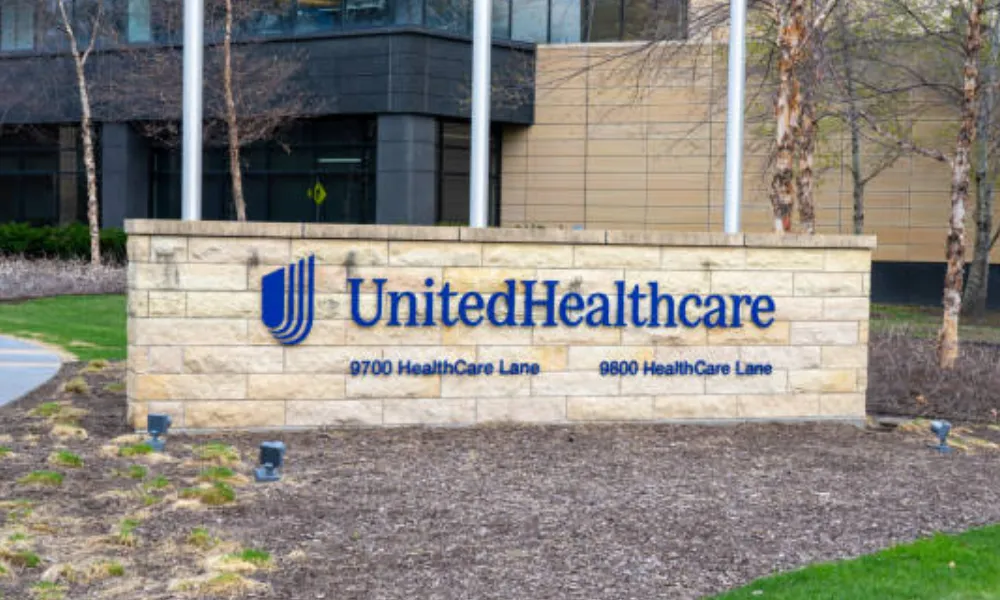
The tragic shooting of Brian Thompson, the CEO of UnitedHealthcare, has not only left a mark on the individual lives involved but has also dramatically reshaped the landscape of executive security within the insurance industry. On December 4, 2024, Thompson was shot outside a Manhattan hotel by Luigi Mangione, who subsequently pleaded guilty to interstate stalking resulting in death. Mangione's chilling admission of guilt—"I shot Mr. Thompson in Manhattan and he died"—has sent ripples through corporate America, particularly in sectors that are consumer-facing and heavily scrutinized, such as health insurance.
This incident has raised critical questions about the safety of executives, particularly those at the helm of companies that deal directly with the public's health and finances. In the wake of Thompson's death, the insurance market has seen a noteworthy uptick in security expenditures, a development that signals a shift in how firms perceive risks related to executive roles.
The Impact of Thompson's Death on Executive Security Protocols
Following the tragic event, over one-third of the largest publicly listed insurance companies in the U.S. reported an increase in spending on executive security. According to corporate filings, UnitedHealth Group alone disclosed a staggering $1.7 million on executive security in the year of the shooting, which is roughly four times the corporate average. This increase included nearly $927,000 allocated specifically for the protection of Optum CEO Heather Cianfrocco. The company has also implemented perimeter protection at its campuses and has taken measures to remove executive photographs and biographical details from public materials — steps that have been rapidly mirrored by other health systems and insurers like Elevance Health.
This shift indicates a fundamental re-evaluation of security measures at a time when public sentiment towards health insurers has become increasingly polarized. The bullet casings found at the scene bore the words "deny," "defend," and "depose," which many interpreted as references to the contentious claims denial practices that have fueled public frustration against health insurers. This dynamic sets this incident apart from other instances of workplace violence and has generated a wave of public sympathy for Mangione rather than for the victim, Thompson.

Increased Security Measures Across the Industry
National Trends in Executive Protection
The response to Thompson's murder has not been limited to UnitedHealthcare. Major players in the health insurance sector have also ramped up their security measures significantly. Executives from Cigna, CVS Health, Aetna, and Centene have reportedly hired local police to patrol their personal residences in the aftermath of the shooting.
Security firms have described the surge in demand for protective services as unprecedented, with one executive protection provider stating they received about half a month’s worth of new client inquiries within just two days of the incident. This spike in requests reflects a significant cultural shift regarding executive safety in sectors that have been historically viewed as low-risk.
- Increased corporate security budgets: Many firms are now allocating substantial funds to enhance executive protection.
- Perimeter security measures: Companies are implementing physical barriers and surveillance systems.
- Enhanced personal security for executives: Hiring local law enforcement for executive residences has become common.
- Public relations sensitivity: Firms are re-evaluating how they present their executives to the public.
The Underlying Causes: A Shift in Public Sentiment
Security consultants have noted that the public reaction to Thompson's death reveals a deep-seated anger directed at health insurers, largely due to ongoing disputes over claims denials and coverage issues. This sentiment has become a critical factor in shaping corporate security strategies and is indicative of a broader, sustained risk that executives in this sector now face.
The outpouring of sympathy for Mangione—who has been viewed as a symbol of public frustration—contrasts sharply with the traditional narrative surrounding workplace violence. This has led many in the insurance sector to recognize that the risk landscape is not merely a reaction to isolated incidents but rather indicative of systemic issues that have persisted for years. As a result, firms are now compelled to reassess their risk management strategies in a way that reflects this evolving public sentiment.

Long-term Implications for Risk Management
Shifting Corporate Governance Standards
The implications of Thompson’s murder extend beyond immediate security measures; they have also altered how corporate governance is approached in the insurance sector. Historically, executive protection was considered a discretionary benefit, reserved for the most senior or high-profile leaders. However, this incident has made it clear that boards and risk management committees must now treat executive security as an essential component of their corporate governance framework.
As insurers begin to incorporate elevated threat exposure into their underwriting considerations, risk managers and brokers must recognize the necessity of adapting coverage products accordingly. Directors and Officers (D&O) insurance and kidnap and ransom coverage are particularly relevant in this context, as the ongoing threat to executives remains a concern that is unlikely to dissipate in the near future.
Key Takeaways
- Thompson's murder has led to increased executive security spending across the health insurance sector.
- Public sentiment against health insurers is contributing to a heightened perception of risk for executives.
- Corporate governance structures are evolving to prioritize executive protection as an essential component.
- Risk managers must adapt their strategies to reflect these changes in the insurance landscape.
Frequently Asked Questions
What measures are companies taking to protect their executives?
In the wake of the tragic shooting, companies are implementing several significant measures to enhance executive protection. These include increasing budgets for security, hiring local police to patrol executive residences, and installing advanced surveillance systems around corporate campuses. Additionally, firms are reviewing their public-facing materials to ensure they do not compromise executive safety.
How has public sentiment affected the insurance industry?
The public's growing frustration with health insurers, particularly regarding claims denials, has created an undercurrent of anger that has implications for executive safety. This shift in sentiment has led to increased security measures for executives, reflecting a recognition that they may now face greater risks due to public perception and ongoing grievances against the industry.
What is the future of executive security in the insurance sector?
The future of executive security in the insurance sector appears to be evolving towards a more integrated approach. Firms are likely to continue increasing their security expenditures and reassessing their corporate governance structures to ensure that executive protection is treated as a priority. This ongoing focus is expected to endure as long as public sentiment remains critical of health insurers.
Comments
Chris Harris Joins Price Forbes as US Casualty Head: Industry Implications
Chris Harris has transitioned to Price Forbes as managing director of US casualty, bringing extensive experience that highlights the evolving landscape of casualty insurance. His appointment comes at a crucial time as casualty rates continue to rise amidst ongoing market challenges.

Related articles



Popular in Business Insurance
- Surging War-Risk Insurance Rates in the Strait of Hormuz: What It Means for Shipping
- Ross & Yerger Insurance Faces Class Action Over Data Breach Allegations
- Sompo Expands U.S. Workers' Compensation Portfolio with Service Insurance Acquisition
- Legal Battle Unfolds Over $1 Million Truck Crash Insurance Payout
- Howden Group's Ambitious Journey Toward IPO and Expansion