SEC's Shift on Shareholder Proposals: Implications for Activism and Corporate Governance
The SEC's decision to stop evaluating shareholder proposals raises concerns for activists and corporate governance. This article explores the implications and potential outcomes of this significant regulatory change.
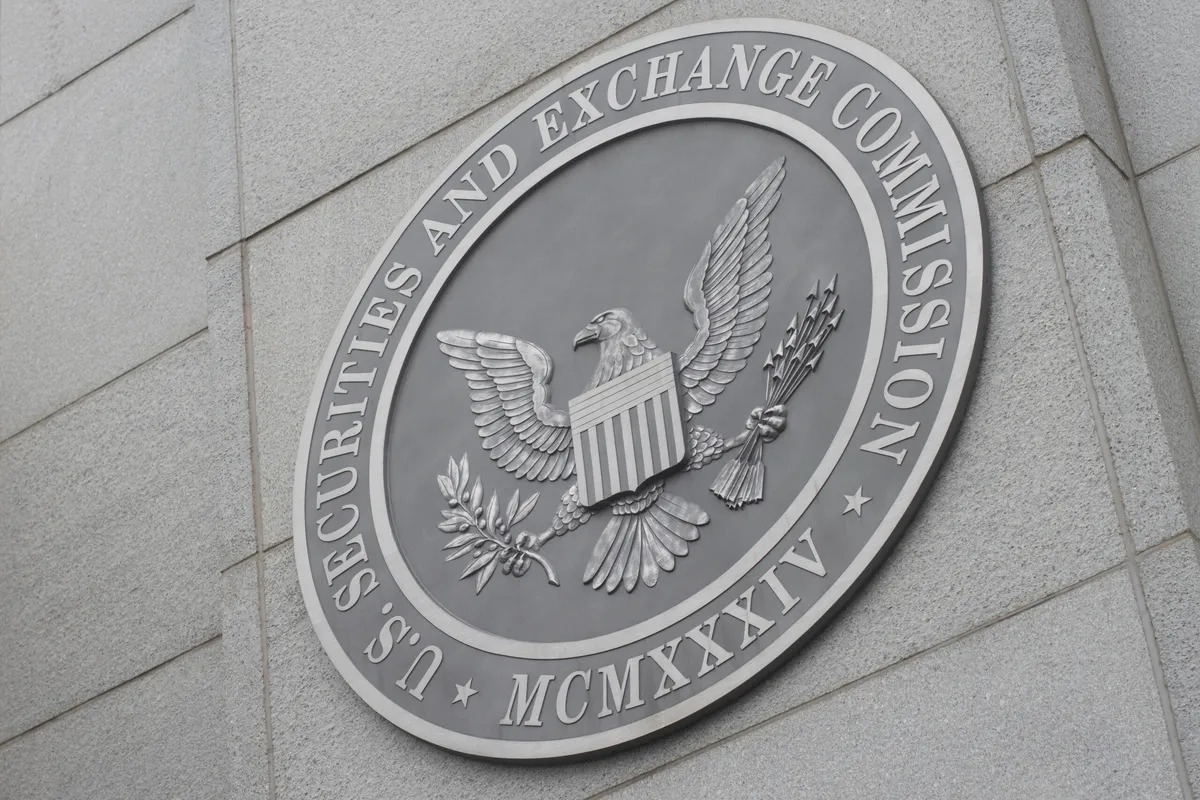
The U.S. Securities and Exchange Commission (SEC) has made a significant regulatory shift by permanently halting its role in evaluating whether companies can exclude shareholder proposals from their annual meeting votes. This decision, which extends a previous freeze on such evaluations, has raised alarms among investor activists who worry about their diminishing influence in corporate governance. As the SEC pivots its focus, the dynamics between corporate management and shareholder activism are poised for dramatic change.
Historically, the SEC provided 'no-action' letters, which assured companies they wouldn't face enforcement action if they chose not to present certain shareholder resolutions. These resolutions often addressed pressing issues like climate change, workforce diversity, and corporate accountability — matters that increasingly resonate with socially conscious investors. By stepping back from this informal referee role, the SEC's latest move has left stakeholders questioning the future of shareholder activism.
The SEC's New Approach: A Closer Look
In its recent announcement, the SEC stated that its Division of Corporation Finance would now focus resources on a broader review of corporate filings rather than adjudicating specific shareholder proposals. This marks a departure from the agency's previous oversight role and reflects a substantial regulatory shift in the landscape of corporate governance. The SEC asserts that it has developed an "extensive body of guidance" regarding proposals that could be excluded, but the practical impact of this guidance remains to be seen.

Shareholder Proposals and Corporate Governance
Shareholder proposals serve as a crucial mechanism for investors to voice their concerns and influence corporate practices. These proposals can range from requests for enhanced transparency regarding environmental policies to demands for better workforce diversity initiatives. While many companies have historically complied with these requests, the SEC's new stance introduces uncertainty into the process.
Tim Smith, a senior policy advisor at the Interfaith Center on Corporate Responsibility, expressed concerns that without SEC oversight, companies might unilaterally decide to exclude proposals based on insufficient arguments. This could lead to a scenario where shareholder rights are effectively undermined, forcing activists to consider legal avenues to ensure their voices are heard.
Potential Consequences for Companies
While the SEC's decision may seem to provide companies with more leeway to reject shareholder proposals, it also introduces new risks, particularly concerning litigation. According to Marc Lindsay, managing partner at Jasper Street Partners, the increased risk of lawsuits could act as a significant deterrent for companies contemplating proposal exclusions. Historically, a notable percentage of lawsuits related to excluded proposals have resulted in favorable outcomes for proponents.
- 66% of known proposals were placed on proxies as of June 2026, compared to 59% in the previous year.
- Five out of six lawsuits over exclusions led to favorable outcomes for proposal advocates.
- Investor activists may now need to rely more heavily on legal action to ensure their proposals are considered.

Litigation Risks and Corporate Distraction
The prospect of litigation over excluded proposals presents a dual-edged sword for companies. On one hand, the ability to bypass votes on certain resolutions may streamline corporate governance processes; on the other hand, the risk of legal challenges can divert valuable resources and attention away from core business operations. Companies may find themselves mired in costly disputes instead of focusing on strategic growth and innovation.
As the SEC’s regulatory landscape continues to evolve, companies must weigh the potential benefits of excluding shareholder proposals against the likelihood of facing legal complications. This balancing act will be critical for corporate leaders as they navigate the new environment.
The Investor Response: Mobilizing for Change
Investor activists are not taking the SEC's decision lightly. The absence of SEC oversight may compel them to adapt their strategies. As Tim Smith pointed out, without the SEC acting as a referee, investors will need to be more strategic in how they approach companies that refuse to consider their proposals. This might involve more grassroots campaigning, heightened public relations efforts, and possibly even coordinated shareholder actions.
Investors may also seek to forge stronger alliances with other like-minded stakeholders to amplify their voices. As environmental, social, and governance (ESG) concerns continue to gain traction among a growing segment of the investing public, the demand for accountability from corporations is unlikely to diminish. Activists may find new ways to mobilize support and pressure companies to consider their proposals, even in an environment where the SEC is less involved.

Looking Ahead: The Future of Shareholder Proposals
The SEC's decision to step back from evaluating shareholder proposals has created both challenges and opportunities for corporate governance. As the agency shifts its focus, it remains to be seen how companies will adapt to this new landscape and how investor activists will respond. The evolving dynamics between corporate management and shareholders will likely shape the future of corporate governance.
As we look ahead, investors should be proactive in understanding their rights and exploring avenues for engagement with corporate management. Whether through organized efforts, legal challenges, or public awareness campaigns, shareholders must remain vigilant in holding companies accountable for their actions.
Key Takeaways
- The SEC has permanently ceased evaluating shareholder proposals, raising concerns for investors.
- Companies may face increased litigation risks when excluding proposals.
- Activist investors need to adapt their strategies in response to the SEC's decision.
- Corporate governance dynamics are likely to change as companies and investors navigate this new landscape.

Frequently Asked Questions
What are shareholder proposals?
Shareholder proposals are formal requests submitted by investors to a corporation, advocating for specific actions or changes in corporate governance. These can range from environmental initiatives to changes in executive compensation. They are typically voted on during annual meetings, allowing shareholders to express their views and influence company policies.
Why did the SEC stop evaluating shareholder proposals?
The SEC decided to stop evaluating shareholder proposals to allow its Division of Corporation Finance to focus on a broader review of corporate filings. The agency emphasized that it has developed guidance on proposals that could be excluded, aiming to streamline its operations. However, this has raised concerns about the potential impact on shareholder advocacy.
How can investors respond to the SEC's decision?
Investors can respond to the SEC's decision by exploring alternative strategies for engagement with corporations. This may include organizing campaigns, leveraging social media to raise awareness, and collaborating with other shareholders to amplify their voices. Legal action may also be a recourse if companies attempt to exclude proposals without adequate justification.
What are the potential risks for companies excluding proposals?
Companies that choose to exclude shareholder proposals may face increased litigation risks, as historical trends indicate that many lawsuits related to exclusions have resulted in favorable outcomes for proponents. This could lead to legal distractions and costs that divert attention from business operations, potentially impacting overall performance.
Comments
Chris Harris Joins Price Forbes as US Casualty Head: Industry Implications
Chris Harris has transitioned to Price Forbes as managing director of US casualty, bringing extensive experience that highlights the evolving landscape of casualty insurance. His appointment comes at a crucial time as casualty rates continue to rise amidst ongoing market challenges.

Related articles





Popular in Business Insurance
- Surging War-Risk Insurance Rates in the Strait of Hormuz: What It Means for Shipping
- Ross & Yerger Insurance Faces Class Action Over Data Breach Allegations
- Sompo Expands U.S. Workers' Compensation Portfolio with Service Insurance Acquisition
- Legal Battle Unfolds Over $1 Million Truck Crash Insurance Payout
- Howden Group's Ambitious Journey Toward IPO and Expansion