Europe's Heatwaves Highlight Insurance Gaps Amid Business Losses
As Europe experiences unprecedented heatwaves, businesses face significant financial losses. This article explores the insurance gaps and rising needs for innovative coverage solutions.
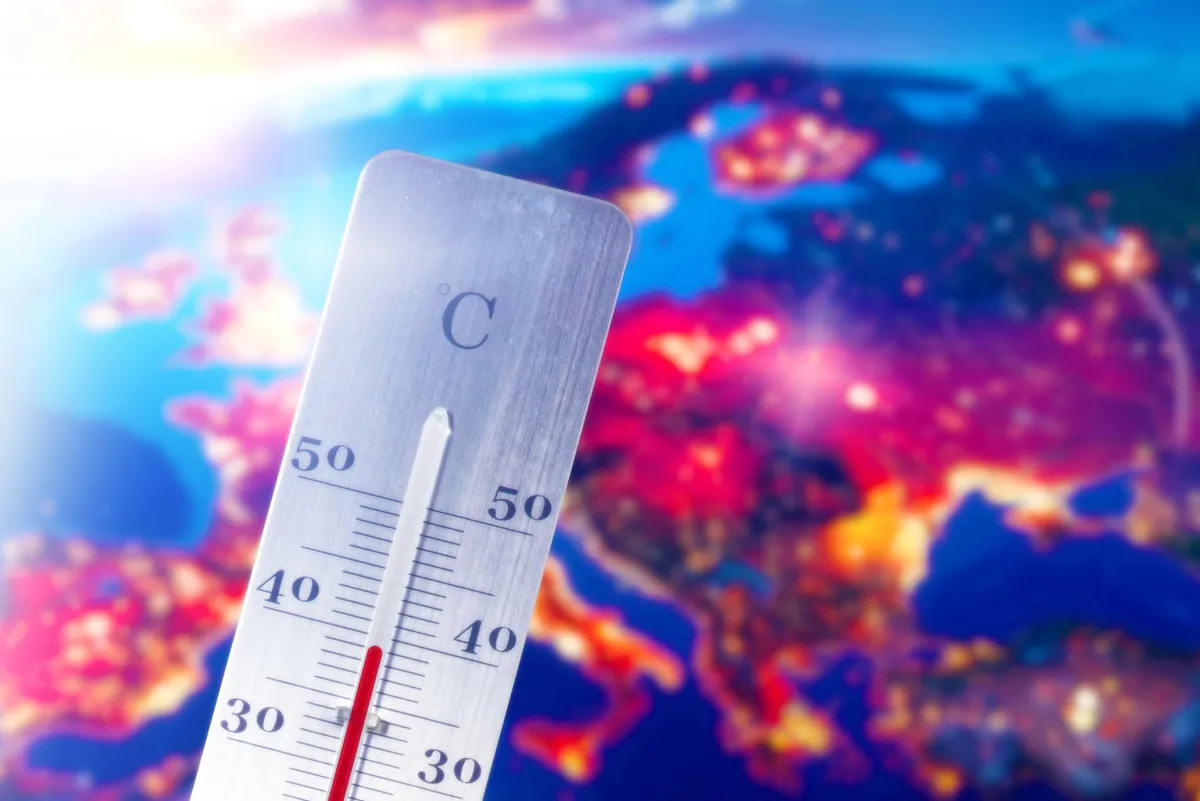
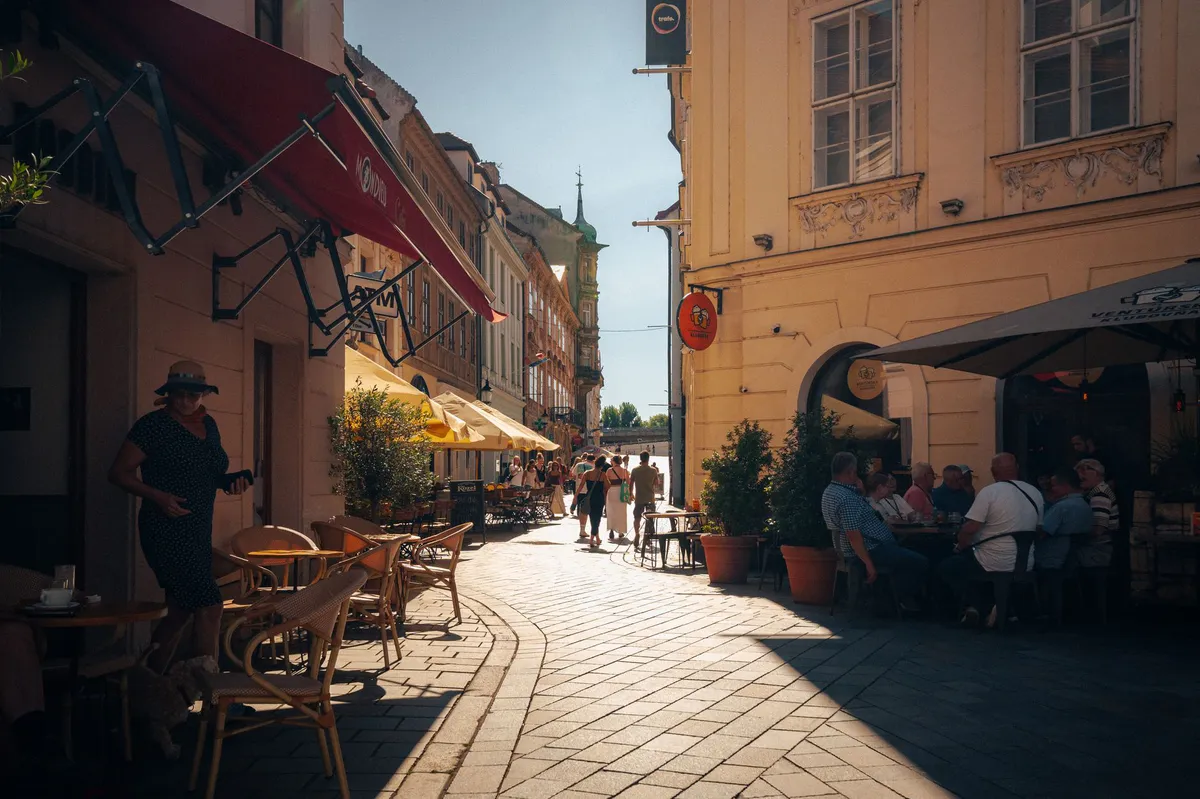
As Europe swelters under the relentless grip of extreme heat, the impact on local businesses has become increasingly evident. The picturesque cafes of Padua, Italy, once bustling with patrons enjoying the traditional aperitivo, now find their outdoor seating empty as customers retreat to air-conditioned interiors. This shift not only marks a change in social behaviors but underscores the stark realities facing numerous sectors, particularly hospitality. The soaring temperatures are pushing many businesses to the brink, revealing a significant insurance gap that leaves them vulnerable to economic losses.
According to Moody's, last summer's heatwaves resulted in an estimated €43 billion ($50 billion) loss in economic output across Europe, while insurance payouts for these disruptions totaled a mere €500 million. This disparity highlights a critical issue within the insurance landscape: traditional business interruption insurance often excludes extreme heat as a covered peril, leaving many businesses without adequate protection against the financial fallout.
Understanding Business Interruption Insurance
Business interruption insurance is designed to cover losses that a business suffers due to an event that disrupts its operations. Typically, this includes coverage for natural disasters like floods or storms, which result in physical damage to property. However, the nature of heatwaves poses unique challenges for insurers.
Why Heatwaves Are Not Covered
Extreme heat does not cause direct physical damage in the same way that flooding or fire does. Instead, it leads to operational disruptions that can significantly impact productivity and revenue. Federica Luni, president of the hospitality association APPE Padova, noted that many businesses reported a 20% decline in turnover during recent heatwaves, effectively wiping out their profit margins. This operational disruption is less tangible and more complex than direct property damage, making it difficult to insure.
Survey Insights
A survey conducted among 9,000 small and medium-sized enterprises in Europe revealed that only 28% had business interruption coverage as part of their property insurance, while a scant 17% had non-damage business interruption protection, which covers events like strikes. This lack of awareness and coverage leaves a significant portion of European businesses unprotected against the rising frequency of heat-related disruptions.

The Rising Toll of Extreme Heat
Heatwaves not only impact the hospitality sector but also have far-reaching effects on various industries. The European insurance market is witnessing a compound risk scenario where extreme heat interacts with other environmental issues such as drought, wildfires, and water shortages. This interaction complicates the risk assessment and underwriting processes for insurers.
Economic Consequences Across Sectors
From manufacturing to agriculture, businesses are grappling with the repercussions of extreme heat. Delays in transportation, reduced agricultural yields, and increased cooling costs in factories are just a few examples of how businesses are affected. For instance, companies like the Swedish shop-fitting provider ITAB Group and the French payment firm Worldline have reported significant impacts from hot weather in their earnings calls. With temperatures across Western Europe reaching nearly 10 degrees Celsius (18 degrees Fahrenheit) above the historical average, the economic ramifications are immense.
Worker Productivity at Risk
Prolonged exposure to extreme heat can also lead to decreased employee productivity. Workers may struggle to maintain focus and efficiency during heatwaves, which can further exacerbate the financial strain on businesses. Some sectors, particularly those involving manual labor or outdoor work, are particularly vulnerable, as employees may be unable to perform at their best in such conditions.

Innovative Insurance Solutions: Parametric Insurance
In response to the growing protection gap, insurers are exploring innovative solutions such as parametric insurance. Unlike traditional indemnity-based policies, parametric insurance provides automatic payouts when certain predefined conditions, such as temperature thresholds, are met. This approach eliminates lengthy claims processes and offers faster financial relief to affected businesses.
Market Potential for Parametric Insurance
The European market for parametric insurance is projected to grow significantly, with estimates reaching $7.93 billion by 2031. This growth is driven by the increasing recognition of heat-related risks and the need for more adaptive insurance solutions in various sectors, including agriculture and workforce protection. Aidan Kerr from Swiss Re emphasizes the potential of parametric products to address the unique challenges posed by extreme weather events.
Adapting to the New Normal
While innovative insurance products can provide some relief, businesses must also focus on adapting their operations to withstand the effects of rising temperatures. Experts suggest investing in cooling technologies, redesigning workspaces for better heat management, and stress-testing supply chains to mitigate the impact of extreme heat. Swenja Surminski from Marsh recommends proactive measures to avoid losses rather than simply addressing them after they occur.

Key Takeaways
- Heatwaves are causing significant economic losses, with European businesses reporting up to 20% turnover declines.
- Traditional business interruption insurance often excludes heat-related operational disruptions.
- Parametric insurance is emerging as a viable solution to cover heat-related risks.
- Businesses must adapt their operations to mitigate the effects of extreme heat through technology and design improvements.
Frequently Asked Questions
What is business interruption insurance?
Business interruption insurance is a type of coverage that protects businesses against financial losses resulting from a disruption in operations caused by certain events, such as natural disasters. It typically covers lost income, ongoing expenses, and even temporary relocation costs. However, many policies do not cover indirect losses stemming from extreme heat, which can leave businesses vulnerable during heatwaves.
How can parametric insurance help businesses?
Parametric insurance can provide immediate financial relief to businesses affected by extreme heat. Instead of going through a lengthy claims process, businesses can receive automatic payouts when predefined temperature thresholds are exceeded. This type of insurance is particularly beneficial for sectors such as agriculture, where heat can directly impact productivity and profit margins.
What steps can businesses take to protect against heat-related losses?
To protect against the risks associated with extreme heat, businesses should consider investing in cooling technologies, redesigning their workspaces for thermal comfort, and stress-testing their supply chains to ensure operational resilience. Additionally, exploring innovative insurance products like parametric insurance can provide a financial safety net against potential losses.
Why is it important to adapt to climate-related risks?
Adapting to climate-related risks is essential for businesses to maintain their profitability and operational sustainability in an increasingly unpredictable climate. By taking proactive measures, such as implementing heat management strategies and enhancing insurance coverage, businesses can minimize the negative impacts of extreme weather events and ensure long-term viability in the face of climate change.
Comments
Chris Harris Joins Price Forbes as US Casualty Head: Industry Implications
Chris Harris has transitioned to Price Forbes as managing director of US casualty, bringing extensive experience that highlights the evolving landscape of casualty insurance. His appointment comes at a crucial time as casualty rates continue to rise amidst ongoing market challenges.

Related articles

Popular in Business Insurance
- Surging War-Risk Insurance Rates in the Strait of Hormuz: What It Means for Shipping
- Ross & Yerger Insurance Faces Class Action Over Data Breach Allegations
- Sompo Expands U.S. Workers' Compensation Portfolio with Service Insurance Acquisition
- Legal Battle Unfolds Over $1 Million Truck Crash Insurance Payout
- Howden Group's Ambitious Journey Toward IPO and Expansion