Progressive's Legal Battle Over Trucking Crash Claim: A Deep Dive
Progressive Insurance is embroiled in a legal dispute over a trucking crash claim, arguing it owes nothing due to discrepancies in vehicle and driver details. This article explores the implications of this case for insurers and policyholders alike.
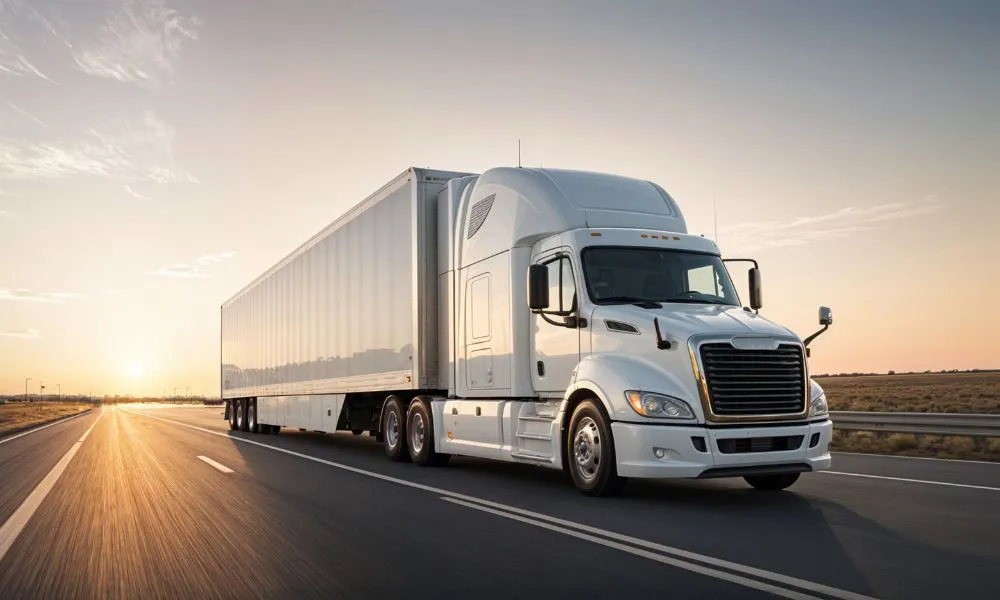
In the world of commercial auto insurance, the details matter immensely. Progressive Express Insurance Company has found itself in a contentious legal dispute stemming from a trucking accident on September 15, 2023, in Harris County, Texas. The insurer is arguing a case that hinges on what it believes are substantial discrepancies concerning the vehicles, drivers, and carriers involved in the incident. This legal battle not only showcases the complexities of trucking insurance but also serves as a critical reminder for policyholders about the importance of accurate reporting and compliance with insurance policy stipulations.
On August 13, 2026, Progressive filed a declaratory judgment complaint in federal court in Houston, seeking a judicial ruling that it bears no financial responsibility for a claim linked to the accident. This case involves a tractor-trailer that allegedly swerved and struck a concrete barrier, leading to injuries to a nearby motorist. The injured party subsequently filed a lawsuit against the trucking company, MMT Carriers, and the driver, claiming negligence. However, Progressive contends that the facts surrounding the accident do not align with the terms of their insurance policy, which could absolve them of liability altogether.
Understanding the Insurance Dispute
At the heart of Progressive's argument is the assertion that the tractor-trailer involved in the accident—a 2005 Volvo 780 pulling a 2015 utility trailer—was not covered by their policy. The commercial auto insurance policy, which was effective from May 2023 to May 2024, only listed one specific vehicle: a 2012 Freightliner Cascadia. Progressive claims it was never notified of the existence of the Volvo or the utility trailer, which means they are not obligated to cover any claims arising from the accident.
The insurer argues that the policy explicitly defines an “insured auto” as vehicles named on the declarations page, along with certain newly acquired or replacement vehicles that must be reported to the insurer within a specified timeframe. Since the tractor-trailer in question does not fit these definitions, Progressive insists that it cannot be held liable for any bodily injury claims related to the vehicle's use.

Driver and Carrier Compliance Issues
The legal issues don’t stop with the vehicles involved. Progressive raises additional concerns regarding the driver of the tractor-trailer, who was not one of the three rated drivers included in their policy. The insurer maintains that it was not informed of this driver’s identity, which raises questions about the compliance of MMT Carriers with their reporting obligations. According to Progressive, if the driver was indeed employed by MMT, the trucking company had a duty to report this to the insurer, and failure to do so constitutes a breach of a “condition precedent to coverage.”
This situation underscores a critical aspect of commercial auto insurance: the necessity of accurate and timely reporting. Trucking companies must ensure that all drivers operating their vehicles are disclosed to their insurance carriers to maintain coverage. If they fail to do so and an accident occurs, they risk voiding their insurance policy, leaving them exposed to significant financial liability.
The Role of the MCS-90 Endorsement
Another layer of complexity in this case revolves around the MCS-90 endorsement, which is a federal requirement that guarantees a motor carrier can meet public liability judgments. Progressive argues that this endorsement does not apply to this case, claiming that the tractor-trailer was owned and operated by a non-party at the time of the accident. Therefore, they assert that MMT was not the motor carrier involved in the incident, further absolving them of liability.
This endorsement is an important aspect of trucking insurance, as it protects the public and ensures that victims of trucking accidents can receive compensation for their injuries. However, insurers like Progressive are increasingly scrutinizing the applicability of this endorsement to avoid unintended liabilities. Given the complexities and nuances involved, this case could set a precedent for how MCS-90 endorsements are interpreted in future trucking accident claims.

Consequences of the Legal Outcome
The implications of this legal battle are significant, not just for Progressive but for the entire trucking insurance industry. If the court rules in favor of Progressive, the insurer could be relieved of both the defense costs associated with the underlying lawsuit and any financial judgments. This outcome would reaffirm the importance of adhering to insurance policy stipulations and the necessity for trucking companies to maintain accurate records of their vehicles and drivers.
Conversely, if the court finds against Progressive, it could expose the insurer—and potentially the broader industry—to increased liability risks. Such a ruling could also incentivize insurers to tighten their underwriting standards and increase premium rates for trucking policies, as they would need to account for the heightened risks associated with unreported vehicles and drivers.
Key Takeaways
- Accurate Reporting is Crucial: Trucking companies must report all vehicles and drivers to their insurance providers to maintain coverage.
- Understanding Policy Details: Both insurers and policyholders should thoroughly understand the definitions and stipulations outlined in their insurance policies.
- Legal Precedents Matter: The outcome of this case could impact future interpretations of trucking insurance liabilities and MCS-90 endorsements.
- Potential Financial Implications: A ruling in favor of Progressive could relieve them from significant financial obligations.

Frequently Asked Questions
What is a declaratory judgment complaint?
A declaratory judgment complaint is a legal filing in which a party seeks a court’s determination on the interpretation of a contract or law. In this case, Progressive is asking the court to clarify its obligations under the insurance policy related to the trucking accident. This type of judgment can help prevent future litigation by addressing legal uncertainties before they escalate.
What are the implications of the MCS-90 endorsement?
The MCS-90 endorsement is a federal regulation that ensures motor carriers can fulfill public liability claims. It acts as a safety net for individuals injured in trucking accidents, allowing them to seek compensation even if the trucking company has insufficient insurance coverage. However, the applicability of this endorsement can vary based on the specifics of the case and the relationship between the involved parties.
How does failure to report drivers and vehicles affect insurance coverage?
Failure to report drivers and vehicles can lead to significant repercussions for trucking companies, including the potential voiding of their insurance policy. If an accident occurs involving unreported vehicles or drivers, the insurer may deny coverage, leaving the trucking company liable for any damages or injuries resulting from the accident.
What should trucking companies do to avoid similar disputes?
To avoid disputes like the one involving Progressive, trucking companies should maintain meticulous records of all vehicles and drivers associated with their operations. Regularly reviewing and updating their insurance policies, ensuring compliance with reporting requirements, and consulting with insurance professionals can help mitigate risks and ensure adequate coverage.
Comments
Chris Harris Joins Price Forbes as US Casualty Head: Industry Implications
Chris Harris has transitioned to Price Forbes as managing director of US casualty, bringing extensive experience that highlights the evolving landscape of casualty insurance. His appointment comes at a crucial time as casualty rates continue to rise amidst ongoing market challenges.

Related articles




Popular in Business Insurance
- Surging War-Risk Insurance Rates in the Strait of Hormuz: What It Means for Shipping
- Ross & Yerger Insurance Faces Class Action Over Data Breach Allegations
- Sompo Expands U.S. Workers' Compensation Portfolio with Service Insurance Acquisition
- Legal Battle Unfolds Over $1 Million Truck Crash Insurance Payout
- Howden Group's Ambitious Journey Toward IPO and Expansion