Florida Roofing Contractor Accuses Insurers of Malicious Business Practices
A Florida roofing contractor is suing Tower Hill Insurance Group, alleging a six-year scheme to destroy its business through fraudulent claims and malicious prosecution.
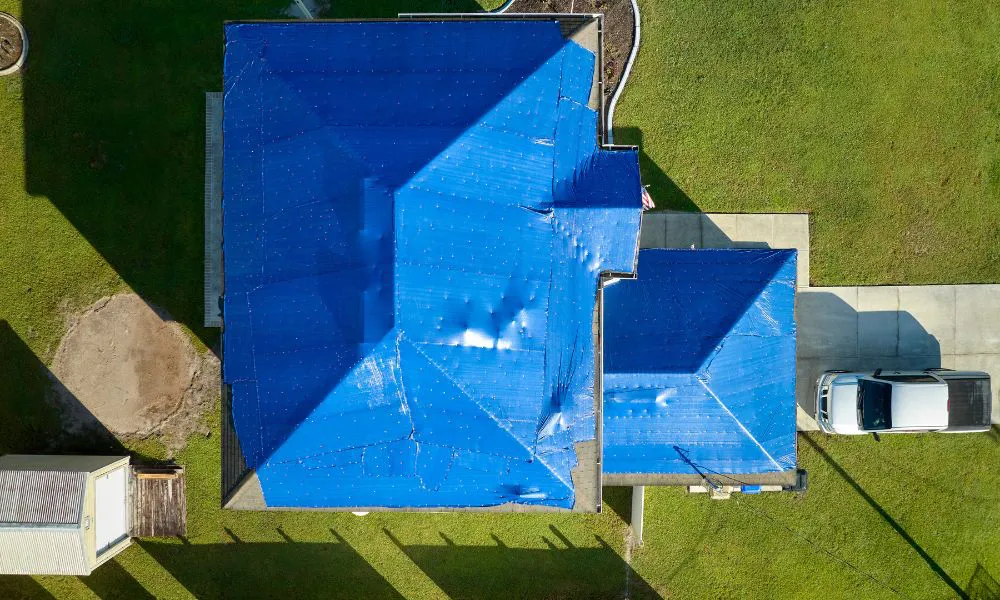
The insurance industry is often seen as a safety net for businesses, providing financial security in times of crisis. However, a recent lawsuit out of Florida brings to light a troubling case where a roofing contractor alleges that its insurers not only denied valid claims but actively sought to undermine its operations through fraudulent schemes and malicious prosecution. This explosive lawsuit, filed by SFR Services and its owner against Tower Hill Insurance Group and several affiliated carriers, raises critical questions about the ethical boundaries of insurance practices and the protections available to contractors navigating the complex world of insurance claims.
The suit, initiated on August 13, 2026, in federal court in Fort Lauderdale, paints a disturbing picture of an insurance company that allegedly turned against its client. The complaint outlines a sequence of events starting with Hurricane Irma's devastation in 2017, where the contractor, believing it had settled its claims, was later blindsided by a counter-suit that aimed to recover money that had already been paid out. The allegations suggest a deliberate scheme orchestrated by the insurers to manipulate the claims process, ultimately attempting to destroy the contractor's business.
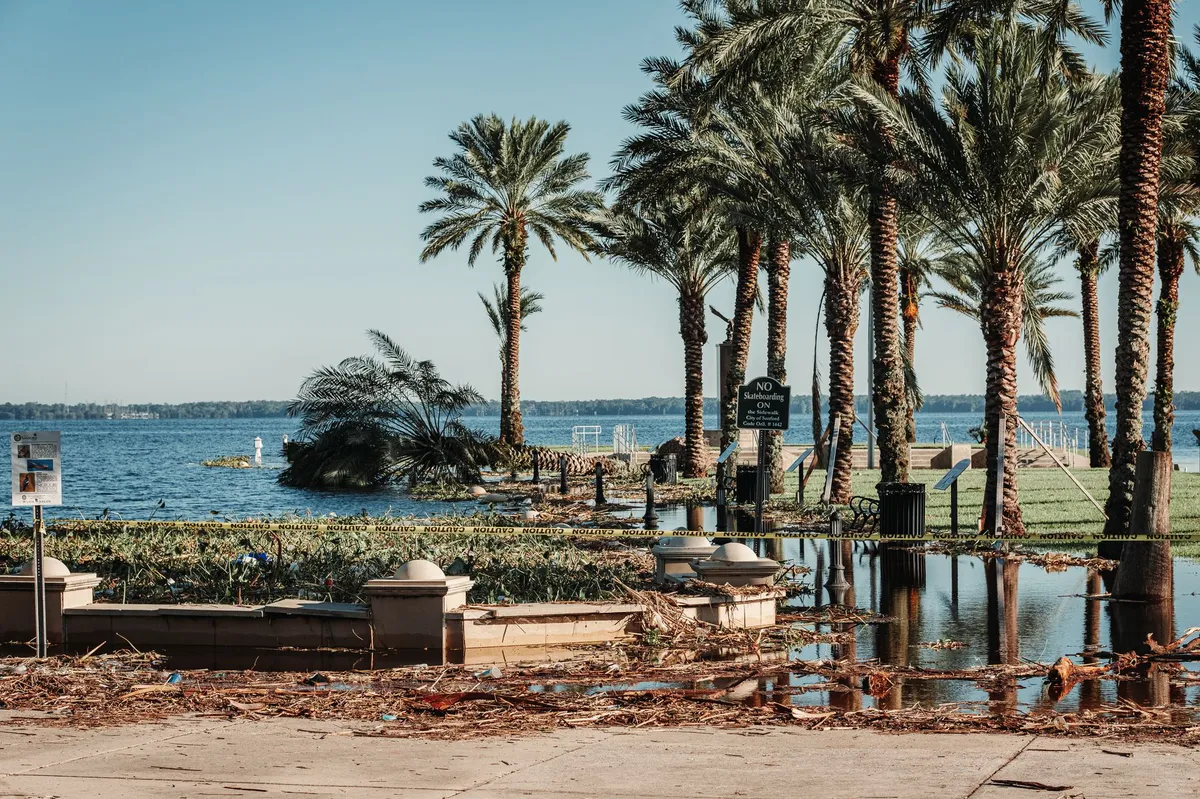
Understanding the Background of the Lawsuit
The crux of the lawsuit stems from SFR Services' interactions with Tower Hill Insurance Group following Hurricane Irma, which caused widespread damage across Florida. The contractor alleges that between 2018 and 2022, Tower Hill settled numerous storm-damage claims, only to later file a lawsuit against SFR Services, claiming they were owed approximately $20 million. This figure could balloon to around $60 million when considering treble damages, which are often sought in cases involving fraud or malicious intent.
What makes this case particularly concerning is the assertion that the insurers "manufactured their own alleged damages". The complaint claims that after settling with SFR Services, Tower Hill turned around and sued the contractor to recover the same amounts, potentially using the legal system as a weapon rather than a means of resolution. This raises serious issues regarding the accountability of insurance companies and their obligation to act in good faith towards policyholders.

Claims Handling and Allegations of Fraud
At the heart of the dispute lies the question of how claims were handled and whether the contractor's estimates were unjustly deemed fraudulent. The complaint reveals that adjusters from Tower Hill treated SFR Services' claims similarly to other hurricane-related claims and did not view them as fraudulent. This contradicts the insurer's later stance, which claimed the contractor's estimates exceeded acceptable thresholds, thus justifying their actions.
One particularly troubling aspect of the complaint is the assertion that Tower Hill's special investigations unit was allegedly involved in a coordinated effort to leverage the civil lawsuit as a means to influence a criminal investigation. This included feeding information to the Florida Department of Financial Services, aiming to have the contractor's owner prosecuted based on claims that were later dismissed due to insufficient evidence.
The Implications of Criminal Charges
In 2023, the state charged the contractor’s owner, a move that the lawsuit claims was influenced by the ongoing civil suit. Facing decades in prison, the contractor's owner was reportedly offered a plea deal that would have barred him from operating within several professional fields, including contracting and insurance adjusting. The lawsuit suggests that the potential criminal charges were wielded as a bargaining chip, pressuring the contractor into settling the civil case in favor of the insurers.

The Financial Toll on the Contractor
As the lawsuit unfolds, SFR Services claims it has suffered significant financial losses due to the actions of Tower Hill and its affiliates. The contractor estimates that it has incurred over $1.5 million in legal fees and other costs while defending against the state charges and navigating the complex litigation process. Such financial burdens can be devastating for small to medium-sized businesses, which often operate on tight margins and rely heavily on their insurance coverage to mitigate risks.
The case highlights a broader concern within the insurance industry: the potential for companies to exploit the claims process to their advantage, leaving policyholders vulnerable. These practices not only threaten the viability of businesses like SFR Services but also shake the confidence of consumers in the insurance system as a whole.
Legal and Industry Implications
The allegations presented in this lawsuit could have significant ramifications for the insurance industry, particularly in Florida where hurricanes frequently cause damage. If the court finds in favor of SFR Services, it could set a precedent for other contractors facing similar challenges. It may also prompt regulatory scrutiny aimed at ensuring that insurance companies adhere to ethical practices and support their policyholders rather than undermine them.
Moreover, the case underscores the importance of transparency and accountability in the insurance claims process. Stakeholders, including regulators, policyholders, and industry advocates, must advocate for reforms that protect consumers from potential abuses by insurers. This includes measures such as requiring insurers to provide clear evidence when alleging fraud and ensuring that claims are handled fairly and expeditiously.

Key Takeaways
- SFR Services is suing Tower Hill Insurance Group for alleged fraud and malicious prosecution.
- The lawsuit claims the insurers engaged in a scheme to recover previously settled claims.
- The financial impact on the contractor exceeds $1.5 million in legal fees and damages.
- Potential implications for the insurance industry could lead to greater scrutiny and reform.
- Key issues include the handling of claims and the use of legal tactics as leverage against businesses.
Frequently Asked Questions
What are the key allegations against Tower Hill Insurance Group?
The key allegations include claims of fraud, malicious prosecution, and abuse of process. SFR Services asserts that Tower Hill engaged in a coordinated effort to undermine the contractor's business by settling claims and then suing to recover those amounts, effectively using the legal system as a tool for retribution rather than resolution.
What are treble damages, and how do they apply in this case?
Treble damages refer to a legal remedy where a court awards three times the amount of actual damages incurred. In this case, SFR Services is seeking treble damages as part of its claim against Tower Hill, arguing that the insurers acted with malicious intent in their dealings, which justifies the additional financial penalties.
How can contractors protect themselves from similar situations?
Contractors can protect themselves by maintaining thorough documentation of all interactions with their insurers, including claims submissions and any communications regarding those claims. Having a clear record can be invaluable in the event of disputes. Additionally, seeking legal counsel before entering into settlements or responding to claims can help navigate complex issues and prevent potential exploitation by insurers.
What should policyholders do if they suspect bad faith practices by their insurers?
If policyholders suspect bad faith practices, they should document all relevant communications and decisions made by their insurance company. Reporting these practices to state insurance regulators can also initiate an investigation. Furthermore, consulting with a lawyer who specializes in insurance law can provide guidance on potential legal actions and the best course of action to address the issue.
Comments
Chris Harris Joins Price Forbes as US Casualty Head: Industry Implications
Chris Harris has transitioned to Price Forbes as managing director of US casualty, bringing extensive experience that highlights the evolving landscape of casualty insurance. His appointment comes at a crucial time as casualty rates continue to rise amidst ongoing market challenges.

Related articles



Popular in Business Insurance
- Surging War-Risk Insurance Rates in the Strait of Hormuz: What It Means for Shipping
- Ross & Yerger Insurance Faces Class Action Over Data Breach Allegations
- Sompo Expands U.S. Workers' Compensation Portfolio with Service Insurance Acquisition
- Legal Battle Unfolds Over $1 Million Truck Crash Insurance Payout
- Howden Group's Ambitious Journey Toward IPO and Expansion