Navigating the Evolving Landscape of Employment Practices Liability Insurance
The Employment Practices Liability (EPL) market is undergoing significant changes, driven by emerging technologies, shifting workforce dynamics, and evolving legal standards. This article explores the complexities of EPL insurance, the growing role of artificial intelligence, and what brokers and employers need to know.
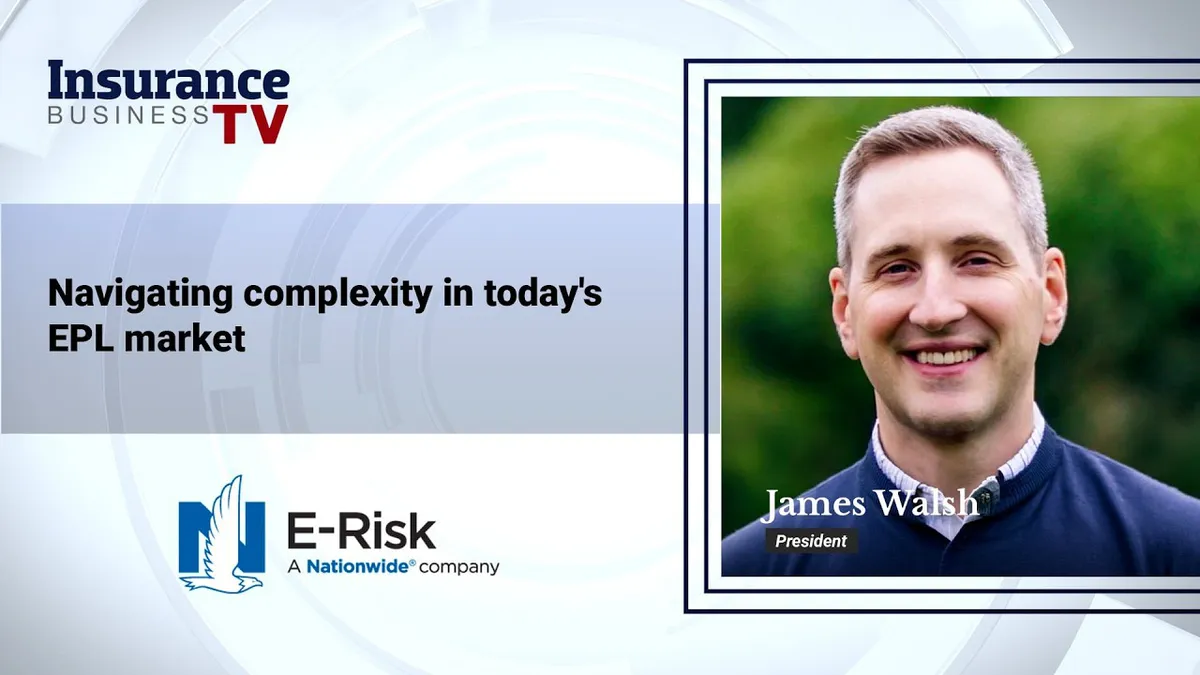
The Employment Practices Liability (EPL) insurance market is experiencing a transformative period, one that demands the attention of brokers and businesses alike. With the rise of new technologies, shifting employee expectations, and a changing legal landscape, the complexity of EPL claims is increasing. James Walsh, president of E-Risk, a Nationwide company, emphasizes that the traditional risks associated with EPL—discrimination, harassment, wrongful termination—are still prevalent. However, the frequency and severity of these claims have escalated significantly in recent years, necessitating a proactive approach from insurers and brokers.
In this in-depth exploration, we will dive into the factors driving the changes in the EPL market, the implications of artificial intelligence (AI) on claims and underwriting, and strategies for brokers to effectively navigate this evolving landscape.
Understanding the Current EPL Market Dynamics
As the EPL market tightens, it is crucial to understand the factors contributing to this shift. Walsh points out several key elements influencing the market:
- Increased Claims Frequency: The number of EPL claims is on the rise, with more employers facing lawsuits related to workplace discrimination, harassment, and wrongful termination.
- Expanded Legal Definitions: Changes in the legal definition of disability under the Americans with Disabilities Act (ADA) now require businesses to accommodate both physical and mental disabilities. This expansion adds layers of complexity to compliance and risk management.
- Pre-Litigation Demand Letters: Claimants are increasingly using pre-litigation demand letters, which allow them to test the waters without initiating formal lawsuits, making the claims process more challenging for employers.
- AI and Pro Se Claimants: The rise of AI tools enables unrepresented claimants to submit EPL claims independently, complicating the claims handling process for insurance carriers.
- Nuclear Verdicts and Social Inflation: The trend of large jury awards, known as nuclear verdicts, combined with social inflation, is leading to higher expectations for settlement amounts.

The Role of Brokers in a Tightened Market
In this evolving landscape, wholesale brokers play a critical role in translating market conditions into effective strategies for their clients. As the EPL market selectively hardens, brokers must prioritize carrier selection beyond just pricing. The underwriting discipline and claims handling philosophy of carriers are equally important.
According to Walsh, responsible carriers are not pulling back across the board but are instead repricing where exposure has genuinely deteriorated. This means brokers need to ask critical questions when placing coverage:
- Is the carrier experienced in EPL insurance?
- Does the carrier have a long-term commitment to the market?
- What is the financial strength and rating of the carrier?
Choosing the right carrier is vital, as those who inadequately price risks may retreat first during challenging market conditions, leaving brokers and employers in a precarious position.

Emerging Risks in Employment Practices Liability
The landscape of workplace risks is rapidly evolving, with several emerging exposures that brokers and employers should be aware of:
Artificial Intelligence in Hiring and Performance Management
AI tools are increasingly used for screening candidates and managing employee performance. However, these tools may unintentionally introduce bias into hiring decisions. As a result, some jurisdictions are implementing bias audits to monitor AI's influence on employment decisions. Brokers must ensure that their clients document their use of AI tools and maintain human oversight in decision-making processes to mitigate potential liability.
Economic Uncertainty and Workforce Changes
The current economic climate, marked by layoffs and restructuring, historically correlates with an uptick in EPL claims. Brokers should advise employers to communicate clearly with employees about changes and ensure their employment practices are well-documented and compliant with current regulations.

Best Practices for Brokers in EPL Insurance
To navigate the complexities of the EPL market effectively, brokers should adopt the following best practices:
- Stay Informed: Keep abreast of changes in employment laws, judicial precedents, and industry trends to better advise clients.
- Enhance Client Communication: Engage in open conversations with clients about their employment practices, including the use of technology and AI, to identify potential vulnerabilities.
- Promote Strong Governance: Encourage clients to establish robust governance practices, including updated employee handbooks and clear policies to address workplace issues.
- Utilize Specialized Expertise: Work with carriers that have a proven track record in EPL insurance and a deep understanding of the unique risks associated with this line of business.
Key Takeaways
- The EPL market is tightening, making carrier selection more critical than ever.
- Emerging technologies, particularly AI, are reshaping the risk landscape in employment practices.
- Brokers must focus on underwriting discipline and claims handling philosophy, not just pricing.
- Effective communication and strong governance are essential for employers to mitigate EPL risks.
- Staying informed about legal changes can help brokers provide valuable guidance to clients.
Frequently Asked Questions
What are the main factors driving the increase in EPL claims?
The increase in Employment Practices Liability claims can be attributed to a combination of factors. These include an uptick in reported incidents of workplace discrimination, harassment, and wrongful termination, as well as the expansion of legal definitions under the ADA. Furthermore, the rise of AI tools that allow unrepresented claimants to navigate the claims process has added complexity to the landscape.
How can brokers help clients mitigate EPL risks?
Brokers can assist clients in mitigating EPL risks by encouraging them to document their employment practices, ensure compliance with current regulations, and adopt robust governance structures. This includes maintaining up-to-date employee handbooks, implementing bias audits for AI tools, and fostering clear communication with employees regarding workplace changes.
What should employers look for when selecting an EPL insurance carrier?
Employers should seek out EPL insurance carriers with specialized expertise in handling claims, a proven track record in the EPL market, and a commitment to disciplined underwriting. Additionally, evaluating the financial strength and stability of the carrier is crucial, as this can impact the quality of coverage and claims handling in the long run.
How does the current economic climate affect EPL claims?
The current economic climate, characterized by layoffs, restructuring, and workforce changes, tends to lead to an increase in EPL claims. Historically, such environments have seen a rise in claims frequency and severity, making it essential for brokers and employers to be proactive in addressing potential vulnerabilities and ensuring compliance with employment laws.
Comments
Chris Harris Joins Price Forbes as US Casualty Head: Industry Implications
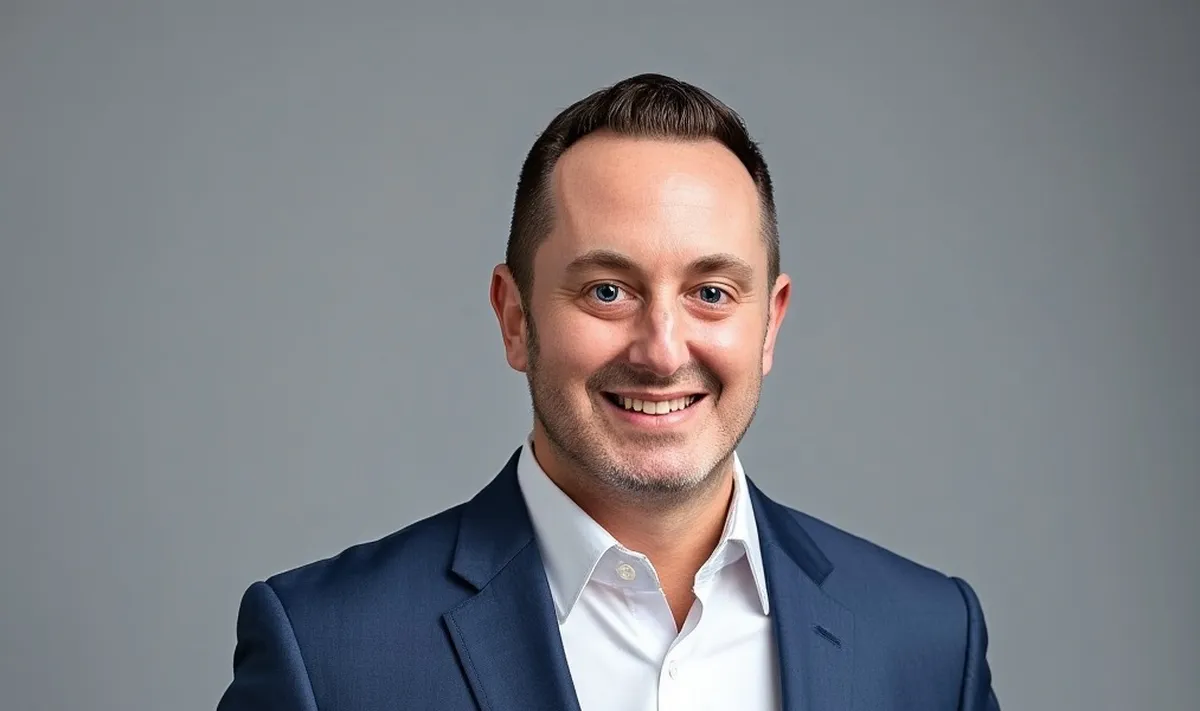
Chris Harris has transitioned to Price Forbes as managing director of US casualty, bringing extensive experience that highlights the evolving landscape of casualty insurance. His appointment comes at a crucial time as casualty rates continue to rise amidst ongoing market challenges.
Related articles

Popular in Business Insurance
- Surging War-Risk Insurance Rates in the Strait of Hormuz: What It Means for Shipping
- Ross & Yerger Insurance Faces Class Action Over Data Breach Allegations
- Sompo Expands U.S. Workers' Compensation Portfolio with Service Insurance Acquisition
- Legal Battle Unfolds Over $1 Million Truck Crash Insurance Payout
- Howden Group's Ambitious Journey Toward IPO and Expansion