Navigating Complex Insurance Claims After Hurricane Lala
Hurricane Lala’s impact on Hawaii has left many homes damaged and insurance claims complicated. Brokers and policyholders must understand overlapping insurance policies to navigate the recovery process effectively.

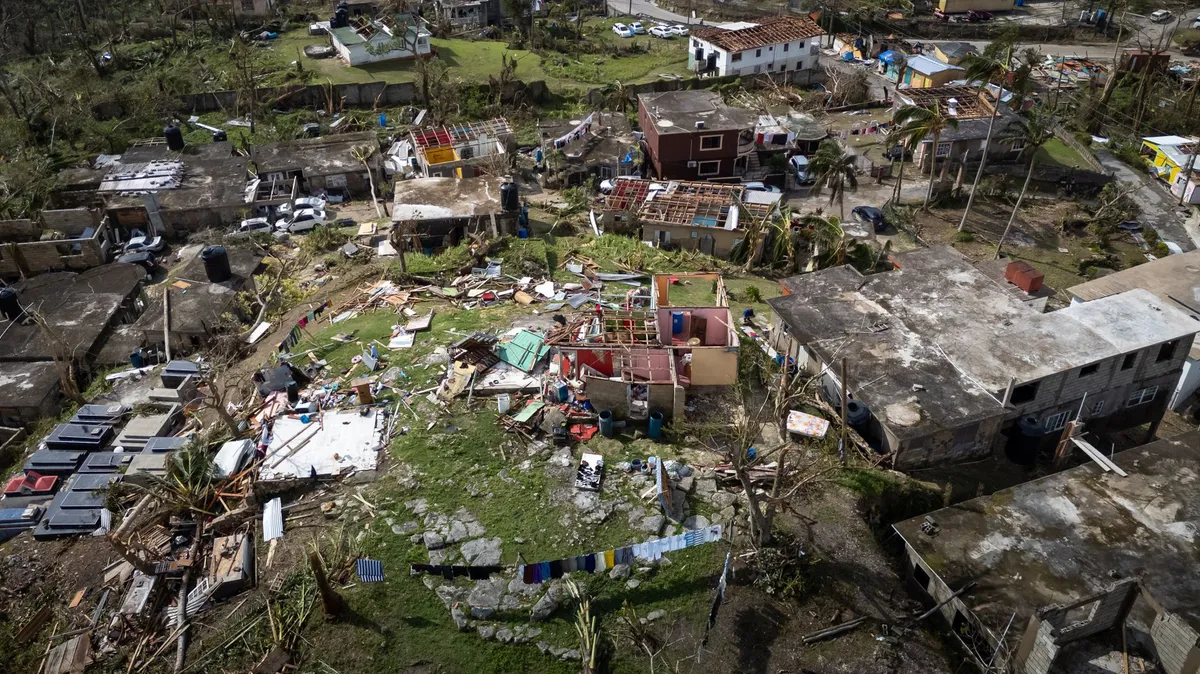
As Hurricane Lala swept through Hawaii, it left a trail of destruction that has turned into a complex insurance claims scenario for brokers and policyholders alike. With the hurricane strengthening to a Category 1 storm before weakening into a tropical storm, the combination of wind, flooding, and ground movement has created a multifaceted claims landscape. Over 100 homes were reported damaged, and severe flooding has isolated communities on the southern Big Island. With recovery efforts in full swing, understanding how to navigate the claims process amid overlapping insurance policies is crucial.
The ramifications of this storm are significant, not just for homeowners but for all stakeholders involved in the recovery process. The challenge lies in accurately identifying which aspects of damage fall under which insurance policy, especially as claims may involve myriad causes of loss. This article delves into the complexities of insurance claims in the aftermath of Hurricane Lala, providing crucial insights for brokers, policyholders, and insurers.
The Multi-Faceted Damage Landscape
Hurricane Lala's aftermath presents a unique challenge because it encompasses multiple forms of damage—wind, flood, and ground movement. Richard Folkman, vice president of CAT operations and flood and carrier practice leader at Crawford & Company, emphasizes that the first step for adjusters is to document what occurred, when it occurred, and how it happened. This comprehensive approach is crucial because different types of damage may fall under different insurance policies.
Understanding the Types of Damage
Here are the key types of damage that could affect claims:
- Wind Damage: Often covered under standard property policies, this includes damage caused directly by high winds.
- Flood Damage: Typically requires separate flood insurance, as many standard policies exclude this type of coverage.
- Ground Movement: This can include both mudflows and landslides, which may or may not be covered depending on specific policy terms.
Each type of damage necessitates a different claims process, and the overlap can create confusion and delays. For instance, if wind damage to a roof allows rain to enter a building, both damage types must be evaluated separately, complicating the claims process.
Challenges in Claims Documentation
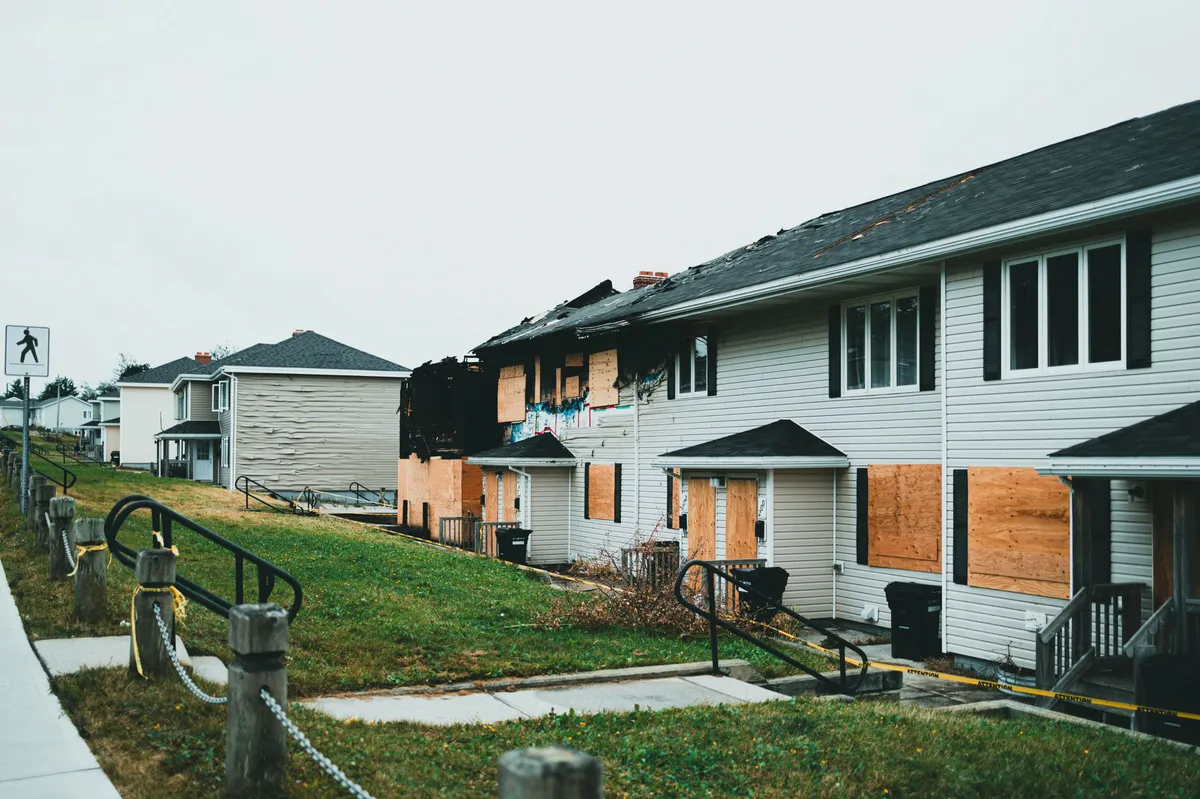
One of the most pressing challenges in the wake of Hurricane Lala is the documentation of damage and the sequence of events leading up to it. Adjusters must carefully assess water lines, debris patterns, and structural integrity to accurately determine the cause of damage. This assessment can be further complicated by physical barriers such as flooded roads and landslides that hinder access.
Key Factors for Adjusters
Several factors can influence how claims are evaluated:
- Sequence of Damage: Did wind damage occur first, allowing for subsequent flooding? The order matters significantly.
- Type of Water Entry: Was the water entering through wind-created openings, or was it rising surface water? Each scenario has different coverage implications.
- Evidence Collection: Adjusters should gather photographs, videos, and eyewitness accounts to support claims.
For adjusters and brokers, understanding these nuances is essential for determining which policies may apply to specific damages. This detailed documentation process can make or break a claim, especially in a multi-cause loss scenario.
The Role of Insurance Brokers
In the chaotic aftermath of a natural disaster, insurance brokers play a vital role in guiding clients through the claims maze. They can help clients identify the relevant policies and endorsements that may apply to their situation. Folkman advises that brokers should ensure notification of the appropriate insurers promptly, as delays could hinder claims processing.
Strategies for Brokers
Brokers should focus on the following strategies to assist their clients:
- Policy Identification: Help clients determine which policies may cover the damages. This includes reviewing any endorsements that could apply.
- Documentation Assistance: Guide clients in preserving evidence of damages before cleanup begins, which is crucial for claims.
- Understanding Notice Requirements: Make sure clients understand the specific notice requirements for each policy to avoid potential coverage issues.
Being proactive and thorough in these aspects can significantly improve the likelihood of a successful claim outcome.

The Importance of Timely Action
Timeliness is critical when it comes to filing claims after a disaster like Hurricane Lala. The faster the relevant parties are notified, the better the chances of a smooth claims process. Folkman stresses that clients should avoid trying to determine coverage themselves and instead involve their broker or insurer early in the process.
Best Practices for Clients
Clients should consider the following best practices:
- Notify Insurers Early: Don't wait to assess damage before reaching out to your broker or insurer.
- Preserve Evidence: Take photographs and videos of all damage before cleanup. Document water lines and other critical evidence.
- Keep Records: Maintain organized records of all communications with insurers and brokers.
These actions can substantially affect the recovery process and the outcome of claims.
Key Takeaways
- Hurricane Lala has caused complex damage requiring multiple insurance policies to address.
- Documenting the sequence of damage is crucial for accurate claims evaluation.
- Insurance brokers play a vital role in guiding clients through the claims process.
- Timely notification of insurers can improve the claims process and outcomes.
- Clients should preserve evidence and keep thorough records to support their claims.
Frequently Asked Questions
What types of insurance policies may cover damage from Hurricane Lala?
Damage from Hurricane Lala may be covered under various policies, including standard property insurance for wind damage, separate flood insurance for flood damage, and potentially ground movement coverage. The complexity arises when multiple types of damage occur simultaneously, requiring an analysis of each policy's terms and conditions to determine coverage applicability.
How can brokers assist clients after Hurricane Lala?
Brokers can assist clients by helping them identify all relevant insurance policies and endorsements, guiding them through the claims process, and ensuring timely notification to insurers. They can also provide valuable documentation support, which is essential for substantiating claims in a multi-cause loss scenario.
Why is documentation important in the claims process?
Documentation is critical because it provides the evidence needed to support claims. Adjusters rely on photographs, videos, and eyewitness accounts to determine the sequence of events and the nature of the damages. Proper documentation can significantly influence how claims are evaluated and the final outcome.
What should clients do if they are unsure about their coverage?
If clients are uncertain about their coverage, they should avoid making assumptions and reach out to their insurance broker or insurer as soon as possible. Early involvement of the appropriate parties can help clarify coverage issues and ensure that all relevant policies are considered in the claims process.
Comments
Flood Insurance Gaps Exposed Amid Indiana and Hawaii Disasters
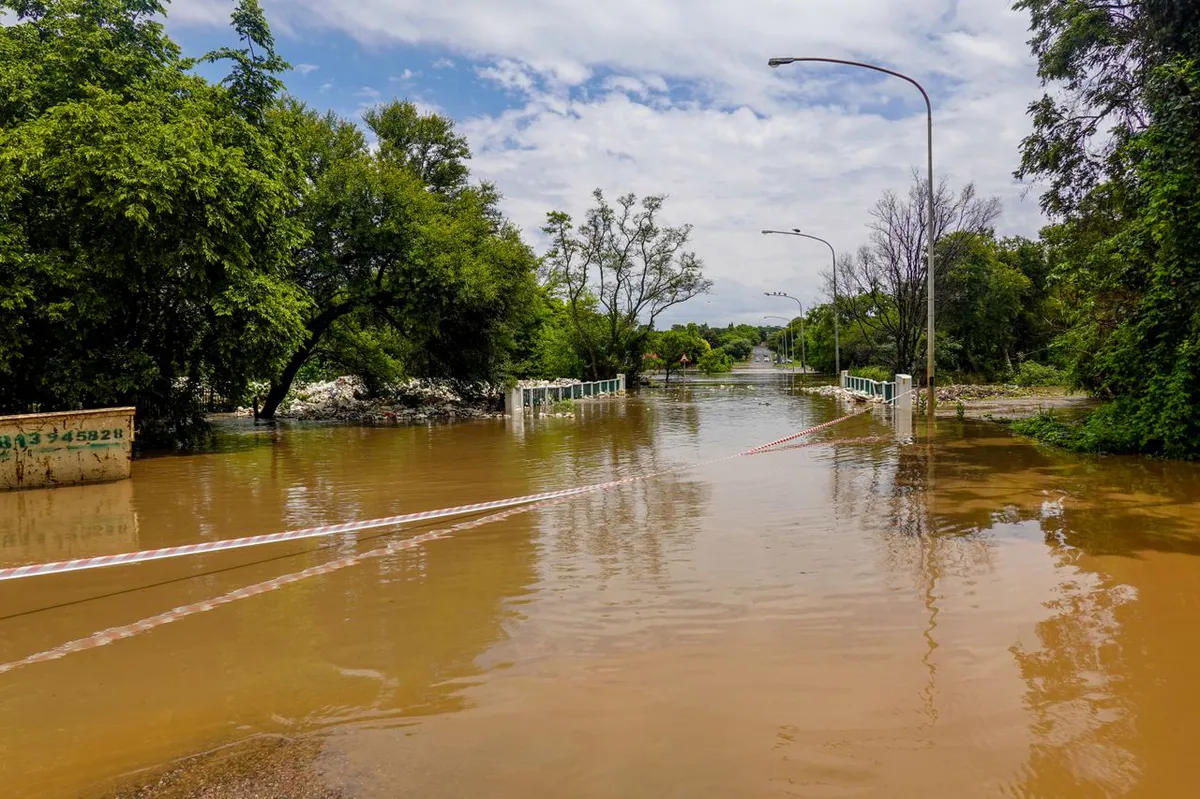
Recent flooding in Indiana and Hurricane Lala in Hawaii have highlighted alarming gaps in flood insurance coverage, revealing a trend that could have dire consequences for homeowners. This article explores the implications of these events on flood insurance policies and the critical need for better coverage options.
Related articles
Popular in Home Insurance
- 2026 Sees Below-Average Severe Convective Storm Losses: What It Means for Insurance
- El Niño and Wildfires: Preparing for a Fire-Prone Future
- Young Affluent Collectors: The Underinsurance Dilemma in Luxury Investments
- Wisconsin Property Owner Sues City and Insurers Over Contamination Cleanup Costs
- Rising Catastrophe Risks: How Europe’s Insurers Are Adapting to Climate Change