Flood Insurance Gaps Exposed Amid Indiana and Hawaii Disasters
Recent flooding in Indiana and Hurricane Lala in Hawaii have highlighted alarming gaps in flood insurance coverage, revealing a trend that could have dire consequences for homeowners. This article explores the implications of these events on flood insurance policies and the critical need for better coverage options.
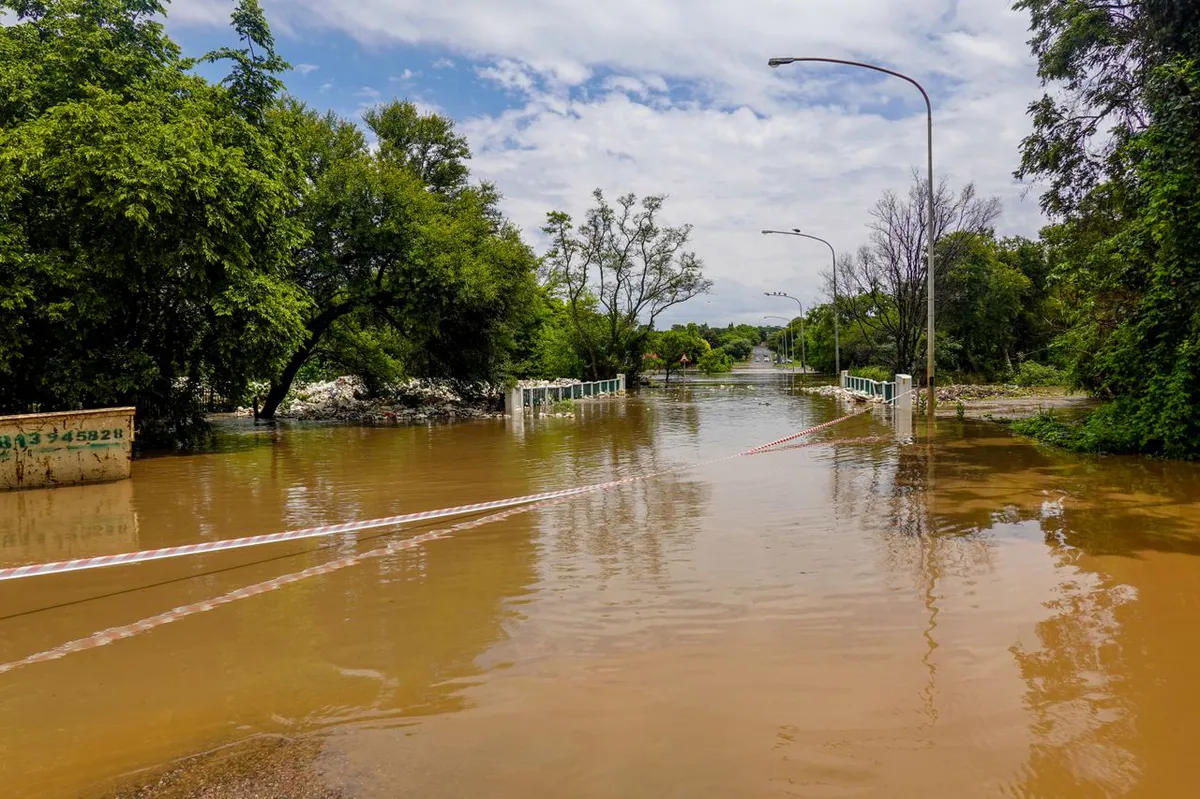
The devastating impact of natural disasters often exposes the vulnerabilities of communities and their preparedness for such events. The recent historic flooding in Indiana, which tragically resulted in the loss of at least six lives, alongside Hurricane Lala's assault on Hawaii, underscores a troubling reality: a substantial number of homeowners are inadequately insured against flood risks. With fewer than 1% of homes in Indiana and a mere 2.4% in Hawaii protected by flood insurance, these events raise critical questions about the state of flood coverage in the United States and the far-reaching implications for homeowners.
In Indiana, the White River reached record levels, cresting at nearly 25 feet and breaking a century-old record. Governor Mike Braun’s declaration of a statewide disaster emergency, followed by President Trump's approval of an emergency declaration, brought attention to the unfolding crisis. Simultaneously, Hurricane Lala made landfall in Hawaii, initially striking the Big Island as a Category 1 hurricane before weakening. This dual occurrence of disasters has highlighted a significant issue: the stark lack of flood insurance coverage among residents, a gap that could leave many homeowners facing financial ruin.
The Stark Reality of Flood Insurance Coverage
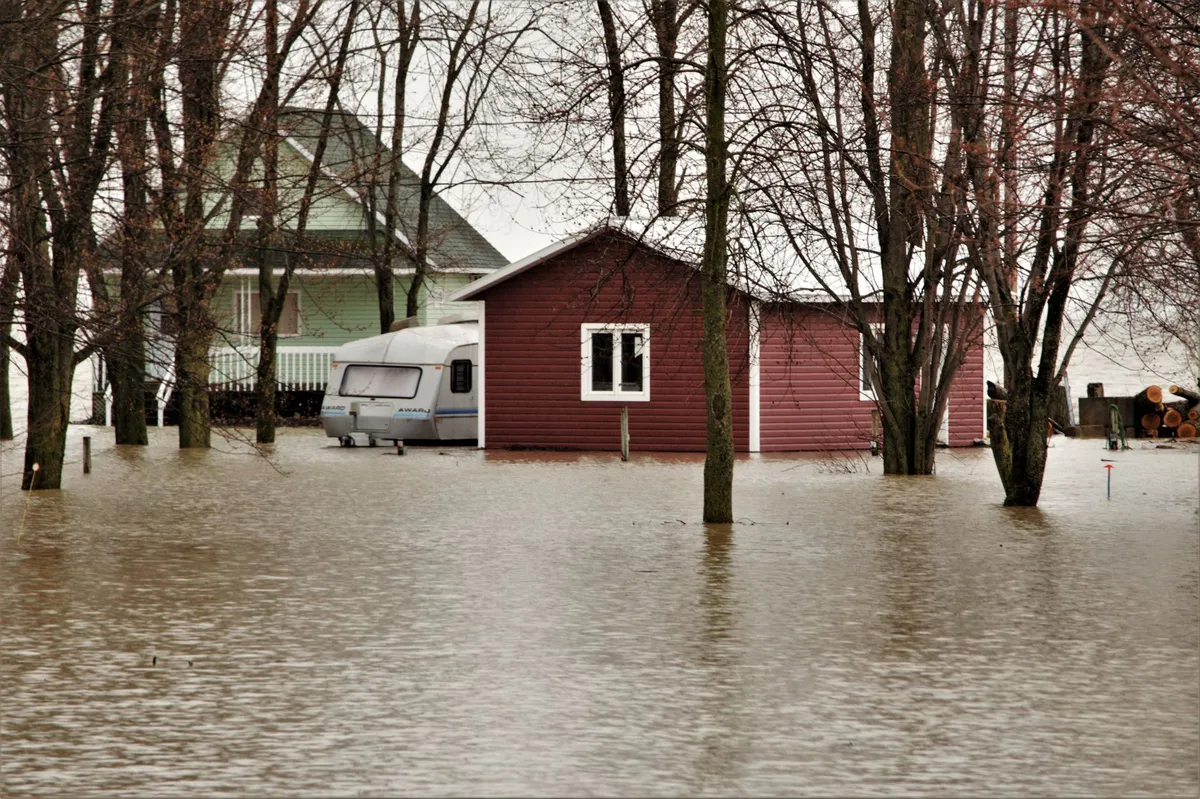
In Indiana, the analysis conducted by Neptune Flood reveals a shocking statistic: fewer than one in 200 homes carries flood insurance. This is a significant decline from just over a decade ago, with the number of National Flood Insurance Program (NFIP) policies plummeting from 30,820 in 2011 to just 13,446 today—a staggering 56% decrease. In counties particularly affected by the recent flooding, such as Madison County, only one in 320 homes is insured against flood risks.
Hawaii is not faring much better. Despite its vulnerability to hurricanes and flooding, only 2.4% of homes statewide have an NFIP policy, representing a 29% decline since 2015. On the Big Island specifically, the figure drops to 1.2%, highlighting the serious gap in coverage that exists even in areas frequently subject to extreme weather events.
National Trends in Flood Insurance
The declining trend in flood insurance participation is not confined to Indiana and Hawaii; it reflects a broader national pattern. The NFIP, established to provide flood coverage to homeowners, peaked at approximately 5.7 million policies in 2009. Now, that number has fallen to under 4.7 million, according to the Congressional Research Service. FEMA estimates that only about 4% of American homeowners currently carry any form of flood insurance, a figure that raises alarms given the increasing frequency and intensity of flooding events across the nation.
One notable factor contributing to this decline is FEMA's Risk Rating 2.0, which was fully implemented in April 2023. This new rating system aims to provide a more accurate assessment of flood risk based on individual properties rather than relying solely on outdated flood maps. However, it has also resulted in a decrease in new NFIP policies by 11% to 39%, further exacerbating the coverage crisis.
Understanding Flood Insurance: What Homeowners Need to Know
Standard homeowners insurance policies typically do not cover flood damage, necessitating the purchase of separate flood insurance either through the NFIP or private flood insurers. Coverage is often tied to whether properties are located within FEMA-designated Special Flood Hazard Areas (SFHAs), which are determined based on historical flood data.
- Key points about flood insurance coverage include:
- Homeowners in high-risk areas are usually required to carry flood insurance if they have a mortgage from a federally regulated lender.
- Many properties impacted by recent flooding events lie outside FEMA's mapped floodplains, demonstrating the inadequacy of these maps in predicting flood risk.
- FEMA's flood maps are primarily designed around river overflow and coastal storm surges, leaving gaps for rain-driven floods, which have been increasingly common due to climate change.
Research from First Street, a climate risk firm, indicates that more than twice as many U.S. properties face meaningful flood risk compared to what FEMA’s maps suggest. This discrepancy is further highlighted by Neptune Flood's data, which shows that around 45% of NFIP claims originate from areas outside the mapped floodplains. These statistics emphasize the critical need for homeowners to reassess their flood risk and coverage options.

Finding Solutions: The Role of Insurance Brokers
The current flooding crisis in Indiana and Hawaii places renewed pressure on insurance brokers to engage in conversations with clients about flood coverage. Brokers serve as crucial intermediaries who can help homeowners navigate their options, whether through the NFIP or private flood insurers. While NFIP policies remain available in both states, the private flood insurance market is also expanding, often providing higher coverage limits than the NFIP, which caps residential building coverage at $250,000.
Despite the growing private market, it has not yet resolved the flood coverage crisis in America. Brokers must educate clients about their exposure to flood risks and encourage proactive measures to secure adequate coverage. This includes understanding the implications of climate change on local flood risks and recognizing that many homes may be at risk even if they are not in designated flood zones.

Legislative Context and the Future of Flood Insurance
The NFIP is currently set to expire on September 30, and Congress has extended it on a short-term basis 34 times since fiscal year 2017. This uncertainty in the program's future adds another layer of complexity for homeowners seeking reliable flood insurance. U.S. senators have expressed concern over the steep declines in enrollment, especially in communities that are least able to absorb annual rate hikes.
As climate change continues to alter weather patterns and increase the frequency of extreme weather events, the need for comprehensive flood coverage will only grow. Homeowners must advocate for better policy options that reflect the realities of today's climate risks and work with brokers to ensure they are adequately protected against potential disasters.
Key Takeaways
- The recent flooding in Indiana and Hawaii has exposed significant gaps in flood insurance coverage, with fewer than 1% of homes protected in some areas.
- Declining participation in the NFIP reflects a broader national trend, with only 4% of American homeowners carrying flood insurance.
- Homeowners should reassess their flood risk, especially if their properties are outside designated flood zones, and consider purchasing flood insurance.
- Insurance brokers play a vital role in helping clients navigate flood coverage options and understand their risks.
- The future of the NFIP is uncertain, emphasizing the need for proactive advocacy for better flood insurance solutions.
Frequently Asked Questions
What is flood insurance and why is it important?
Flood insurance is a specialized form of coverage that protects homeowners from financial losses due to flooding. It is essential because standard homeowners insurance policies do not cover flood damage, leaving homeowners vulnerable to significant out-of-pocket expenses in the event of a flood. With increasing flood risks due to climate change, having flood insurance is critical for protecting one's financial investment in a home.
How can I determine if I need flood insurance?
To assess your need for flood insurance, consider factors such as your property's location, its proximity to water bodies, and whether it is in a FEMA-designated flood zone. However, it's crucial to note that many properties outside of designated flood zones still face flood risks. Consulting with an insurance broker can help you evaluate your specific situation and make an informed decision regarding flood coverage.
What are the differences between NFIP and private flood insurance?
The NFIP is a federal program that provides flood insurance, but it has coverage limits and restrictions. For example, it caps residential building coverage at $250,000. Private flood insurance, on the other hand, often offers higher coverage limits and more flexible policy options. Homeowners should explore both options and consult with insurance professionals to find the best fit for their needs.
What steps can I take to protect my home from flooding?
To protect your home from flooding, consider investing in flood insurance, elevating your home, and implementing landscaping measures that direct water away from your property. Additionally, staying informed about local flood risks and weather patterns can help you prepare for potential flooding events. Working with a knowledgeable insurance broker can also provide guidance on the best coverage options and risk mitigation strategies.
Comments
Navigating Complex Insurance Claims After Hurricane Lala
Hurricane Lala’s impact on Hawaii has left many homes damaged and insurance claims complicated. Brokers and policyholders must understand overlapping insurance policies to navigate the recovery process effectively.

Related articles
Popular in Home Insurance
- 2026 Sees Below-Average Severe Convective Storm Losses: What It Means for Insurance
- El Niño and Wildfires: Preparing for a Fire-Prone Future
- Young Affluent Collectors: The Underinsurance Dilemma in Luxury Investments
- Wisconsin Property Owner Sues City and Insurers Over Contamination Cleanup Costs
- Rising Catastrophe Risks: How Europe’s Insurers Are Adapting to Climate Change