Hurricane Lala Leaves Hawaii in the Dark: A Long Recovery Ahead
Hurricane Lala has wreaked havoc on Hawaii's electrical grid, leaving over 80,000 residents without power, with some facing months of outages. This article delves into the impact on infrastructure, emergency services, and the potential long-term effects on residents and businesses.
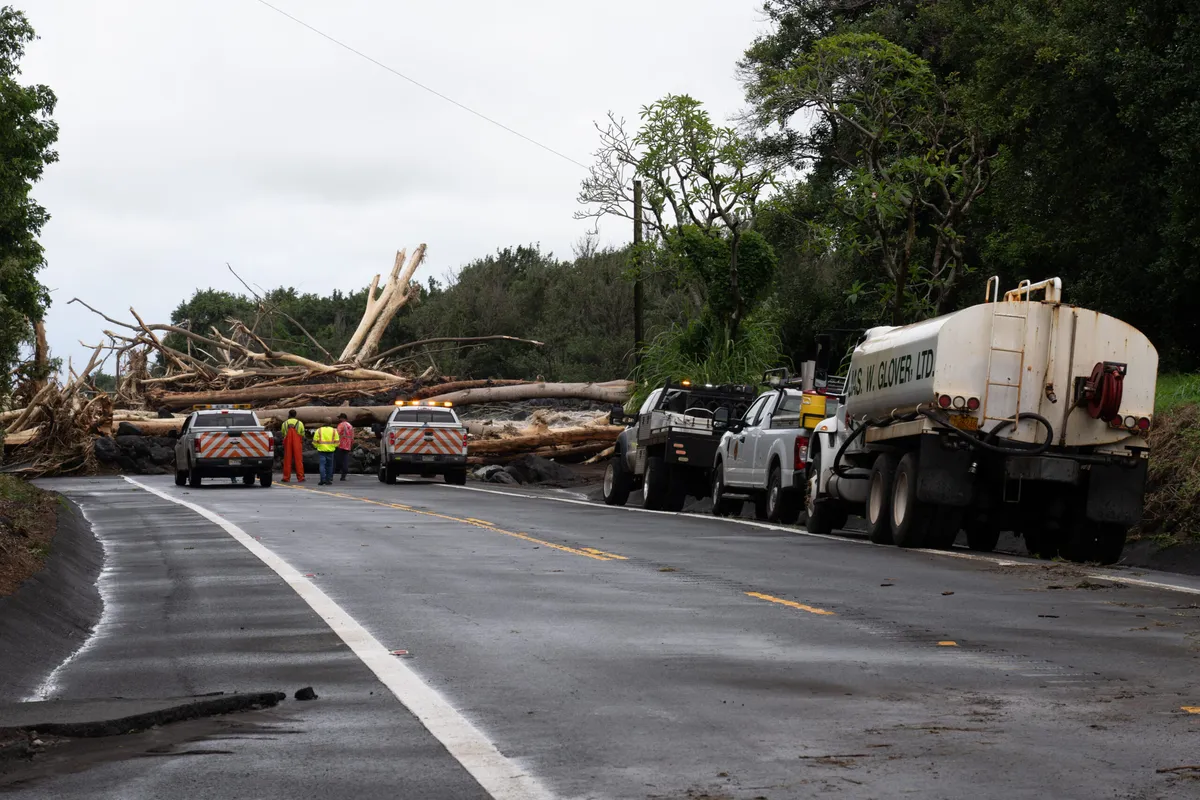
The aftermath of Hurricane Lala has plunged Hawaii into a state of emergency, affecting over 80,000 homes and businesses across the islands. With extensive damage to the electrical grid, residents are facing not just inconvenience but potentially long-term power outages. As Hawaiian Electric Industries Inc. assesses the destruction, it has become clear that the recovery process will be arduous and protracted.
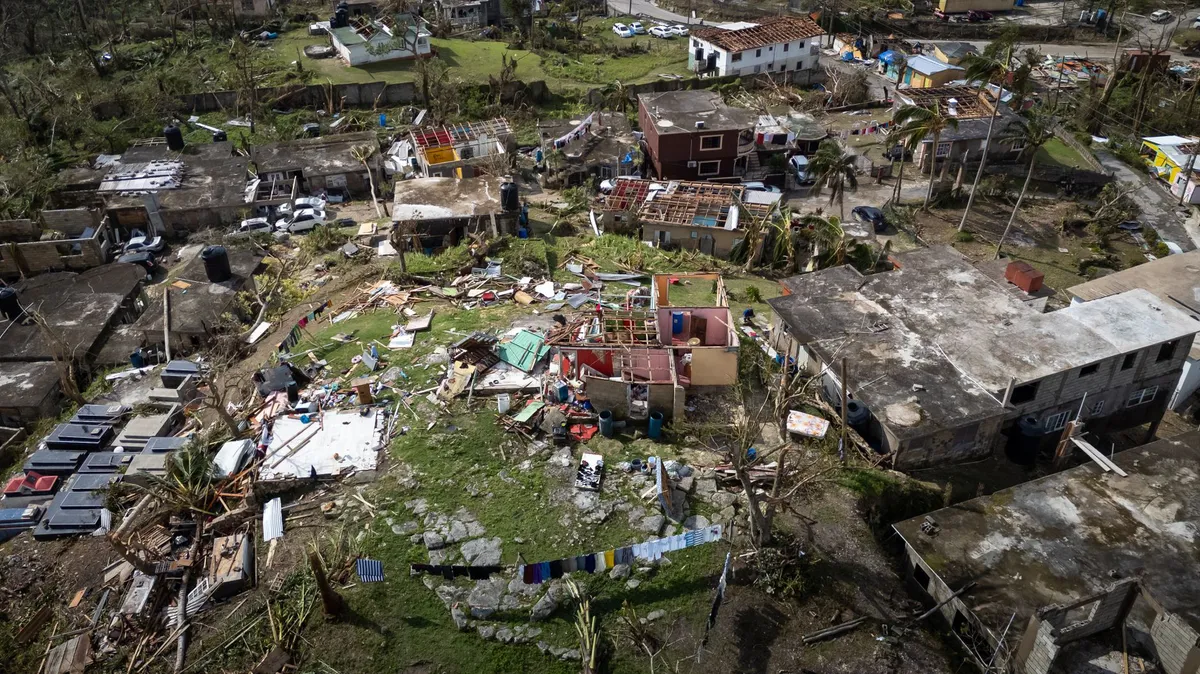
The storm's impact has been profound, particularly on the Big Island and Maui, where infrastructure has suffered major setbacks, leaving some customers without power for weeks or even months. As crews begin the laborious process of restoring service, key questions arise: What does this mean for daily life in Hawaii? How will essential services respond? And what steps can residents take to prepare for an uncertain future?
Understanding the Scale of the Damage
Storm Lala unleashed a deluge of rain across Hawaii, with some areas recording unprecedented rainfall totals. Laupahoehoe on the Big Island received a staggering 43.54 inches from Friday through Sunday morning, while other locations saw totals exceeding three feet. Such extreme weather events not only disrupt daily life but also inflict significant damage to critical infrastructure.
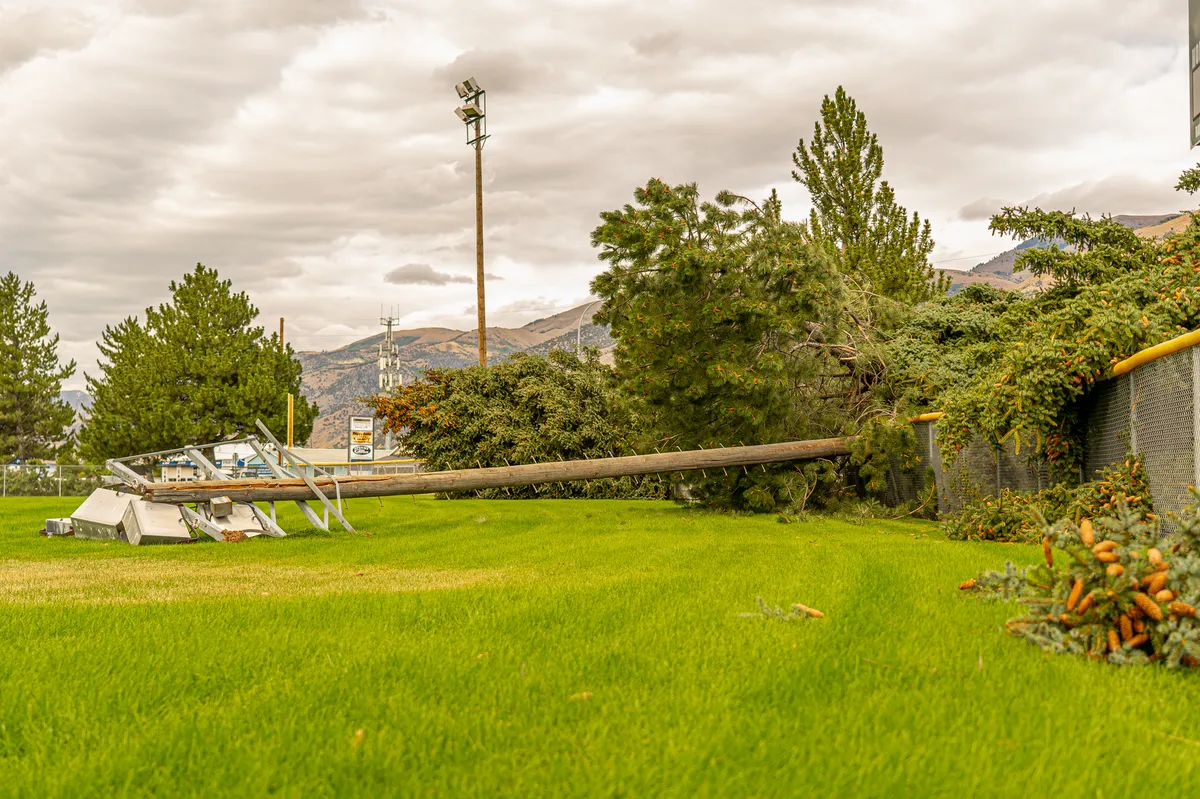
According to Hawaiian Electric, as of early Monday, crews had repaired three major transmission lines, but at least 25 lines remained out of service across the Big Island and O'ahu. This infrastructure breakdown is particularly concerning in remote areas where access is limited, making repairs more challenging. The utility has warned that full restoration could take months, raising concerns for residents relying on electricity for basic needs.
The Ripple Effect on Essential Services
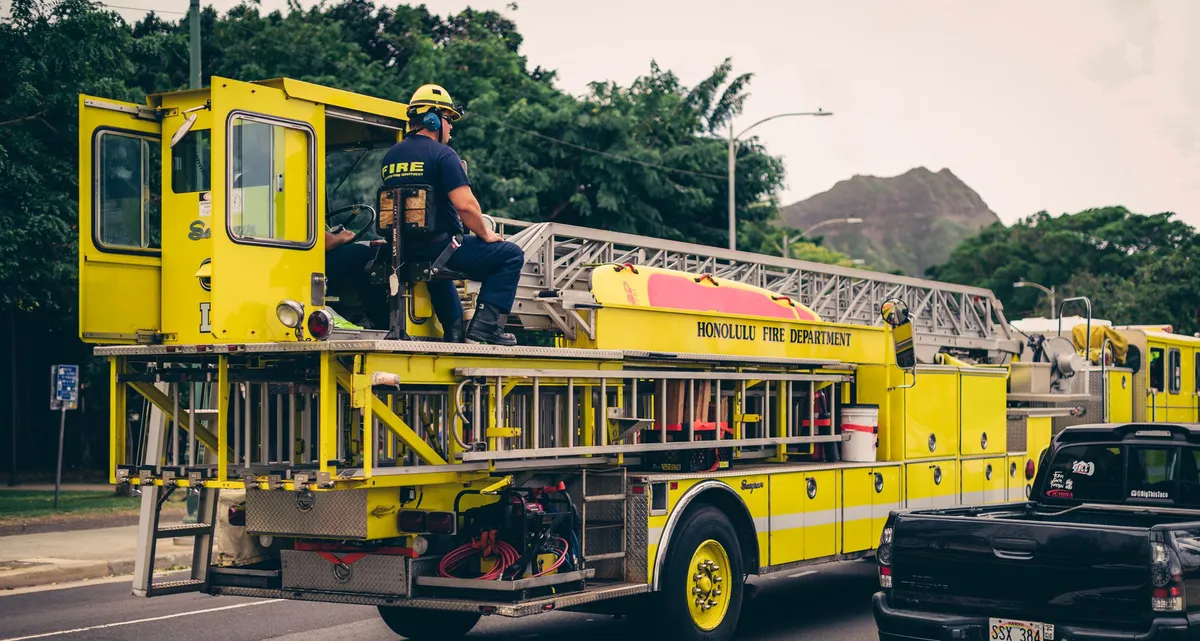
The ramifications of the power outages extend beyond the immediate loss of electricity. Emergency services, such as the Hawaii Police Department, reported failures in their 911 systems, directing residents to alternative numbers for police, fire, and ambulance services. Such disruptions can have dire consequences in emergency situations, heightening the urgency for restoration of power and telecommunications.
Additionally, the storm's impact on the water treatment facilities has led to environmental concerns. Power outages forced a water treatment plant to discharge approximately 717,000 gallons of partially treated wastewater along Sandy Beach, posing a health risk to residents. Hawaii American Water Co. has cautioned the public to avoid contact with water in affected areas until further notice, underscoring the interconnectedness of utility services during such crises.
Long-Term Implications for Residents and Businesses
The power outages and infrastructure failures raise critical questions about the long-term implications for residents and businesses in Hawaii. For homeowners, the loss of power can mean more than just an inconvenience; it can lead to food spoilage, damage to appliances, and increased costs associated with temporary housing or alternative power solutions.
Small businesses, particularly those reliant on consistent power for operations, face significant challenges. Prolonged outages can lead to revenue losses, employee layoffs, and ultimately, business closures. The Hawaiian economy, which is heavily dependent on tourism and local commerce, may take a hit as residents and visitors alike are affected by the ongoing recovery efforts.
Preparing for Future Storms
As Hawaii grapples with the aftermath of Hurricane Lala, the importance of preparedness for future storms cannot be overstated. Residents should consider taking proactive measures to mitigate risks associated with power outages and other storm-related disruptions. Here are some steps to consider:
- Emergency Kits: Assemble emergency kits that include non-perishable food, water, flashlights, batteries, and first-aid supplies.
- Backup Power Sources: Invest in portable generators or solar-powered chargers to keep essential devices powered during outages.
- Community Networks: Connect with neighbors to establish a support network for sharing resources and information during emergencies.
- Stay Informed: Sign up for local alerts and weather updates to stay informed about potential threats and recovery efforts.
Key Takeaways
- Hurricane Lala has left over 80,000 homes and businesses without power.
- Infrastructure damage, particularly on the Big Island and Maui, may result in outages lasting months.
- Emergency services and water treatment facilities are also affected, posing health risks to residents.
- Residents and businesses must prepare for ongoing challenges and future storms.
Frequently Asked Questions
How long will power outages last in Hawaii after Hurricane Lala?
Hawaiian Electric has indicated that some customers could face power outages lasting weeks or even months. The extent of the damage to the electrical grid, especially in remote areas, will determine the timeline for restoration. Utility crews are actively working to repair transmission lines, but the recovery process is complex and may take considerable time.
What should residents do if they are without power?
Residents without power should prioritize safety. They should avoid opening refrigerators and freezers to preserve food, use flashlights instead of candles to prevent fire hazards, and stay informed about updates from local authorities. It’s also advisable to check on neighbors, especially those who are elderly or may require assistance.
How can residents prepare for future storms in Hawaii?
Preparation for future storms involves assembling emergency kits with essential supplies, considering backup power sources, and staying informed about weather alerts. Establishing community networks can also provide support during emergencies. Taking proactive steps can help mitigate the impact of future storms.
Comments
The Growing Crisis of Property Valuation in Insurance: What You Need to Know
As construction costs rise sharply, property owners face significant risks of underinsurance. This article explores the implications of valuation gaps and what can be done to mitigate them.
Related articles
Popular in Home Insurance
- 2026 Sees Below-Average Severe Convective Storm Losses: What It Means for Insurance
- El Niño and Wildfires: Preparing for a Fire-Prone Future
- Young Affluent Collectors: The Underinsurance Dilemma in Luxury Investments
- Wisconsin Property Owner Sues City and Insurers Over Contamination Cleanup Costs
- Rising Catastrophe Risks: How Europe’s Insurers Are Adapting to Climate Change