The Growing Crisis of Property Valuation in Insurance: What You Need to Know
As construction costs rise sharply, property owners face significant risks of underinsurance. This article explores the implications of valuation gaps and what can be done to mitigate them.
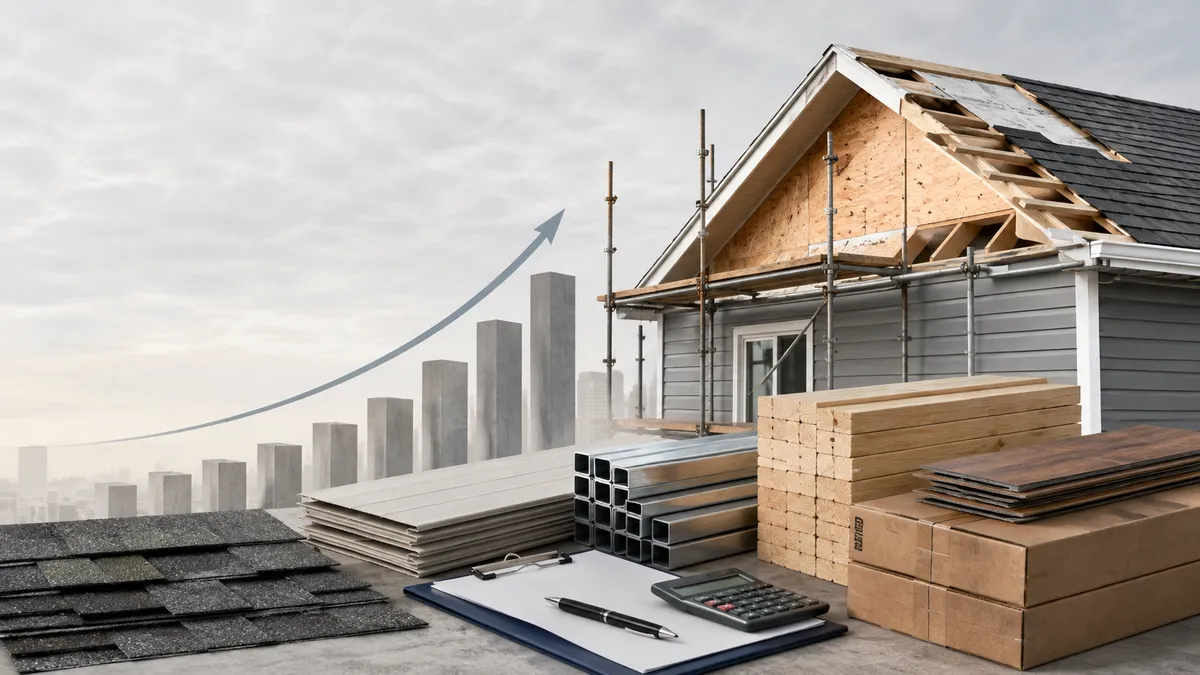
In a rapidly evolving economic landscape, property owners across the United States are facing a growing crisis: the widening gap between actual property values and insured values. As energy, transportation, and construction material costs increase at unprecedented rates, traditional methods of keeping insured property values aligned with reconstruction costs are becoming increasingly inadequate. The implications of this valuation challenge are profound, affecting not just individual policyholders but also the broader insurance market and economy.
Recent data highlights a startling trend: nearly 90% of properties evaluated in a Kroll study were found to be underinsured, with a significant portion underinsured by 25% or more. This situation poses a critical risk for property owners, especially as inflation adjustments become less reflective of the realities of the construction market. In this article, we will explore the factors contributing to this valuation crisis, the consequences for property owners, and actionable strategies to ensure adequate insurance coverage in this volatile environment.
The Impact of Rising Construction Costs
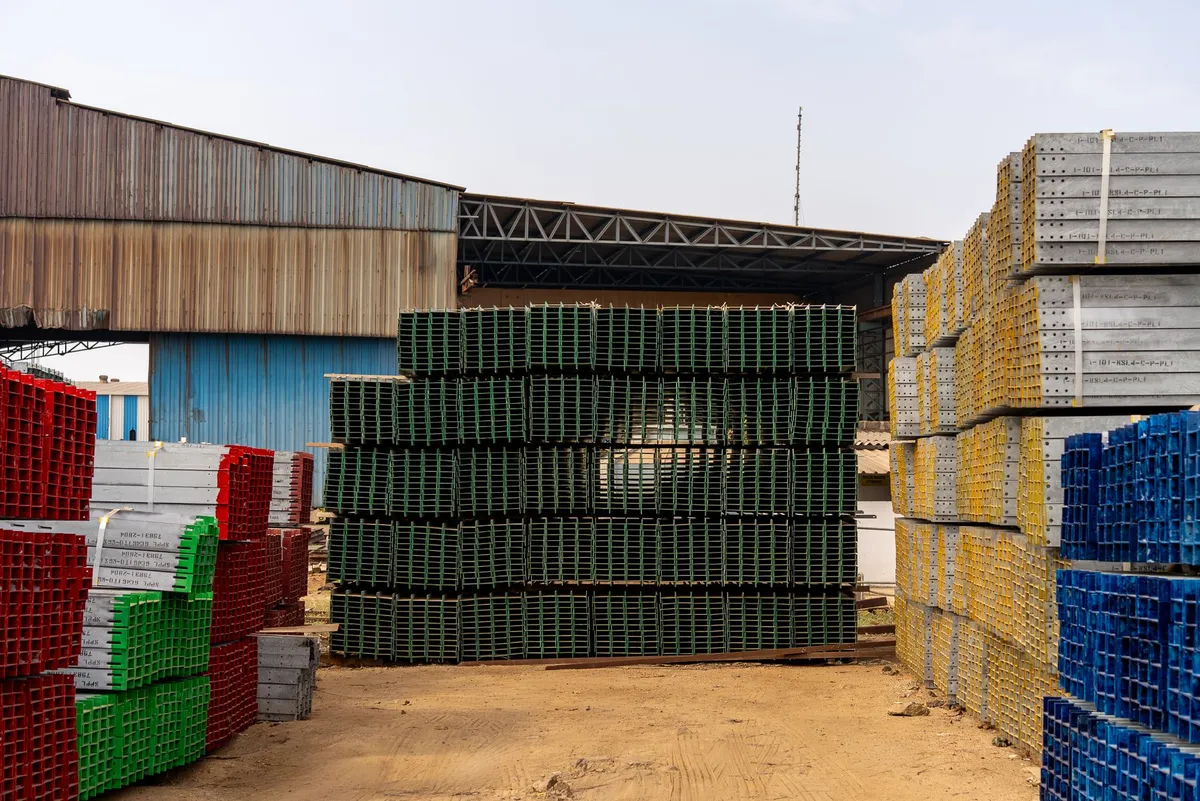
Construction costs have surged dramatically in recent years, with the first quarter of 2026 witnessing a 4.8% year-over-year increase—the largest gain since early 2023. This rise is attributed to several factors, including supply chain disruptions, fluctuating energy prices, and heightened demand for construction materials. As a result, property values are shifting at a pace that traditional insurance policies struggle to keep up with, leading to a growing concern over underinsurance.
Challenges of Inflation Adjustments
Typically, insurance companies have relied on blanket annual inflation adjustments to keep insured values in line with market conditions. However, as Jason Taylor, Senior Vice President of Pricing Data Strategy at Verisk Claims Solutions, notes, this approach is becoming outdated. "The variability that we're having today makes blanket inflation adjustments less applicable," he states. Instead, Taylor advocates for more frequent and property-specific valuations based on current cost data. This shift is crucial for maintaining appropriate coverage and preventing significant financial losses in the event of a loss.
The Underinsurance Epidemic
Underinsurance has become a systemic issue within the property insurance landscape. The combination of rising costs and a reluctance among property owners to increase coverage limits has led to a situation where many buildings are grossly undervalued. Kristina Talkowski, Senior Vice President of Commercial Middle Market at Nationwide, emphasizes that the trend has been exacerbated by rising property insurance costs, which have forced some owners to reduce their coverage limits or self-insure. "It’s not uncommon for policyholders to find themselves underinsured at the time of a loss due to outdated estimates," she warns.
The Role of Critical Equipment and Materials
Valuation gaps are not solely a function of real estate values; they also arise from a lack of reassessment of critical equipment and materials. As property owners consider their insurance needs, they must evaluate not just the current cost of their assets, but also the availability of those assets in the event of a loss. This is particularly relevant for properties with significant amounts of petroleum-based materials, such as asphalt shingles and vinyl siding, which can experience drastic price fluctuations due to changes in oil prices.
Understanding Material Exposure
The financial exposure associated with materials affected by petroleum prices is a key concern for property insurers. Verisk's analysis categorizes exposure into three main groups:
- Direct Petrochemical Exposure: Materials like asphalt shingles and synthetic flooring are directly impacted by oil prices.
- Energy-Intensive Manufacturing: Construction materials such as glass, concrete, and metals require significant energy for production, making them susceptible to energy cost fluctuations.
- Transportation-Heavy Products: The cost of materials that rely heavily on transportation can also rise due to increased fuel prices.
Understanding these categories is vital for property owners to assess their risk accurately. For instance, if a property is primarily constructed with asphalt roofing, any sudden spike in oil prices could drastically increase replacement costs, leading to potential underinsurance.
The Risk of Catastrophic Events
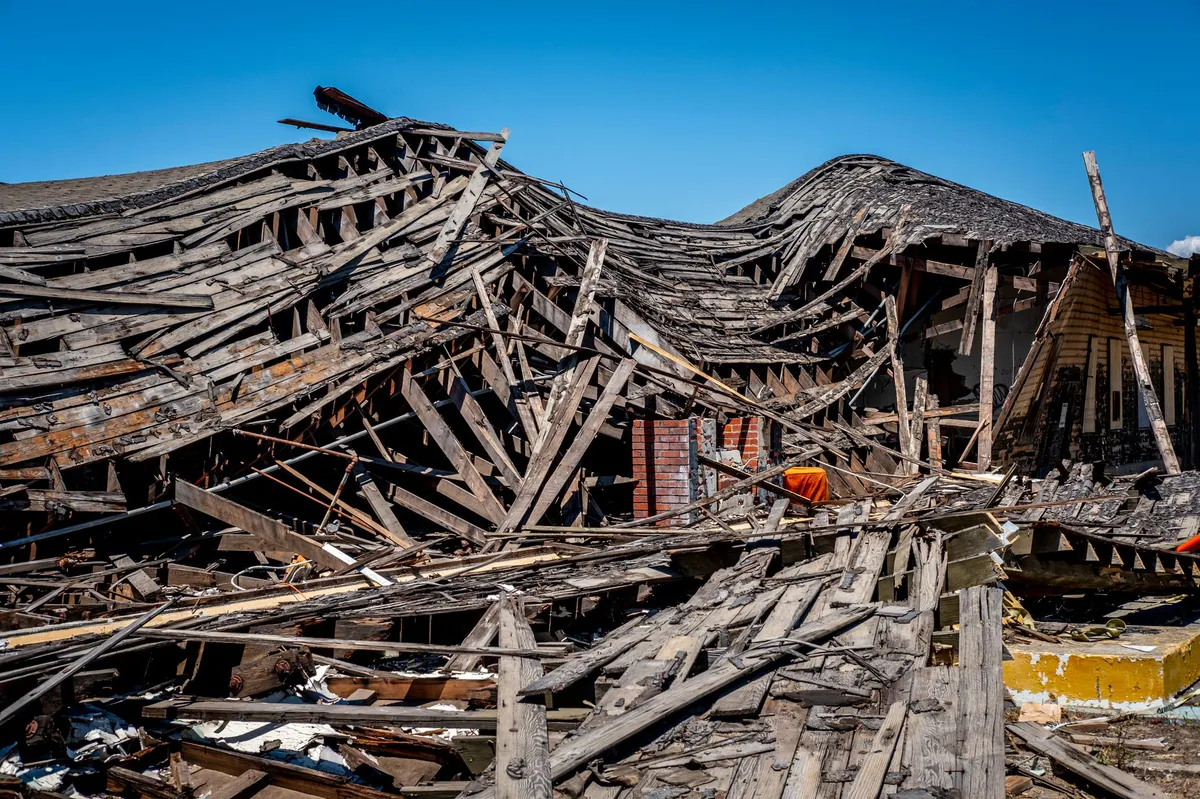
Another layer of complexity arises from the potential for catastrophic events, such as hurricanes or major storms. These disasters can create a surge in demand for construction materials right when they are most needed, leading to sharp increases in replacement costs. Greg Pyne, Vice President of Pricing at Verisk Property and Restoration Solutions, notes that subdued demand in the current market may conceal some valuation risks. However, a significant event could quickly change the landscape, resulting in increased costs at a time when property owners are least prepared.
Preparing for Future Costs
To mitigate the risks associated with rising reconstruction costs, property owners should take proactive steps. Regularly reassessing property values and coverage limits is essential. In addition, property owners should engage with their insurance agents to discuss the potential need for more frequent valuations based on current market trends. This proactive engagement can help ensure that policies reflect the true value of properties and reduce the risk of underinsurance during a loss event.
Key Takeaways
- Rising construction costs are leading to significant valuation gaps in property insurance.
- Nearly 90% of properties evaluated are underinsured, with many by 25% or more.
- Traditional inflation adjustments are becoming insufficient; more frequent property-specific valuations are necessary.
- Property owners should regularly reassess their coverage limits to align with current market conditions.
- Understanding material exposure and the impact of catastrophic events is crucial for adequate insurance planning.
Frequently Asked Questions
What is underinsurance, and why is it a problem?
Underinsurance occurs when a property’s insured value is lower than its actual replacement cost. This can result in significant financial losses for property owners during a loss event, as the insurance payout may not cover the full extent of damages. With rising construction costs, many property owners are finding themselves underinsured, especially if they have not reassessed their coverage limits in several years.
How often should I reassess my property’s insurance value?
Experts recommend that property owners reassess their insurance values at least annually or whenever significant changes occur, such as renovations or market fluctuations. Regular assessments help ensure that coverage limits align with current reconstruction costs, reducing the risk of underinsurance during a loss event.
What role do energy prices play in property valuation?
Energy prices, particularly those related to petroleum, significantly impact the costs of construction materials. Many building materials are derived from petrochemical processes, and fluctuations in oil prices can lead to unexpected increases in replacement costs. Understanding this connection is critical for property owners to accurately assess their risk and insurance needs.
What can I do to protect myself from underinsurance?
To protect against underinsurance, property owners should engage their insurance agents in regular discussions about their coverage limits and the current market trends. Conducting regular property valuations, considering the potential impact of material costs and market conditions, and possibly increasing coverage limits can help ensure adequate protection.
Comments
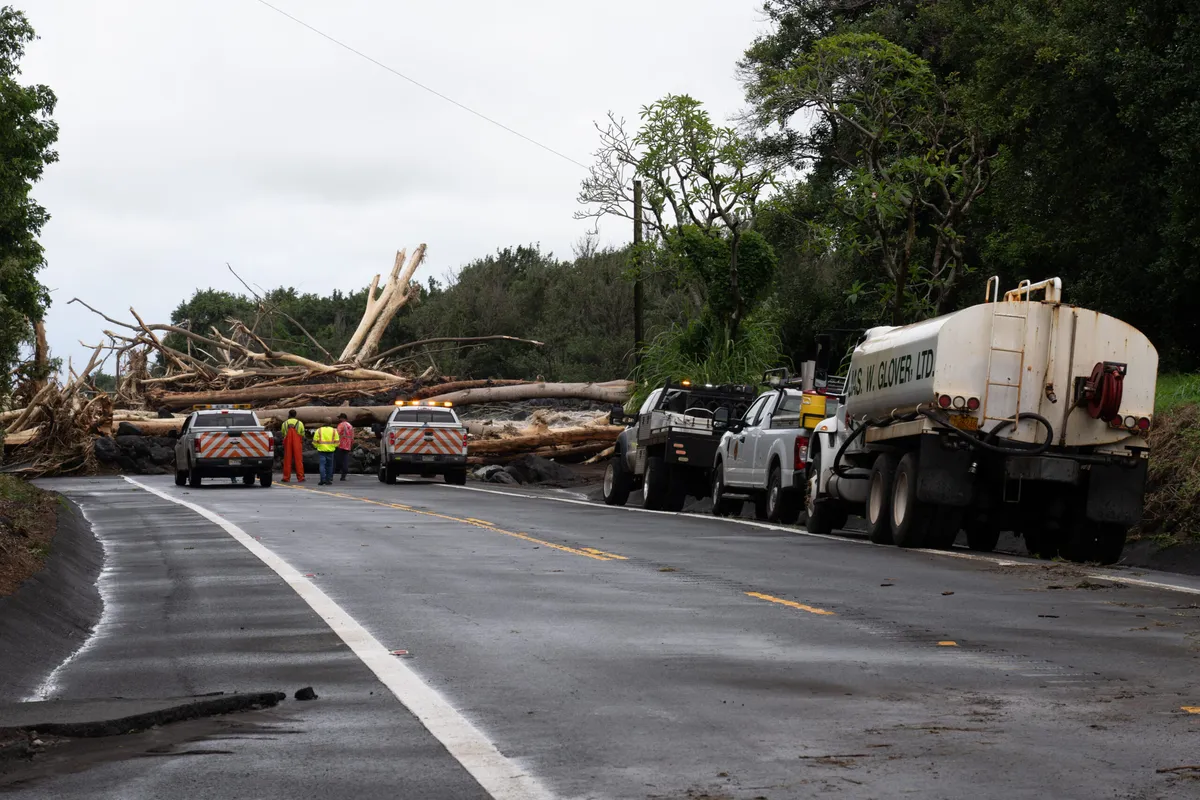
Hurricane Lala Leaves Hawaii in the Dark: A Long Recovery Ahead
Hurricane Lala has wreaked havoc on Hawaii's electrical grid, leaving over 80,000 residents without power, with some facing months of outages. This article delves into the impact on infrastructure, emergency services, and the potential long-term effects on residents and businesses.
Related articles
Popular in Home Insurance
- 2026 Sees Below-Average Severe Convective Storm Losses: What It Means for Insurance
- El Niño and Wildfires: Preparing for a Fire-Prone Future
- Young Affluent Collectors: The Underinsurance Dilemma in Luxury Investments
- Wisconsin Property Owner Sues City and Insurers Over Contamination Cleanup Costs
- Rising Catastrophe Risks: How Europe’s Insurers Are Adapting to Climate Change