A Rare Tornado Touches Down on Long Island: What You Need to Know
A rare tornado struck Atlantic Beach, Long Island, during severe storms, prompting emergency measures and raising questions about storm preparedness and insurance coverage.
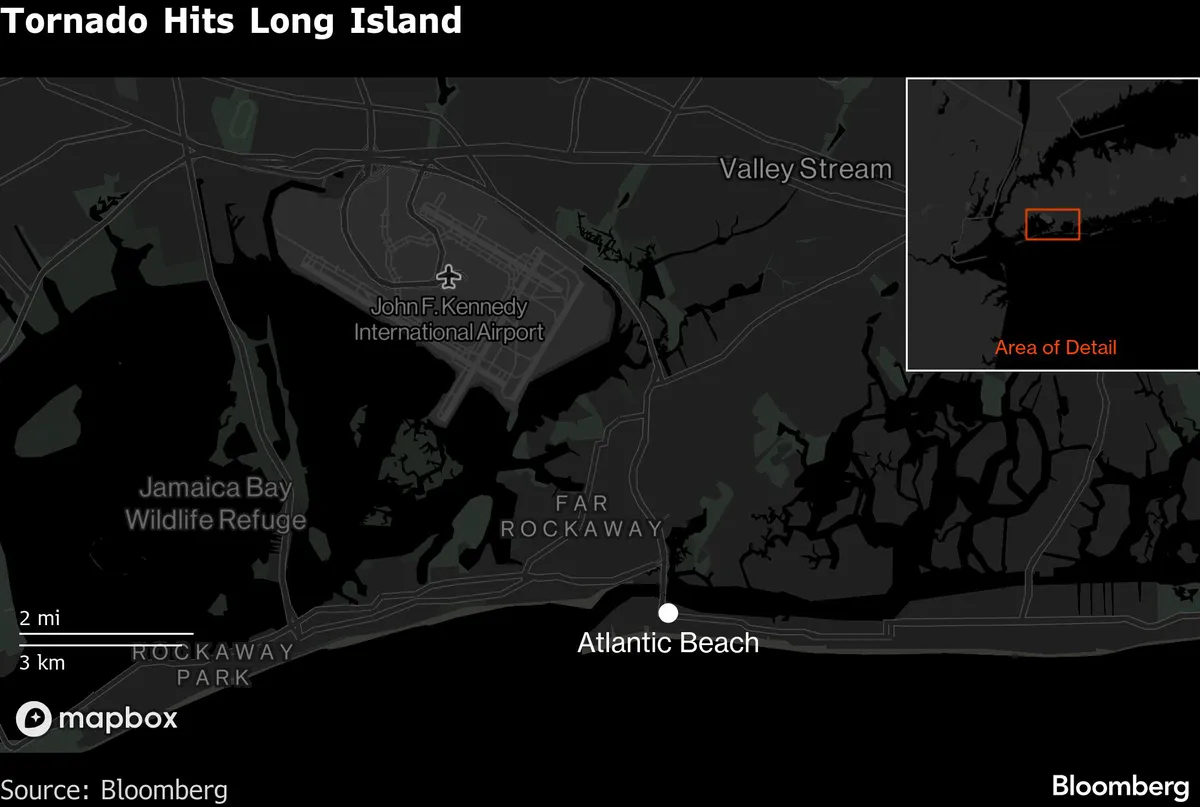
On a seemingly typical summer evening, a rare tornado made an unexpected appearance at Atlantic Beach on Long Island, New York. The National Weather Service confirmed the tornado touched down on August 21, 2026, during a wave of severe storms that swept across the East Coast. Although no serious injuries were reported, the tornado caused significant damage, particularly to beach clubs, and raised urgent questions about storm preparedness, response, and the implications for property insurance in the region.
This incident marks the first confirmed tornado in Nassau County since 2021, highlighting the unpredictable nature of severe weather events and the need for residents and businesses to be prepared.
The Impact of the Tornado
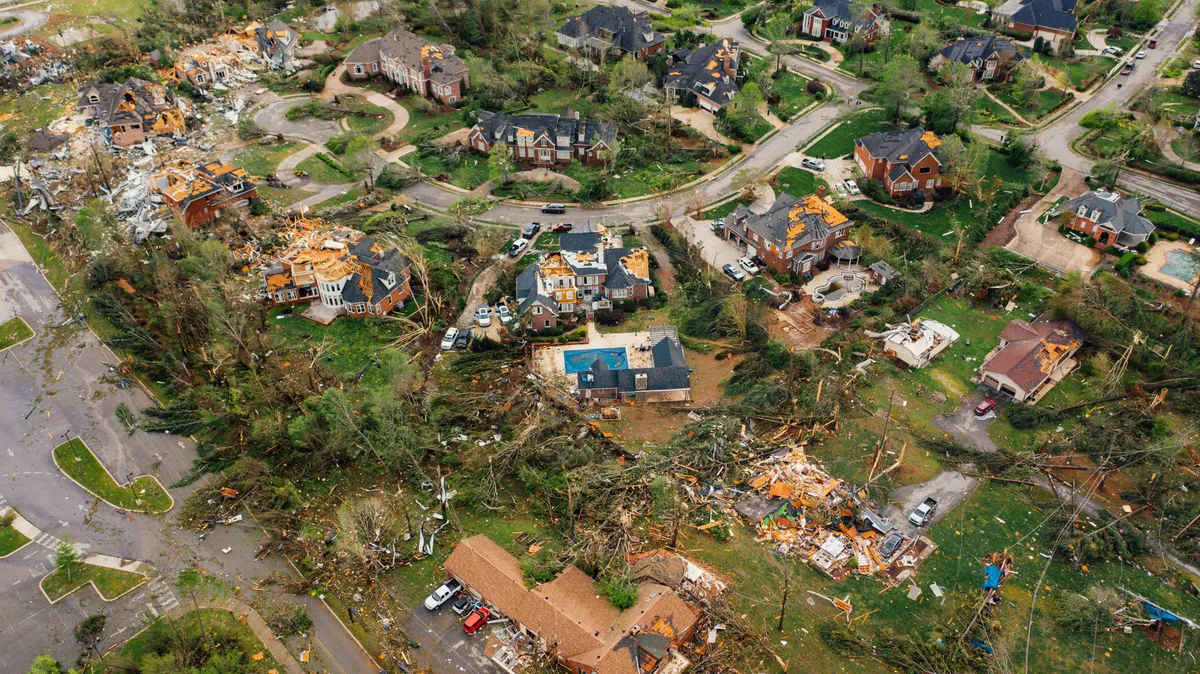
The tornado wreaked havoc at the Atlantic Beach Club, damaging approximately 50 cabanas and necessitating the temporary closure of the Silver Point and Sun & Surf Beach Clubs. Eyewitness accounts and video footage showed a waterspout transforming into a tornado, leaving destruction in its wake. Nassau County Executive Bruce Blakeman, who declared a state of emergency, emphasized the suddenness of such weather phenomena, stating, “It’s not something that you plan for; tornadoes form in an instant.”
The immediate aftermath saw heavy rains and thunderstorms flood roads, leading to major disruptions, including hundreds of flight cancellations and prolonged delays at regional airports. In Delaware, another tornado touched down, impacting hotels along the Dupont Highway, further underscoring the storm's widespread effects.
Understanding Tornadoes and Their Rarity
Tornadoes are relatively rare in densely populated areas like Long Island, which is typically more known for hurricanes and nor’easters. The conditions that lead to tornado formation usually include a combination of warm, moist air colliding with cooler, drier air, creating the instability necessary for these violent storms. In urban settings, the presence of large buildings and other structures can further complicate the predictability of tornado paths.
According to the National Weather Service, New York averages just a few tornadoes each year, with most occurring during the late spring and summer months. Tornadoes in New York tend to be weaker than those that touch down in the Midwest, but they can still cause substantial property damage, as evidenced by the recent events in Nassau County.
Emergency Preparedness: A Critical Necessity
The occurrence of a tornado in a region not typically associated with such events sends a strong message about the importance of emergency preparedness. Homeowners and businesses must be vigilant and proactive in their planning and response strategies. Here are some critical steps to consider:
- Stay Informed: Regularly monitor local weather reports and utilize weather apps for real-time updates.
- Develop a Plan: Create a family or business emergency plan that includes designated safe areas, communication strategies, and evacuation routes.
- Invest in Insurance: Ensure you have comprehensive property insurance that covers tornado damage.
- Conduct Drills: Regularly practice emergency drills to ensure everyone knows what to do in case of severe weather.
- Emergency Supplies: Keep an emergency kit stocked with essentials like food, water, medications, and first aid supplies.
Insurance Considerations After the Tornado
For many residents affected by the tornado, the question of insurance coverage will soon become a pressing concern. Homeowners insurance typically includes coverage for wind damage, but tornadoes can complicate claims processes, especially when determining the extent of damage and accounting for repairs.
Here are important points to consider:
- Review Your Policy: Understand what your homeowners or commercial property insurance covers regarding tornado damage. Many policies cover structural damage but may have limitations on personal property.
- Document Damage: After a storm, take photographs and videos of all damage for your insurance claim, which can expedite processing.
- File Claims Promptly: Contact your insurance company as soon as possible to start the claims process.
- Consider Flood Insurance: If your property is in a flood-prone area, separate flood insurance might be necessary as most standard policies do not cover flood damage.

The Role of State Regulation in Insurance
Insurance policies and coverage limits vary by state, influenced by local regulations and the state’s exposure to natural disasters. In New York, the Department of Financial Services oversees insurance regulations, ensuring that companies operate fairly and that consumers are adequately protected.
In light of the recent tornado, authorities may seek to review and potentially strengthen regulations regarding storm preparedness and insurance coverage. As climate change continues to impact weather patterns, state regulators are increasingly focused on ensuring that residents have access to reliable insurance products that adequately cover the risks posed by severe weather events.

Key Takeaways
- Unexpected Tornadoes: Tornadoes can occur unexpectedly in areas not typically associated with them, underscoring the need for preparedness.
- Emergency Plans are Essential: Developing a thorough emergency preparedness plan is crucial for families and businesses alike.
- Understanding Insurance: Review and understand your insurance policy to ensure you have adequate coverage for tornado and storm-related damage.
- Document Everything: Taking detailed records of damage can facilitate a smoother claims process.
- Stay Informed: Regularly monitor weather updates and alerts to stay ahead of severe weather threats.
Frequently Asked Questions
What should I do immediately after a tornado strikes?
After a tornado, your safety is the top priority. Check for injuries and ensure that everyone in your household is safe. Avoid entering damaged buildings until they have been inspected for structural integrity. Document the damage to your property with photos and videos, and begin contacting your insurance company to initiate the claims process. Stay tuned to local news and weather alerts for updates on further storms or advisories.
How can I ensure my property is insured against tornado damage?
To ensure your property is covered against tornado damage, review your homeowners or commercial property insurance policy carefully. Look for specific clauses regarding wind and storm damage. If your area is prone to severe weather, consider additional coverage options, such as flood insurance or riders that specifically address tornado damage. Consulting with an insurance agent can provide tailored recommendations based on your risks.
What resources are available for storm preparedness in my area?
Many local and state resources are dedicated to storm preparedness. The Federal Emergency Management Agency (FEMA) provides guidelines and resources for creating emergency plans, while local government websites often have information specific to your community. Additionally, organizations like the American Red Cross offer workshops and resources on emergency preparedness and response. Engaging with these resources can significantly enhance your readiness for severe weather events.
How often should I review my insurance policy?
It is advisable to review your insurance policy at least annually, or whenever significant changes occur in your life, such as home renovations, purchasing new valuables, or changes in your financial situation. Regular reviews ensure that your coverage remains adequate and that you are aware of any changes in policy terms or conditions. Additionally, discussing your policy with an insurance agent can help identify any gaps in coverage that need to be addressed.
Comments
Wildfire Crisis in Nevada: The Impact of New Insurance Laws
As wildfires rage through Reno, Nevada, new legislation allows insurers to exclude wildfire coverage from homeowners' policies. This leaves many homeowners vulnerable and unaware of their coverage changes amidst a growing crisis.
Related articles
Popular in Home Insurance
- 2026 Sees Below-Average Severe Convective Storm Losses: What It Means for Insurance
- El Niño and Wildfires: Preparing for a Fire-Prone Future
- Young Affluent Collectors: The Underinsurance Dilemma in Luxury Investments
- Wisconsin Property Owner Sues City and Insurers Over Contamination Cleanup Costs
- Rising Catastrophe Risks: How Europe’s Insurers Are Adapting to Climate Change