Wildfire Crisis in Nevada: The Impact of New Insurance Laws
As wildfires rage through Reno, Nevada, new legislation allows insurers to exclude wildfire coverage from homeowners' policies. This leaves many homeowners vulnerable and unaware of their coverage changes amidst a growing crisis.
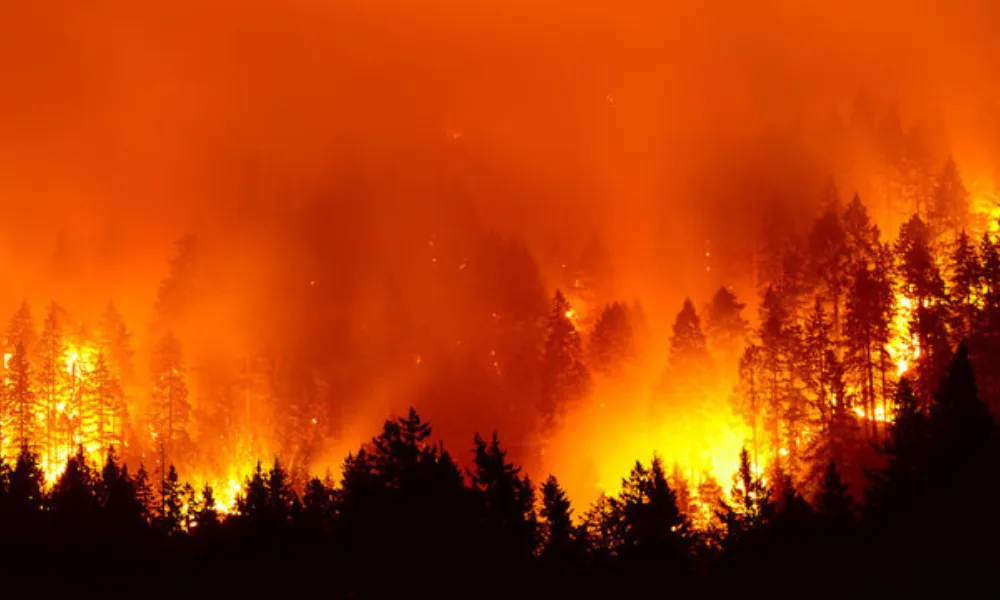
The recent outbreak of the Hawk Fire in northwest Reno, Nevada, has become a sobering reminder of the increasing threat posed by wildfires across the western United States. As flames engulfed homes and forced the evacuation of approximately 90,000 residents, the implications of newly enacted insurance laws came to light. With at least six injuries reported among civilians and first responders, the urgency of the situation was underscored by Governor Joe Lombardo's declaration of a state of emergency, mobilizing the National Guard and deploying additional firefighting resources. This crisis not only impacts those living in the fire's immediate vicinity but also raises critical questions about the future of homeowners insurance policies in a state grappling with wildfire risk.
Compounded by the timing of the Hawk Fire, which struck just months after Nevada's groundbreaking Assembly Bill 376 took effect, the situation highlights the precarious balancing act that state legislators and insurers are attempting. For the first time in U.S. history, insurers were granted explicit authority to exclude wildfire coverage from standard homeowners' insurance policies. As the flames spread rapidly across the Peavine Peak area, residents were left to wonder: does their policy still cover them against wildfire damage?
Understanding the New Wildfire Exclusion Law
Assembly Bill 376, passed unanimously in June 2025, aims to stabilize the insurance market in Nevada by allowing insurers to remove wildfire coverage from homeowners' policies. The law was introduced as a response to a significant uptick in non-renewals of policies due to wildfire risks, with a staggering 82% increase in policy declines attributed to wildfire concerns in 2023 alone. The goal was to provide insurers with more flexibility, thereby encouraging them to remain active in the state rather than withdrawing from high-risk markets.
However, the law has raised concerns among consumer advocates, particularly regarding the potential lack of awareness among homeowners about changes to their coverage. Most existing policies prior to January 1, 2026, still included wildfire coverage, but policies issued or renewed after this date may no longer offer this protection automatically. This creates a precarious situation for homeowners who might not realize their coverage has changed until disaster strikes.
The Implications of Wildfire Exclusions
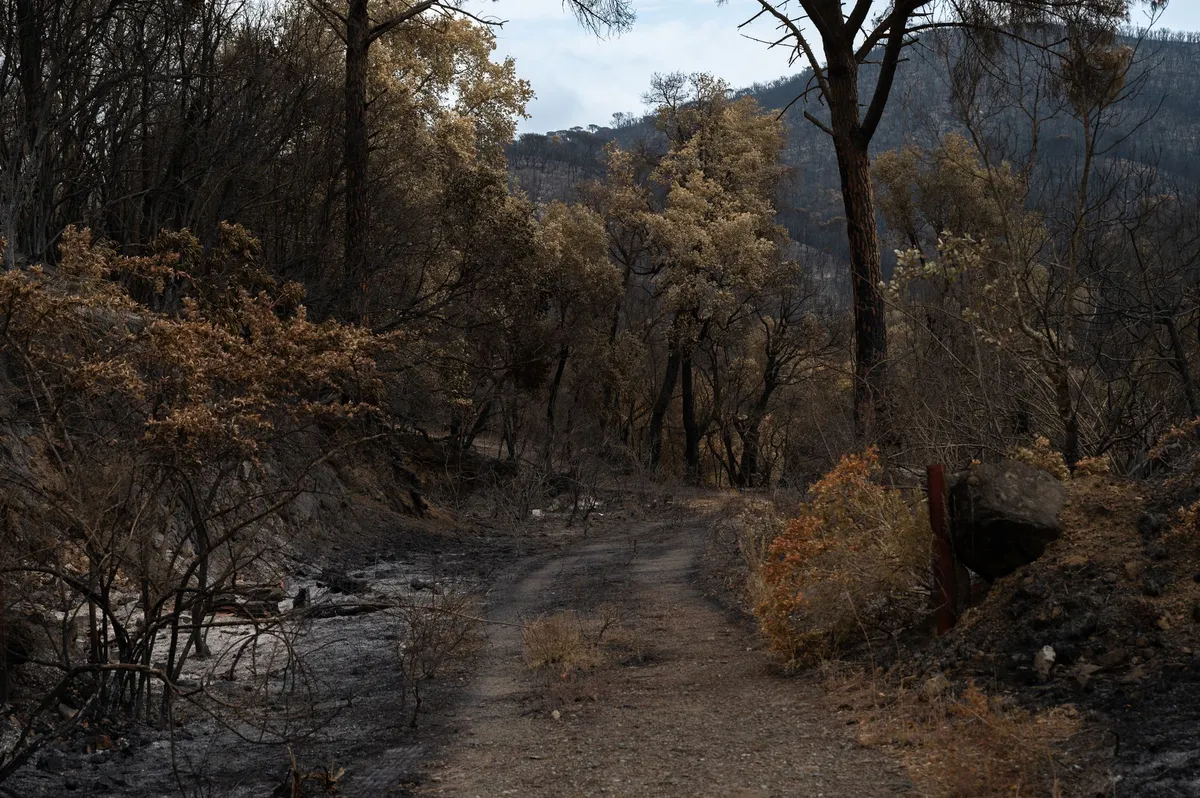
The implications of this new law are profound, particularly in the context of the Hawk Fire. Homeowners whose policies were renewed after the law's effective date face the daunting reality of navigating their coverage options in a crisis. The law's critics have raised alarms about the potential for significant gaps in coverage, as policyholders may not have been informed about the removal of wildfire protection or the need to purchase a standalone wildfire policy.
Understanding Coverage Options
For homeowners affected by the Hawk Fire, understanding their insurance coverage is crucial. Here are key considerations:
- Policy Renewal Dates: Homeowners should review when their policy was renewed. If renewed after January 1, 2026, it may lack wildfire coverage.
- Standalone Wildfire Policies: Some insurers may offer separate wildfire products; homeowners should confirm if they purchased this option.
- Understanding Exclusions: Homeowners should carefully read their policy documents to identify any exclusions related to wildfire damage.
As the fire continues to threaten homes, the lack of understanding surrounding these changes could lead to devastating financial consequences for many residents seeking to recover from the disaster.
The Broader Context of Wildfire Insurance
The situation in Nevada is not isolated. Other states, such as California, Texas, and Florida, have also grappled with the consequences of climate change and increasing wildfire risks. In California, for instance, the prevalence of earthquake exclusions has become a contentious issue as insurers attempt to mitigate their risks. Similarly, Texas has implemented windstorm carve-outs in coastal areas prone to hurricanes.
The Nevada law is seen by some as a potential template for other wildfire-exposed states. The success or failure of this approach could influence future legislative efforts nationwide. However, the significant risk remains that homeowners, particularly those in high-risk areas, could be left vulnerable without sufficient coverage options in place.
Insurance Market Stability vs. Consumer Protection
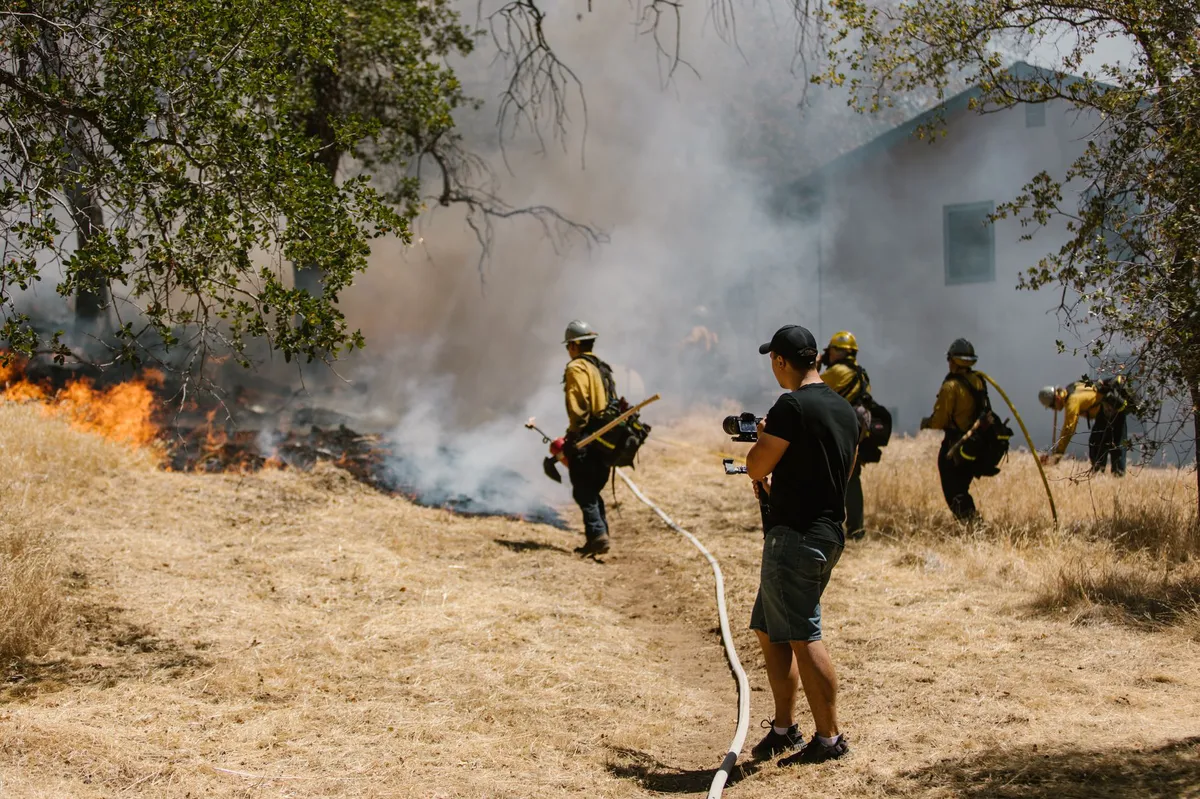
The dual aims of Assembly Bill 376—market stability and consumer protection—present a complex challenge. While the legislation seeks to address the insurance industry's concerns about excessive non-renewals and withdrawals from high-risk areas, it simultaneously raises critical questions about consumer rights and protections. The absence of a state-backed FAIR Plan, which serves as a last-resort option for homeowners unable to secure standard coverage, exacerbates the challenges faced by residents in wildfire-prone areas.
Consumer advocates have expressed concern that the new law may disproportionately affect low-income homeowners and those who are less informed about the intricacies of their insurance coverage. As the landscape of homeowners insurance evolves in response to climate change, it is imperative that state regulators consider the needs and vulnerabilities of all residents.
Key Takeaways
- The Hawk Fire in Reno illustrates the real-world consequences of Nevada's new wildfire exclusion law.
- Assembly Bill 376 allows insurers to exclude wildfire coverage from homeowners' policies, raising concerns about consumer awareness and protection.
- Homeowners must review their insurance policies to understand their coverage options, especially following a renewal.
- The law reflects a broader trend in states grappling with wildfire risks, with potential implications for insurance markets nationwide.
Frequently Asked Questions
What should I do if I live in a wildfire-prone area?
If you reside in a wildfire-prone area, it's essential to regularly review your homeowners' insurance policy and understand your coverage. Contact your insurance agent or company to clarify whether your policy includes wildfire coverage or if you need to consider a standalone wildfire policy. Additionally, taking proactive measures to mitigate wildfire risks, such as creating defensible space around your home, can help protect your property.
How can I find out if my insurance policy covers wildfires?
The best way to determine if your insurance policy covers wildfires is to read your policy documents carefully. Look for terms regarding coverage exclusions and endorsements. If you have any questions or doubts, reach out to your insurance agent for clarification. Ensure you understand any changes made to your policy during renewals, especially if your policy was renewed after January 1, 2026.
What is Assembly Bill 376 and how does it affect me?
Assembly Bill 376 is a Nevada law that allows insurers to exclude wildfire coverage from standard homeowners' policies. If your policy was renewed after January 1, 2026, you may no longer have automatic wildfire coverage. This law was implemented to encourage insurers to remain active in the state but may lead to gaps in consumer protection. It's crucial for homeowners to be aware of their coverage and to seek additional policies if necessary.
What resources are available for homeowners affected by the Hawk Fire?
Homeowners affected by the Hawk Fire should contact their insurance providers immediately to report damages and inquire about the claims process. Additionally, local government agencies, such as the Washoe County Emergency Management, may provide resources for evacuation assistance, recovery, and rebuilding efforts. Community organizations may also offer support services to help residents navigate the aftermath of the disaster.
Comments
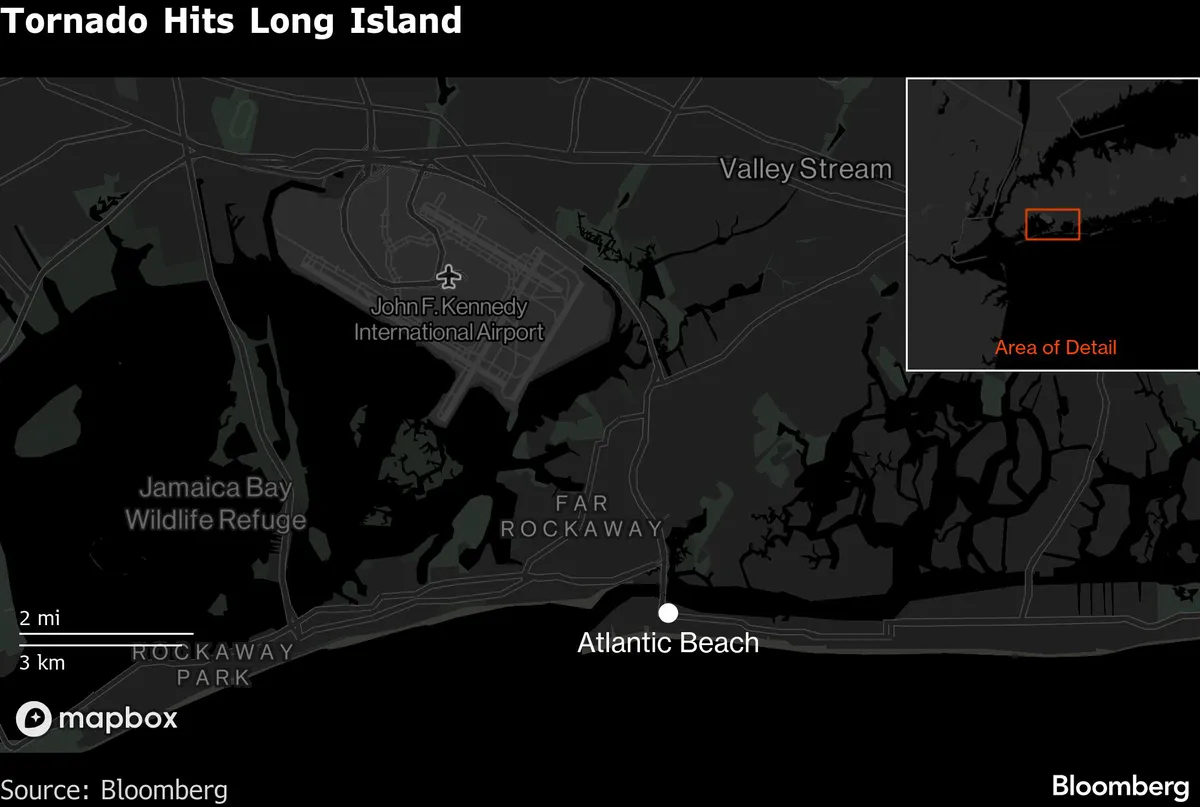
A Rare Tornado Touches Down on Long Island: What You Need to Know
A rare tornado struck Atlantic Beach, Long Island, during severe storms, prompting emergency measures and raising questions about storm preparedness and insurance coverage.
Related articles
Popular in Home Insurance
- 2026 Sees Below-Average Severe Convective Storm Losses: What It Means for Insurance
- El Niño and Wildfires: Preparing for a Fire-Prone Future
- Young Affluent Collectors: The Underinsurance Dilemma in Luxury Investments
- Wisconsin Property Owner Sues City and Insurers Over Contamination Cleanup Costs
- Rising Catastrophe Risks: How Europe’s Insurers Are Adapting to Climate Change