Wildfire Risks and Hidden Dangers: The Buried Ordnance Challenge in Europe
As wildfires rage across Europe, the discovery of buried World War ordnance complicates firefighting efforts. This situation raises critical questions about wildfire management and property insurance in the U.S.
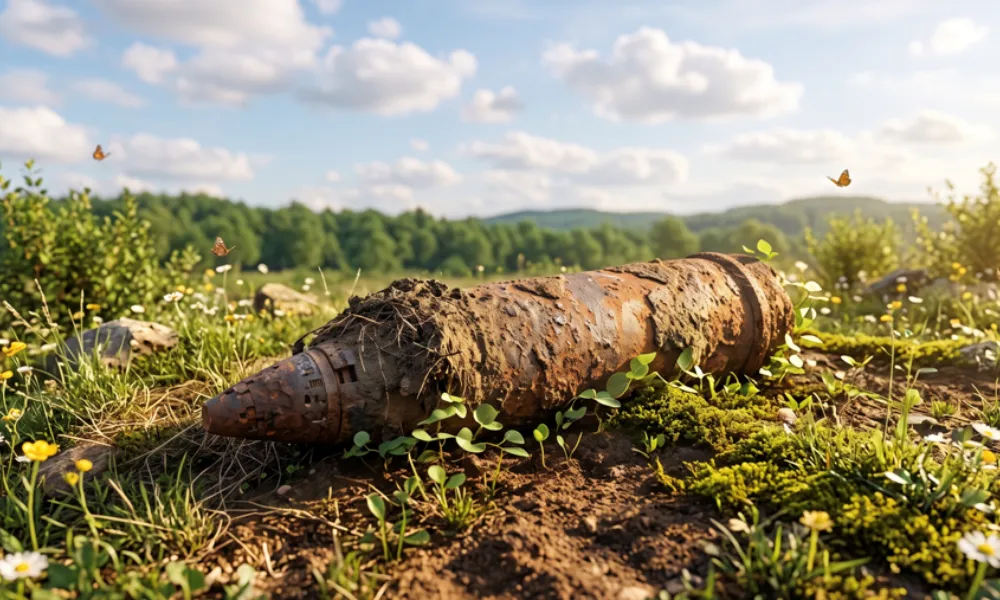
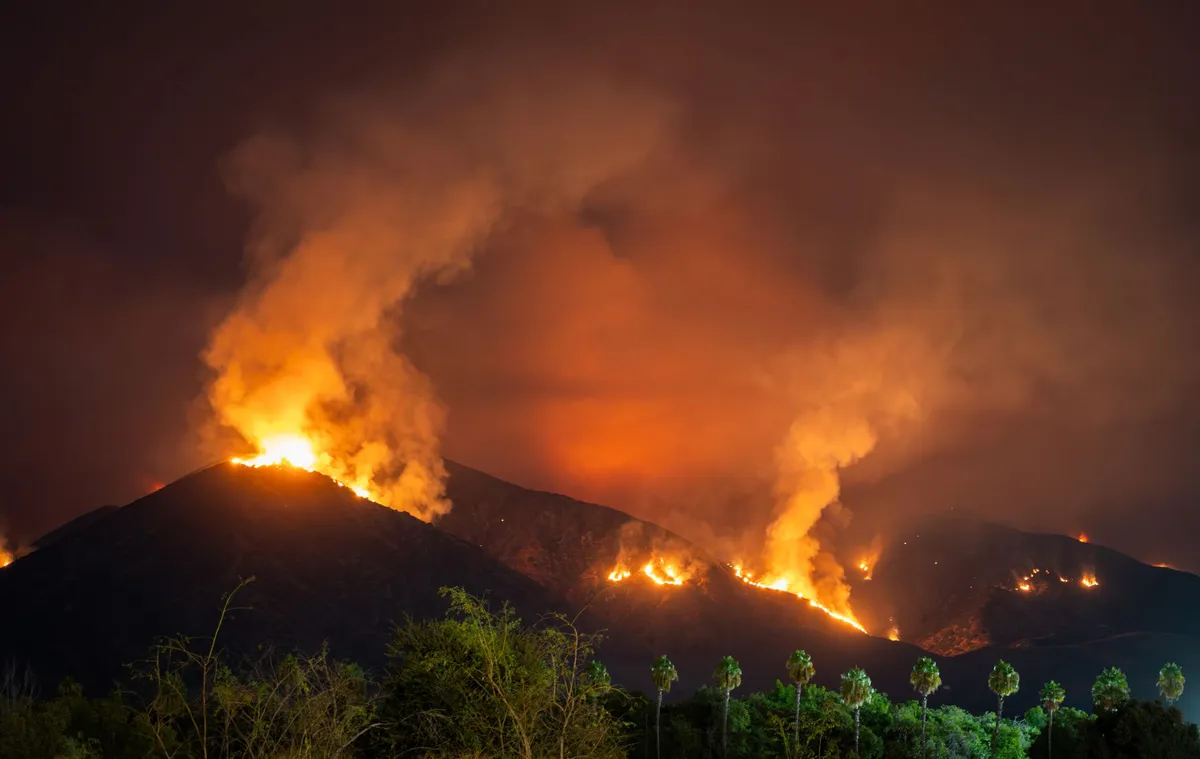
This summer, wildfires swept across Europe, affecting countries like France, Belgium, Germany, and the Netherlands, revealing a complex interplay of natural disasters and historical legacies. As firefighters battled the flames, they encountered another peril beneath the surface: unexploded World War I and II ordnance. In regions where drought and extreme heat had already intensified wildfire risks, the discovery of buried munitions added a dangerous layer of complexity to firefighting operations. This situation not only poses immediate risks to firefighters but also raises significant concerns for policymakers and insurance providers as they navigate changing landscapes of risk.
In France, for instance, a wildfire near the village of Le Porge unearthed approximately 400 pieces of ammunition, including German and French mortar rounds and anti-tank shells. This shocking revelation underscores how modern wildfires can unearth remnants of conflicts long past, introducing a dangerous combination of fire and explosives. As these challenges become more pronounced, understanding the implications for property insurance and risk management in regions faced with similar threats, like California, is crucial.
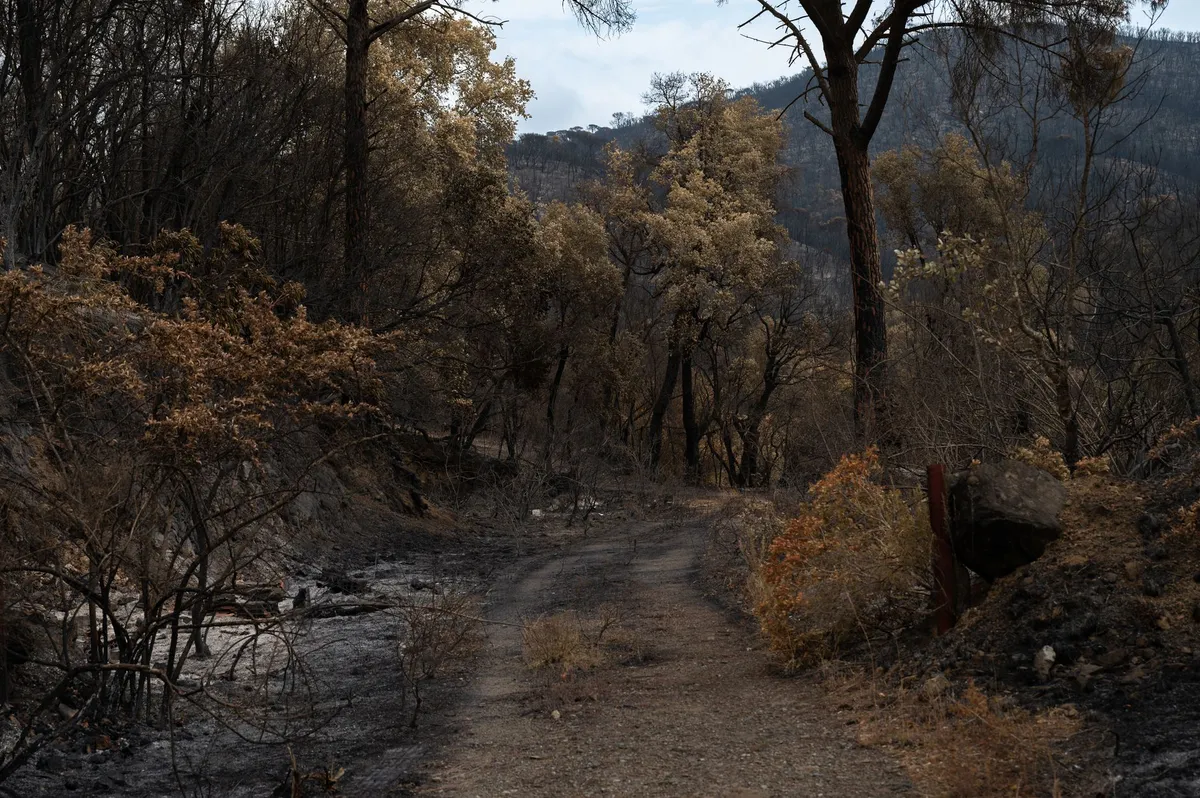
The Intersection of Wildfires and Historical Explosives
For insurance underwriters, particularly in areas prone to wildfires, the focus has always been on evaluating fire behavior, fuel loads, and the vulnerability of properties in the wildland-urban interface. However, the European experience with wildfires reveals a new layer of complexity: the risk of encountering unexploded ordnance (UXO). This phenomenon highlights the need for a broader understanding of risk factors that can affect property values and insurance premiums.
Understanding UXO Risks
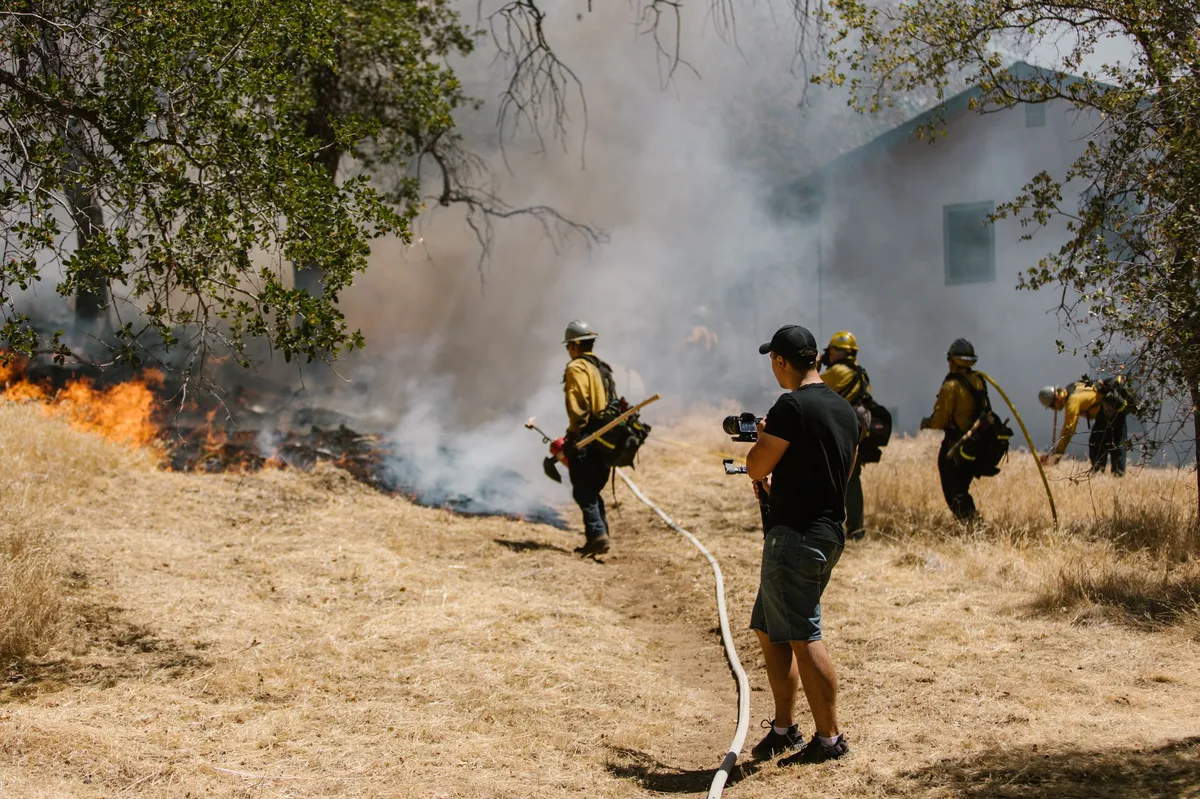
Unexploded ordnance refers to military munitions that did not detonate as intended and remain hazardous. In Belgium, for example, the Explosive Ordnance Disposal and Destruction Service responds to over 3,000 calls annually, clearing hundreds of tons of old munitions. This routine cleanup effort has now been complicated by wildfires, which can set off these buried explosives. According to Jonas Tepe, a spokesperson for the regional government in North Rhine-Westphalia, Germany, the heat generated by wildfires can trigger buried ordnance even without direct flame contact, posing a significant risk to emergency responders.
The Economic Implications of Increased Fire Risk
The economic fallout from wildfires is substantial, and the added complexity of buried ordnance can exacerbate these issues. The European Union's satellite-based European Forest Fire Information System reported over 500,000 hectares burned as of early August 2026, far exceeding the same point in 2025, which was already the worst year on record. The inability to predict and manage multiple risk factors complicates the underwriting process for insurers, leading to higher premiums and stricter coverage requirements.
How Wildfire Risks Are Changing
As wildfires increasingly behave like primary threats rather than secondary perils, insurers are adjusting their approach. Reinsurers, who provide insurance to insurance companies, are now pricing European property exposure similarly to that of California and Colorado, where wildfires are a well-known risk. The interconnectedness of global catastrophe capital pools means that a challenging fire season in Europe can lead to increased costs for U.S. property owners as well.
- Over 500,000 hectares burned in Europe by August 2026.
- Wildfires are now priced at the neighborhood level, not just the house level.
- Insurers are adjusting premiums based on multiple hazard factors.
American Context: Lessons from Europe
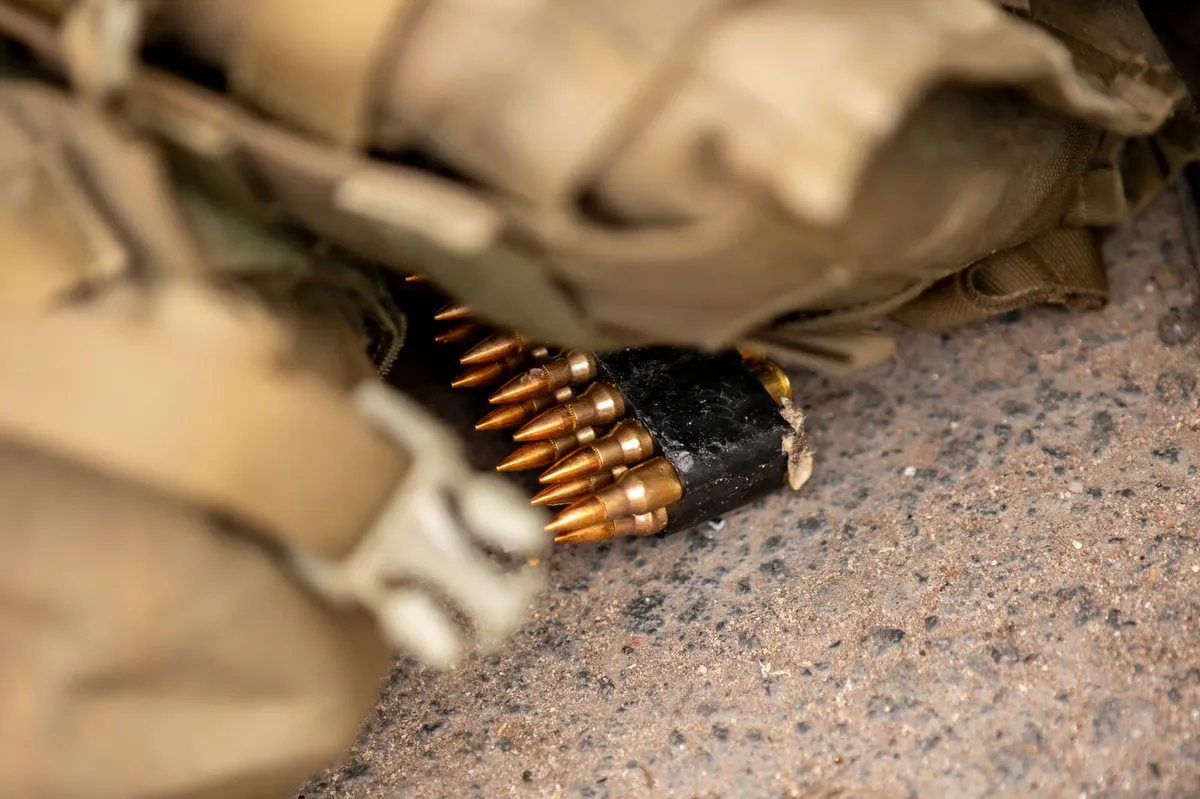
The situation in Europe serves as a cautionary tale for the U.S., particularly in states like California, where wildfires have become an annual crisis. The U.S. Department of Defense estimates that about 15 million acres of land across the country are contaminated with military munitions, with cleanup costs ranging from $8 billion to $35 billion. Some of these sites overlap with areas that have experienced significant wildfire activity.
Real-World Implications for Property Owners
While a homeowner in the U.S. is unlikely to unearth WWII munitions while digging in their backyard, the underlying principle remains the same: the interaction between environmental factors and historical land use can lead to unexpected hazards. Property owners need to be aware of the potential risks associated with their land, particularly if it has a history of military use or lies in a wildfire-prone area. This awareness is crucial when considering property insurance options and assessing coverage needs.
Key Takeaways
- Wildfires in Europe are revealing buried World War ordnance, complicating firefighting efforts.
- Insurers are adjusting risk assessments and premiums based on multiple hazards.
- The U.S. faces similar risks with contaminated military land coinciding with wildfire zones.
- Awareness of historical land use is vital for property owners in wildfire-prone areas.
Frequently Asked Questions
What are the dangers posed by unexploded ordnance during wildfires?
Unexploded ordnance (UXO) poses significant risks during wildfires as the heat generated by flames can trigger these buried explosives, leading to potential detonations. Firefighters and emergency responders must be aware of the locations of known UXO sites to avoid dangerous encounters while managing wildfires. The presence of UXO complicates firefighting efforts, as crews may need to adapt their strategies to prioritize safety in areas where these hazards are known to exist.
How do wildfires affect property insurance premiums?
Wildfires influence property insurance premiums significantly. Insurers are increasingly pricing wildfire risks at a granular level, meaning that premiums can vary based on specific neighborhood characteristics, including proximity to wildfire zones and historical fire activity. As wildfires become more prevalent and severe, insurers may impose stricter coverage requirements and higher premiums, reflecting the increased risk associated with properties located in vulnerable areas.
What lessons can U.S. homeowners learn from Europe's wildfire and UXO challenges?
U.S. homeowners can learn valuable lessons from Europe's experience with wildfires and unexploded ordnance. Understanding the potential risks associated with their properties, particularly if they are located near former military sites or in fire-prone regions, is essential. Homeowners should engage with their insurance providers to ensure they have adequate coverage and be proactive in assessing and mitigating risks to their properties, such as creating defensible space around homes and staying informed about local wildfire conditions and regulations.
Are there any government programs for cleaning up contaminated lands in the U.S.?
Yes, the U.S. government has several programs aimed at cleaning up contaminated lands, particularly those associated with military munitions. The Department of Defense manages the Formerly Used Defense Sites (FUDS) program, which focuses on identifying and remediating contaminated sites across the country. These efforts include thorough assessments and cleanup operations to ensure public safety and mitigate environmental hazards. Homeowners near these sites should check with local authorities for information on any ongoing cleanup efforts and resources available to address contamination concerns.
Comments
Coliving Rentals: Navigating the Insurance Gap in a Growing Market
As coliving spaces gain popularity, the insurance market struggles to adapt. This article explores the challenges and solutions for insuring coliving arrangements, highlighting key insights for investors and tenants.
Related articles
Popular in Home Insurance
- 2026 Sees Below-Average Severe Convective Storm Losses: What It Means for Insurance
- El Niño and Wildfires: Preparing for a Fire-Prone Future
- Young Affluent Collectors: The Underinsurance Dilemma in Luxury Investments
- Wisconsin Property Owner Sues City and Insurers Over Contamination Cleanup Costs
- Rising Catastrophe Risks: How Europe’s Insurers Are Adapting to Climate Change