Understanding Wildfire Insurance Coverage Amid the Hawk Fire Crisis
As the Hawk Fire burns through northern Nevada, homeowners face crucial questions about their insurance coverage. With significant changes in state law, residents must navigate the complexities of their policies and prepare for claims.
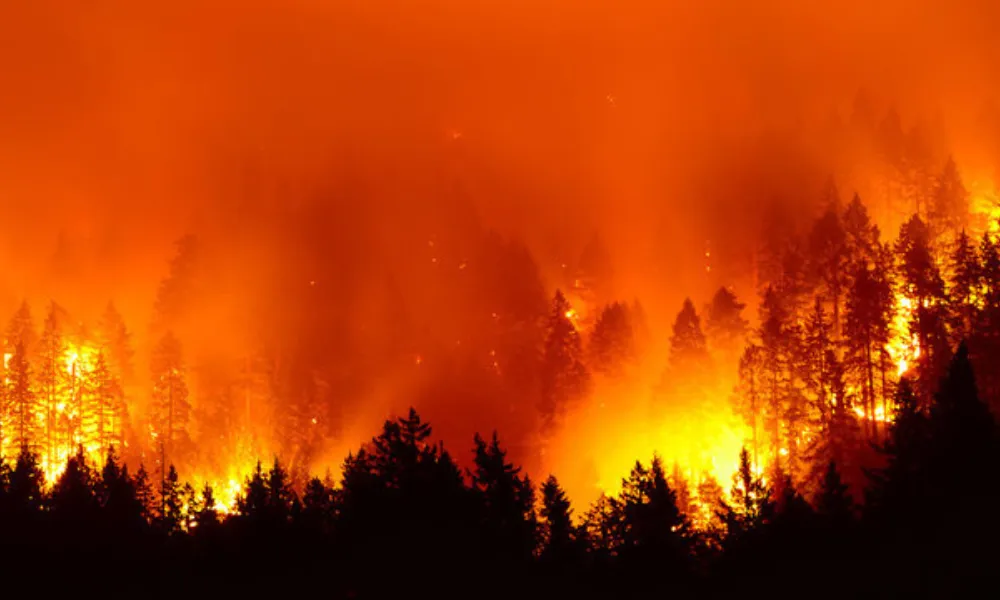
The Hawk Fire, which ignited on August 22, has profoundly impacted the Reno, Nevada community, scorching approximately 15,000 acres and destroying over 40 homes. As firefighters achieved 85% containment, the focus is shifting from battling the flames to assessing the extensive damage left in their wake. For the thousands of residents affected, the pressing question is not just about recovery, but about how their insurance policies will respond to this disaster.
Recent changes in Nevada's insurance regulations add a layer of complexity to the situation. With the enactment of Assembly Bill 376 (AB 376), many homeowners may find that their standard policies have been altered, potentially limiting or removing wildfire coverage. As families grapple with the emotional and financial toll of the fire, understanding the nuances of their policies has never been more critical.
The Impact of the Hawk Fire
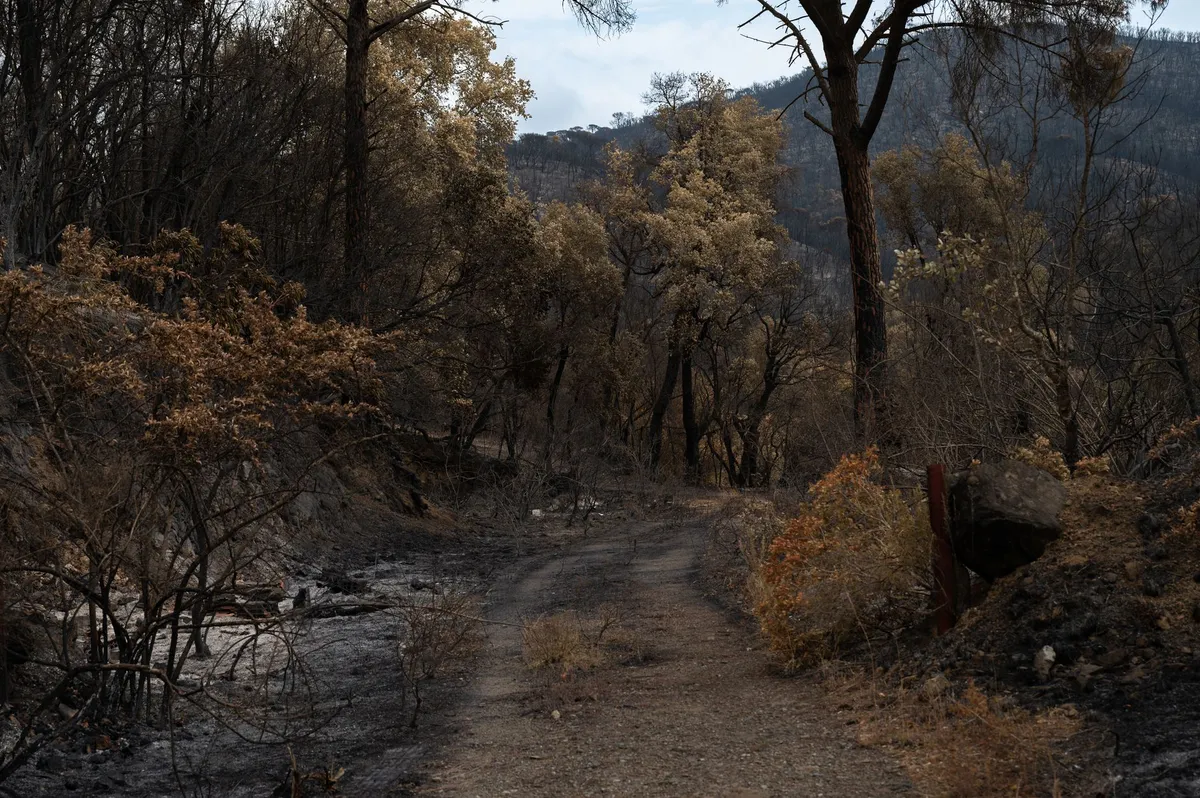
As reports of the Hawk Fire's containment progress surfaced, so did the stark realities for the nearly 5,000 residents still under evacuation orders. The fire, which has led to injuries among both civilians and firefighters, has forced thousands to leave their homes with little time to prepare. As investigations reveal that the fire was human-caused, the implications for insurance claims and coverage are significant.
Affected homeowners now face the daunting task of navigating their insurance policies, particularly regarding coverage for fire damage. With more than 32 confirmed structure losses, the urgency for clarity on what their policies cover is paramount. The Nevada Division of Insurance has urged all residents to review their coverage details immediately, especially those who renewed or purchased policies after January 1, when AB 376 took effect.
Understanding Insurance Under AB 376
The passage of AB 376 allows insurers to exclude wildfire coverage from standard homeowners policies, a shift that raises critical concerns for property owners. Homeowners who have not recently reviewed their policies may be unaware that they could be left without coverage for wildfire damage. This legislative change has prompted a wave of anxiety among residents as they seek clarity on their protection against natural disasters.
Insurance policies typically provide coverage for fire damage regardless of the fire's origin. Therefore, even if the Hawk Fire is determined to have been started by human activity, homeowners should still be covered unless they were responsible for igniting the blaze themselves. However, the nuances of claims processes and policy specifics can create confusion, particularly in the context of subrogation. If negligence is linked to the fire's start, insurers may pursue recovery from the responsible party, which does not directly influence the homeowner's claim but could impact the overall claims landscape.
- Contact your insurance agent immediately: The first step for those affected is to reach out to their insurance agents to begin the claims process.
- Document your losses: Maintain a detailed list of damaged property, including photos and receipts.
- Understand Additional Living Expenses (ALE): Many policies include ALE coverage, which can assist with temporary housing costs while homes are uninhabitable.
- Review your policy: Check if your policy has been altered under AB 376 to ensure you have the necessary coverage.
- Stay organized: Keep all documentation and communication with your insurer well organized throughout the recovery process.

Navigating the Claims Process
As families begin the recovery journey, the American Property Casualty Insurance Association (APCIA) has emphasized the importance of initiating the claims process as soon as it is safe to do so. Karen Collins, APCIA's vice president for property and environmental, highlights that prompt communication with insurers is crucial for those who have lost their homes. The emotional toll of such a loss can overshadow practical steps, making it essential for families to stay engaged with their insurance representatives.
APCIA has provided essential guidance for homeowners impacted by the fire:
- Report your claim as soon as possible.
- Keep receipts for temporary housing and emergency purchases, as these will be critical for accessing ALE benefits.
- Compile a comprehensive list of damaged and destroyed personal property to ensure accurate claims processing.
- Maintain regular contact with your assigned claims adjuster to stay informed about the progress of your claim.
These proactive steps not only facilitate a smoother claims process but also empower homeowners to take control of their recovery efforts. The emotional strain of losing a home can lead to oversight in important tasks like documentation and communication with insurers, hence the need for clear guidance.

Preparing for Future Disasters
The devastating impact of the Hawk Fire serves as a stark reminder of the unpredictability of wildfires and the importance of preparedness. Homeowners in affected areas are encouraged to conduct a thorough review of their insurance policies and prepare for potential future disasters. The APCIA’s recommendations go beyond immediate recovery strategies; they stress the importance of ongoing preparedness.
Key preparedness strategies include:
- Annual policy reviews to ensure coverage limits reflect current rebuilding costs.
- Keeping an updated home inventory, including photos and receipts of belongings, stored securely.
- Understanding policy deductibles and limits before an emergency occurs to avoid confusion during a crisis.
By taking these proactive measures, homeowners can better position themselves to face future challenges and minimize the impact of disasters on their lives and property.
Key Takeaways
- Review your insurance policy for wildfire coverage, especially if renewed after January 1.
- Document all losses and keep receipts to facilitate the claims process.
- Engage with your insurance provider promptly to initiate claims after a disaster.
- Prepare for future disasters by maintaining an updated home inventory and understanding your coverage limits.
Frequently Asked Questions
What should homeowners do if their homes were damaged in the Hawk Fire?
Homeowners affected by the Hawk Fire should contact their insurance agents as soon as it is safe. Initiating the claims process is critical for accessing benefits and beginning recovery. Insurers are ready to assist policyholders in navigating the claims process, and timely communication can help expedite recovery efforts.
How does AB 376 affect wildfire coverage in Nevada?
AB 376 allows insurers to exclude wildfire coverage from standard homeowners policies. This change means that homeowners who have not reviewed their policies since January 1 may find that their wildfire coverage has been limited or removed. It's essential to review your policy to understand your current coverage and make any necessary adjustments.
What is Additional Living Expenses (ALE) coverage?
ALE coverage is a component of many homeowners and renters insurance policies that helps pay for temporary housing and additional living costs when a home is uninhabitable due to a covered loss, such as a fire. Homeowners should be aware of this coverage and keep receipts for any temporary housing or emergency purchases to ensure they can access these benefits during recovery.
How can homeowners prepare for future wildfires?
Homeowners can prepare for future wildfires by regularly reviewing their insurance policies, maintaining an up-to-date inventory of their possessions, and understanding their coverage limits and deductibles. Additionally, creating a fire-resistant landscape and having an emergency plan can significantly enhance preparedness and resilience against wildfires.
Comments
California Lawmakers Challenge Limits on Wildfire Insurance Claims
California lawmakers are opposing Governor Gavin Newsom's proposed limits on insurers' rights to sue utility companies for wildfire-related claims. This legislative battle highlights the ongoing struggle to balance financial responsibility with the need for effective wildfire mitigation in a changing climate.

Related articles
Popular in Home Insurance
- 2026 Sees Below-Average Severe Convective Storm Losses: What It Means for Insurance
- El Niño and Wildfires: Preparing for a Fire-Prone Future
- Young Affluent Collectors: The Underinsurance Dilemma in Luxury Investments
- Wisconsin Property Owner Sues City and Insurers Over Contamination Cleanup Costs
- Rising Catastrophe Risks: How Europe’s Insurers Are Adapting to Climate Change