TWIA Fraud Allegations: Homeowners Sue Over Hurricane Beryl Claims
A federal lawsuit accuses the Texas Windstorm Insurance Association of fraudulently altering claims estimates post-Hurricane Beryl, potentially impacting thousands of homeowners.
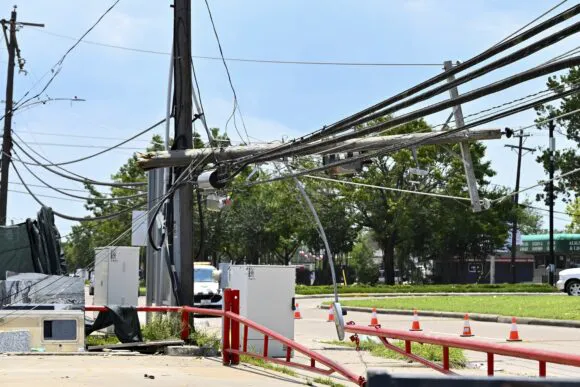
In a significant legal battle that underscores the ongoing challenges in the insurance industry post-natural disasters, three Texas homeowners have filed a federal lawsuit against the Texas Windstorm Insurance Association (TWIA). The claims arise from alleged fraudulent practices that reportedly led to dramatically reduced estimates for damages incurred during Hurricane Beryl, which made landfall on July 8, 2024. This case not only highlights the struggles of policyholders seeking fair compensation but also raises questions about the integrity of claims-handling processes in the wake of catastrophic events.
The homeowners assert that TWIA engaged in deceptive practices by collaborating with a vendor to manipulate claims estimates. According to the allegations, TWIA presented altered estimates as if they were original reports from field adjusters, thereby misleading policyholders and significantly impacting the compensation they received for their losses.
The Allegations: A Closer Look at the Lawsuit
The lawsuit, filed in the U.S. District Court for the Southern District of Texas, claims that TWIA used a systematic approach to deflate claims estimates through an out-of-state supervising adjuster. This adjuster allegedly took control of the original estimates prepared by field adjusters and made substantial reductions without the knowledge of the policyholders.
Specifics of the Claims
One striking example cited in the lawsuit involves a policyholder whose initial claim estimate was set at $91,000. After the alleged manipulation, the revised estimate dropped to just $31,000, marking a staggering 66% reduction. This drastic alteration, according to the plaintiffs, resulted in substantial financial losses, with each homeowner potentially losing tens of thousands of dollars due to the reduced estimates.
The homeowners have invoked the federal Racketeer Influenced and Corrupt Organizations (RICO) Act in their lawsuit, a move that underscores the seriousness of their claims. This legal approach suggests not only a breach of trust but also an organized effort to defraud policyholders.
The Role of TWIA: Insurance of Last Resort
TWIA serves as the insurer of last resort for wind and hail damage in Texas, specifically for those who cannot secure coverage through traditional insurance companies. After Hurricane Beryl, TWIA reported paying out approximately $336 million in claims to about 34,000 policyholders. However, the allegations surrounding its claims management practices have sparked concern regarding the agency's operational integrity.
During times of crisis, such as after a hurricane, insurers often grapple with an overwhelming volume of claims. In response, TWIA has been known to hire temporary personnel and outside contractors to expedite the claims process. Leading Edge Claims Service, now known as Hansen, was contracted by TWIA to handle field adjustments and related services. The lawsuit alleges that this reliance on external vendors may have compromised the quality and accuracy of claims processing.
Operational Practices Under Scrutiny
The claim adjustment process described in the lawsuit suggests a troubling pattern where an Ohio-based supervisor employed by Leading Edge would alter estimates electronically. This supervisor purportedly reduced or omitted covered repairs while still presenting the manipulated estimates as if they originated from the field adjusters—an act that raises serious ethical and legal questions.
Furthermore, the lawsuit asserts that TWIA's own systems should have flagged these discrepancies, with electronic audit trails available to higher management. This failure to recognize or rectify the irregularities could point to systemic issues within TWIA's claims-handling protocols.
The Broader Impact on Policyholders
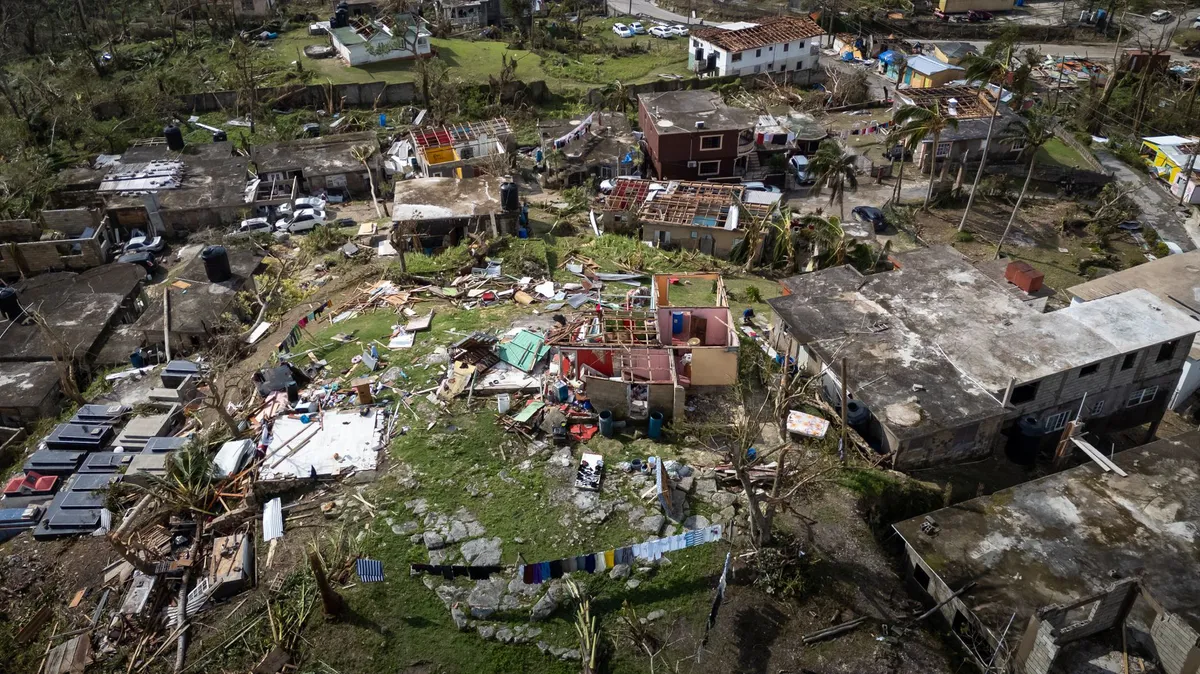
The ramifications of this lawsuit extend far beyond the three homeowners involved. If the plaintiffs succeed in their claims, it could open the floodgates for other policyholders who feel they have been unfairly treated by TWIA or similar entities. Given that hurricane intensity and frequency are on the rise due to climate change, the stakes for homeowners in hurricane-prone areas are higher than ever.
With destructive storms like Hurricane Beryl causing extensive damage and power outages across Texas, homeowners are left in precarious positions, relying on their insurance for recovery. When allegations of fraud and manipulation arise, it erodes trust in the insurance system, leaving many to question whether they will receive the coverage they deserve.
Insurance Rates and Market Trends
The increasing frequency of hurricanes has also led insurers to raise premiums dramatically. The pressure to manage risks while maintaining profitability can lead to contentious relationships between insurers and policyholders. This lawsuit may serve as a catalyst for change, prompting regulatory oversight and reforms within the Texas insurance market to ensure fair treatment of policyholders.
- Claim Estimates: Original estimates made by field adjusters may not reflect the final amounts paid.
- Legal Precedent: The outcome could set a significant legal precedent affecting how claims are handled nationwide.
- Policyholder Rights: Homeowners must be aware of their rights and potential recourse against fraudulent practices.
Key Takeaways
- The TWIA lawsuit highlights serious allegations of fraud affecting claims estimates.
- Homeowners may face significant financial losses due to manipulated claims.
- Increased scrutiny on insurance practices may lead to necessary reforms in the industry.
- Engaging legal support is essential for policyholders navigating complex claims processes.
Frequently Asked Questions
What should I do if I suspect my insurance claim has been unfairly reduced?
If you suspect that your insurance claim has been unfairly reduced, the first step is to review your claim documents thoroughly. Gather any original estimates and correspondence with your insurance adjuster. Document any discrepancies and consider seeking legal advice. An attorney specializing in insurance claims can help you understand your rights and options, including whether to pursue a lawsuit or file a complaint with your state’s insurance commissioner.
How can homeowners protect themselves from fraudulent claims practices?
Homeowners can take proactive steps to protect themselves from potential fraudulent practices by maintaining detailed records of all communications with their insurance providers. This includes saving estimates, photographs of damages, and notes from conversations with adjusters. Additionally, obtaining a second opinion on damage estimates from independent adjusters can provide leverage in disputes with insurance companies.
What does the RICO Act entail for insurance fraud cases?
The RICO Act allows individuals to sue for damages caused by criminal organizations engaging in a pattern of racketeering activity, which can include fraud. In the context of insurance fraud, plaintiffs must demonstrate that the fraudulent acts were part of an ongoing scheme and that they suffered damages as a result. Successful claims under RICO can result in treble damages, meaning plaintiffs could receive three times the amount of their losses, which serves as a strong deterrent against fraudulent practices.
Comments
Understanding Wildfire Insurance Coverage Amid the Hawk Fire Crisis
As the Hawk Fire burns through northern Nevada, homeowners face crucial questions about their insurance coverage. With significant changes in state law, residents must navigate the complexities of their policies and prepare for claims.

Related articles
Popular in Home Insurance
- 2026 Sees Below-Average Severe Convective Storm Losses: What It Means for Insurance
- El Niño and Wildfires: Preparing for a Fire-Prone Future
- Wisconsin Property Owner Sues City and Insurers Over Contamination Cleanup Costs
- Wildfires: The Evolving Challenge for Property Insurers
- Navigating the Challenges of Office-to-Housing Conversions in NYC