Innovative $3 Million Housing Initiative for LA Fire Zone Recovery
A unique housing project in Pacific Palisades aims to rebuild after devastating wildfires, funded through municipal bonds, offering a potential model for future recovery efforts.
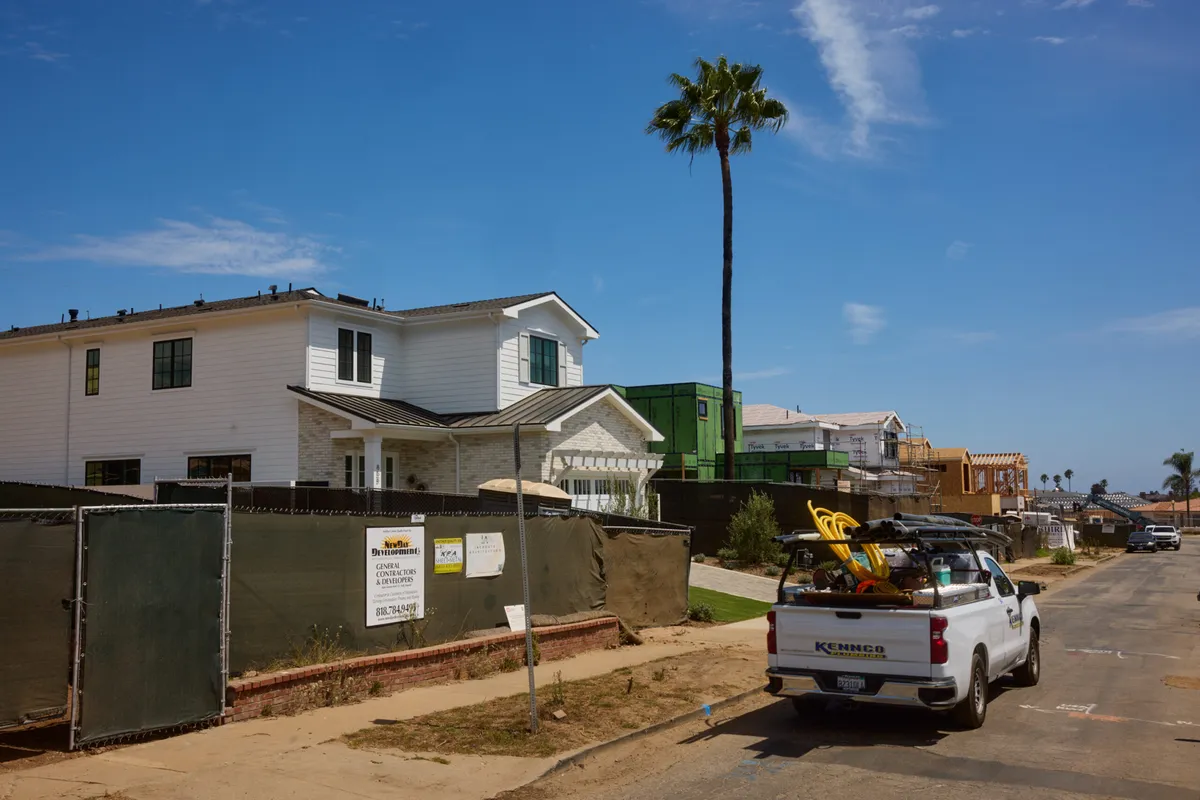
In the aftermath of the catastrophic wildfires that ravaged Pacific Palisades in January 2025, a unique plan is emerging to revitalize this affluent Los Angeles enclave. The Uplifters Foundation has set its sights on utilizing municipal bonds to finance the construction of new homes, specifically targeting those families unable to rebuild on their own. With a proposed budget of $3 million per home, this initiative not only aims to restore housing in the area but also to serve as a pioneering model for similar recovery efforts across the country.
The wildfires left a profound mark on the community, destroying over 5,000 homes and leading to substantial insured losses estimated at $40 billion. As residents grapple with the lengthy rebuilding process and the challenges of recovering from such a disaster, the Uplifters Foundation’s approach signifies a shift toward innovative financial strategies to address housing shortages in fire-affected areas.
The Role of Municipal Bonds in Housing Recovery
The Uplifters Foundation plans to issue up to $250 million in municipal bonds through the California Public Finance Authority. While municipal bonds are typically associated with financing public infrastructure or traditional affordable housing, this initiative is distinct in its focus on creating high-value homes in a luxury market.
Understanding Municipal Bonds
Municipal bonds are debt securities issued by local governments or their agencies, often used to fund public projects. They are attractive to investors because the interest earned is generally exempt from federal income tax, and sometimes state and local taxes, making them a cost-effective option for municipalities seeking to raise funds. In this case, the bonds will be used exclusively for the development of 60 new homes in Pacific Palisades, aiming to stimulate local property taxes and encourage further rebuilding.
- Debt Issuance: Up to $250 million in municipal bonds.
- Home Price: Each new home will cost around $3 million.
- Community Benefit: Aimed at revitalizing areas left vacant by wildfires.

Addressing Community Needs and Challenges
Despite the innovative approach, there are significant challenges ahead. The Pacific Palisades community is still reeling from the effects of the wildfires, with many residents lacking the financial resources or insurance coverage necessary to rebuild. The city council’s support for the bond issuance highlights a recognition of the urgent need for creative solutions in a landscape where traditional recovery efforts have faltered.
City Council Support and Local Insights
Traci Park, the city council member representing the Palisades, emphasized the necessity of exploring unconventional methods to address community needs. The city council's recent resolution supporting the bond issuance reflects a broader understanding that creative financing could help mitigate some of the burdens placed on the government and provide tangible benefits to displaced families.
As Park noted, while the proposed housing initiative will only replace a fraction of the homes lost, it could catalyze further rebuilding efforts and prevent vast stretches of the community from remaining as unoccupied lots. The fear among many is that these vacant lots will become overgrown and neglected, diminishing property values and community spirit.
Market Dynamics and Financial Feasibility
The housing landscape in Pacific Palisades is complex. Prior to the wildfires, the median home price in the area was approximately $4 million, making homeownership unattainable for many residents. The new homes, while marketed as “attainable,” will still be out of reach for a significant portion of the community.
Financial Requirements for Potential Buyers
To afford a $3 million home with a 20% down payment, a household would need an annual income of around $747,200, based on current mortgage rates. This financial barrier raises questions about the target demographic for these homes and whether the initiative will truly serve the community's needs.
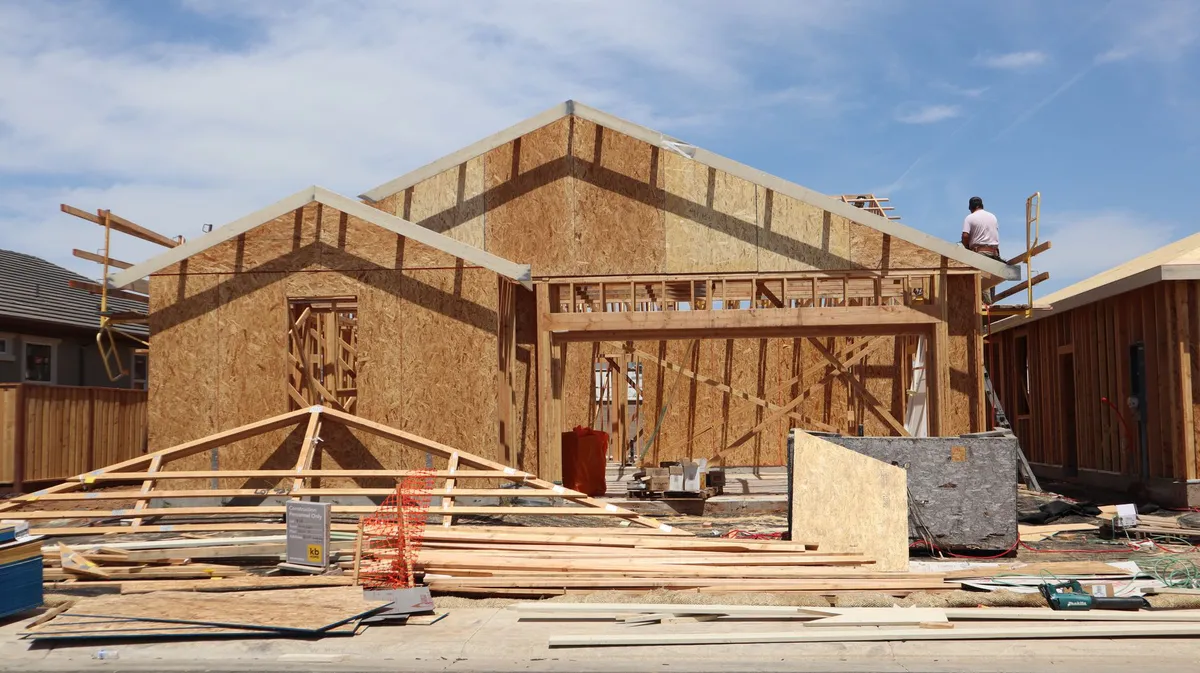
Lee West, president of Uplifters, acknowledges that these homes are not government-subsidized and may not be suitable for every household, reiterating the need for a clear understanding of who will benefit from this project. The homes are designed to be more modest than many new constructions in the area, with features that include three or four bedrooms and an average size of about 2,600 square feet.
Long-Term Residency and Community Stability
To foster community stability, the Uplifters Foundation plans to lease homes to residents initially, with an option to buy after a set period. This strategy aims to encourage long-term residency by providing price reductions for those who remain in their homes for at least three years, discouraging speculative investment and short-term flipping.
Potential Community Impact
The initiative could have a significant impact on the local economy by restoring property tax revenues and stimulating further development. By creating new homes in a desirable area, it may incentivize original homeowners to return and invest in their properties, thereby rejuvenating the community's spirit and economy.
Key Takeaways
- The Uplifters Foundation is funding new homes in Pacific Palisades through municipal bonds.
- 60 new homes will be built at $3 million each to address housing shortages post-wildfire.
- The initiative has garnered city council support as a creative solution to rebuilding challenges.
- Financial barriers remain significant for potential homebuyers, raising questions about accessibility.
- The project aims to encourage long-term residency to stabilize the community.
Frequently Asked Questions
What are municipal bonds and how do they work?
Municipal bonds are debt securities issued by local governments to finance public projects. Investors purchase these bonds, effectively lending money to the government in exchange for periodic interest payments and the return of the bond’s face value at maturity. The interest earned is often exempt from federal taxes, making them an attractive investment option. In this case, the Uplifters Foundation plans to use municipal bonds to fund the construction of new homes in fire-affected areas, a novel approach to housing recovery.
How does the Uplifters Foundation plan to support homebuyers?
The Uplifters Foundation intends to make homes more accessible to potential buyers through a leasing model that includes an option to buy. This strategy is designed to encourage long-term residency by offering price reductions for homeowners who commit to living in their homes for three years. While these homes are not government-subsidized, the foundation is aiming to provide a viable option for families looking to return to the community.
What challenges does the Pacific Palisades community currently face?
The Pacific Palisades has been significantly impacted by wildfires, with thousands of homes destroyed and many residents facing financial hardships that make rebuilding difficult. Many displaced homeowners either lacked sufficient insurance or the financial means to rebuild their homes from scratch. The community is also at risk of having large areas remain vacant, which could lead to a decline in property values and neighborhood vitality.
Will this initiative be a sustainable model for other communities?
If successful, the Uplifters Foundation's approach could serve as a prototype for other fire-affected areas seeking innovative solutions to housing crises. By harnessing municipal bonds to finance the construction of high-value homes, similar initiatives could emerge in other communities facing rebuilding challenges, potentially changing the landscape of disaster recovery in the housing market.
Comments
Maryland Court Rules on Umpire's Mistaken Signature in Homeowners' Claim
A Maryland court determined that an umpire's erroneous signature on a homeowners' insurance appraisal did not constitute a binding award. This case highlights the complexities of appraisal processes in insurance claims.

Related articles
Popular in Home Insurance
- 2026 Sees Below-Average Severe Convective Storm Losses: What It Means for Insurance
- El Niño and Wildfires: Preparing for a Fire-Prone Future
- Young Affluent Collectors: The Underinsurance Dilemma in Luxury Investments
- Wisconsin Property Owner Sues City and Insurers Over Contamination Cleanup Costs
- Rising Catastrophe Risks: How Europe’s Insurers Are Adapting to Climate Change