New York City Braces for Thunderstorm Flood Risks: What You Need to Know
New York City is under flood watches as thunderstorms threaten heavy rainfall and severe weather. This article explores the potential impacts of these storms and what residents should prepare for.
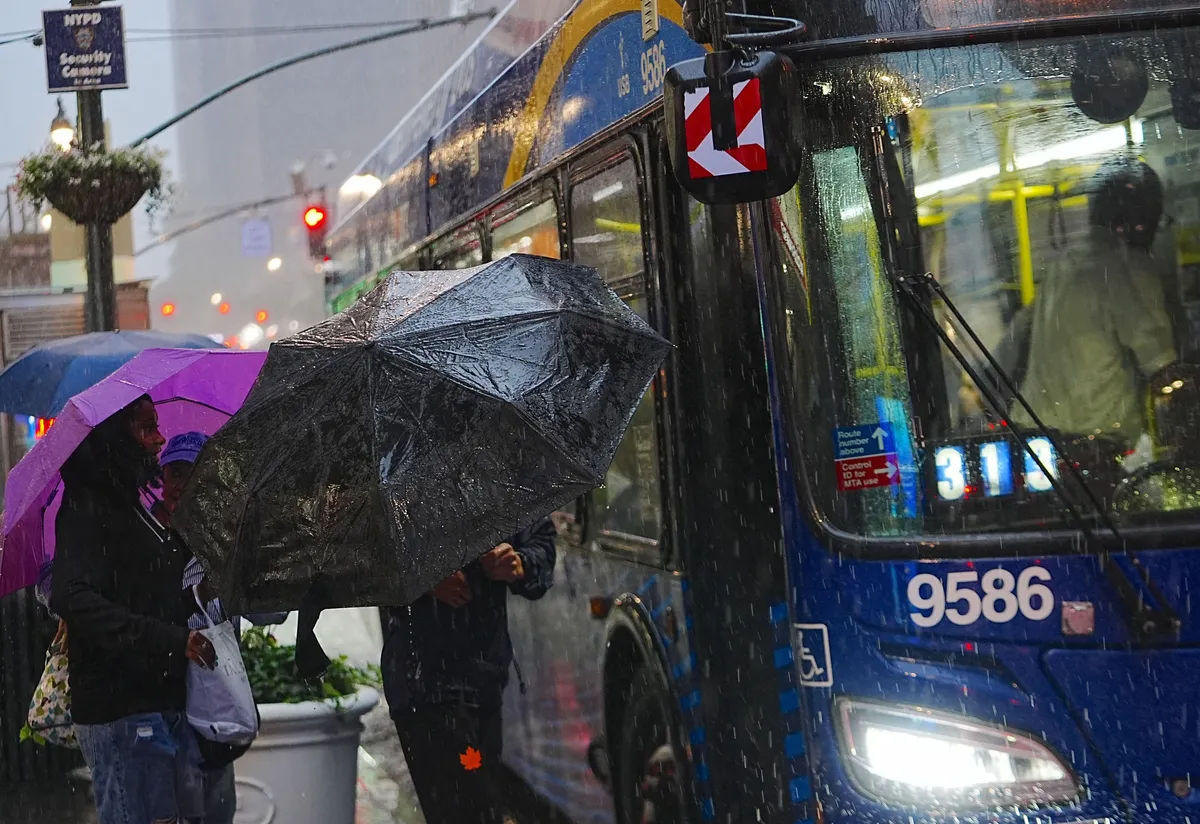
As New York City gears up for another round of severe thunderstorms, residents are facing heightened flood risks that could disrupt daily life and safety. The National Weather Service has issued flood watches across all five boroughs, extending from the lower Hudson Valley through New Jersey and into eastern Pennsylvania, including Philadelphia. The forecast predicts heavy rainfall, with rates potentially reaching up to 2.5 inches per hour, particularly affecting urban areas that are often prone to flooding. Mayor Zohran Mamdani has cautioned New Yorkers to stay vigilant and avoid unnecessary travel during this hazardous weather.
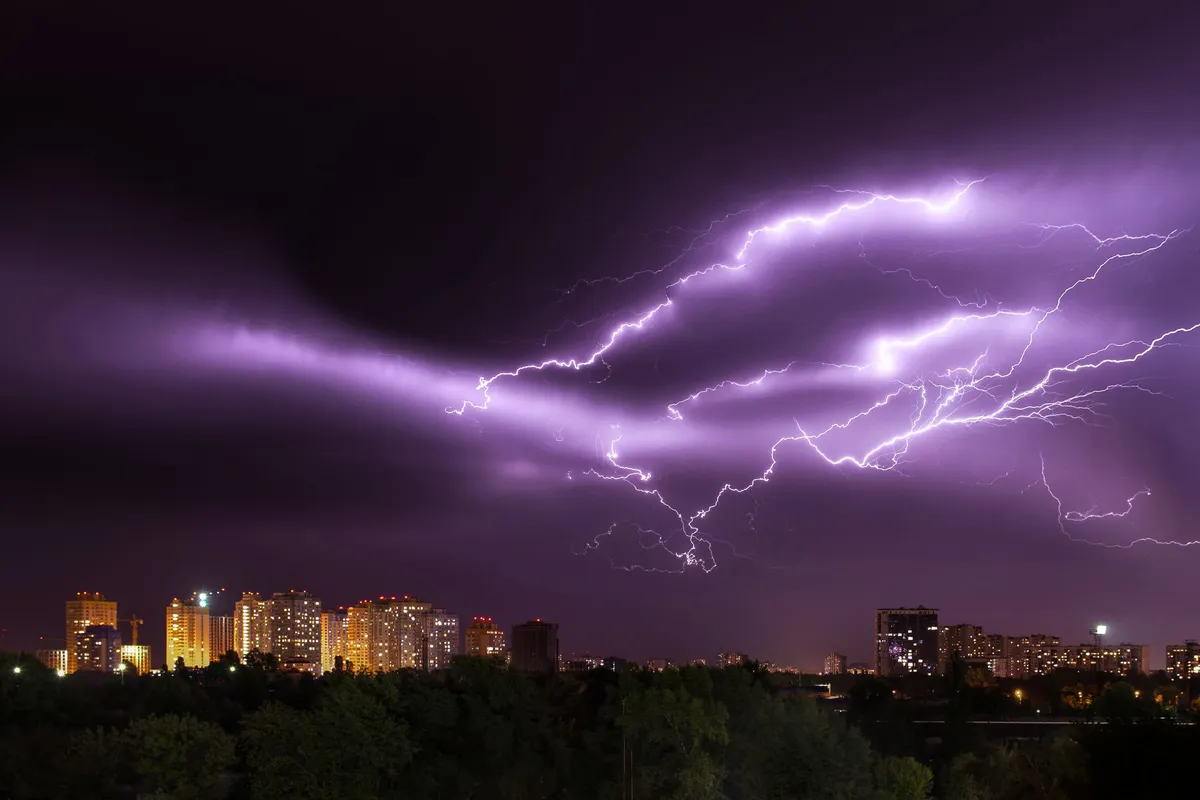
This surge of thunderstorms is not an isolated incident; rather, it is part of a larger pattern affecting the Northeast and Mid-Atlantic regions this summer. With nearly 39 million people at risk, the storms may also bring damaging winds and hail, further complicating the situation. The threat of tornadoes, although low, adds an additional layer of concern. Understanding the impacts of these storms and preparing accordingly is crucial for residents and businesses alike.
Understanding the Flood Risks
The current flood watches are a response to a combination of meteorological factors that have plagued the region. In recent weeks, New York City has experienced multiple severe weather events, resulting in significant rainfall accumulation. For instance, last month saw record-breaking precipitation levels in Albany, with some areas receiving nearly a foot of rain. This excessive moisture not only saturates the ground but also overwhelms drainage systems, leading to flash flooding.
Historical Context of Flooding in NYC
New York City has a long history of flooding, exacerbated by climate change and urban development. The city’s infrastructure, including its drainage systems, has struggled to keep pace with increasingly intense rainfall patterns. The convergence of heavy rain and poorly designed or outdated urban infrastructure can result in severe flooding, particularly in low-lying neighborhoods.
Key Factors Contributing to Current Risks
- Heavy Rainfall: Forecasts indicate storm totals may reach 3 inches or more.
- Urbanization: Increased pavement and buildings lead to greater runoff and less absorption.
- Climate Change: Rising temperatures contribute to more intense and frequent storms.
- Historical Flooding: Previous events have weakened infrastructure, heightening current vulnerabilities.
Impact on Transportation and Daily Life
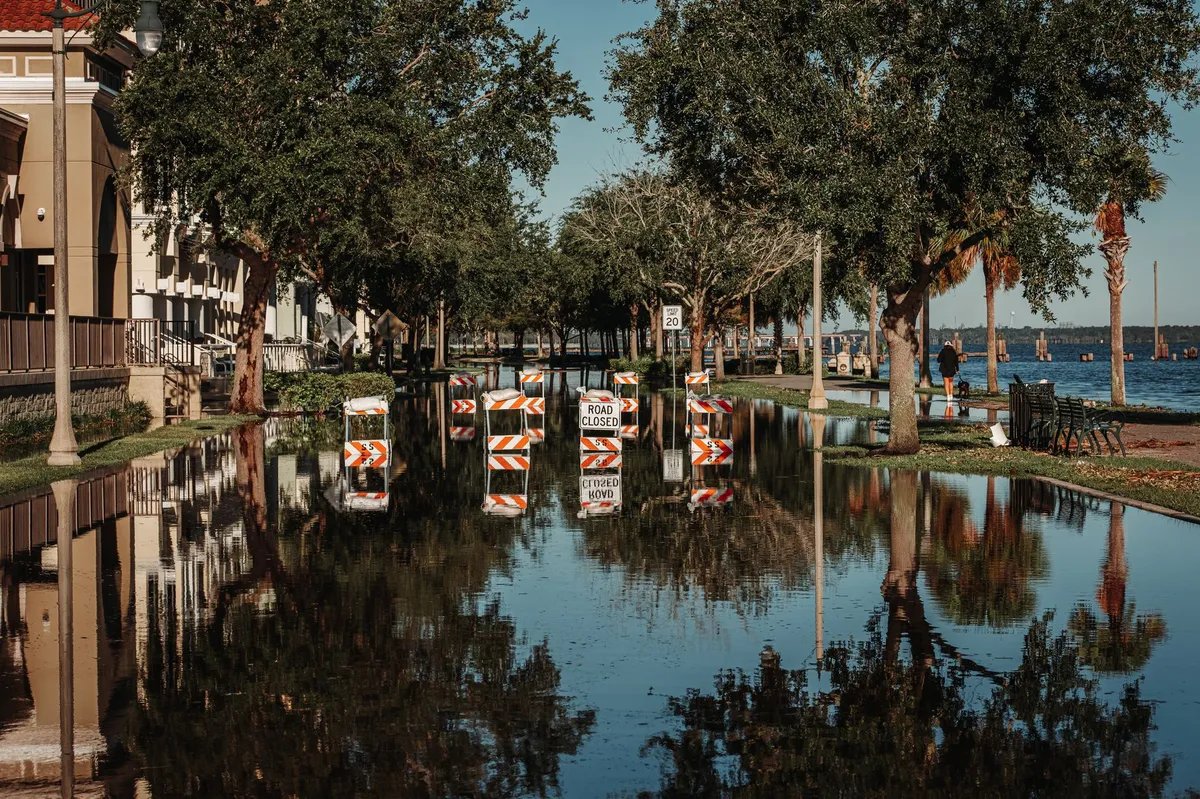
The threat of severe thunderstorms in New York City has immediate implications for transportation and public safety. Last week, a rare tornado touched down on Long Island, demonstrating the unpredictable nature of these weather systems. As storms sweep through the region, they can ground flights, close roads, and disrupt public transportation services. The cascading effects can be felt by commuters, businesses, and emergency services alike, leading to significant economic impacts.
Business and Economic Implications
For local businesses, the impact of flooding can be devastating. Retailers and service providers may experience a drop in foot traffic as residents stay home during severe weather. Additionally, businesses located in flood-prone areas face the risk of property damage and inventory loss. **Insurance claims related to flooding can also strain resources, as policyholders seek compensation for damages**. Understanding the nuances of flood insurance becomes critical for both individuals and commercial entities, especially as climate-related events become more frequent.
What Residents Should Do
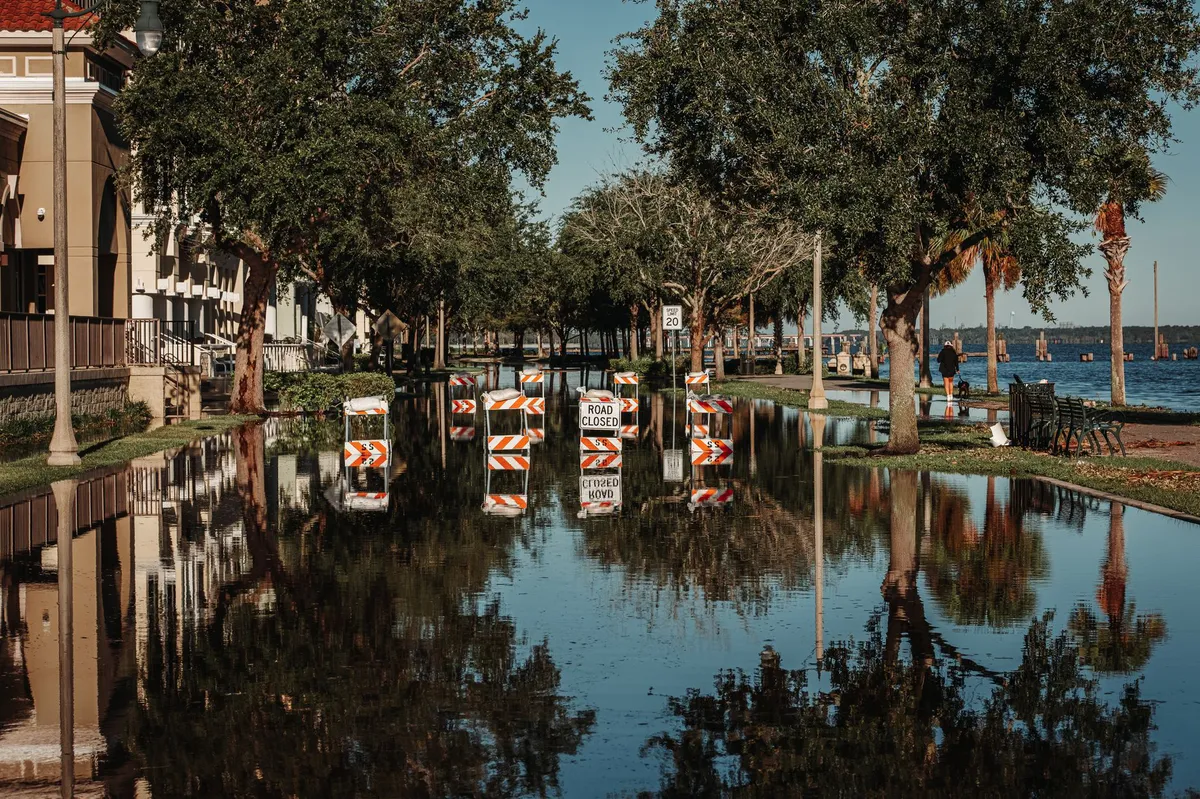
With the forecast predicting heavy rainfall and potential flooding, residents of New York City should take proactive measures to safeguard themselves and their property. Here are some essential steps to consider:
- Stay Informed: Keep an eye on local weather updates and alerts from the National Weather Service.
- Prepare an Emergency Kit: Have essentials ready, including food, water, medications, and flashlights.
- Secure Property: Move valuable items to higher ground and ensure your home is protected against water intrusion.
- Plan for Evacuations: Know your evacuation routes and have a plan in place for your family.
Key Takeaways
- New York City is under flood watches due to severe thunderstorms.
- Rainfall rates may reach up to 3 inches, causing dangerous conditions.
- Residents should prepare for potential travel disruptions and property damage.
- Understanding flood insurance is vital for mitigating economic impacts.
Frequently Asked Questions
What should I do if I live in a flood-prone area?
If you reside in a flood-prone area, it is essential to stay informed about weather alerts and prepare your home for potential flooding. This includes securing valuables, creating an emergency kit, and considering flood insurance policies that can help cover damages.
How can I ensure my business is protected against flooding?
Businesses should evaluate their risk exposure to flooding and consider investing in comprehensive insurance coverage. It’s also important to develop a business continuity plan that includes strategies for dealing with storm-related disruptions, such as alternative supply chains and remote work arrangements.
Are there government resources available for flood assistance?
Yes, the federal government, through agencies like FEMA, offers resources and assistance for individuals and businesses affected by flooding. This can include financial aid for repairs, temporary housing, and low-interest loans for rebuilding efforts.
Comments
Maryland Court Rules on Umpire's Mistaken Signature in Homeowners' Claim
A Maryland court determined that an umpire's erroneous signature on a homeowners' insurance appraisal did not constitute a binding award. This case highlights the complexities of appraisal processes in insurance claims.

Related articles
Popular in Home Insurance
- 2026 Sees Below-Average Severe Convective Storm Losses: What It Means for Insurance
- El Niño and Wildfires: Preparing for a Fire-Prone Future
- Young Affluent Collectors: The Underinsurance Dilemma in Luxury Investments
- Wisconsin Property Owner Sues City and Insurers Over Contamination Cleanup Costs
- Rising Catastrophe Risks: How Europe’s Insurers Are Adapting to Climate Change