AI Revolutionizing Auto and Home Insurance: What Consumers Need to Know
Artificial intelligence (AI) is transforming how consumers engage with auto and home insurance, according to a recent JD Power study. As more customers turn to AI for information and policy management, insurers must adapt to changing consumer behaviors and preferences.
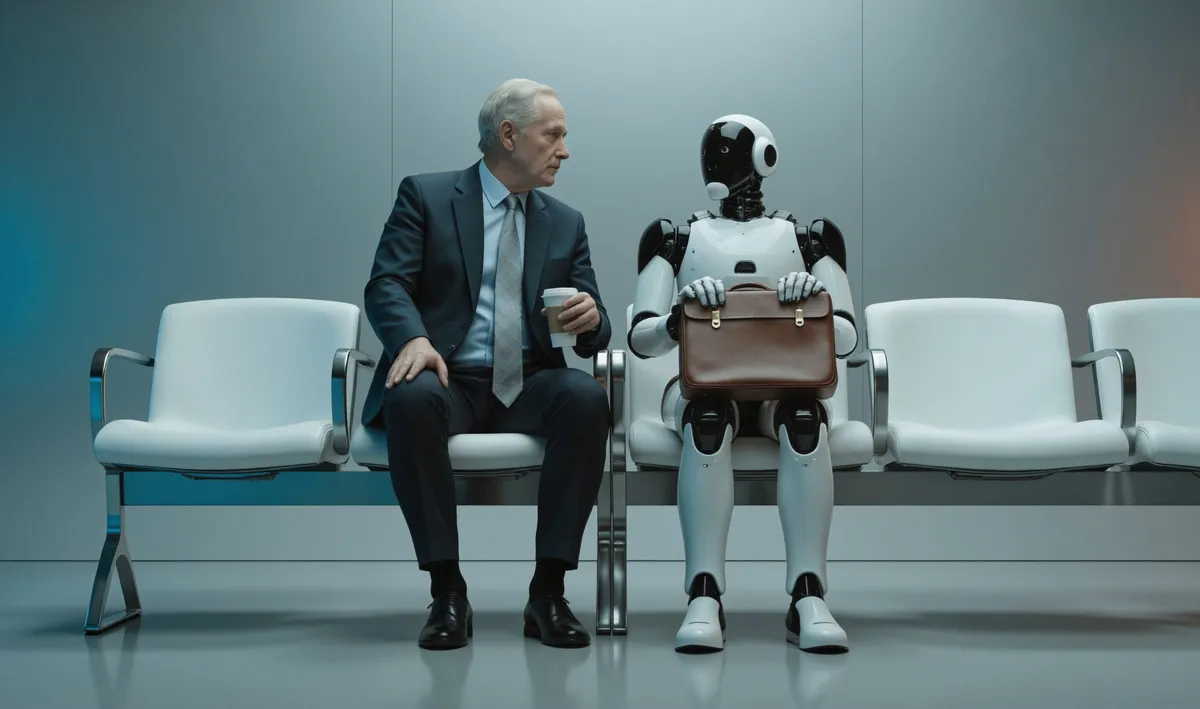
The insurance industry is undergoing a significant transformation, driven largely by advancements in artificial intelligence (AI). As consumers become increasingly comfortable with technology, particularly AI tools, their approach to auto and home insurance is evolving. A recent study by JD Power reveals that nearly one-third of customers now utilize AI to research insurance products, manage their accounts, and navigate the complexities of coverage options. This shift not only highlights the growing reliance on technology but also signals a pivotal moment for insurers and consumers alike.
According to Tony Soloman, director of insurance intelligence at JD Power, AI is emerging as a crucial tool for policy shopping, research, and account management decisions. As the study indicates, 29% of auto and home insurance customers are already engaging with AI tools, changing the landscape of how these products are perceived and purchased. This trend emphasizes the importance of understanding AI's role in insurance and its implications for consumers.
The Increasing Role of AI in Insurance
AI's integration into the insurance sector is not merely a fleeting trend; it is a clear indication of how technology is reshaping consumer behavior. The JD Power AI Insurance Experience Study, which surveyed over 8,000 customers across 24 insurance brands, revealed that AI-driven insights significantly influence decision-making. Notably, 37% of those who utilized AI to research coverage options altered their policies based on the information they received, while 42% of customers who used AI to shop for a new policy ended up purchasing insurance as a direct result.
Consumer Trust and Adoption
While AI usage is on the rise, many consumers remain hesitant to fully embrace these tools. The most common barriers to AI adoption include a lack of familiarity with technology, habitual reliance on traditional methods, and skepticism regarding the accuracy of AI-generated results. Given that many customers still prefer personal interactions, particularly when making significant financial decisions, insurers face the challenge of building trust in AI technology.

Implications for Insurers
The rise of AI presents both challenges and opportunities for insurance companies. To remain competitive, insurers must enhance the user experience on their platforms, ensuring that AI tools are comprehensive, intuitive, and genuinely helpful. As Soloman notes, insurers must also be aware that many consumers are leveraging third-party AI chatbots and apps to compare policies and premiums. This reality necessitates that insurers maintain oversight on how their data is presented and interpreted by AI systems.
Examples of AI Implementation
Several insurance companies have already begun integrating AI into their services. For instance, Insurify recently launched a ChatGPT application that allows consumers to compare car insurance options seamlessly. Additionally, Liberty Mutual introduced a conversational AI tool for auto insurance quoting, while Plymouth Rock Home Assurance enables homeowners to receive quotes through AI-driven discussions. These developments reflect a broader trend where AI is not only enhancing customer interactions but also streamlining the purchasing process.
Market Reactions and Future Predictions
The excitement surrounding AI in insurance has generated a variety of reactions within the industry. Following Insurify's launch, the S&P 500 Insurance index experienced a brief decline as concerns emerged regarding the potential impact of AI on insurance agents and brokers. However, Insurify CEO Snejina Zacharia downplayed these fears, suggesting that the shift represents an evolution rather than a disruption. She emphasized that while automation will increase, the demand for personal relationships with agents will persist.
Moreover, analysts from BofA Global Research estimate that approximately $15 billion in independent agency commissions and broker fees could be vulnerable to AI-driven disintermediation. Despite these forecasts, Renaissance CEO Bob Bondi argues that independent agents should not view AI as a threat but rather as an opportunity to enhance their advisory roles. By leveraging intelligent tools, agents can improve service, speed, and customer engagement while maintaining the invaluable human touch.

Key Consumer Takeaways
- AI Adoption is Growing: Nearly 29% of consumers are using AI for insurance-related tasks.
- Influence on Decisions: 37% of users changed their policies based on AI insights.
- Trust Issues Persist: Many consumers remain wary of AI due to unfamiliarity and skepticism.
- Insurers Must Adapt: Companies need to enhance user experiences and engage with third-party AI tools.
- AI is Not a Replacement: Personal relationships with agents will continue to play a crucial role in insurance.

Frequently Asked Questions
How can consumers benefit from using AI tools for insurance?
Consumers can leverage AI tools to simplify the insurance shopping process, enabling them to compare policies, understand coverage options, and manage accounts more efficiently. AI can provide personalized recommendations and insights, helping users make informed decisions that align with their needs and preferences.
What challenges do insurers face with the rise of AI?
Insurers must navigate several challenges, including building customer trust in AI technology, ensuring that their AI tools provide accurate and valuable information, and remaining competitive against third-party AI applications. Companies also need to enhance their digital platforms to offer seamless user experiences while retaining essential human interactions.
Will AI replace insurance agents?
While AI is poised to transform many aspects of the insurance industry, it is unlikely to fully replace insurance agents. Instead, AI will augment the role of agents, allowing them to focus on providing personalized service and advice. The human element of trust and relationship-building remains irreplaceable in significant financial decisions like insurance.
Comments
California's Wildfire Legislation: A Compromise Amidst Rising Risks
California lawmakers introduce a new wildfire bill that reshapes liability for utilities, aiming to expedite recovery for victims while navigating the complexities of insurance and climate change.
Related articles
Popular in Home Insurance
- 2026 Sees Below-Average Severe Convective Storm Losses: What It Means for Insurance
- El Niño and Wildfires: Preparing for a Fire-Prone Future
- Young Affluent Collectors: The Underinsurance Dilemma in Luxury Investments
- Wisconsin Property Owner Sues City and Insurers Over Contamination Cleanup Costs
- Rising Catastrophe Risks: How Europe’s Insurers Are Adapting to Climate Change