California's Wildfire Legislation: A Compromise Amidst Rising Risks
California lawmakers introduce a new wildfire bill that reshapes liability for utilities, aiming to expedite recovery for victims while navigating the complexities of insurance and climate change.

As California grapples with the relentless threat of wildfires exacerbated by climate change, state lawmakers have introduced new legislation aimed at reforming the state’s wildfire response. This bill seeks to address the pressing need for accountability among utility companies while ensuring that wildfire survivors receive faster compensation. The proposed changes come amidst a backdrop of intense negotiations with Governor Gavin Newsom, who had advocated for measures that would have restricted insurers from suing utilities for wildfire-related claims. This compromise reflects the complexities of balancing the interests of utility companies, insurance providers, and the countless Californians affected by devastating fires.
The legislation represents a pivotal moment in California's ongoing struggle with wildfires, particularly following the catastrophic Eaton Fire in January 2025, which resulted in unprecedented losses. The new bill aims to streamline the recovery process for victims while imposing stricter safety and accountability measures on utility executives. However, the refusal to adopt Governor Newsom's proposed restrictions on subrogation—a legal process allowing insurers to recover costs from third parties—has sparked debate among lawmakers, insurers, and the public.
The Context of California's Wildfire Crisis
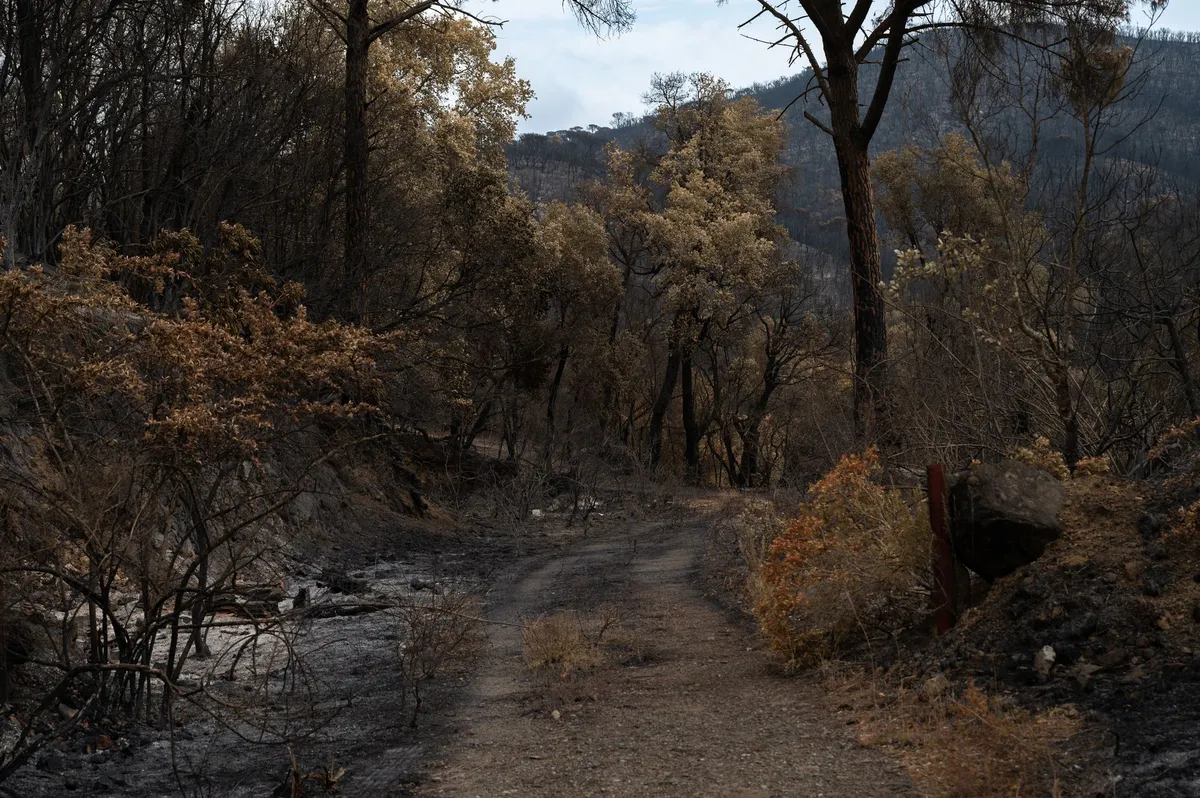
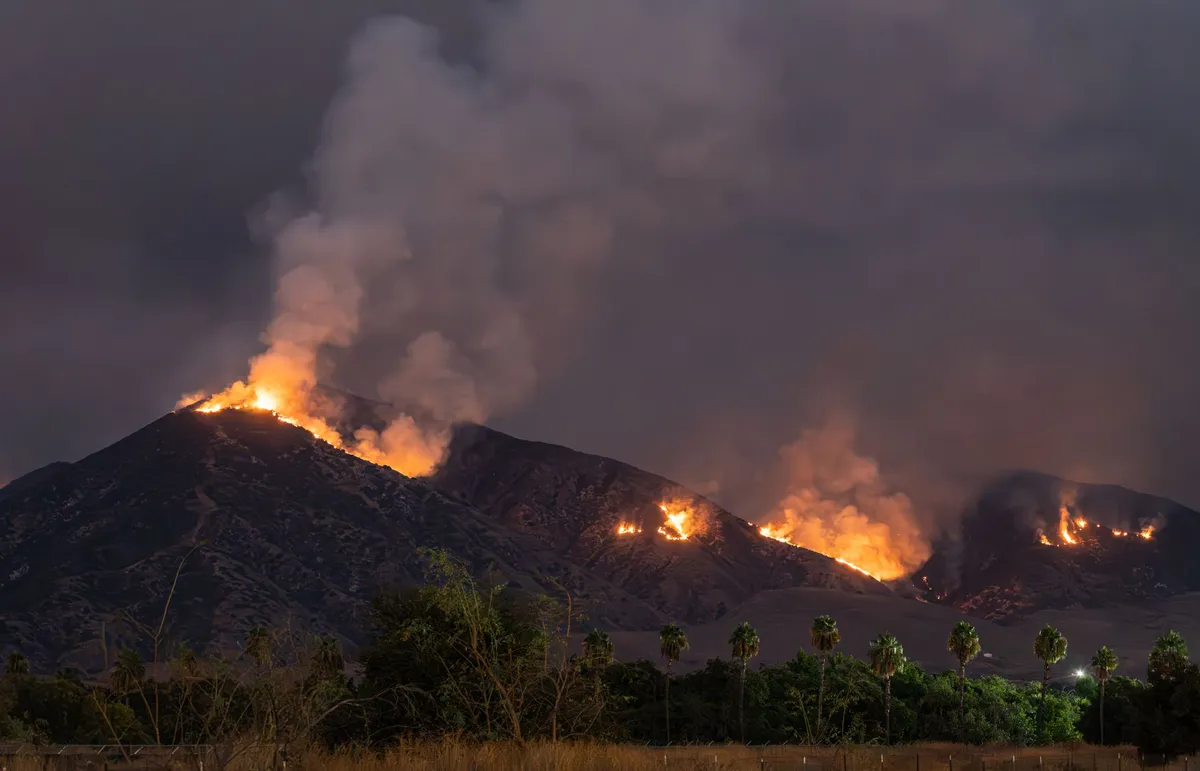
The frequency and intensity of wildfires in California have surged in recent years, making the state a focal point for discussions about climate change and disaster preparedness. According to Aon Plc, the January 2025 Eaton Fire and another blaze in the Pacific Palisades area collectively caused $41 billion in insured losses, marking them as the costliest wildfires in recorded history. This alarming trend has prompted lawmakers to seek solutions that not only address the immediate aftermath of these disasters but also mitigate their frequency and severity.
Utility Companies Under Scrutiny
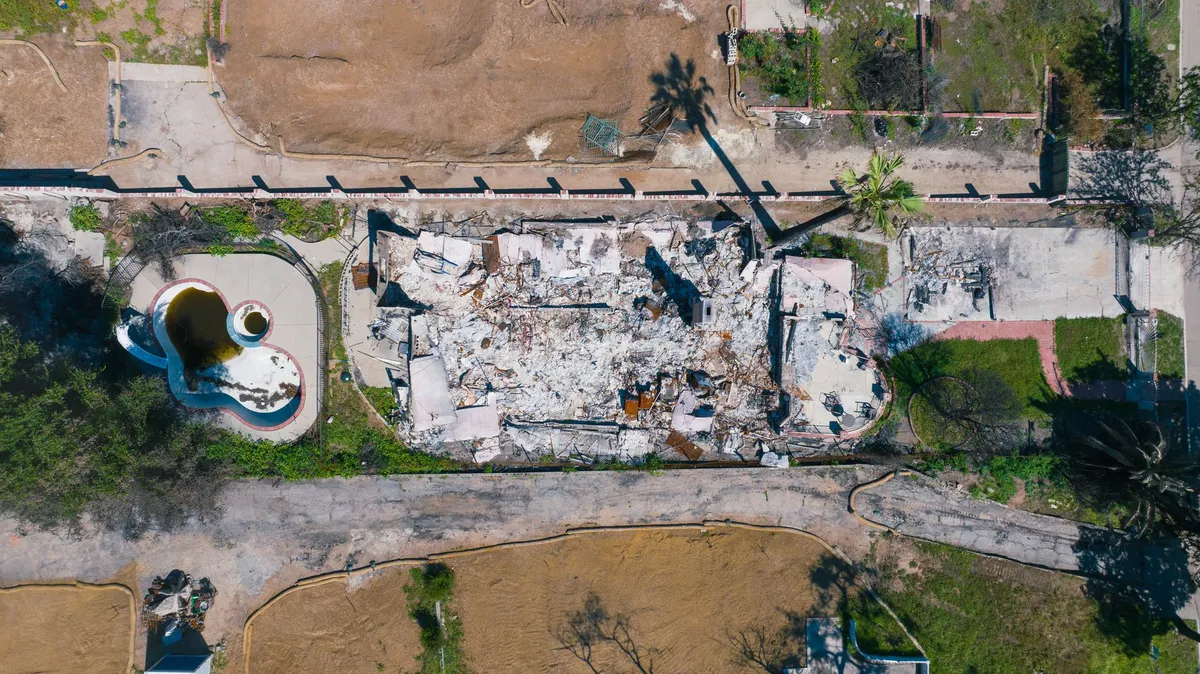
Utilities like Pacific Gas and Electric (PG&E) and Southern California Edison have faced increasing scrutiny as investigations have linked their equipment to some of the most destructive fires in California's history. For instance, a report by the Los Angeles County Fire Department identified Edison’s equipment as the cause of the Eaton Fire, which claimed 19 lives and destroyed over 9,400 structures.
As these companies contend with thousands of claims and potential lawsuits, they are also under pressure to manage their financial liabilities. The ongoing repercussions of PG&E's 2019 bankruptcy, triggered by wildfire-related claims, loom large over the industry, creating a precarious balance between operational viability and public safety.
Key Provisions of the New Legislation
The newly proposed wildfire legislation aims to introduce several critical changes, including:
- Expedited Payouts: The bill seeks to streamline the claims process for wildfire survivors, ensuring they receive compensation more quickly.
- Accountability for Utility Executives: New provisions will impose stricter safety standards and accountability measures on utility executives, aiming to prevent future disasters.
- Restrictions on Hedge Funds: The legislation includes measures to bar hedge funds from purchasing insurance claims against utility companies, which some argue could inflate costs for consumers.
- Limitations on Lawyer Fees: The bill proposes new limits on the fees that lawyers can charge for handling wildfire-related cases, potentially reducing costs for claimants.
While these changes represent steps toward addressing the wildfire crisis, the bill's failure to include Governor Newsom's proposal to limit insurers' ability to sue utilities for subrogation has raised concerns among various stakeholders. Critics argue that this could lead to increased insurance premiums, further burdening homeowners and businesses already struggling with rising costs.

Reactions from Stakeholders
The introduction of this legislation has elicited a range of responses from stakeholders, including utilities, insurance companies, and advocacy groups for fire survivors. State Senate President Pro Tempore Monique Limón emphasized that the agreement supports survivors while curbing costly Wall Street practices that increase consumer expenses. However, she acknowledged that full structural reform is still necessary to ensure a fair recovery system for all parties involved.
Utilities have expressed mixed reactions. PG&E stated it is reviewing the measure, while Southern California Edison highlighted the need for urgent action to reform the recovery system comprehensively. Advocacy groups, including the Every Fire Survivor’s Network, have voiced opposition to any proposals that shift financial burdens away from utility shareholders, arguing that victims should not bear the costs of corporate negligence.
Implications for Insurance Policies and Homeowners
The legislative changes will undoubtedly have profound implications for homeowners and businesses in wildfire-prone areas. With the ongoing threat of wildfires, understanding how insurance policies respond to these disasters is crucial. Key considerations include:
- Insurance Premiums: Homeowners may see an increase in premiums as insurers adjust their risk assessments in light of the new legislation and the rising frequency of wildfires.
- Claims Process: The expedited claims process could provide relief to victims who have faced delays in receiving compensation after past wildfires, but the absence of subrogation limits may complicate the relationship between insurers and utility companies.
- Coverage Options: Homeowners in high-risk areas should evaluate their insurance policies to ensure they have adequate coverage for wildfire-related damages, including comprehensive home and contents insurance.
As the legislative session concludes, the broader implications of these changes will continue to unfold, impacting not only those directly affected by wildfires but also the insurance market and utility operations across California.
Key Takeaways
- California's new wildfire legislation seeks to streamline recovery for victims while holding utilities accountable.
- Governor Newsom's proposal to limit insurers from suing utilities was ultimately excluded from the bill.
- Homeowners may face rising insurance premiums as the state grapples with increased wildfire risks.
- Utilities are under heightened scrutiny following their roles in igniting catastrophic fires.
- Stakeholders, including survivors and advocacy groups, continue to push for more comprehensive reforms.
Frequently Asked Questions
What is the significance of California's new wildfire legislation?
The new wildfire legislation is significant as it seeks to balance the need for rapid recovery for wildfire victims with the accountability of utility companies. It introduces measures aimed at expediting claims and enhancing safety protocols for utilities while sparking debate over how costs and liabilities are shared among insurers, utility shareholders, and the public.
How will this legislation affect insurance premiums for homeowners?
Insurance premiums for homeowners in California, particularly in high-risk wildfire areas, may rise as insurers reassess their risk exposure in light of the new legislation and the ongoing threat of wildfires. The exclusion of limits on insurers' ability to sue utilities could also contribute to increased costs, which may ultimately be passed on to consumers.
What are the main concerns among stakeholders regarding the new bill?
Stakeholders have raised concerns about the potential for increased insurance premiums and the impact of the legislation on the accountability of utility companies. Advocacy groups representing wildfire survivors are particularly worried about any proposals that could shift financial burdens away from utility shareholders, emphasizing the need for a fair recovery system that prioritizes victims' rights.
How can homeowners prepare for the ongoing threat of wildfires?
Homeowners can prepare for the threat of wildfires by thoroughly reviewing their insurance policies to ensure they have adequate coverage for fire-related damages. Additionally, implementing fire-resistant landscaping, maintaining defensible space around properties, and investing in fire safety measures can help mitigate risks and protect homes from potential wildfire damage.
Comments
AI Revolutionizing Auto and Home Insurance: What Consumers Need to Know
Artificial intelligence (AI) is transforming how consumers engage with auto and home insurance, according to a recent JD Power study. As more customers turn to AI for information and policy management, insurers must adapt to changing consumer behaviors and preferences.

Related articles
Popular in Home Insurance
- 2026 Sees Below-Average Severe Convective Storm Losses: What It Means for Insurance
- El Niño and Wildfires: Preparing for a Fire-Prone Future
- Young Affluent Collectors: The Underinsurance Dilemma in Luxury Investments
- Wisconsin Property Owner Sues City and Insurers Over Contamination Cleanup Costs
- Rising Catastrophe Risks: How Europe’s Insurers Are Adapting to Climate Change