California Lawmakers Preserve Subrogation Rights Amid Wildfire Concerns
California's rejection of a proposal to eliminate insurer subrogation rights is a crucial move for homeowners amidst rising wildfire risks. This decision impacts insurance affordability and market stability, while leaving larger liability issues unresolved.
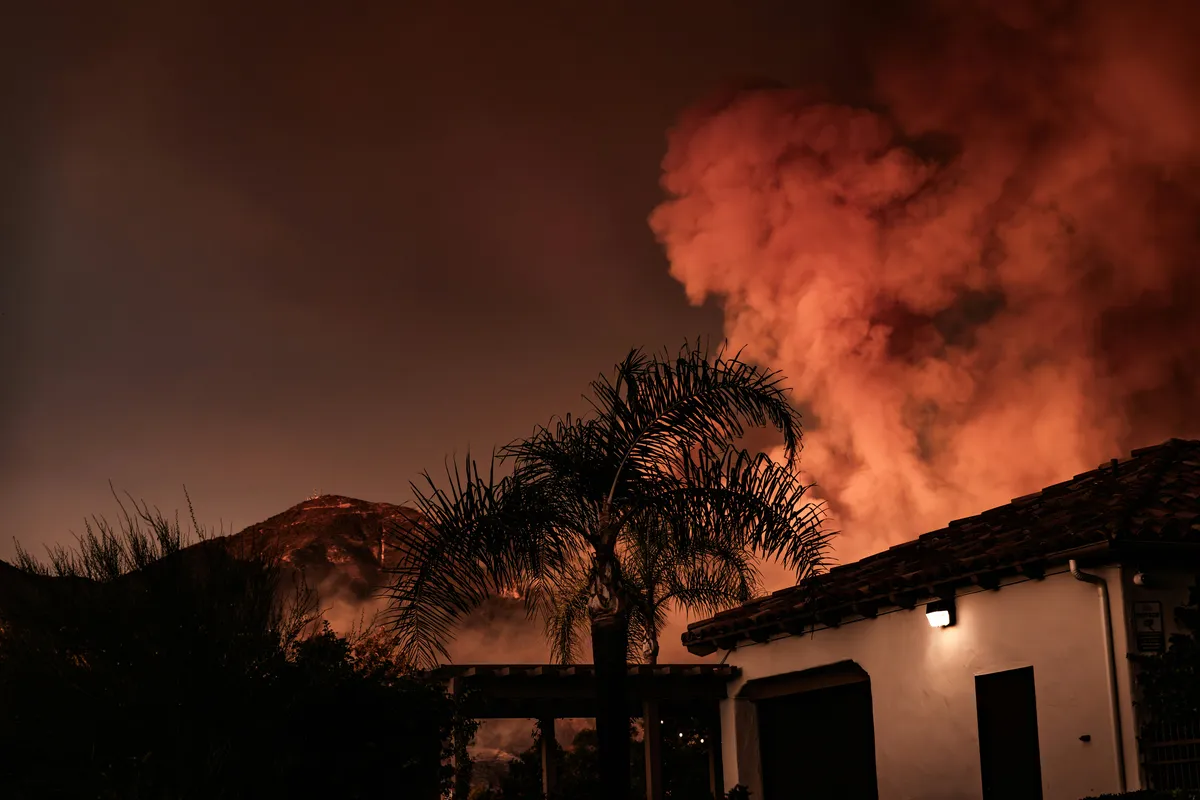
In a significant legislative decision, California lawmakers have opted to preserve insurers' subrogation rights, a crucial mechanism that allows them to recover costs from utilities responsible for wildfire damage. This move, while stabilizing the insurance market in the short term, does not resolve the long-term liability issues that homeowners face in a state increasingly ravaged by wildfires. On August 29, the California Legislature released the amended text of Senate Bill 492 (SB 492), marking a pivotal moment in the ongoing struggle between insurers, utility companies, and the homeowners they serve.
The legislation, steered by Senator Josh Becker and Assemblymember Cottie Petrie-Norris, not only maintained the subrogation rights but also introduced new restrictions aimed at curbing unnecessary litigation costs. This decision comes amidst growing pressures on California's insurance market, which has faced significant strain due to rising wildfire incidents and corresponding claims. As the state grapples with these challenges, the implications of this legislation extend far beyond immediate cost recovery, touching on the broader dynamics of insurance affordability and market health.
Understanding Subrogation Rights and Their Importance
Subrogation is a legal principle that enables insurers to step into the shoes of their policyholders to recover costs from third parties responsible for damages. In California, this principle is particularly vital due to the state's inverse condemnation doctrine, which holds utilities strictly liable for wildfire damages regardless of negligence. Without the ability to seek recovery from these companies, insurers would face significant financial burdens that could translate into higher premiums for homeowners.
The American Property Casualty Insurance Association (APCIA) estimated that eliminating subrogation could lead to a staggering 10% to 20% increase in homeowners' insurance premiums across the state. Such hikes would exacerbate the financial strain on homeowners already facing the realities of natural disasters, particularly in wildfire-prone regions. The retention of subrogation rights, therefore, is seen as a safeguard against further escalating insurance costs, maintaining a degree of affordability and availability in the market.
New Restrictions and Their Implications
While the preservation of subrogation rights is a relief for many, SB 492 introduces several new restrictions that will shape how insurers can exercise these rights. Notably, attorney fees for subrogation cases have been capped at 10% of the final settlement. This measure aims to reduce excessive legal costs that can burden the system, ultimately benefiting consumers by potentially lowering the costs passed on to them.
Additionally, the bill prohibits insurers from selling subrogation claims to private equity firms or hedge funds, targeting a practice that had contributed to rising litigation costs. By limiting third-party involvement in these claims, lawmakers hope to streamline the process and ensure that more resources are directed towards recovering costs from responsible parties rather than lining the pockets of investors.
Furthermore, the legislation implements a California Wildfire Relief Fast-Pay program designed to expedite claims from future utility-caused wildfires. Under this program, valid claims must be assessed within 60 days, with settlement offers following within 30 days. This initiative aims to provide timely financial relief to homeowners while still allowing them the right to pursue utilities in court, albeit with a limited stay during the Fast-Pay process.

The Broader Context of California's Insurance Market
The legislative outcome arrives at a time when California's insurance market is under significant stress. The state's FAIR Plan, which serves as an insurer of last resort, has seen a dramatic increase in enrollment, surging 43% from September 2024 to December 2025, largely due to escalating wildfire risks. This growing reliance on the FAIR Plan highlights the challenges many homeowners face in securing affordable coverage in high-risk areas.
The total exposure of the FAIR Plan reached an alarming $768 billion as of June 2025, marking a 250% increase since September 2022. As the FAIR Plan prepares to implement its largest approved rate increase in recent history—29.1%—the ongoing pressure on homeowners is evident. With major insurers like State Farm and Allstate shuttering new business in the state, the market's stability is increasingly precarious.
Moreover, the financial demands placed on the state's $18 billion Wildfire Fund continue to grow. California's unique liability framework means that utilities like Pacific Gas & Electric, Southern California Edison, and Sempra Energy are heavily impacted by the legislative landscape. These companies reportedly spent a record $16.7 million in lobbying efforts during the 2025-2026 legislative session, as they seek to navigate the complexities of liability and cost recovery in a state burdened by wildfire risks.

Future Considerations and Legislative Outlook
Despite the immediate relief provided by SB 492, Governor Gavin Newsom emphasized that this is merely a step toward more comprehensive reforms, calling for lawmakers to return to the broader liability questions in 2027. With Newsom set to leave office due to term limits, the political dynamics surrounding these discussions may shift significantly, potentially complicating future efforts to address the underlying issues facing homeowners and insurers alike.
The current legislative environment underscores the ongoing tension between ensuring affordable insurance for homeowners and holding utilities accountable for wildfire-related damages. As brokers place California property risks, the retention of subrogation rights alleviates some actuarial pressures that could lead to further rate increases. However, the unresolved liability questions remain a critical factor that will shape the future of the state's insurance landscape.
Key Takeaways
- California lawmakers have preserved insurers' subrogation rights, crucial for cost recovery in wildfire claims.
- The new restrictions aim to reduce litigation costs and streamline claims processes.
- The FAIR Plan continues to bear a growing share of residential property risk amid increasing wildfire threats.
- Governor Newsom calls for a revisit of broader liability questions in 2027 as market challenges persist.
- Homeowners should stay informed on legislative changes that impact their insurance costs and coverage options.
Frequently Asked Questions
What are subrogation rights, and why are they important for homeowners?
Subrogation rights allow insurers to recover costs from third parties, such as utility companies, responsible for damages covered by homeowners' insurance. This mechanism is vital in preventing insurers from absorbing all the costs associated with claims, which can lead to higher premiums for policyholders. In California, the unique inverse condemnation doctrine means that utilities are automatically liable for wildfire damages, making subrogation a crucial tool in maintaining insurance affordability.
How does SB 492 affect insurance premiums for California homeowners?
The preservation of subrogation rights under SB 492 helps prevent a potential increase in homeowners' insurance premiums, which the American Property Casualty Insurance Association estimated could have risen by 10% to 20% had these rights been eliminated. By allowing insurers to pursue cost recovery from utilities, the financial burden is less likely to fall solely on homeowners, contributing to a more stable insurance market.
What is the FAST-Pay program, and how does it benefit wildfire survivors?
The California Wildfire Relief Fast-Pay program aims to expedite the claims process for victims of future utility-caused wildfires. Under this program, valid claims must be assessed within 60 days, and settlement offers made within 30 days thereafter. This initiative is designed to provide timely financial relief to survivors while still allowing them the option to pursue legal action against utilities if necessary.
What should homeowners do to prepare for potential insurance changes in the future?
Homeowners should stay informed about legislative developments that may impact their insurance costs and coverage options. Engaging with local insurance brokers and understanding the evolving market dynamics can help homeowners make informed decisions regarding their policies. Additionally, being proactive about fire safety measures and risk mitigation can potentially lead to lower insurance premiums and better coverage options in wildfire-prone areas.
Comments
Bamboo Insurance's IPO: Implications for Brokers and Wildfire Capacity
Bamboo Insurance's recent IPO filing signals a significant shift for brokers in wildfire-exposed regions. This article explores the ramifications of this move on the insurance landscape and brokers' reliance on Bamboo's capacity.

Related articles
Popular in Home Insurance
- 2026 Sees Below-Average Severe Convective Storm Losses: What It Means for Insurance
- El Niño and Wildfires: Preparing for a Fire-Prone Future
- Young Affluent Collectors: The Underinsurance Dilemma in Luxury Investments
- Wisconsin Property Owner Sues City and Insurers Over Contamination Cleanup Costs
- Rising Catastrophe Risks: How Europe’s Insurers Are Adapting to Climate Change