Bamboo Insurance's IPO: Implications for Brokers and Wildfire Capacity
Bamboo Insurance's recent IPO filing signals a significant shift for brokers in wildfire-exposed regions. This article explores the ramifications of this move on the insurance landscape and brokers' reliance on Bamboo's capacity.

As the state of California grapples with the growing threat of wildfires, the insurance landscape continues to evolve in response to these environmental challenges. Bamboo Insurance, a key player in the homeowners insurance market, has recently filed for an initial public offering (IPO) on the New York Stock Exchange under the ticker "BMB." This move not only highlights Bamboo's rapid growth but also puts the spotlight on the evolving capacity model that many brokers in high-risk areas have come to rely on. With significant backing from major financial institutions and an innovative approach to underwriting, Bamboo’s public listing could reshape the dynamics of the insurance market in wildfire-exposed regions.
The Rise of Bamboo Insurance
Founded in 2018 by John Chu, Bamboo Insurance has positioned itself as a technology-driven Managing General Underwriter (MGU) in a challenging market. The company has successfully carved out a niche by actively writing new homeowners policies in some of California's most wildfire-prone areas, where many traditional insurers have retreated. With approximately $285 million invested by White Mountains Insurance Group, Bamboo has adopted a "capital-light" model that allows it to price and select risk without holding the underwriting risk itself. Instead, it collaborates with a network of fronting carriers that maintain the capital backing the policies.
Innovative Capacity Strategies
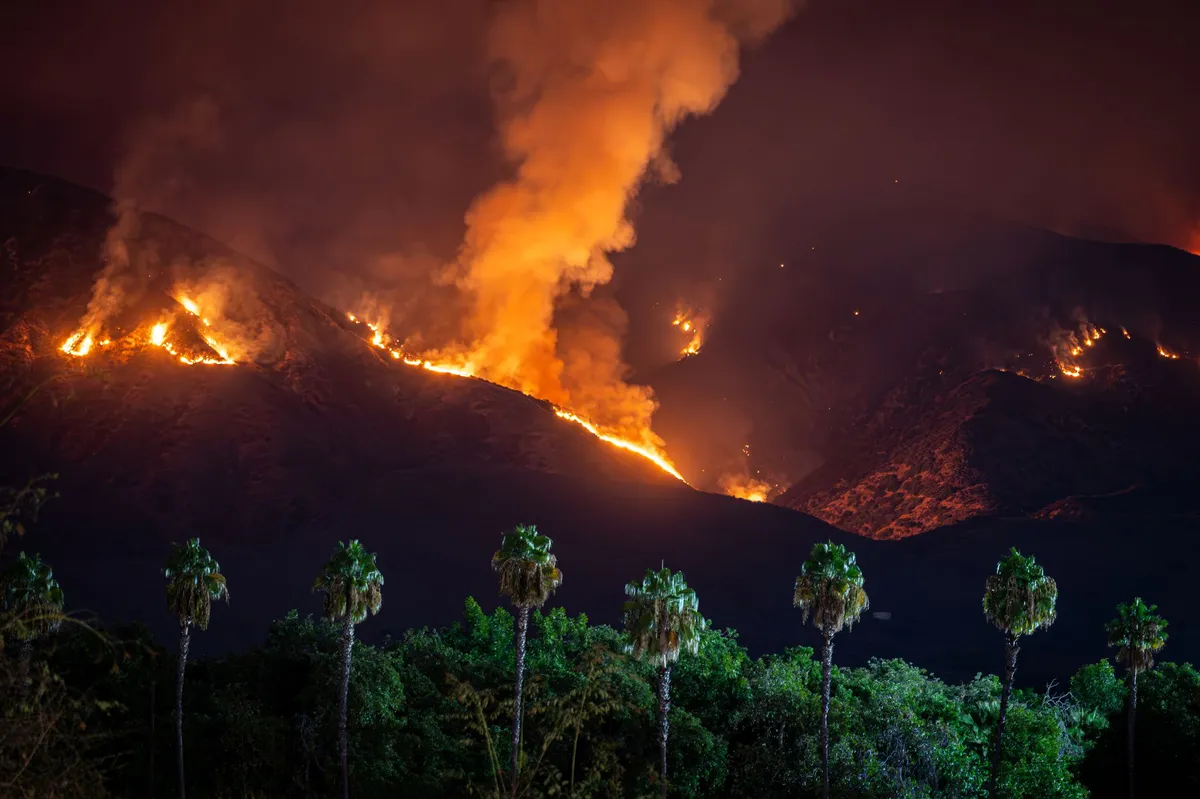
One of the most significant aspects of Bamboo's business model is its ability to scale quickly. For instance, in July, the company enhanced its admitted homeowners and dwelling fire capacity by adding $150 million through its Greenshoots Re sidecar. This growth is a direct response to California's Sustainable Insurance Strategy reforms, which grant insurers greater flexibility in premium rates in exchange for a commitment to writing more business in areas vulnerable to wildfires. This strategy not only helps to stabilize the market but also provides brokers with a reliable option for placing hard-to-insure properties.
Impact of the IPO on Brokers
The decision to go public marks a significant transition for Bamboo Insurance. As the company moves away from private backing to public shareholders, it will face increased scrutiny regarding its financial performance and risk management practices. For brokers operating in wildfire-exposed markets, this change could have profound implications. The IPO process will require Bamboo to disclose previously private metrics, such as loss ratios and the concentration of capacity providers. This transparency will allow brokers to make more informed decisions when placing business through Bamboo, but it could also lead to increased pressure on the company to maintain profitability and manage risk effectively.
Understanding the Market Dynamics
The insurance market for wildfire-exposed properties is undergoing a transformation, influenced by several factors:
- Capital-light underwriting platforms: The rise of MGAs and delegated underwriting authorities has created new pathways for insurers to operate with lower capital requirements.
- Increased capacity: As evidenced by Bamboo’s recent capital expansion, there is a growing trend toward increasing admitted capacity in high-risk areas, which is crucial for maintaining market stability.
- Regulatory reforms: California’s Sustainable Insurance Strategy reforms play a significant role in shaping the underwriting landscape, allowing insurers more flexibility while encouraging them to write more business in fire-prone regions.

Bamboo’s Expansion Beyond California
As Bamboo Insurance prepares for its public debut, it is also eyeing expansion into other states, including Texas. This move reflects a broader trend where insurers are looking to diversify their portfolios and tap into new markets. Texas presents unique challenges and opportunities, especially given its own wildfire risks and differing regulatory landscape. As Bamboo navigates this transition, brokers will need to stay informed about the company's strategies, capacity offerings, and performance metrics in these new regions.
Challenges Ahead
While the IPO could provide Bamboo with additional capital and resources to expand its offerings, it also introduces a series of challenges. Public companies are often held to higher operational standards and must meet the expectations of shareholders, which can lead to a more conservative approach to underwriting. For brokers relying on Bamboo's capacity, this could mean changes in how policies are priced and the types of risks that are accepted. Additionally, the increasing frequency and severity of wildfires pose ongoing risks that could impact Bamboo's profitability and ability to write coverage in high-risk areas.

Key Takeaways
- Bamboo Insurance's IPO will increase scrutiny on its financial metrics and risk management.
- Brokers can expect greater transparency regarding loss ratios and capacity provider details.
- The company’s capital-light model allows for rapid scaling, essential in wildfire-prone markets.
- Expansion into new states like Texas may bring both opportunities and challenges for Bamboo and its brokers.
- California's regulatory reforms are crucial in shaping the future of the wildfire insurance market.
Frequently Asked Questions
What does Bamboo Insurance’s IPO mean for homeowners in wildfire-prone areas?
The IPO signifies a commitment to transparency and accountability in Bamboo's underwriting practices. Homeowners can expect more reliable information regarding the company's financial health, which may influence policy pricing and availability. As Bamboo expands its capacity and potentially enters new markets, homeowners could gain access to more competitive insurance options.
How will the IPO affect brokers working with Bamboo Insurance?
Brokers will benefit from increased transparency regarding Bamboo's performance metrics, enabling them to make more informed decisions when placing policies. However, they will also need to adapt to any changes in Bamboo’s risk appetite and underwriting guidelines resulting from the company's new public status.
What are the risks associated with Bamboo's capital-light model?
While the capital-light model allows Bamboo to scale quickly and efficiently, it may also expose the company to heightened risks if its fronting carriers face financial difficulties. This dependency on external capital could impact Bamboo's ability to underwrite policies effectively, particularly in volatile markets like California.
What trends are emerging in the wildfire insurance market?
The wildfire insurance market is witnessing a shift towards capital-light underwriting platforms, increased admitted market capacity, and regulatory reforms aimed at encouraging insurers to operate in high-risk areas. These trends may lead to more competitive pricing and greater availability of coverage for homeowners in wildfire-exposed regions.
Comments
California Lawmakers Preserve Subrogation Rights Amid Wildfire Concerns
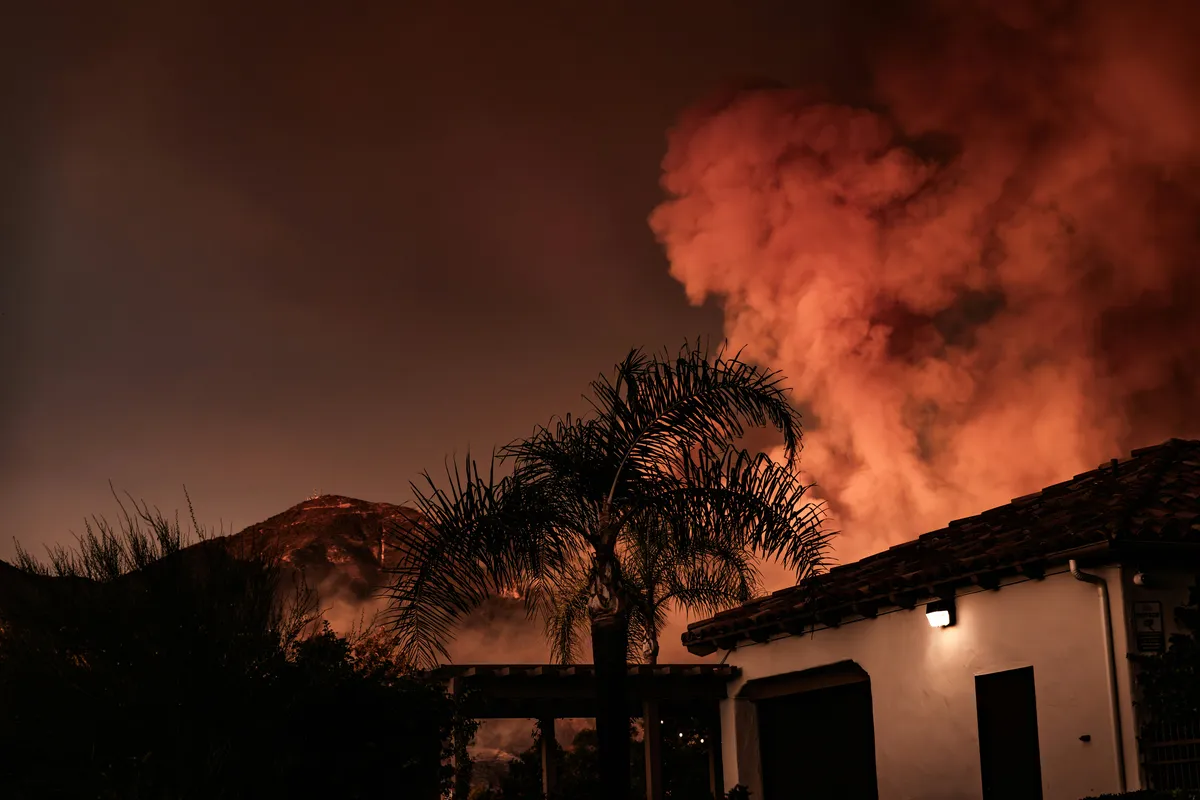
California's rejection of a proposal to eliminate insurer subrogation rights is a crucial move for homeowners amidst rising wildfire risks. This decision impacts insurance affordability and market stability, while leaving larger liability issues unresolved.
Related articles
Popular in Home Insurance
- 2026 Sees Below-Average Severe Convective Storm Losses: What It Means for Insurance
- El Niño and Wildfires: Preparing for a Fire-Prone Future
- Young Affluent Collectors: The Underinsurance Dilemma in Luxury Investments
- Wisconsin Property Owner Sues City and Insurers Over Contamination Cleanup Costs
- Rising Catastrophe Risks: How Europe’s Insurers Are Adapting to Climate Change