Unprecedented Calm: The Atlantic Hurricane Season of 2026
The 2026 Atlantic hurricane season is on track to be the least active since 1941, raising questions about climate patterns, preparedness, and economic impacts.
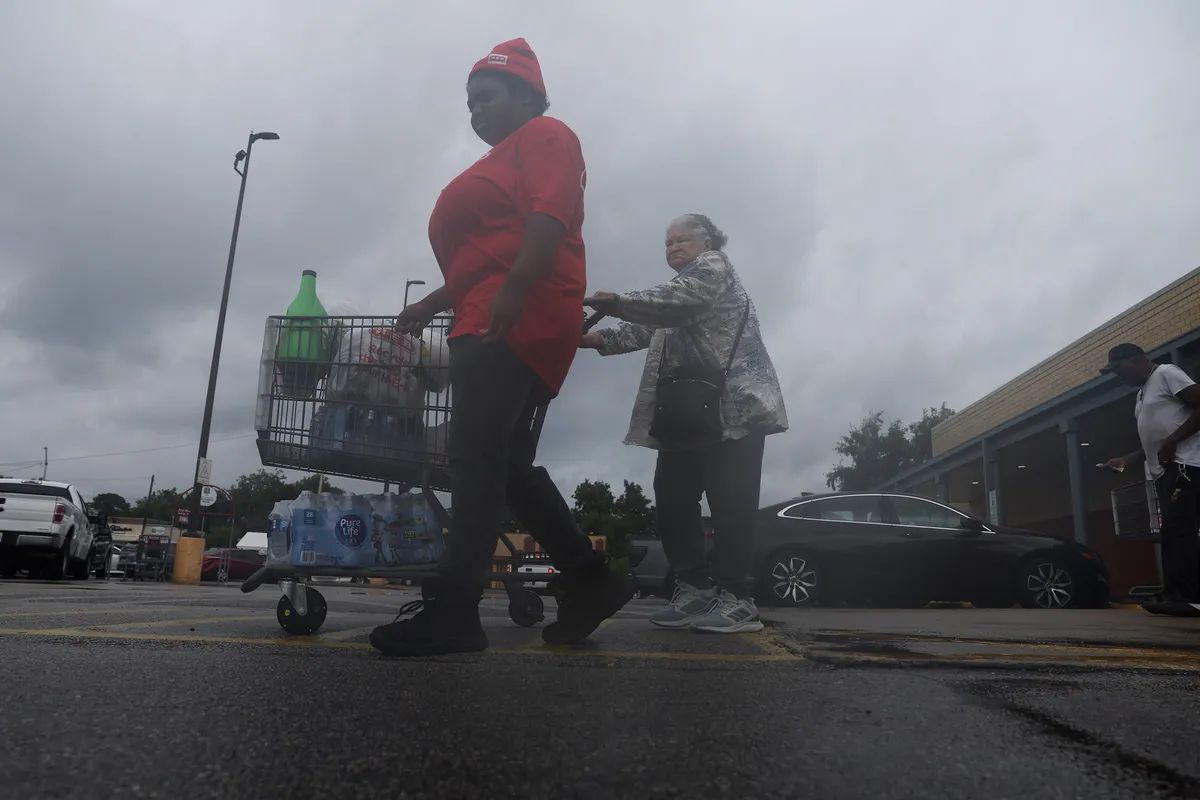
As September rolls in, traditionally a peak month for Atlantic hurricanes, the ocean has displayed an unusual calm not seen since 1941. This year, only five short-lived tropical storms have emerged, and notably, no hurricanes have formed. Meteorological conditions including strong wind shear, dry air, and stable atmospheric conditions have drastically hindered storm development, aligning with predictions that a robust El Niño would lead to a calmer hurricane season.
Phil Klotzbach, a prominent meteorologist at Colorado State University, emphasizes the unprecedented nature of this season, stating, "We’re crushing all sorts of shear records this year," and indicating a mere 3% probability of significant storm activity in the near future. As the meteorological community watches this unique situation unfold, it raises both relief and concern for coastal residents, businesses, and the insurance industry.

Understanding the Meteorological Factors at Play
The quietness of the Atlantic this year can be attributed to several atmospheric factors. Wind shear, which refers to the variation in wind speed and direction at different altitudes, plays a critical role in suppressing storm formation. High wind shear can effectively tear apart developing storms before they gain strength.
The Role of El Niño
This year’s strong El Niño is a significant contributor to the prevailing conditions. El Niño events are characterized by the warming of ocean surface temperatures in the central and eastern Pacific. This phenomenon can lead to altered weather patterns globally, including increased wind shear over the Caribbean and the sinking of stable air over the Atlantic, which inhibits the development of tropical systems.
Dry Air and Stable Atmosphere
Dry air is another critical factor at play. Typically, tropical storms thrive in moist environments that allow for the necessary heat and energy to build. However, the presence of dry air in the Atlantic has led to the dissipation of potential storm systems before they could gain momentum. This year, meteorologists have noted a particularly stable atmosphere that further limits the conditions conducive to storm formation.
The Statistical Landscape of the 2026 Hurricane Season
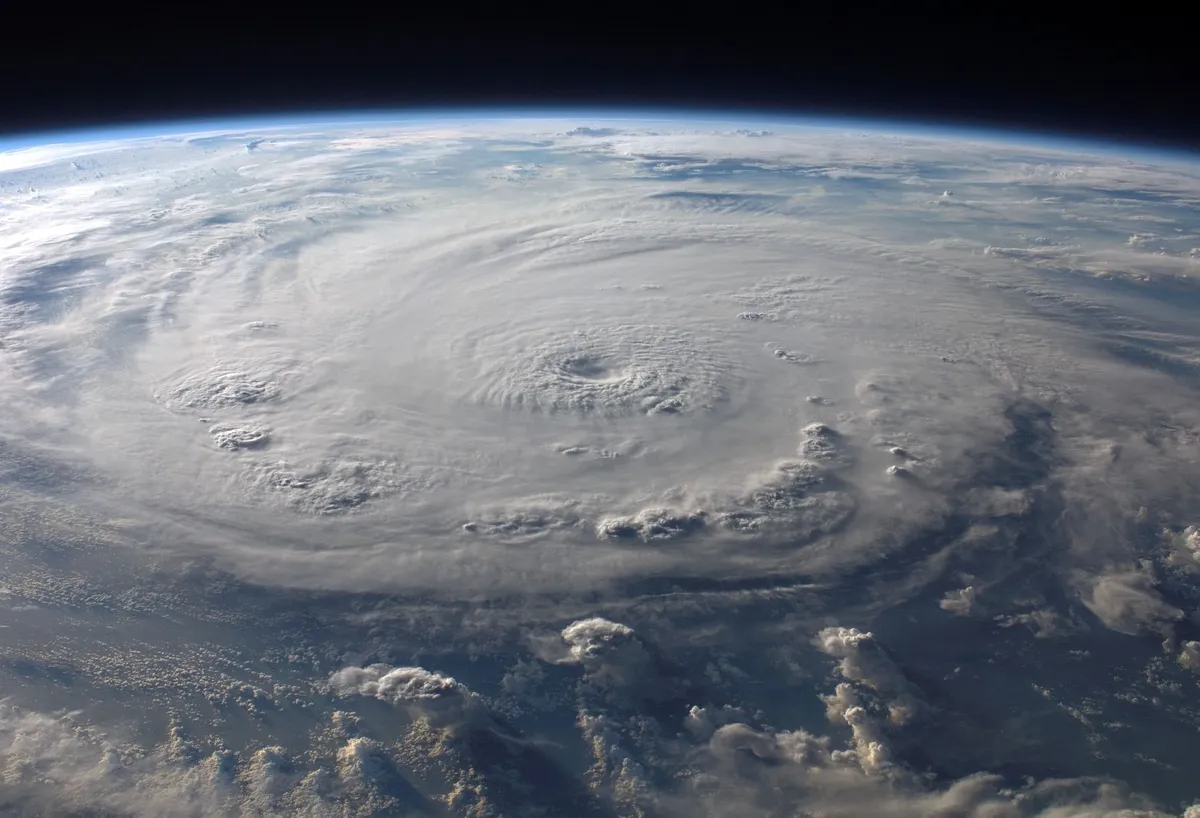
The statistics for the 2026 hurricane season are telling. As of early September, the accumulated cyclone energy (ACE), a metric used to quantify the energy of storms over a season, stands at a mere 4.4. This is the lowest recorded since 1941 and reflects not just the number of storms but also their intensity and duration.
The Atlantic has seen only five tropical storms thus far: Arthur, Cristobal, Dolly, Edouard, and Bertha. Each of these storms was short-lived, with Arthur, Cristobal, and Dolly lasting only two days and Edouard and Bertha lasting three and five days, respectively. The strongest winds recorded were a modest 50 miles per hour, far below the thresholds typically associated with hurricane strength.

Implications for Coastal Communities
The tranquil hurricane season offers a respite for millions living along the U.S. East Coast, Gulf Coast, and Caribbean islands, who often brace for the destructive power of hurricanes during this time of year. For communities reliant on tourism, this calm can translate into economic benefits, allowing businesses to operate without the looming threat of evacuation or damage.
Moreover, with fewer storms threatening oil and gas export terminals in the Gulf of Mexico, the energy sector also benefits from reduced disruptions. However, this calm is not universally positive; it can lead to complacency in storm preparedness, as residents may underestimate the potential for future hurricane threats.
Insurance Industry Considerations
The insurance industry is closely monitoring this unusually quiet hurricane season. Fewer storms mean fewer claims, which can positively impact insurers’ bottom lines in the short term. However, it also raises questions about long-term risk assessment and premium pricing. Insurers may need to recalibrate their models to account for changing climate patterns, which could lead to shifts in premiums and coverage strategies in the years to come.
Looking Ahead: What to Expect
Despite the current calm, experts caution against letting down our guard. While the conditions for storm development are currently unfavorable, Klotzbach suggests that it is likely we will see at least one hurricane form this season, though it may emerge from the subtropical regions rather than the typical deep tropics. As the peak of the hurricane season approaches on September 10, the meteorological community remains vigilant.
This unpredictable nature of weather patterns underscores the importance of preparedness. Coastal communities should continue to engage in disaster planning and remain informed about potential storm threats, regardless of the current quiet conditions.
Key Takeaways
- Unprecedented Calm: The 2026 Atlantic hurricane season is the least active since 1941, with only five tropical storms recorded.
- Meteorological Factors: High wind shear, dry air, and stable atmospheric conditions, exacerbated by a strong El Niño, are suppressing storm formation.
- Economic Implications: Fewer storms provide relief for coastal communities and the energy sector, but may lead to complacency in preparedness.
- Insurance Impact: Insurers may need to adjust their risk assessments and pricing models in light of changing weather patterns.
- Preparedness is Key: Coastal residents should maintain vigilance and preparedness plans despite the current tranquility.
Frequently Asked Questions
What is wind shear and how does it affect hurricanes?
Wind shear refers to the difference in wind speed and direction at various altitudes in the atmosphere. In hurricane formation, high wind shear can disrupt the organization of storms, preventing them from developing into more powerful systems. This year, the Atlantic has been experiencing unusually high wind shear, which has played a significant role in suppressing hurricane activity.
How does El Niño impact hurricane seasons?
El Niño is a climate pattern characterized by warmer-than-average sea surface temperatures in the Pacific Ocean, which can lead to changes in weather patterns globally. During an El Niño event, increased wind shear and stable atmospheric conditions can inhibit hurricane formation in the Atlantic, as seen in the 2026 season, which has been marked by these unfavorable conditions.
What should coastal residents do to prepare for hurricanes, even during a calm season?
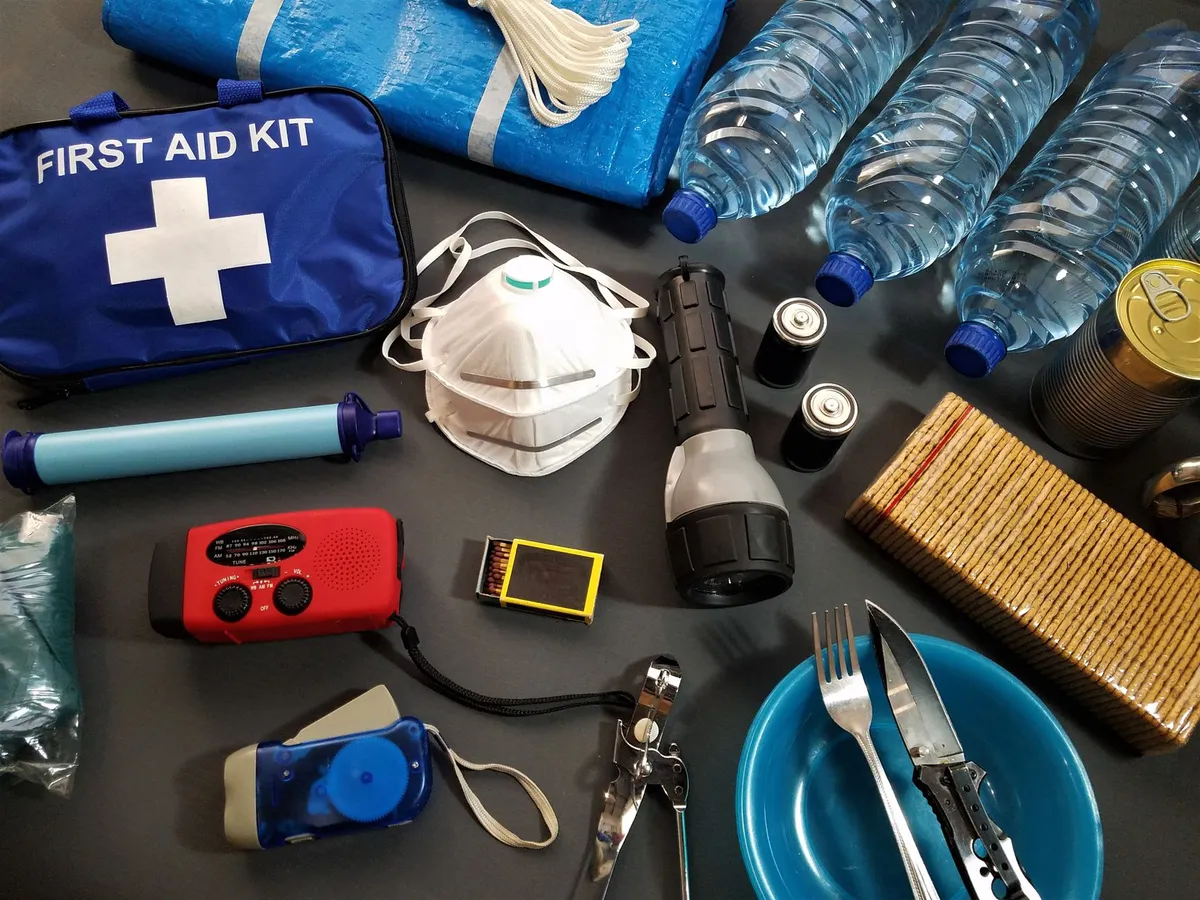
Coastal residents should maintain a proactive approach to hurricane preparedness, even during quieter seasons. This includes having an emergency kit ready, creating an evacuation plan, and staying informed about weather updates from reliable sources. Preparedness can help mitigate risks when hurricane threats do emerge, regardless of the current conditions.
Is it possible that this calm season could lead to more intense hurricanes in the future?
While the current calm season may suggest a lack of immediate threat, climate patterns are complex and can change rapidly. Some meteorologists warn that prolonged periods of low activity can sometimes lead to more intense storms in subsequent seasons as atmospheric conditions shift. Therefore, it’s essential to remain vigilant and prepared for any future storm threats.
Comments
Navigating Florida's Evolving Homeowners Insurance Landscape
Florida's homeowners insurance market is undergoing a significant transformation, offering brokers new opportunities and challenges after recent legislative reforms. This article explores the shifts in litigation, underwriting, and market dynamics impacting brokers and homeowners alike.

Related articles
Popular in Home Insurance
- 2026 Sees Below-Average Severe Convective Storm Losses: What It Means for Insurance
- El Niño and Wildfires: Preparing for a Fire-Prone Future
- Young Affluent Collectors: The Underinsurance Dilemma in Luxury Investments
- Wisconsin Property Owner Sues City and Insurers Over Contamination Cleanup Costs
- Rising Catastrophe Risks: How Europe’s Insurers Are Adapting to Climate Change