Understanding FEMA's Disaster Aid: What Colorado Homeowners Need to Know
FEMA's recent disaster assistance for Colorado focuses on public infrastructure, leaving homeowners in a challenging position. This article explores the implications for residents affected by recent wildfires and the vital role of private insurance.
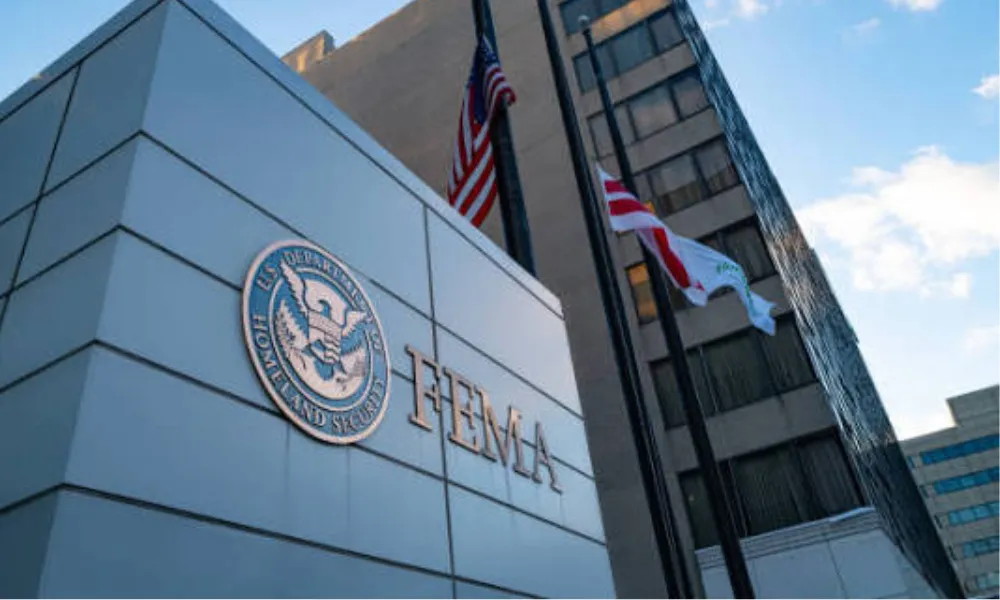
In the wake of a devastating series of wildfires, floods, and mudslides that ravaged Colorado from June 27 to July 29, 2026, FEMA has stepped in to provide federal disaster assistance. However, the type of aid offered raises significant concerns for homeowners in the affected areas, particularly in Custer and Pueblo counties. While the federal agency has approved Public Assistance funding aimed at supporting state, tribal, and local governments, the absence of Individual Assistance for homeowners means that many residents are left to navigate recovery on their own, relying heavily on private insurance.
This situation sheds light on the intricate relationship between federal disaster aid and private insurance, emphasizing the need for homeowners to understand their options and the implications of this funding gap. As wildfires continue to threaten communities across Colorado, homeowners must be proactive about their insurance coverage and recovery strategies.
FEMA's Assistance: What's Covered and What's Not
FEMA's recent disaster declaration allows for Public Assistance funding that will help with emergency work and the repair or replacement of damaged public facilities in counties like Custer, Dolores, Ouray, and Pueblo. This funding, however, is specifically designed for government entities and certain non-profit organizations, leaving individual homeowners in a lurch. Despite Colorado Governor Jared Polis's request for both Public Assistance and Individual Assistance—which would directly aid homeowners and renters—the current declaration only addresses the former.
This distinction is crucial. Individual Assistance would provide essential support for displaced residents, helping cover costs associated with temporary housing, home repairs, and other recovery expenses. Without it, homeowners are left to shoulder the burden of recovery primarily through their private insurance policies.
The Impact of Recent Wildfires on Homeowners
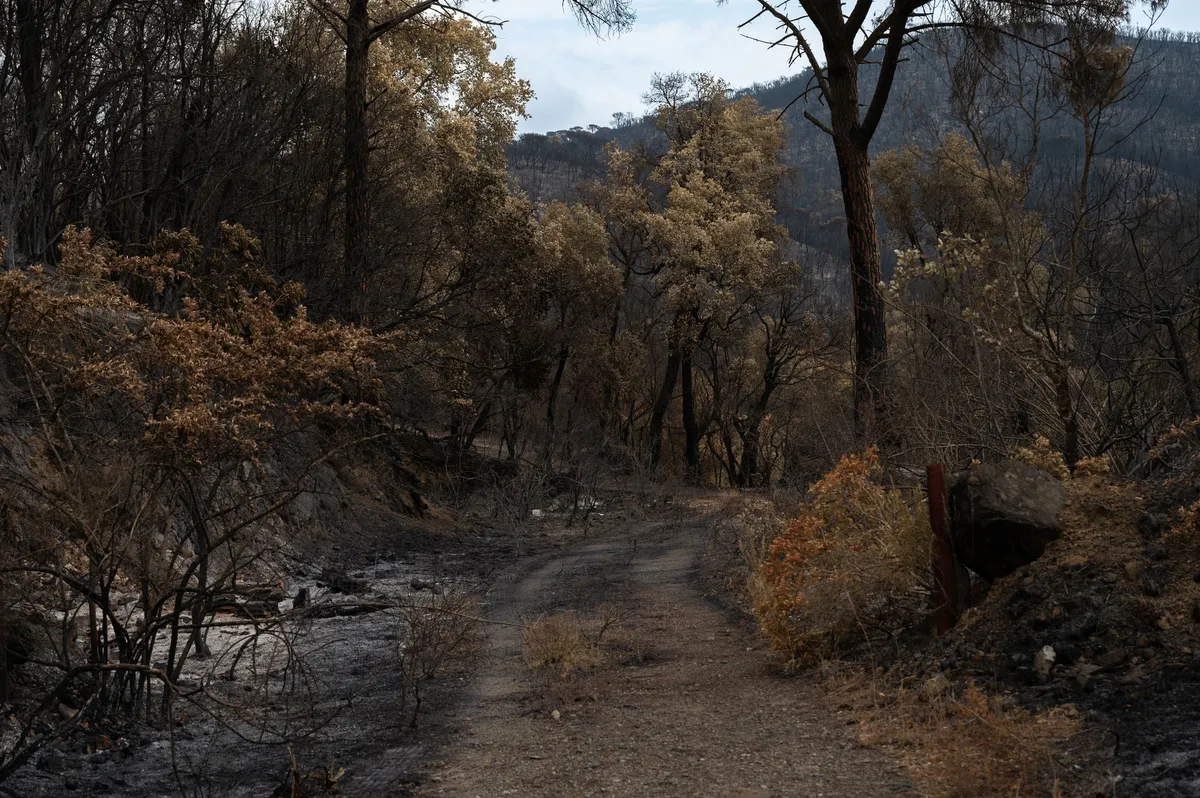
The Aspen Acres Fire and the Gold Mountain Fire have made headlines for their devastating impacts, with the Aspen Acres Fire becoming the seventh-largest wildfire in Colorado history. It burned over 102,000 acres and destroyed 324 homes, while the Gold Mountain Fire, which ignited shortly before, affected nearly 40,000 acres. Tragically, these fires also claimed the life of a firefighting helicopter pilot, Nicholas Dale, who was supporting suppression efforts. The destruction caused by these events has left many families homeless, and the need for immediate recovery support is critical.
For homeowners who lost their properties, the absence of Individual Assistance means they must rely on their insurance coverage to address recovery costs. Unfortunately, the Colorado property insurance market has been under significant strain, with homeowners seeing their premiums rise dramatically—averaging around $4,086 from 2018 to 2024, and certain areas facing costs exceeding $7,500 annually.
Colorado's Strained Property Insurance Market
The challenges facing Colorado's property insurance market are not new. Even before the recent wildfires, homeowners experienced a steep increase in premiums, prompting the state to launch its own FAIR Plan. This program serves as an insurer of last resort, aimed at covering properties in high-risk wildfire areas. However, the FAIR Plan is expected to cover only about 29,000 properties, leaving countless others vulnerable.
As a response to the increasing risk of wildfires, insurance carriers are now reevaluating how they price and place property risk. Philip Wray, head of property at MSIG USA, has indicated that wildfires have become as concerning as hurricanes for insurers, due to the growing concentration of properties in fire-prone areas. The recent Aspen Acres Fire further compounds this issue, leading to carrier moratoriums that complicate the placement of commercial property and habitational risks.

Navigating the Claims Process
With the current limitations on FEMA's assistance, homeowners in Custer, Pueblo, Dolores, and Ouray counties must navigate the claims process through their private insurance carriers. This situation requires homeowners to be diligent in understanding their coverage options and ensuring they are adequately insured.
For those who are uninsured or underinsured, the state's FAIR Plan may offer a potential lifeline. Brokers working with clients in the affected areas should advise homeowners to file claims with their insurance companies as soon as possible and explore the FAIR Plan as a backup option. It is important for homeowners to keep thorough records of damages and communications with their insurance providers to facilitate the claims process.
Future Considerations for Homeowners
The challenges presented by the current wildfire season are expected to persist, with tighter terms and moratoriums on insurance placements likely to continue as the recovery process unfolds. Homeowners should stay informed about the evolving situation and potential changes in FEMA's assistance programs, as further damage assessments could lead to additional funding opportunities.
As the landscape of property insurance continues to evolve in response to climate change and increased wildfire risk, homeowners must remain proactive about their insurance needs. This includes regularly reviewing and updating their policies to ensure adequate coverage and being prepared for potential increases in premiums.
Key Takeaways
- FEMA's disaster assistance is currently limited to Public Assistance funding. Individual Assistance for homeowners is still pending and requires further assessment.
- Homeowners in affected counties should rely on their private insurance for recovery. Understanding policy details is essential for navigating claims.
- Colorado's property insurance market is under strain, with rising premiums and limited options for high-risk homeowners.
- Stay informed on potential changes to FEMA assistance and insurance options as recovery efforts continue.
Frequently Asked Questions
What should homeowners do if they lost their home in the wildfires?
Homeowners who lost their homes in the wildfires should immediately contact their insurance provider to start the claims process. It's crucial to document all damages and keep records of communications with the insurer. If they are uninsured or underinsured, they may consider applying for the state's FAIR Plan, which offers coverage to those in high-risk areas.
How can homeowners ensure they have adequate insurance coverage?
Homeowners should regularly review their insurance policies to ensure they have sufficient coverage, especially in light of recent events. It may be advisable to consult with an insurance broker who understands the local market and can provide guidance on appropriate coverage levels based on property location and risk factors.
Is there a chance for Individual Assistance to be approved later?
Yes, there is a possibility that Individual Assistance could be approved later if additional damage assessments warrant it. Homeowners should remain vigilant and stay in touch with local government officials and FEMA for any updates regarding assistance programs.
Comments
Hurricane Lowell: Impact on Hawaii and Insurance Implications
Hurricane Lowell has passed west of Hawaii, bringing heavy rains and potential damages reaching up to $1 billion. Understanding the storm's impact and insurance considerations is crucial for residents and businesses.

Related articles
Popular in Home Insurance
- 2026 Sees Below-Average Severe Convective Storm Losses: What It Means for Insurance
- El Niño and Wildfires: Preparing for a Fire-Prone Future
- Young Affluent Collectors: The Underinsurance Dilemma in Luxury Investments
- Wisconsin Property Owner Sues City and Insurers Over Contamination Cleanup Costs
- Rising Catastrophe Risks: How Europe’s Insurers Are Adapting to Climate Change