Hurricane Lowell: Impact on Hawaii and Insurance Implications
Hurricane Lowell has passed west of Hawaii, bringing heavy rains and potential damages reaching up to $1 billion. Understanding the storm's impact and insurance considerations is crucial for residents and businesses.
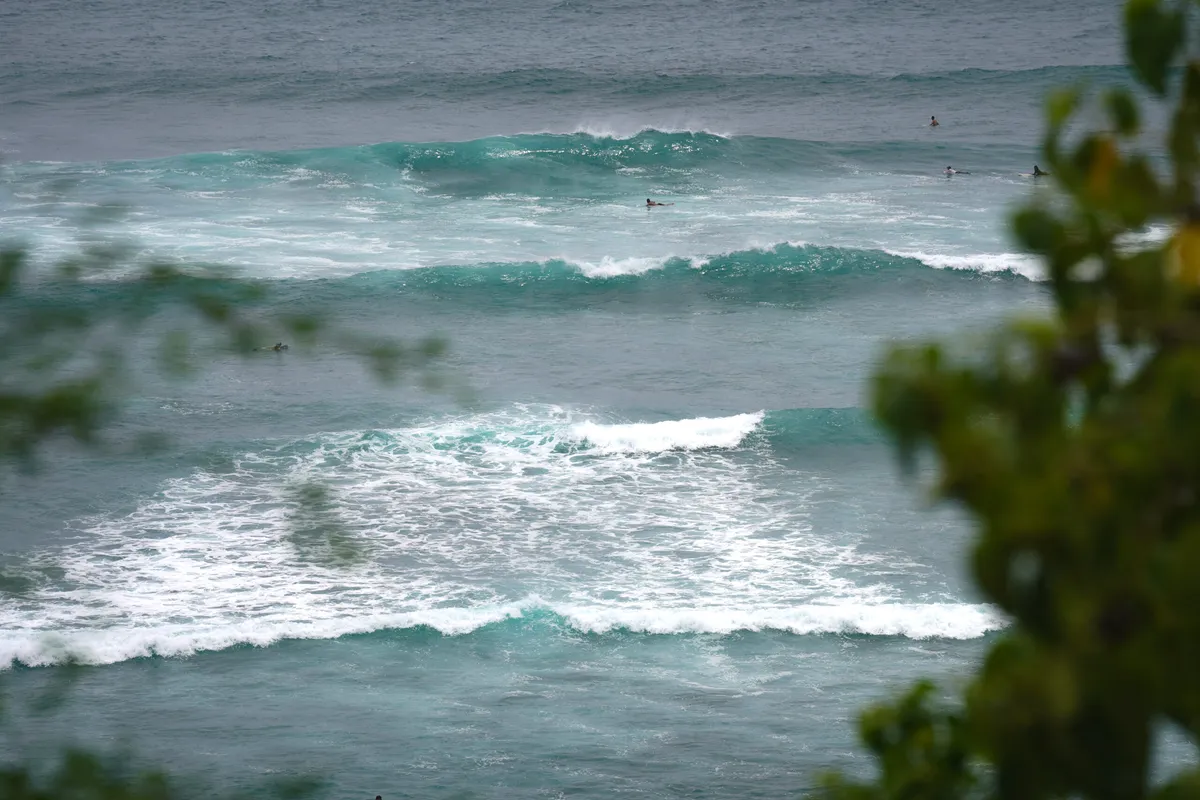
As Hurricane Lowell moves past the Hawaiian Islands, the impacts are becoming clearer, revealing a potential storm damage crisis that could cost residents and businesses hundreds of millions to possibly over a billion dollars. With top winds reaching 105 miles per hour and torrential rains threatening flash flooding and mudslides, the time for assessment and preparedness is now. The storm has already prompted warnings from the U.S. National Hurricane Center, illustrating the severe risk that tropical storms pose to this idyllic region.
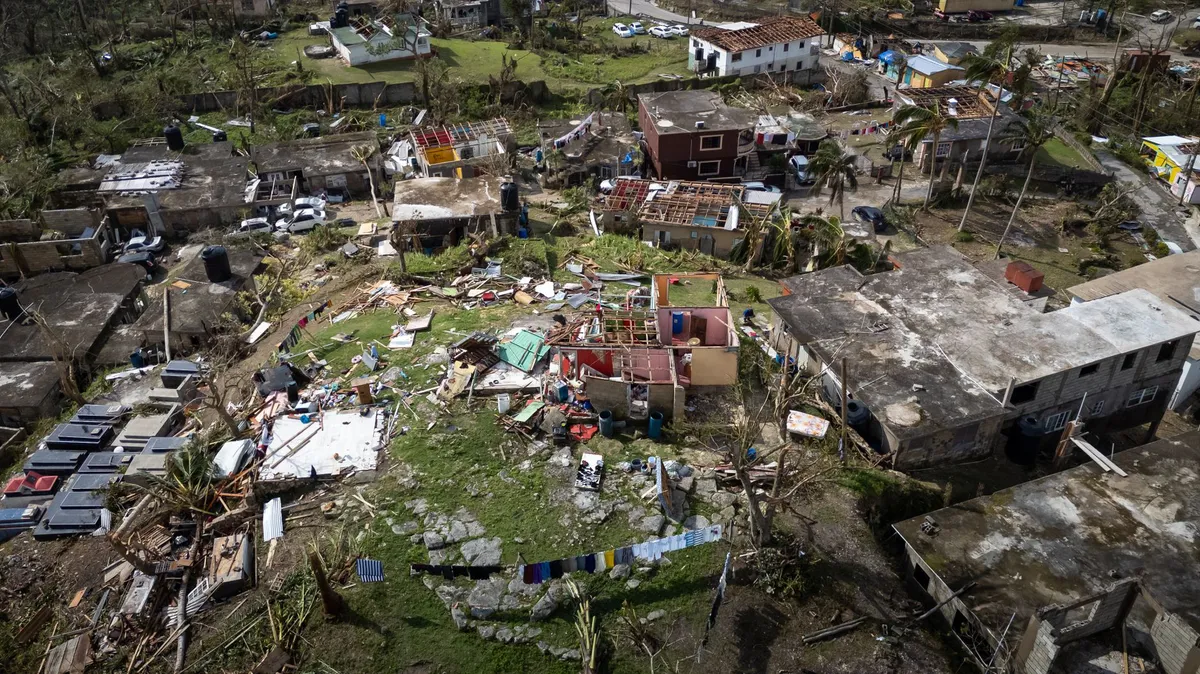
The heavy rainfall associated with Lowell is expected to exacerbate existing vulnerabilities in Hawaii’s infrastructure and ecosystems, particularly on islands like Kauai and the Big Island. The potential for significant property damage, coupled with the ongoing challenges from previous storms, highlights the critical need for residents to understand their insurance coverage and the claims process that follows such natural disasters.
The Current Situation: Hurricane Lowell's Path
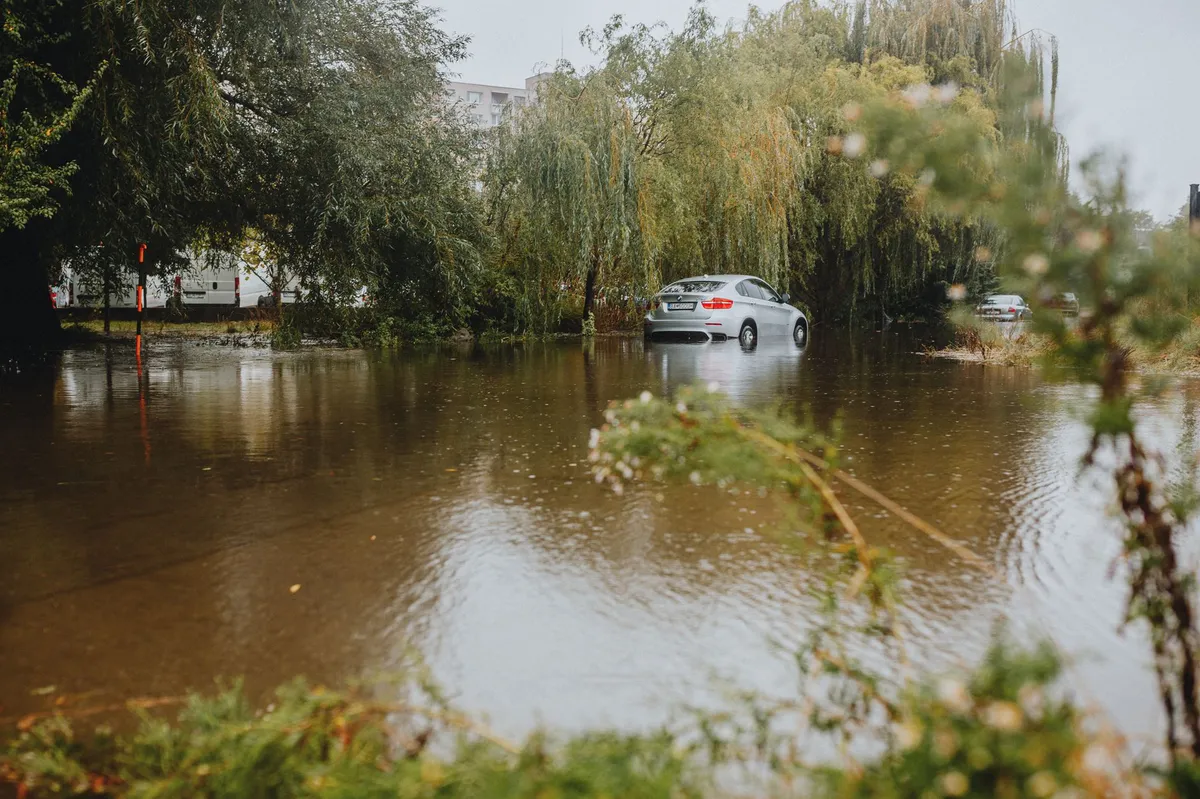
According to the U.S. National Hurricane Center, Hurricane Lowell is forecasted to move northwest into the Pacific Ocean, but not before leaving its mark on Hawaii. The storm's trajectory has placed it just west of Kauai, with predictions indicating that some areas may receive up to 24 inches of rain. In contrast, the Big Island is expected to see around 12 inches, while Maui and Oahu could face an additional 5 inches.
This rainfall is particularly concerning given the cumulative impact of recent adverse weather conditions that Hawaii has experienced. Since last winter, the islands have been hit by a series of tropical storms and Kona lows, leading to evacuations, power outages, and significant flooding. This year alone, five hurricanes or tropical storms have threatened Hawaii, highlighting an unusually active hurricane season.
Potential Damages and Economic Impact
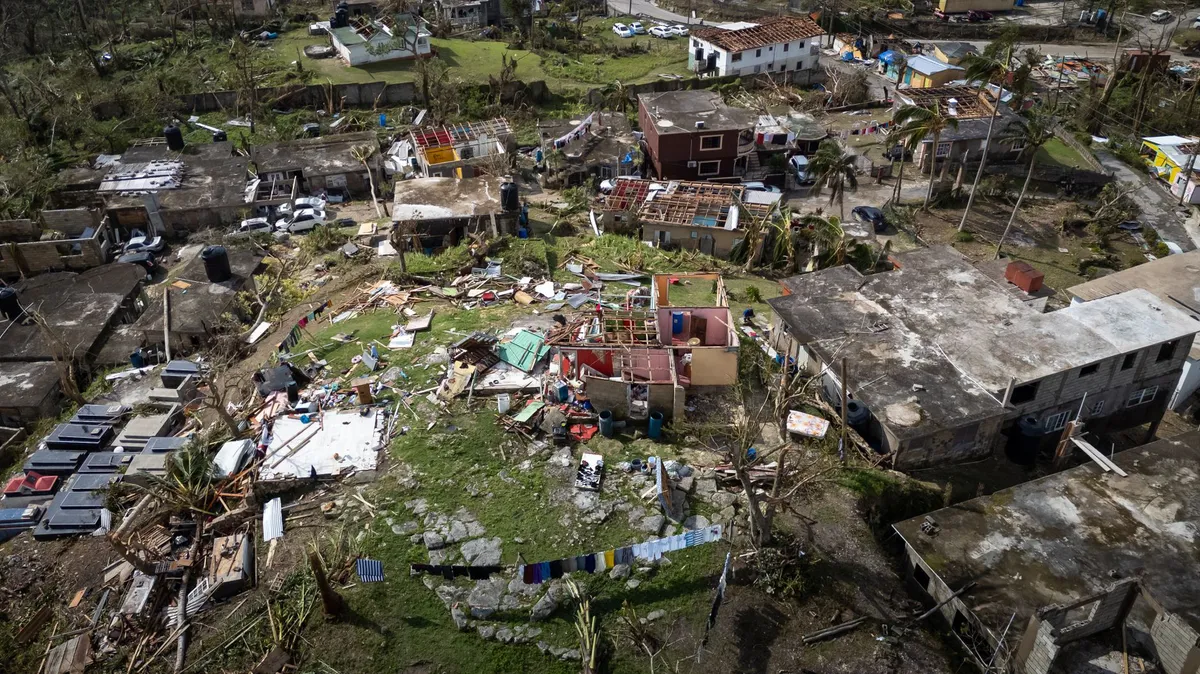
The financial implications of Hurricane Lowell are staggering. Early estimates from Chuck Watson, a disaster modeler at Enki Research, suggest that damages could reach up to $600 million, with the possibility that costs could escalate to $1 billion if flooding becomes severe. Such figures underscore not only the immediate effects of the storm but also the long-term economic repercussions for the islands.
The economic impact of hurricanes extends beyond visible property damage. Local businesses may suffer from interruptions, while residents may face increased insurance premiums and a strain on local resources for recovery efforts. It is crucial for Hawaii's economy, which relies heavily on tourism and agriculture, to rebound quickly from such natural disasters.
Insurance Considerations for Residents
For residents and business owners in Hawaii, understanding insurance coverage is paramount in the wake of Hurricane Lowell. Given the scale of potential damage, it is essential for policyholders to know the specifics of their coverage, including:
- Types of Coverage: Homeowners, renters, and business insurance policies typically cover storm damage, but specifics can vary widely between policies.
- Flood Insurance: Standard homeowner’s insurance often does not cover flood damage, making a separate flood policy essential for residents in flood-prone areas.
- Deductibles: Understanding the deductibles associated with your policy is crucial, as these can significantly affect the out-of-pocket costs after a claim.
- Claims Process: Familiarizing yourself with the claims process can expedite recovery. Keep records of damages, take photographs, and report claims promptly to your insurance provider.
- State Regulations: Hawaii has specific regulations regarding insurance claims and disaster recovery, which can influence the reimbursement process.
Residents should also consider reviewing their policies with an insurance agent to ensure adequate coverage against future storms. With the increasing frequency of hurricanes affecting Hawaii, investing in comprehensive coverage is a wise decision to mitigate potential risks.
Recovery and Future Preparedness
The recovery from Hurricane Lowell will require not just individual efforts but also coordinated community support. Local governments and Federal Emergency Management Agency (FEMA) resources will play a vital role in recovery efforts, but residents and businesses must also take proactive measures to prepare for future storms.
Some steps that residents can take include:
- Emergency Kits: Stock emergency kits with essential supplies, including food, water, and first-aid materials.
- Evacuation Plans: Establish clear evacuation routes and plans for family members, including pets.
- Community Engagement: Participate in local disaster preparedness training and community meetings.
Being prepared not only enhances personal safety but also contributes to the resilience of the entire community in facing future natural disasters.
Key Takeaways
- Hurricane Lowell is expected to cause significant damage across Hawaii, with estimates ranging from $600 million to $1 billion.
- The storm's rainfall could lead to flash flooding and mudslides, particularly affecting Kauai and the Big Island.
- Understanding insurance coverage, including flood policies and deductibles, is essential for residents and businesses.
- Community preparedness and individual resilience are crucial for recovery from natural disasters.
Frequently Asked Questions
What types of insurance should I have in Hawaii to protect against hurricanes?
In Hawaii, it's important to have a combination of homeowners or renters insurance, flood insurance, and possibly windstorm coverage. Standard homeowner's policies may not cover flood damage, which is why a separate flood policy is often necessary, especially in flood-prone areas. Additionally, reviewing your policy with an agent can help ensure you have adequate coverage against hurricane winds and potential storm surges.
How can I prepare my home for a hurricane?
Preparing your home for a hurricane involves several steps. Begin by securing outdoor items that could become projectiles in high winds. Reinforce windows and doors, and consider installing storm shutters. It's also wise to stock up on emergency supplies, including food, water, and medications, and to have an emergency kit ready. Planning an evacuation route and informing family members about the plan is crucial as well.
What should I do if my property is damaged during the hurricane?
If your property sustains damage during a hurricane, your first step should be to ensure your safety and the safety of your family. After that, document the damage with photographs and notes. Contact your insurance provider as soon as possible to report the claim, providing them with all necessary documentation. Understand your policy's deductibles and coverage limits, and follow the claims process as outlined by your insurance company to expedite recovery.
How does the hurricane season impact insurance premiums in Hawaii?
The hurricane season can have a significant impact on insurance premiums in Hawaii. As the frequency and intensity of hurricanes increase, insurance companies may raise premiums to cover the heightened risk. Homeowners and businesses should be prepared for potential premium increases and consider regularly reviewing their insurance policies to ensure they have the right coverage at the best rates.
Comments
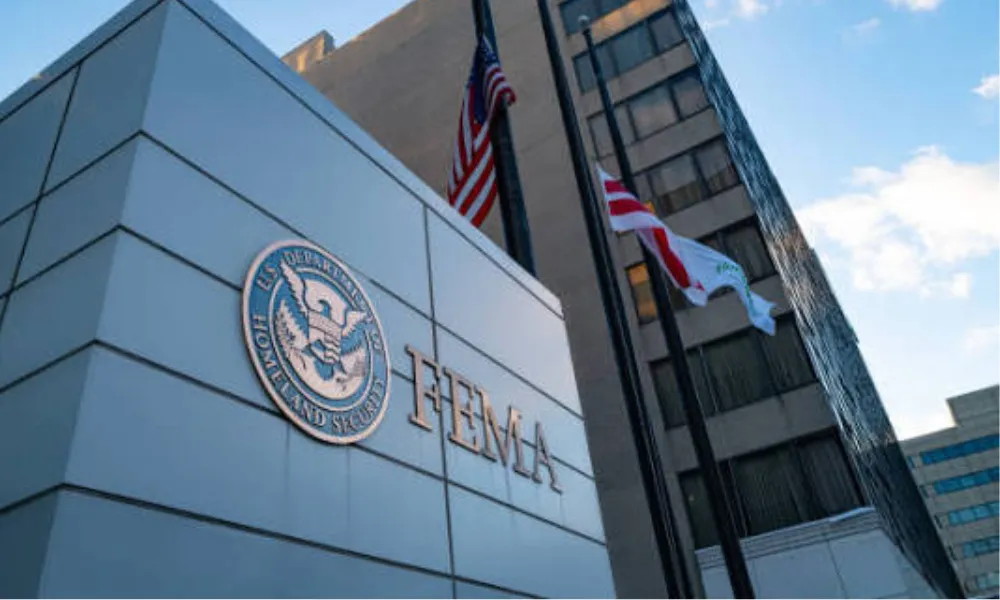
Understanding FEMA's Disaster Aid: What Colorado Homeowners Need to Know
FEMA's recent disaster assistance for Colorado focuses on public infrastructure, leaving homeowners in a challenging position. This article explores the implications for residents affected by recent wildfires and the vital role of private insurance.
Related articles
Popular in Home Insurance
- 2026 Sees Below-Average Severe Convective Storm Losses: What It Means for Insurance
- El Niño and Wildfires: Preparing for a Fire-Prone Future
- Young Affluent Collectors: The Underinsurance Dilemma in Luxury Investments
- Wisconsin Property Owner Sues City and Insurers Over Contamination Cleanup Costs
- Rising Catastrophe Risks: How Europe’s Insurers Are Adapting to Climate Change