Wildfires: The Evolving Challenge for Property Insurers
As wildfires become a year-round threat, property insurers face unprecedented challenges in risk assessment and claims management. This article explores the shifting landscape of wildfire risk and its implications for homeowners and insurers alike.

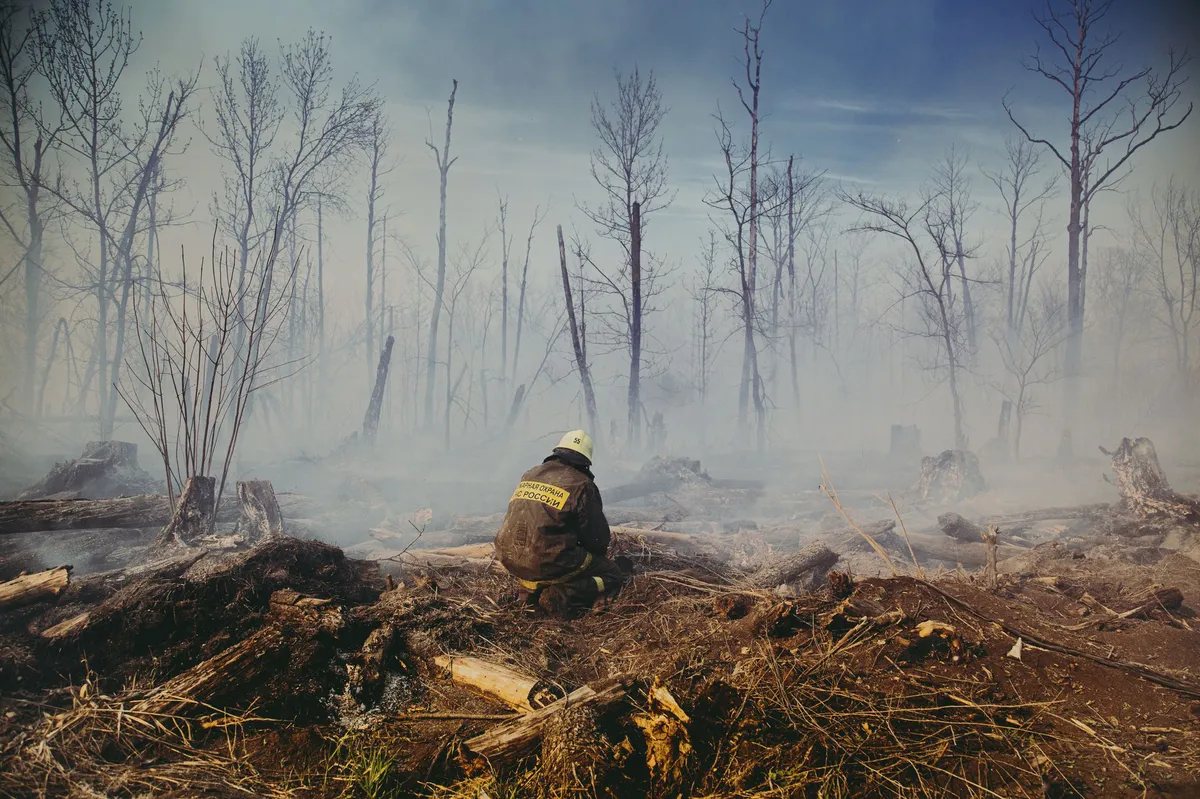
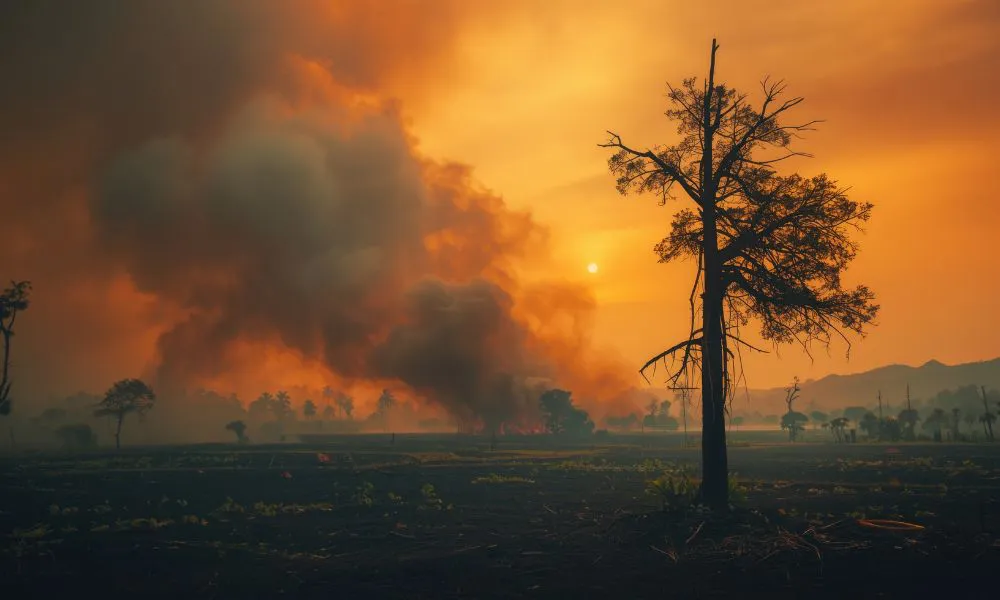
The threat of wildfires is escalating, challenging property insurers to adapt to what is becoming a year-round peril rather than a seasonal one. Recent events, such as the Aspen Acres fire in southern Colorado, illustrate the growing concern among insurers. As of July 9, the fire had consumed over 96,000 acres, destroying hundreds of structures, including homes and commercial properties. With the increasing number of people living in fire-prone areas, industry leaders are reconsidering their risk assessments and coverage options, raising the question: Are wildfires overtaking hurricanes as the foremost concern for property insurers?
Philip Wray, head of property at MSIG USA, articulates this shift in focus. He points out that the concentration of property in areas vulnerable to wildfires, coupled with the lengthy recovery times following such disasters, has made wildfires a significant threat that rivals hurricanes. Wray highlights the lingering aftermath of the California wildfires that occurred in January 2025, with many issues persisting long after the flames have been extinguished. The complex nature of wildfire claims, which often involve disputes over smoke damage and debris removal, adds further urgency to this evolving narrative.
The Rising Cost of Wildfires
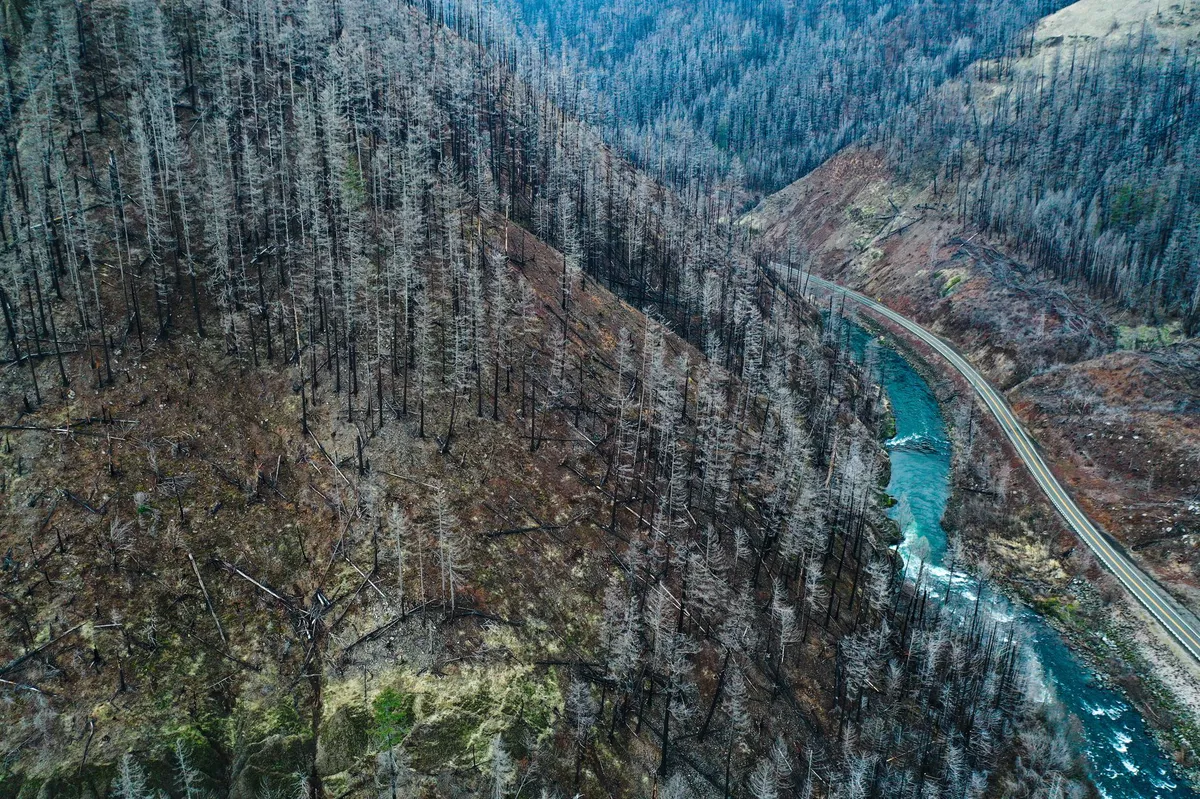
Wildfires are not only becoming more frequent; they are also resulting in unprecedented financial losses. According to estimates from Aon, the Palisades and Eaton fires, which devastated approximately 13,000 homes and other properties, generated a staggering $41 billion in insured losses, marking them as the costliest wildfires on record globally. The California Department of Insurance reported that as of March 3, 2026, over 41,800 claims had been submitted, leading to $23.7 billion in payouts. Yet, the financial impact extends beyond immediate claims, affecting communities for years to come.
Long-term Implications of Wildfire Events
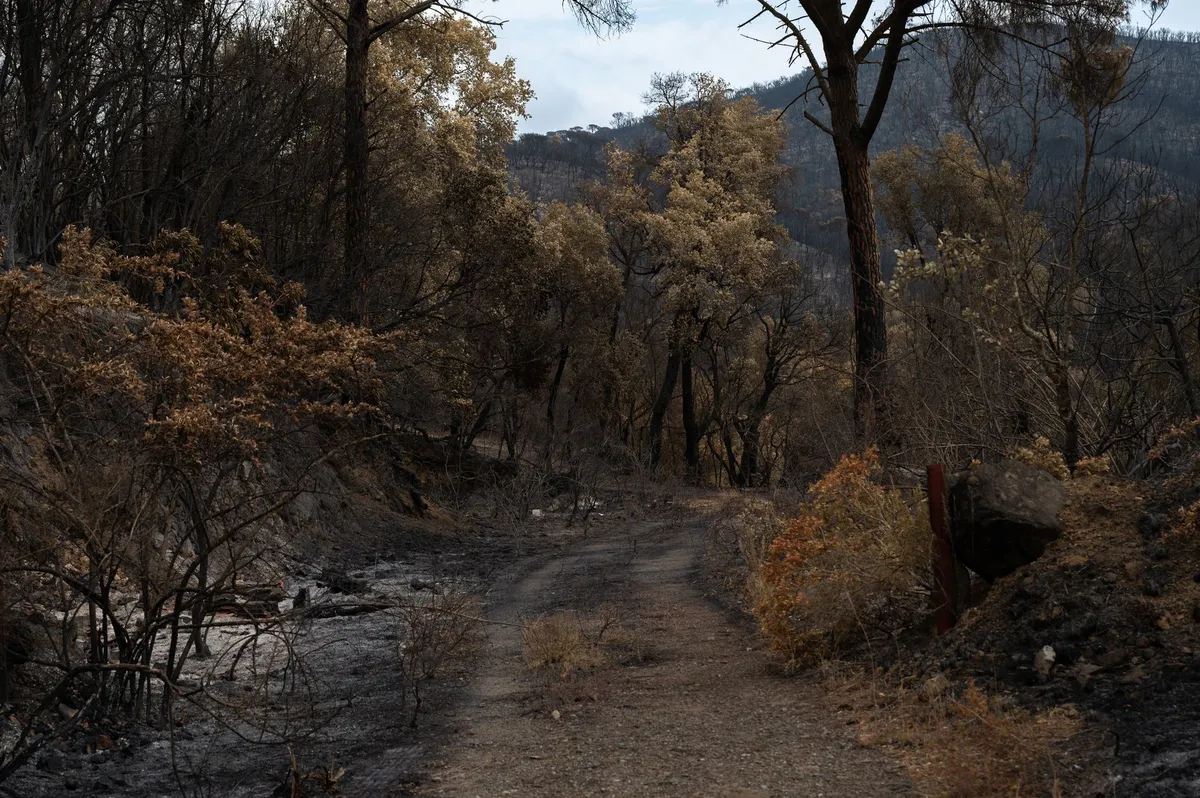
Recovery from wildfires can take far longer than from hurricanes. For instance, one year after the Palisades and Eaton fires, fewer than a dozen homes had been rebuilt, while approximately 900 were still under construction. This slow recovery highlights the challenges homeowners face—especially those without adequate insurance coverage. As Wray notes, rebuilding costs can skyrocket due to inflation and increased demand for materials and labor following a disaster, resulting in a significant gap between policy payouts and actual reconstruction costs. This gap poses a dire threat to families who may find themselves without the means to rebuild after losing everything.
Wildfire Risk Assessment: A New Paradigm for Insurers
The changing landscape of wildfire risk is forcing insurers to adopt new strategies for underwriting and risk assessment. Unlike hurricanes, which can cause catastrophic losses in a single event, wildfires present a more diffuse threat, often impacting communities over extended periods. Wray emphasizes that the value of properties in fire-prone areas has increased significantly over the past two decades, creating a more complex insurance environment.
Technology's Role in Risk Management
Advancements in technology have provided insurers with tools to better assess wildfire risks. MSIG USA employs sophisticated modeling techniques and account-level analyses to evaluate factors such as vegetation types, surrounding terrain, and mitigation measures. These tools can even analyze the fire load presented by native vegetation, allowing underwriters to make informed decisions. However, Wray cautions that technology should complement, rather than replace, the judgment of experienced underwriters.
The Importance of Defensible Space
One key aspect of wildfire risk management is the concept of defensible space, which refers to the area around a home that has been modified to reduce the risk of fire damage. Insurers are increasingly looking at the measures clients have taken to create defensible space, as well as emergency access and nearby vegetation. In a buyer's market, where insurance rates are decreasing and policyholders are seeking broader coverage, the ability to accurately assess risk becomes crucial.
The Protection Gap: A Growing Concern
Despite improvements in risk modeling and assessment, a significant protection gap remains for many homeowners. Even those who have insurance may find that their coverage limits are insufficient to cover the actual costs of rebuilding after a wildfire. This gap is exacerbated by factors like inflation and demand surges for construction materials and labor, which can drive rebuilding costs well above the insured amount.
Consequences for Uninsured Homeowners
The implications of this protection gap are dire for uninsured homeowners who face devastating losses. Wray points out that many families find themselves in a precarious position, having lost everything without the means to rebuild. The reality is stark: insurance is not just a financial product; it is a crucial lifeline in times of disaster. As wildfires continue to threaten more communities, the urgency for adequate coverage has never been greater.
Key Takeaways
- Wildfires are becoming a year-round threat, challenging traditional insurance models.
- Insured losses from wildfires are reaching unprecedented levels, with some events costing over $41 billion globally.
- Technology is enhancing risk assessment but must be combined with underwriter expertise.
- A significant protection gap exists between insured amounts and actual rebuilding costs, particularly for low-income households.
- Creating defensible space is crucial for homeowners to minimize risk and improve insurability.
Frequently Asked Questions
Why are wildfires becoming more of a concern for insurers than hurricanes?
Wildfires are now posing a year-round risk rather than a seasonal one, leading to increased insured losses and long recovery times. Unlike hurricanes, which can cause immediate, catastrophic losses, wildfires can affect communities over time, complicating claims and recovery efforts. This persistent threat has prompted insurers to adjust their risk assessment strategies and focus on wildfire preparedness.
What can homeowners do to protect themselves against wildfire risks?
Homeowners can take proactive steps to mitigate wildfire risks by creating defensible space around their properties. This includes clearing flammable vegetation, maintaining a safe distance between structures, and ensuring emergency access routes are clear. Additionally, investing in fire-resistant materials and home designs can further enhance protection. Homeowners should also review their insurance policies to ensure adequate coverage limits that reflect current rebuilding costs.
How do insurers assess wildfire risk?
Insurers assess wildfire risk using advanced modeling techniques that analyze various factors, including vegetation types, terrain, and mitigation measures taken by homeowners. Tools such as aerial imagery and mapping platforms are used alongside traditional underwriting practices to provide a comprehensive view of the risk. Insurers also consider the development patterns in fire-prone areas to determine appropriate coverage terms and conditions.
What are the implications of the protection gap for homeowners?
The protection gap can result in significant financial hardship for homeowners, particularly those who are uninsured or underinsured. In the event of a wildfire, many may find that their insurance payouts are insufficient to cover the actual costs of rebuilding due to inflation and rising construction expenses. This situation can leave families in precarious positions, unable to recover fully from devastating losses.
Comments
Navigating the Challenges of Office-to-Housing Conversions in NYC
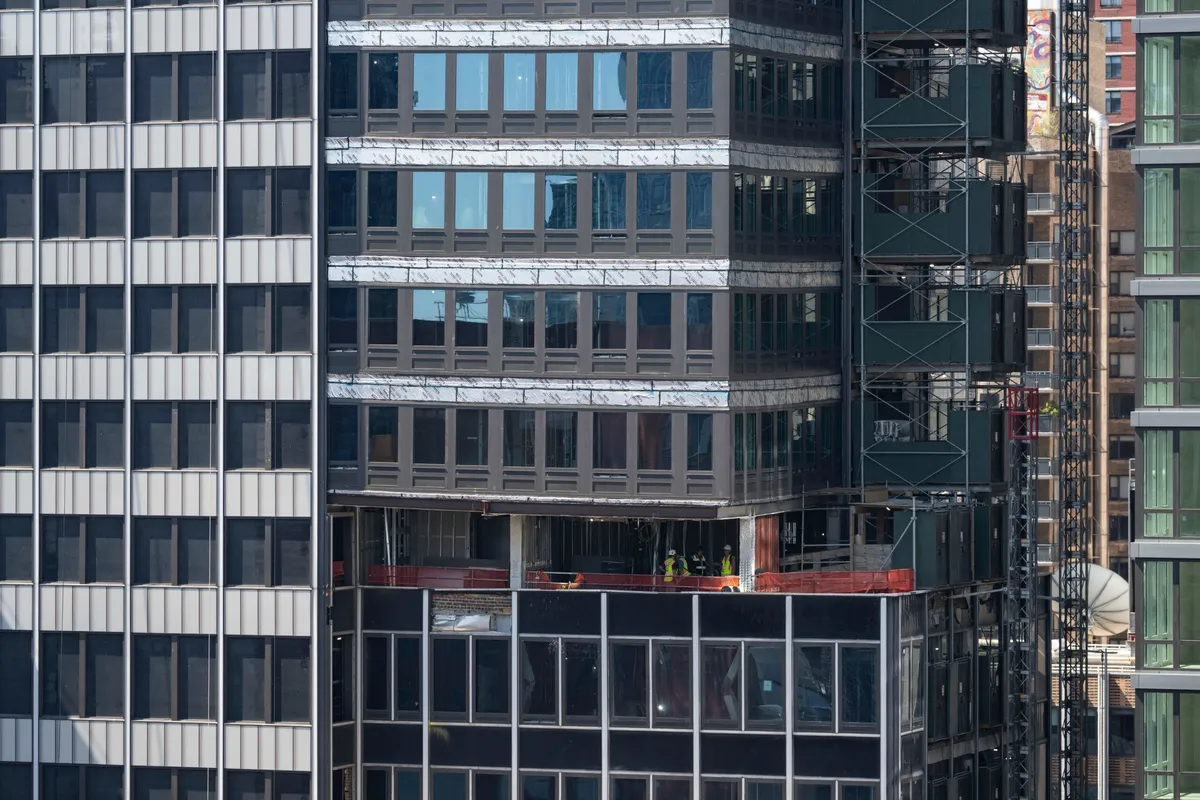
The recent structural failure in Manhattan underscores the complexities of transforming office spaces into residential units, a growing trend to address housing shortages in the wake of the COVID-19 pandemic.
Related articles
Popular in Home Insurance
- 2026 Sees Below-Average Severe Convective Storm Losses: What It Means for Insurance
- El Niño and Wildfires: Preparing for a Fire-Prone Future
- Young Affluent Collectors: The Underinsurance Dilemma in Luxury Investments
- Wisconsin Property Owner Sues City and Insurers Over Contamination Cleanup Costs
- Rising Catastrophe Risks: How Europe’s Insurers Are Adapting to Climate Change